SUBSCRIBE TO OUR FREE NEWSLETTER
Daily news & progressive opinion—funded by the people, not the corporations—delivered straight to your inbox.
5
#000000
#FFFFFF
To donate by check, phone, or other method, see our More Ways to Give page.
Daily news & progressive opinion—funded by the people, not the corporations—delivered straight to your inbox.
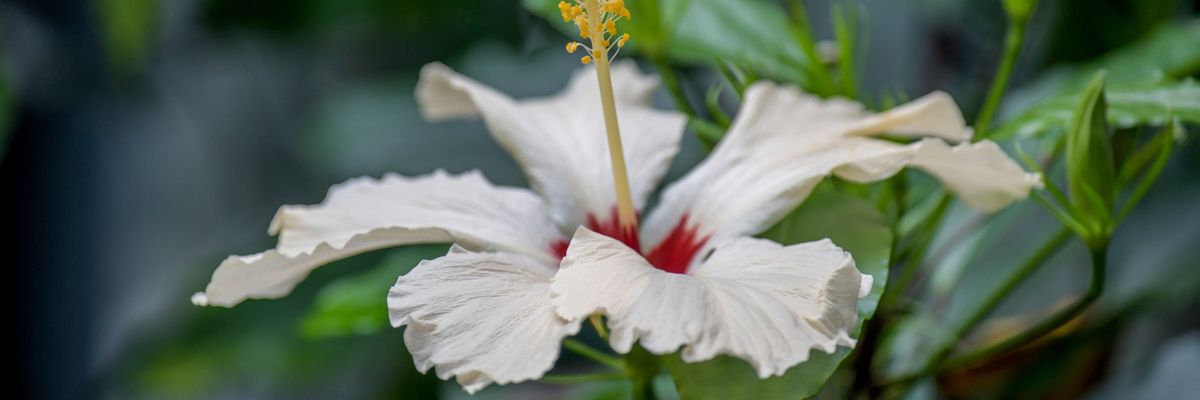
Global scientists warn that 45% of known flowering plant species could be threatened with extinction.
"Effectively managing the plants and fungi that form the building blocks of our habitable planet is key to halting wider biodiversity loss and restoring Earth's ecosystems to full function," says a scientific report.
Global scientists warned Tuesday that 45% of known flowering plant species could be at risk of disappearing, underscoring the need for urgent international action to tackle the planet's sixth mass extinction—the first driven by human activity.
That figure is among the key findings from State of the World's Plants and Fungi, the fifth annual report from the U.K.'s Royal Botanic Gardens (RBG), Kew about such species amid the intertwined biodiversity crisis and climate emergency.
"The resources and services that nature provides—from food to fresh water—have arisen through eons of ecosystem-building by microbes (including fungi), plants, and animals, and their interactions with geochemical processes," says the report. "Because we are currently degrading ecosystems, releasing greenhouse gases into the air, and polluting water resources at such a rapid rate, we risk destabilizing the global equilibrium that these evolutionary processes have established."
"Effectively managing the plants and fungi that form the building blocks of our habitable planet is key to halting wider biodiversity loss and restoring Earth's ecosystems to full function," the publication stresses.
"Every species we lose is a species that we don't know what opportunities we're losing... It could be a cancer-fighting drug, it could be the solution to hunger."
The report "relies on two major advances," said Alexandre Antonelli, director of science at RBG Kew. "Firstly, the recent release of the first geographically complete World Checklist of Vascular Plants—a landmark achievement after more than 35 years of meticulous and highly collaborative work. Secondly, the wealth of information on fungal diversity newly harnessed from the analyses of environmental DNA in soil samples across the world, integrated with other morphological and molecular evidence from fungarium specimens."
"In 11 chapters, we present compelling stories of what we can learn from these and related sources of data, and how these learnings can help us foster future research and conservation. This report is based on groundbreaking original research papers and reviews from many international teams of scientists," he added. Specifically, it draws on the expertise of 200 researchers at 102 institutions across 30 countries.
The checklist features 350,386 species of known vascular plants—but as many as 100,000 more have not yet been formally identified, and experts estimate that 3 in 4 undescribed vascular plants are likely already at risk. Given that, Kew scientists are calling for all newly described species to be treated as threatened unless proven otherwise.
"Ideally, partnerships between taxonomists and experienced conservation assessors would aim to describe and assess species simultaneously, to maximize opportunities for effective conservation action," said Matilda Brown, a researcher in conservation assessment and analysis at RBG Kew. "In the meantime, if accepted, our recommendation could aid in the protection of many tens of thousands of undescribed threatened species, by treating them as threatened as soon as they become known to us."
The fungi section of the report points out that "only 155,000 species have been formally named, while estimates of the total diversity have ranged from 250,000 in the 1800s to as many as 19 million species in recent decades." Now, scientists estimate that there are 2.5 million fungal species on the planet—meaning that over 90% remain unnamed.
However, the effort to identify species continues. Since just 2020, scientists have named more than 8,600 plant species and over 10,200 fungal species.
"Naming and describing a species is the vital first step in documenting life on Earth," said former Kew scientist Tuula Niskanen, now at the University of Helsinki in Finland. "Without knowing what species there are and having names for them, we won't be able to share information on the key aspects of species' diversity, make any assessments of species' conservation status to know whether they are at risk from extinction, or explore their potential to benefit people and society."
"It is essential to know what species of fungi we have here on Earth and what we need to do for them," she added, "so that we don't lose them."
Brown issued a similar warning about plant losses, telling the BBC that "when we consider that 9 out of 10 of our medicines come from our plants, what we are potentially staring down the barrel at is losing half of all of our future medicines."
"Every species we lose is a species that we don't know what opportunities we're losing," she added. "It could be a cancer-fighting drug, it could be the solution to hunger... And so to lose that, before we get a chance to study it would be a tragedy."
The new publication joins a series of alarming reports this year, from February NatureServe research that found 34% of plants species and 40% of animal species in the United States are at risk of extinction while 41% of U.S. ecosystems could collapse, to a September study that revealed dozens of genera—the next thickest branch from species on tree of life—have been lost since A.D. 1500 due to human activity.
The Kew report also comes after last December's Kunming-Montreal Biodiversity Framework—a historic pact to safeguard and restore nature that followed years of negotiations but which some global advocates warned is nowhere near strong enough.
Dear Common Dreams reader, It’s been nearly 30 years since I co-founded Common Dreams with my late wife, Lina Newhouser. We had the radical notion that journalism should serve the public good, not corporate profits. It was clear to us from the outset what it would take to build such a project. No paid advertisements. No corporate sponsors. No millionaire publisher telling us what to think or do. Many people said we wouldn't last a year, but we proved those doubters wrong. Together with a tremendous team of journalists and dedicated staff, we built an independent media outlet free from the constraints of profits and corporate control. Our mission has always been simple: To inform. To inspire. To ignite change for the common good. Building Common Dreams was not easy. Our survival was never guaranteed. When you take on the most powerful forces—Wall Street greed, fossil fuel industry destruction, Big Tech lobbyists, and uber-rich oligarchs who have spent billions upon billions rigging the economy and democracy in their favor—the only bulwark you have is supporters who believe in your work. But here’s the urgent message from me today. It's never been this bad out there. And it's never been this hard to keep us going. At the very moment Common Dreams is most needed, the threats we face are intensifying. We need your support now more than ever. We don't accept corporate advertising and never will. We don't have a paywall because we don't think people should be blocked from critical news based on their ability to pay. Everything we do is funded by the donations of readers like you. When everyone does the little they can afford, we are strong. But if that support retreats or dries up, so do we. Will you donate now to make sure Common Dreams not only survives but thrives? —Craig Brown, Co-founder |
Global scientists warned Tuesday that 45% of known flowering plant species could be at risk of disappearing, underscoring the need for urgent international action to tackle the planet's sixth mass extinction—the first driven by human activity.
That figure is among the key findings from State of the World's Plants and Fungi, the fifth annual report from the U.K.'s Royal Botanic Gardens (RBG), Kew about such species amid the intertwined biodiversity crisis and climate emergency.
"The resources and services that nature provides—from food to fresh water—have arisen through eons of ecosystem-building by microbes (including fungi), plants, and animals, and their interactions with geochemical processes," says the report. "Because we are currently degrading ecosystems, releasing greenhouse gases into the air, and polluting water resources at such a rapid rate, we risk destabilizing the global equilibrium that these evolutionary processes have established."
"Effectively managing the plants and fungi that form the building blocks of our habitable planet is key to halting wider biodiversity loss and restoring Earth's ecosystems to full function," the publication stresses.
"Every species we lose is a species that we don't know what opportunities we're losing... It could be a cancer-fighting drug, it could be the solution to hunger."
The report "relies on two major advances," said Alexandre Antonelli, director of science at RBG Kew. "Firstly, the recent release of the first geographically complete World Checklist of Vascular Plants—a landmark achievement after more than 35 years of meticulous and highly collaborative work. Secondly, the wealth of information on fungal diversity newly harnessed from the analyses of environmental DNA in soil samples across the world, integrated with other morphological and molecular evidence from fungarium specimens."
"In 11 chapters, we present compelling stories of what we can learn from these and related sources of data, and how these learnings can help us foster future research and conservation. This report is based on groundbreaking original research papers and reviews from many international teams of scientists," he added. Specifically, it draws on the expertise of 200 researchers at 102 institutions across 30 countries.
The checklist features 350,386 species of known vascular plants—but as many as 100,000 more have not yet been formally identified, and experts estimate that 3 in 4 undescribed vascular plants are likely already at risk. Given that, Kew scientists are calling for all newly described species to be treated as threatened unless proven otherwise.
"Ideally, partnerships between taxonomists and experienced conservation assessors would aim to describe and assess species simultaneously, to maximize opportunities for effective conservation action," said Matilda Brown, a researcher in conservation assessment and analysis at RBG Kew. "In the meantime, if accepted, our recommendation could aid in the protection of many tens of thousands of undescribed threatened species, by treating them as threatened as soon as they become known to us."
The fungi section of the report points out that "only 155,000 species have been formally named, while estimates of the total diversity have ranged from 250,000 in the 1800s to as many as 19 million species in recent decades." Now, scientists estimate that there are 2.5 million fungal species on the planet—meaning that over 90% remain unnamed.
However, the effort to identify species continues. Since just 2020, scientists have named more than 8,600 plant species and over 10,200 fungal species.
"Naming and describing a species is the vital first step in documenting life on Earth," said former Kew scientist Tuula Niskanen, now at the University of Helsinki in Finland. "Without knowing what species there are and having names for them, we won't be able to share information on the key aspects of species' diversity, make any assessments of species' conservation status to know whether they are at risk from extinction, or explore their potential to benefit people and society."
"It is essential to know what species of fungi we have here on Earth and what we need to do for them," she added, "so that we don't lose them."
Brown issued a similar warning about plant losses, telling the BBC that "when we consider that 9 out of 10 of our medicines come from our plants, what we are potentially staring down the barrel at is losing half of all of our future medicines."
"Every species we lose is a species that we don't know what opportunities we're losing," she added. "It could be a cancer-fighting drug, it could be the solution to hunger... And so to lose that, before we get a chance to study it would be a tragedy."
The new publication joins a series of alarming reports this year, from February NatureServe research that found 34% of plants species and 40% of animal species in the United States are at risk of extinction while 41% of U.S. ecosystems could collapse, to a September study that revealed dozens of genera—the next thickest branch from species on tree of life—have been lost since A.D. 1500 due to human activity.
The Kew report also comes after last December's Kunming-Montreal Biodiversity Framework—a historic pact to safeguard and restore nature that followed years of negotiations but which some global advocates warned is nowhere near strong enough.
Global scientists warned Tuesday that 45% of known flowering plant species could be at risk of disappearing, underscoring the need for urgent international action to tackle the planet's sixth mass extinction—the first driven by human activity.
That figure is among the key findings from State of the World's Plants and Fungi, the fifth annual report from the U.K.'s Royal Botanic Gardens (RBG), Kew about such species amid the intertwined biodiversity crisis and climate emergency.
"The resources and services that nature provides—from food to fresh water—have arisen through eons of ecosystem-building by microbes (including fungi), plants, and animals, and their interactions with geochemical processes," says the report. "Because we are currently degrading ecosystems, releasing greenhouse gases into the air, and polluting water resources at such a rapid rate, we risk destabilizing the global equilibrium that these evolutionary processes have established."
"Effectively managing the plants and fungi that form the building blocks of our habitable planet is key to halting wider biodiversity loss and restoring Earth's ecosystems to full function," the publication stresses.
"Every species we lose is a species that we don't know what opportunities we're losing... It could be a cancer-fighting drug, it could be the solution to hunger."
The report "relies on two major advances," said Alexandre Antonelli, director of science at RBG Kew. "Firstly, the recent release of the first geographically complete World Checklist of Vascular Plants—a landmark achievement after more than 35 years of meticulous and highly collaborative work. Secondly, the wealth of information on fungal diversity newly harnessed from the analyses of environmental DNA in soil samples across the world, integrated with other morphological and molecular evidence from fungarium specimens."
"In 11 chapters, we present compelling stories of what we can learn from these and related sources of data, and how these learnings can help us foster future research and conservation. This report is based on groundbreaking original research papers and reviews from many international teams of scientists," he added. Specifically, it draws on the expertise of 200 researchers at 102 institutions across 30 countries.
The checklist features 350,386 species of known vascular plants—but as many as 100,000 more have not yet been formally identified, and experts estimate that 3 in 4 undescribed vascular plants are likely already at risk. Given that, Kew scientists are calling for all newly described species to be treated as threatened unless proven otherwise.
"Ideally, partnerships between taxonomists and experienced conservation assessors would aim to describe and assess species simultaneously, to maximize opportunities for effective conservation action," said Matilda Brown, a researcher in conservation assessment and analysis at RBG Kew. "In the meantime, if accepted, our recommendation could aid in the protection of many tens of thousands of undescribed threatened species, by treating them as threatened as soon as they become known to us."
The fungi section of the report points out that "only 155,000 species have been formally named, while estimates of the total diversity have ranged from 250,000 in the 1800s to as many as 19 million species in recent decades." Now, scientists estimate that there are 2.5 million fungal species on the planet—meaning that over 90% remain unnamed.
However, the effort to identify species continues. Since just 2020, scientists have named more than 8,600 plant species and over 10,200 fungal species.
"Naming and describing a species is the vital first step in documenting life on Earth," said former Kew scientist Tuula Niskanen, now at the University of Helsinki in Finland. "Without knowing what species there are and having names for them, we won't be able to share information on the key aspects of species' diversity, make any assessments of species' conservation status to know whether they are at risk from extinction, or explore their potential to benefit people and society."
"It is essential to know what species of fungi we have here on Earth and what we need to do for them," she added, "so that we don't lose them."
Brown issued a similar warning about plant losses, telling the BBC that "when we consider that 9 out of 10 of our medicines come from our plants, what we are potentially staring down the barrel at is losing half of all of our future medicines."
"Every species we lose is a species that we don't know what opportunities we're losing," she added. "It could be a cancer-fighting drug, it could be the solution to hunger... And so to lose that, before we get a chance to study it would be a tragedy."
The new publication joins a series of alarming reports this year, from February NatureServe research that found 34% of plants species and 40% of animal species in the United States are at risk of extinction while 41% of U.S. ecosystems could collapse, to a September study that revealed dozens of genera—the next thickest branch from species on tree of life—have been lost since A.D. 1500 due to human activity.
The Kew report also comes after last December's Kunming-Montreal Biodiversity Framework—a historic pact to safeguard and restore nature that followed years of negotiations but which some global advocates warned is nowhere near strong enough.