SUBSCRIBE TO OUR FREE NEWSLETTER
Daily news & progressive opinion—funded by the people, not the corporations—delivered straight to your inbox.
5
#000000
#FFFFFF
To donate by check, phone, or other method, see our More Ways to Give page.
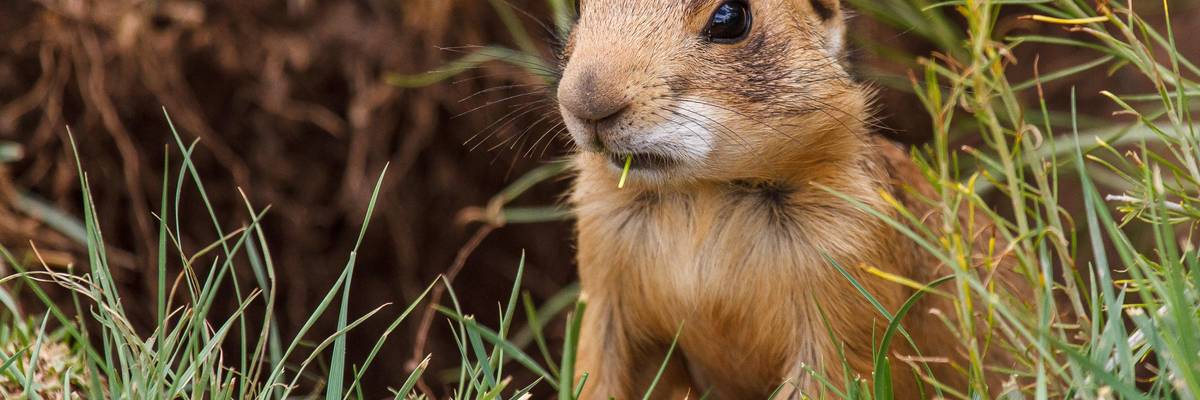
Underscoring the need for humanity to overhaul its relationship with nature, 34% of plants species and 40% of animal species across the United States are at risk of extinction while 41% of U.S. ecosystems could collapse, according to an analysis published Monday by the nonprofit NatureServe.
"For 50 years, the NatureServe Network has been collecting the information necessary to understand biodiversity imperilment in the United States. This new analysis of that data, a first in 20 years, makes crystal clear the urgency of that work," said the group's vice president for data and methods, Regan Smyth.
"It's suicidal of us to pretend that business as usual is more important than safeguarding the natural world we all depend on."
"Two-fifths of our ecosystems are in trouble. Freshwater invertebrates and many pollinators, the foundation of a healthy, functional planet, are in precipitous decline," she pointed out. "Understanding and addressing these risks is critical if we are to forestall devastating consequences for the biodiversity that humanity needs to survive."
Noting that roughly a third of plants are in danger, the report—Biodiversity in Focus: United States Edition—explains that "this is an alarming general finding, but certain taxa face even greater threats. For example, 48% of cactus species are at risk of extinction, while around 200 tree species (about 20%) are at risk of extinction."
"Of the hundreds of grass species that form our nation's great prairies and marshes, about 19% are at risk of vanishing forever," the document states. "Preventing plant extinction is essential to maintaining ecosystem function and the services that wildlife and people rely upon."
As for animals, the analysis says that "as a group, species associated with fresh water, including amphibians, snails, mussels, crayfish, and many aquatic insects, have the highest percentage of at-risk species, highlighting the importance of conservation strategies to protect freshwater ecosystems."
"Among pollinators, bees are particularly threatened, with 37% of assessed species at risk," the report continues. "The conservation needs of these, and other invertebrate species, are often overlooked, yet many invertebrates are integral to maintaining the ecological functions of freshwater and terrestrial ecosystems."
Ecosystems across the country face potential "range-wide collapse due to extensive threats such as land-cover conversion," the publication warns. "Tropical ecosystems in the U.S. are all under substantial risk, but account for relatively small proportions in number and area."
"Temperate grasslands, boreal grasslands, and shrublands stand out among highly threatened ecosystems that extend over vast areas of the country, with 51% of the 78 grassland types known to be at risk of range-wide collapse," the report adds. "Temperate forests, boreal forests, and woodlands have also experienced multiple pressures, leading to an at-risk status for 40% of the 107 types of native U.S. forests."
 (Image: NatureServe)
NatureServe president and CEO Sean T. O'Brien stressed that "we are currently experiencing and causing the Sixth Extinction—the mass extinction of species across the planet. NatureServe's data highlight where the threats are right here at home."
"The plants, animals, and ecosystems found in our state, tribal, and federal lands are key components of our cultural and natural heritage," he said. "We should be proud of the biodiversity in our backyard and should prioritize protecting what is here, now."
The report is just the latest to emphasize the growing threat to various species. Others include the International Union for Conservation of Nature (IUCN) Red List of Threatened Species, updated in December during a summit in Montreal that ultimately produced what many experts and advocates agree is a "weak" global framework to protect biodiversity.
The IUCN update revealed "a perfect storm of unsustainable human activity decimating marine life around the globe," Bruno Oberle, the group's director general, said at the time. He warned that "we urgently need to address the linked climate and biodiversity crises, with profound changes to our economic systems, or we risk losing the crucial benefits the oceans provide us with."
The NatureServe analysis provoked similar demands for action. As Reuters reported:
Vivian Negron-Ortiz, the president of the Botanical Society of America and a botanist with the U.S. Fish and Wildlife Service, who was not involved in the NatureServe report, said there is still a lot scientists do not know and have not yet discovered about biodiversity in the United States, and that NatureServe's data helped illuminate that darkness.
More than anything, she sees the new data as a call to action.
"This report shows the need for the public to help prevent the disappearance of many of our plant species," she said. "The public can help by finding and engaging with local organizations that are actively working to protect wild places and conserve rare species."
Tierra Curry, a senior scientist at the Center for Biological Diversity, said in a statement Monday that "this grim assessment adds to the mountain of science showing that we're creating an extinction crisis."
"It's suicidal of us to pretend that business as usual is more important than safeguarding the natural world we all depend on," Curry declared, spotlighting some potential solutions including the Extinction Prevention Act and Recovering America's Wildlife Act.
"Grassland loss is the biggest U.S. environmental disaster that gets the least attention," she said. "Conversion of grasslands to suburban sprawl and pesticide-intensive agriculture is a primary reason we've lost 3 billion birds and why we could lose monarch butterflies and vital pollinators."
"By taking nature for granted we've pushed natural systems to the brink of collapse," Curry continued. "We've been so neglectful for so long, but we can create a different world that doesn't exploit nature and vulnerable human communities for never-ending sprawl and consumption."
Underscoring the need for humanity to overhaul its relationship with nature, 34% of plants species and 40% of animal species across the United States are at risk of extinction while 41% of U.S. ecosystems could collapse, according to an analysis published Monday by the nonprofit NatureServe.
"For 50 years, the NatureServe Network has been collecting the information necessary to understand biodiversity imperilment in the United States. This new analysis of that data, a first in 20 years, makes crystal clear the urgency of that work," said the group's vice president for data and methods, Regan Smyth.
"It's suicidal of us to pretend that business as usual is more important than safeguarding the natural world we all depend on."
"Two-fifths of our ecosystems are in trouble. Freshwater invertebrates and many pollinators, the foundation of a healthy, functional planet, are in precipitous decline," she pointed out. "Understanding and addressing these risks is critical if we are to forestall devastating consequences for the biodiversity that humanity needs to survive."
Noting that roughly a third of plants are in danger, the report—Biodiversity in Focus: United States Edition—explains that "this is an alarming general finding, but certain taxa face even greater threats. For example, 48% of cactus species are at risk of extinction, while around 200 tree species (about 20%) are at risk of extinction."
"Of the hundreds of grass species that form our nation's great prairies and marshes, about 19% are at risk of vanishing forever," the document states. "Preventing plant extinction is essential to maintaining ecosystem function and the services that wildlife and people rely upon."
As for animals, the analysis says that "as a group, species associated with fresh water, including amphibians, snails, mussels, crayfish, and many aquatic insects, have the highest percentage of at-risk species, highlighting the importance of conservation strategies to protect freshwater ecosystems."
"Among pollinators, bees are particularly threatened, with 37% of assessed species at risk," the report continues. "The conservation needs of these, and other invertebrate species, are often overlooked, yet many invertebrates are integral to maintaining the ecological functions of freshwater and terrestrial ecosystems."
Ecosystems across the country face potential "range-wide collapse due to extensive threats such as land-cover conversion," the publication warns. "Tropical ecosystems in the U.S. are all under substantial risk, but account for relatively small proportions in number and area."
"Temperate grasslands, boreal grasslands, and shrublands stand out among highly threatened ecosystems that extend over vast areas of the country, with 51% of the 78 grassland types known to be at risk of range-wide collapse," the report adds. "Temperate forests, boreal forests, and woodlands have also experienced multiple pressures, leading to an at-risk status for 40% of the 107 types of native U.S. forests."
(Image: NatureServe)
NatureServe president and CEO Sean T. O'Brien stressed that "we are currently experiencing and causing the Sixth Extinction—the mass extinction of species across the planet. NatureServe's data highlight where the threats are right here at home."
"The plants, animals, and ecosystems found in our state, tribal, and federal lands are key components of our cultural and natural heritage," he said. "We should be proud of the biodiversity in our backyard and should prioritize protecting what is here, now."
The report is just the latest to emphasize the growing threat to various species. Others include the International Union for Conservation of Nature (IUCN) Red List of Threatened Species, updated in December during a summit in Montreal that ultimately produced what many experts and advocates agree is a "weak" global framework to protect biodiversity.
The IUCN update revealed "a perfect storm of unsustainable human activity decimating marine life around the globe," Bruno Oberle, the group's director general, said at the time. He warned that "we urgently need to address the linked climate and biodiversity crises, with profound changes to our economic systems, or we risk losing the crucial benefits the oceans provide us with."
The NatureServe analysis provoked similar demands for action. As Reuters reported:
Vivian Negron-Ortiz, the president of the Botanical Society of America and a botanist with the U.S. Fish and Wildlife Service, who was not involved in the NatureServe report, said there is still a lot scientists do not know and have not yet discovered about biodiversity in the United States, and that NatureServe's data helped illuminate that darkness.
More than anything, she sees the new data as a call to action.
"This report shows the need for the public to help prevent the disappearance of many of our plant species," she said. "The public can help by finding and engaging with local organizations that are actively working to protect wild places and conserve rare species."
Tierra Curry, a senior scientist at the Center for Biological Diversity, said in a statement Monday that "this grim assessment adds to the mountain of science showing that we're creating an extinction crisis."
"It's suicidal of us to pretend that business as usual is more important than safeguarding the natural world we all depend on," Curry declared, spotlighting some potential solutions including the Extinction Prevention Act and Recovering America's Wildlife Act.
"Grassland loss is the biggest U.S. environmental disaster that gets the least attention," she said. "Conversion of grasslands to suburban sprawl and pesticide-intensive agriculture is a primary reason we've lost 3 billion birds and why we could lose monarch butterflies and vital pollinators."
"By taking nature for granted we've pushed natural systems to the brink of collapse," Curry continued. "We've been so neglectful for so long, but we can create a different world that doesn't exploit nature and vulnerable human communities for never-ending sprawl and consumption."
Underscoring the need for humanity to overhaul its relationship with nature, 34% of plants species and 40% of animal species across the United States are at risk of extinction while 41% of U.S. ecosystems could collapse, according to an analysis published Monday by the nonprofit NatureServe.
"For 50 years, the NatureServe Network has been collecting the information necessary to understand biodiversity imperilment in the United States. This new analysis of that data, a first in 20 years, makes crystal clear the urgency of that work," said the group's vice president for data and methods, Regan Smyth.
"It's suicidal of us to pretend that business as usual is more important than safeguarding the natural world we all depend on."
"Two-fifths of our ecosystems are in trouble. Freshwater invertebrates and many pollinators, the foundation of a healthy, functional planet, are in precipitous decline," she pointed out. "Understanding and addressing these risks is critical if we are to forestall devastating consequences for the biodiversity that humanity needs to survive."
Noting that roughly a third of plants are in danger, the report—Biodiversity in Focus: United States Edition—explains that "this is an alarming general finding, but certain taxa face even greater threats. For example, 48% of cactus species are at risk of extinction, while around 200 tree species (about 20%) are at risk of extinction."
"Of the hundreds of grass species that form our nation's great prairies and marshes, about 19% are at risk of vanishing forever," the document states. "Preventing plant extinction is essential to maintaining ecosystem function and the services that wildlife and people rely upon."
As for animals, the analysis says that "as a group, species associated with fresh water, including amphibians, snails, mussels, crayfish, and many aquatic insects, have the highest percentage of at-risk species, highlighting the importance of conservation strategies to protect freshwater ecosystems."
"Among pollinators, bees are particularly threatened, with 37% of assessed species at risk," the report continues. "The conservation needs of these, and other invertebrate species, are often overlooked, yet many invertebrates are integral to maintaining the ecological functions of freshwater and terrestrial ecosystems."
Ecosystems across the country face potential "range-wide collapse due to extensive threats such as land-cover conversion," the publication warns. "Tropical ecosystems in the U.S. are all under substantial risk, but account for relatively small proportions in number and area."
"Temperate grasslands, boreal grasslands, and shrublands stand out among highly threatened ecosystems that extend over vast areas of the country, with 51% of the 78 grassland types known to be at risk of range-wide collapse," the report adds. "Temperate forests, boreal forests, and woodlands have also experienced multiple pressures, leading to an at-risk status for 40% of the 107 types of native U.S. forests."
(Image: NatureServe)
NatureServe president and CEO Sean T. O'Brien stressed that "we are currently experiencing and causing the Sixth Extinction—the mass extinction of species across the planet. NatureServe's data highlight where the threats are right here at home."
"The plants, animals, and ecosystems found in our state, tribal, and federal lands are key components of our cultural and natural heritage," he said. "We should be proud of the biodiversity in our backyard and should prioritize protecting what is here, now."
The report is just the latest to emphasize the growing threat to various species. Others include the International Union for Conservation of Nature (IUCN) Red List of Threatened Species, updated in December during a summit in Montreal that ultimately produced what many experts and advocates agree is a "weak" global framework to protect biodiversity.
The IUCN update revealed "a perfect storm of unsustainable human activity decimating marine life around the globe," Bruno Oberle, the group's director general, said at the time. He warned that "we urgently need to address the linked climate and biodiversity crises, with profound changes to our economic systems, or we risk losing the crucial benefits the oceans provide us with."
The NatureServe analysis provoked similar demands for action. As Reuters reported:
Vivian Negron-Ortiz, the president of the Botanical Society of America and a botanist with the U.S. Fish and Wildlife Service, who was not involved in the NatureServe report, said there is still a lot scientists do not know and have not yet discovered about biodiversity in the United States, and that NatureServe's data helped illuminate that darkness.
More than anything, she sees the new data as a call to action.
"This report shows the need for the public to help prevent the disappearance of many of our plant species," she said. "The public can help by finding and engaging with local organizations that are actively working to protect wild places and conserve rare species."
Tierra Curry, a senior scientist at the Center for Biological Diversity, said in a statement Monday that "this grim assessment adds to the mountain of science showing that we're creating an extinction crisis."
"It's suicidal of us to pretend that business as usual is more important than safeguarding the natural world we all depend on," Curry declared, spotlighting some potential solutions including the Extinction Prevention Act and Recovering America's Wildlife Act.
"Grassland loss is the biggest U.S. environmental disaster that gets the least attention," she said. "Conversion of grasslands to suburban sprawl and pesticide-intensive agriculture is a primary reason we've lost 3 billion birds and why we could lose monarch butterflies and vital pollinators."
"By taking nature for granted we've pushed natural systems to the brink of collapse," Curry continued. "We've been so neglectful for so long, but we can create a different world that doesn't exploit nature and vulnerable human communities for never-ending sprawl and consumption."