SUBSCRIBE TO OUR FREE NEWSLETTER
Daily news & progressive opinion—funded by the people, not the corporations—delivered straight to your inbox.
5
#000000
#FFFFFF
To donate by check, phone, or other method, see our More Ways to Give page.
On the heels of publishing a study that shows 2,204 species across the United States should be considered for protection under the Endangered Species Act, the Center for Biological Diversity on Wednesday sued President Donald Trump's administration for failing to release public records about efforts to dismantle the ESA.
"Americans want to live in a country where animals and plants on the brink of extinction get the protections they need to survive. The Trump administration is hiding information about its efforts to gut these protections," said Ryan Shannon, a senior attorney at the nonprofit, in a statement.
"Widespread public support for the Endangered Species Act makes the administration's secrecy around these rules all the more insidious," Shannon continued. "Trump hands out favors to his billionaire friends while ignoring the irreplaceable value of our nation’s endangered wildlife. This lawsuit seeks to bring that corruption out into the open."
Filed in federal court in Washington, DC, the Freedom of Information Act (FOIA) suit could make the departments of Commerce and the Interior, as well as the National Oceanic and Atmospheric Administration, National Marine Fisheries Service, and the US Fish and Wildlife Service (FWS), turn over documents about potential revisions to the ESA proposed in response to orders from Trump and Interior Secretary Doug Burgum.
"Thousands of plants and animals across America are at risk of extinction while they wait for the federal government to do something, anything, to help them."
The complaint warns that if the administration's proposed rules are implemented, they "will dismantle essential protections by, amongst other things, inserting economic considerations into the listing process, curtailing critical habitat designations, prohibiting habitat protections for species threatened by climate change, weakening consultation mandates, and removing nearly all protections for newly designated threatened species."
"On July 3, 2025, the center submitted FOIA requests to each defendant seeking records relating to the development of these proposed rules," the filing details. "The requested records are vital to understanding the basis, rationale, and likely impacts of the agencies' proposed rules. Such information is necessary for meaningful public participation in the rulemaking process."
"Without timely disclosure, the center and its members cannot effectively understand or respond to the agencies' proposed rules, thereby undermining FOIA's core purpose of ensuring government transparency and accountability," the complaint adds, noting that the center sent follow-up requests early last month.
The suit over Trump's "extinction plan" records followed publication of a study in which four experts at the center argued for protecting thousands more species under the landmark 1973 law—which, the analysis notes, "currently protects 1,682 species as endangered or threatened."
"According to the independent scientific organization NatureServe, however, there are more than 10,000 imperiled species in the United States that may need protection," explains the study, published in PeerJ. "One barrier to protecting recognized imperiled species is a lack of threats information."
The center's experts reviewed all species recognized NatureServe as "critically imperiled" or "imperiled" and identified 2,204 species "where there is sufficient threat information to indicate ESA protection may be warranted."
A majority of those species—1,320—are plants, followed by 309 insects, 115 terrestrial snails, 90 freshwater snails, 85 fish, 25 lichen and fungi, 23 reptiles and turtles, 21 amphibians, 14 birds, and various others.
Given that the FWS "has on average listed just 32 species per year since the law was passed," the analysis warns, "at this rate, most species currently recognized as imperiled and facing threats will not receive consideration for protection within any meaningful timeframe."
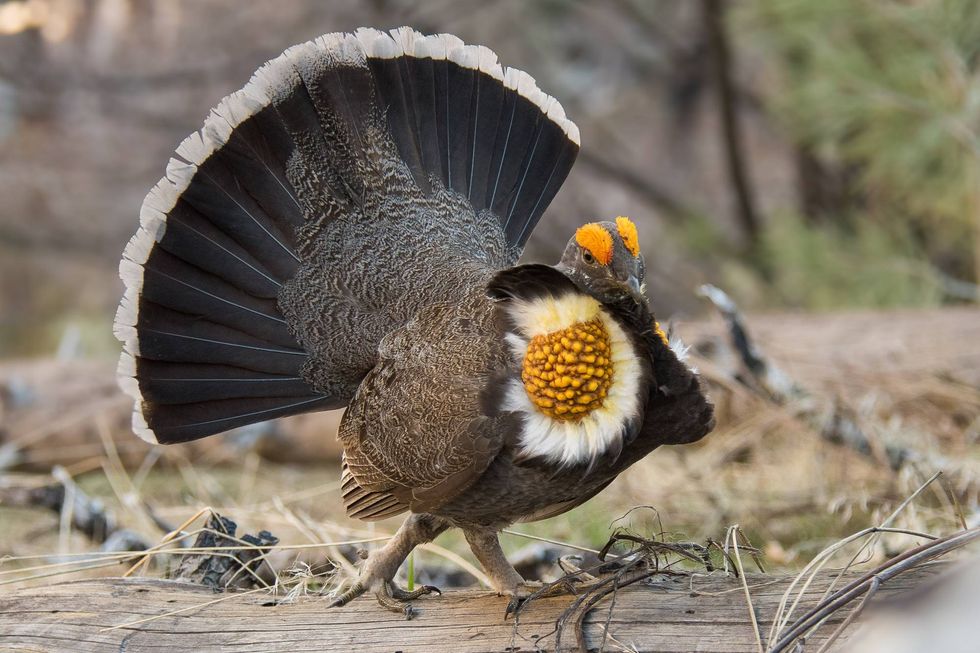 The Center for Biological Diversity petitioned for protecting the Mount Pinos sooty grouse under the Endangered Species Act in June 2024. The US Fish and Wildlife Service announced in January 2026 that it is considering protections. (Photo by James Bland/Center for Biological Diversity)
Noah Greenwald, a study co-author and co-director of endangered species at the Center for Biological Diversity, stressed in a Tuesday statement that "thousands of plants and animals across America are at risk of extinction while they wait for the federal government to do something, anything, to help them."
"This study underscores the cruelty and shortsightedness of the Trump administration's slashing of funding and weakening of protections for endangered species," Greenwald declared. "That so many species need help highlights just how much we're degrading the natural world at our own peril."
"Humans need clean air and water and a stable climate, just like the many species in decline," he added. "People are destroying the wild places where plants and animals live, and that habitat destruction remains the greatest threat to species' survival both in the United States and around the world.”
Habitat destruction threatens 92% of the 2,204 species, according to the analysis. Other notable threats include invasive species (33%), small population size (26%), climate change (18%), altered disturbance regime (12%), disease and predation (8%), over-utilization (7%), and inadequacy of existing regulations (4%).
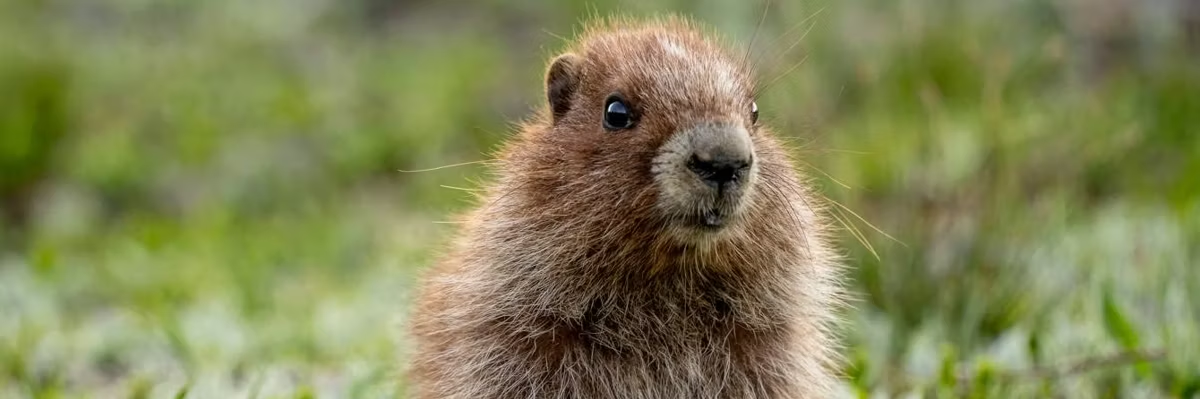
Last week, in response to petitions from the center and other groups, the FWS announced that 10 species across the country—including the Olympic marmot, gray cat's eye plant, Alvord chub fish, Mount Pinos sooty grouse, and San Joaquin tiger beetle—warrant consideration for ESA protections.
"I'm relieved to see these 10 precious plants and animals move closer to the protection they so desperately need," said Greenwald. "Unfortunately they're joining a backlog of hundreds of species waiting for safeguards during an administration that didn't protect a single species last year—the first time that's happened since 1981. As the global extinction crisis deepens, imperiled wildlife need the Endangered Species Act's strong protections now more than ever."
On the heels of publishing a study that shows 2,204 species across the United States should be considered for protection under the Endangered Species Act, the Center for Biological Diversity on Wednesday sued President Donald Trump's administration for failing to release public records about efforts to dismantle the ESA.
"Americans want to live in a country where animals and plants on the brink of extinction get the protections they need to survive. The Trump administration is hiding information about its efforts to gut these protections," said Ryan Shannon, a senior attorney at the nonprofit, in a statement.
"Widespread public support for the Endangered Species Act makes the administration's secrecy around these rules all the more insidious," Shannon continued. "Trump hands out favors to his billionaire friends while ignoring the irreplaceable value of our nation’s endangered wildlife. This lawsuit seeks to bring that corruption out into the open."
Filed in federal court in Washington, DC, the Freedom of Information Act (FOIA) suit could make the departments of Commerce and the Interior, as well as the National Oceanic and Atmospheric Administration, National Marine Fisheries Service, and the US Fish and Wildlife Service (FWS), turn over documents about potential revisions to the ESA proposed in response to orders from Trump and Interior Secretary Doug Burgum.
"Thousands of plants and animals across America are at risk of extinction while they wait for the federal government to do something, anything, to help them."
The complaint warns that if the administration's proposed rules are implemented, they "will dismantle essential protections by, amongst other things, inserting economic considerations into the listing process, curtailing critical habitat designations, prohibiting habitat protections for species threatened by climate change, weakening consultation mandates, and removing nearly all protections for newly designated threatened species."
"On July 3, 2025, the center submitted FOIA requests to each defendant seeking records relating to the development of these proposed rules," the filing details. "The requested records are vital to understanding the basis, rationale, and likely impacts of the agencies' proposed rules. Such information is necessary for meaningful public participation in the rulemaking process."
"Without timely disclosure, the center and its members cannot effectively understand or respond to the agencies' proposed rules, thereby undermining FOIA's core purpose of ensuring government transparency and accountability," the complaint adds, noting that the center sent follow-up requests early last month.
The suit over Trump's "extinction plan" records followed publication of a study in which four experts at the center argued for protecting thousands more species under the landmark 1973 law—which, the analysis notes, "currently protects 1,682 species as endangered or threatened."
"According to the independent scientific organization NatureServe, however, there are more than 10,000 imperiled species in the United States that may need protection," explains the study, published in PeerJ. "One barrier to protecting recognized imperiled species is a lack of threats information."
The center's experts reviewed all species recognized NatureServe as "critically imperiled" or "imperiled" and identified 2,204 species "where there is sufficient threat information to indicate ESA protection may be warranted."
A majority of those species—1,320—are plants, followed by 309 insects, 115 terrestrial snails, 90 freshwater snails, 85 fish, 25 lichen and fungi, 23 reptiles and turtles, 21 amphibians, 14 birds, and various others.
Given that the FWS "has on average listed just 32 species per year since the law was passed," the analysis warns, "at this rate, most species currently recognized as imperiled and facing threats will not receive consideration for protection within any meaningful timeframe."
The Center for Biological Diversity petitioned for protecting the Mount Pinos sooty grouse under the Endangered Species Act in June 2024. The US Fish and Wildlife Service announced in January 2026 that it is considering protections. (Photo by James Bland/Center for Biological Diversity)
Noah Greenwald, a study co-author and co-director of endangered species at the Center for Biological Diversity, stressed in a Tuesday statement that "thousands of plants and animals across America are at risk of extinction while they wait for the federal government to do something, anything, to help them."
"This study underscores the cruelty and shortsightedness of the Trump administration's slashing of funding and weakening of protections for endangered species," Greenwald declared. "That so many species need help highlights just how much we're degrading the natural world at our own peril."
"Humans need clean air and water and a stable climate, just like the many species in decline," he added. "People are destroying the wild places where plants and animals live, and that habitat destruction remains the greatest threat to species' survival both in the United States and around the world.”
Habitat destruction threatens 92% of the 2,204 species, according to the analysis. Other notable threats include invasive species (33%), small population size (26%), climate change (18%), altered disturbance regime (12%), disease and predation (8%), over-utilization (7%), and inadequacy of existing regulations (4%).
Last week, in response to petitions from the center and other groups, the FWS announced that 10 species across the country—including the Olympic marmot, gray cat's eye plant, Alvord chub fish, Mount Pinos sooty grouse, and San Joaquin tiger beetle—warrant consideration for ESA protections.
"I'm relieved to see these 10 precious plants and animals move closer to the protection they so desperately need," said Greenwald. "Unfortunately they're joining a backlog of hundreds of species waiting for safeguards during an administration that didn't protect a single species last year—the first time that's happened since 1981. As the global extinction crisis deepens, imperiled wildlife need the Endangered Species Act's strong protections now more than ever."
On the heels of publishing a study that shows 2,204 species across the United States should be considered for protection under the Endangered Species Act, the Center for Biological Diversity on Wednesday sued President Donald Trump's administration for failing to release public records about efforts to dismantle the ESA.
"Americans want to live in a country where animals and plants on the brink of extinction get the protections they need to survive. The Trump administration is hiding information about its efforts to gut these protections," said Ryan Shannon, a senior attorney at the nonprofit, in a statement.
"Widespread public support for the Endangered Species Act makes the administration's secrecy around these rules all the more insidious," Shannon continued. "Trump hands out favors to his billionaire friends while ignoring the irreplaceable value of our nation’s endangered wildlife. This lawsuit seeks to bring that corruption out into the open."
Filed in federal court in Washington, DC, the Freedom of Information Act (FOIA) suit could make the departments of Commerce and the Interior, as well as the National Oceanic and Atmospheric Administration, National Marine Fisheries Service, and the US Fish and Wildlife Service (FWS), turn over documents about potential revisions to the ESA proposed in response to orders from Trump and Interior Secretary Doug Burgum.
"Thousands of plants and animals across America are at risk of extinction while they wait for the federal government to do something, anything, to help them."
The complaint warns that if the administration's proposed rules are implemented, they "will dismantle essential protections by, amongst other things, inserting economic considerations into the listing process, curtailing critical habitat designations, prohibiting habitat protections for species threatened by climate change, weakening consultation mandates, and removing nearly all protections for newly designated threatened species."
"On July 3, 2025, the center submitted FOIA requests to each defendant seeking records relating to the development of these proposed rules," the filing details. "The requested records are vital to understanding the basis, rationale, and likely impacts of the agencies' proposed rules. Such information is necessary for meaningful public participation in the rulemaking process."
"Without timely disclosure, the center and its members cannot effectively understand or respond to the agencies' proposed rules, thereby undermining FOIA's core purpose of ensuring government transparency and accountability," the complaint adds, noting that the center sent follow-up requests early last month.
The suit over Trump's "extinction plan" records followed publication of a study in which four experts at the center argued for protecting thousands more species under the landmark 1973 law—which, the analysis notes, "currently protects 1,682 species as endangered or threatened."
"According to the independent scientific organization NatureServe, however, there are more than 10,000 imperiled species in the United States that may need protection," explains the study, published in PeerJ. "One barrier to protecting recognized imperiled species is a lack of threats information."
The center's experts reviewed all species recognized NatureServe as "critically imperiled" or "imperiled" and identified 2,204 species "where there is sufficient threat information to indicate ESA protection may be warranted."
A majority of those species—1,320—are plants, followed by 309 insects, 115 terrestrial snails, 90 freshwater snails, 85 fish, 25 lichen and fungi, 23 reptiles and turtles, 21 amphibians, 14 birds, and various others.
Given that the FWS "has on average listed just 32 species per year since the law was passed," the analysis warns, "at this rate, most species currently recognized as imperiled and facing threats will not receive consideration for protection within any meaningful timeframe."
The Center for Biological Diversity petitioned for protecting the Mount Pinos sooty grouse under the Endangered Species Act in June 2024. The US Fish and Wildlife Service announced in January 2026 that it is considering protections. (Photo by James Bland/Center for Biological Diversity)
Noah Greenwald, a study co-author and co-director of endangered species at the Center for Biological Diversity, stressed in a Tuesday statement that "thousands of plants and animals across America are at risk of extinction while they wait for the federal government to do something, anything, to help them."
"This study underscores the cruelty and shortsightedness of the Trump administration's slashing of funding and weakening of protections for endangered species," Greenwald declared. "That so many species need help highlights just how much we're degrading the natural world at our own peril."
"Humans need clean air and water and a stable climate, just like the many species in decline," he added. "People are destroying the wild places where plants and animals live, and that habitat destruction remains the greatest threat to species' survival both in the United States and around the world.”
Habitat destruction threatens 92% of the 2,204 species, according to the analysis. Other notable threats include invasive species (33%), small population size (26%), climate change (18%), altered disturbance regime (12%), disease and predation (8%), over-utilization (7%), and inadequacy of existing regulations (4%).
Last week, in response to petitions from the center and other groups, the FWS announced that 10 species across the country—including the Olympic marmot, gray cat's eye plant, Alvord chub fish, Mount Pinos sooty grouse, and San Joaquin tiger beetle—warrant consideration for ESA protections.
"I'm relieved to see these 10 precious plants and animals move closer to the protection they so desperately need," said Greenwald. "Unfortunately they're joining a backlog of hundreds of species waiting for safeguards during an administration that didn't protect a single species last year—the first time that's happened since 1981. As the global extinction crisis deepens, imperiled wildlife need the Endangered Species Act's strong protections now more than ever."