SUBSCRIBE TO OUR FREE NEWSLETTER
Daily news & progressive opinion—funded by the people, not the corporations—delivered straight to your inbox.
5
#000000
#FFFFFF
To donate by check, phone, or other method, see our More Ways to Give page.
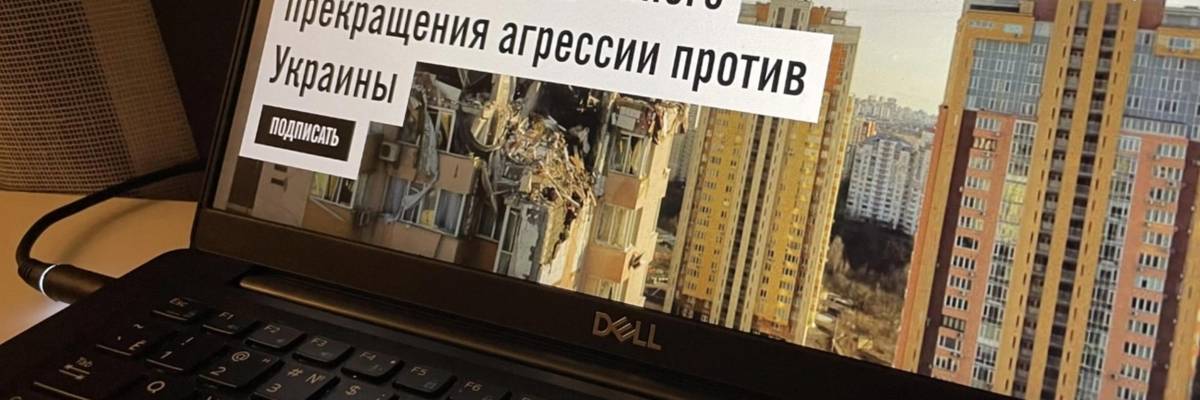
An Amnesty International regional director on Friday accused Russian President Vladimir Putin's government of not being able to "stomach the truth" about atrocities committed during Russia's invasion of Ukraine after authorities in Moscow blocked access to the human rights group's Russian-language website.
"People in Russia have the right to seek, receive, and impart information and ideas of all kinds and from all available sources."
"People in Russia have the right to seek, receive, and impart information and ideas of all kinds and from all available sources," Marie Struthers, Amnesty's Eastern Europe and Central Asia director, said in a statement after the state media regulator, Roskomnadzor, blocked access to the group's Russian webpage.
"By blocking Amnesty's Russian-language site, along with those of many other human rights organizations, independent media outlets, and social media platforms, the Kremlin is showing that it can't stomach the truth about the horror Russia has unleashed in Ukraine."
Moscow's move follows Amnesty's announcement Thursday that it conducted an investigation into March 3 Russian airstrike that killed 47 civilians in Chernihiv and concluded the attack "may constitute a war crime."
Struthers said that blocking Amnesty's website constitutes "the latest attempt by the Russian authorities to suppress information about the possible war crimes its troops are committing in Ukraine and hide them from internet users across the country."
"We call on Russia to immediately unblock Amnesty's Russian-language website," she added, "and allow people to freely decide what sources of information they want to access."
Already exercising strict control over the media prior to the invasion of Ukraine, the Russian government faced international condemnation after it tightened restrictions on what remained of press freedom, effectively criminalizing critical coverage of the war and cutting off access to social media including Facebook and Twitter.
Related Content

According to Denis Kataev, a broadcast journalist at Dozdh, or TV Rain in English--the last remaining independent television channel in the nation--"a law introducing a maximum penalty of 15 years in prison for spreading 'fake news' about the actions of Russian soldiers came into effect on March 4."
"This, in effect, left us with the Russian Defense Ministry as the only remaining legal source of information on the war," he continued in an opinion piece for The Guardian, "and it was still denying any civilian casualties--and reporting very few military losses."
"At the same time, the prosecutor general's office started qualifying any financial or strategic help to Ukrainian residents as treason, punishable by a 20-year prison sentence--absurdly, even an interview with a Ukrainian journalist could theoretically be considered treason now," Kataev added.
On March 3, Dozdh went off the air as its entire staff quit after Roskomnadzor accused the network of "inciting extremism, abusing Russian citizens, causing mass disruption of public calm and safety, and encouraging protests."
"This sounds dramatic, but I believe the era of independent media in Russia has ended," wrote Kataev. "The free press is officially and legally over for now."
An Amnesty International regional director on Friday accused Russian President Vladimir Putin's government of not being able to "stomach the truth" about atrocities committed during Russia's invasion of Ukraine after authorities in Moscow blocked access to the human rights group's Russian-language website.
"People in Russia have the right to seek, receive, and impart information and ideas of all kinds and from all available sources."
"People in Russia have the right to seek, receive, and impart information and ideas of all kinds and from all available sources," Marie Struthers, Amnesty's Eastern Europe and Central Asia director, said in a statement after the state media regulator, Roskomnadzor, blocked access to the group's Russian webpage.
"By blocking Amnesty's Russian-language site, along with those of many other human rights organizations, independent media outlets, and social media platforms, the Kremlin is showing that it can't stomach the truth about the horror Russia has unleashed in Ukraine."
Moscow's move follows Amnesty's announcement Thursday that it conducted an investigation into March 3 Russian airstrike that killed 47 civilians in Chernihiv and concluded the attack "may constitute a war crime."
Struthers said that blocking Amnesty's website constitutes "the latest attempt by the Russian authorities to suppress information about the possible war crimes its troops are committing in Ukraine and hide them from internet users across the country."
"We call on Russia to immediately unblock Amnesty's Russian-language website," she added, "and allow people to freely decide what sources of information they want to access."
Already exercising strict control over the media prior to the invasion of Ukraine, the Russian government faced international condemnation after it tightened restrictions on what remained of press freedom, effectively criminalizing critical coverage of the war and cutting off access to social media including Facebook and Twitter.
Related Content
According to Denis Kataev, a broadcast journalist at Dozdh, or TV Rain in English--the last remaining independent television channel in the nation--"a law introducing a maximum penalty of 15 years in prison for spreading 'fake news' about the actions of Russian soldiers came into effect on March 4."
"This, in effect, left us with the Russian Defense Ministry as the only remaining legal source of information on the war," he continued in an opinion piece for The Guardian, "and it was still denying any civilian casualties--and reporting very few military losses."
"At the same time, the prosecutor general's office started qualifying any financial or strategic help to Ukrainian residents as treason, punishable by a 20-year prison sentence--absurdly, even an interview with a Ukrainian journalist could theoretically be considered treason now," Kataev added.
On March 3, Dozdh went off the air as its entire staff quit after Roskomnadzor accused the network of "inciting extremism, abusing Russian citizens, causing mass disruption of public calm and safety, and encouraging protests."
"This sounds dramatic, but I believe the era of independent media in Russia has ended," wrote Kataev. "The free press is officially and legally over for now."
An Amnesty International regional director on Friday accused Russian President Vladimir Putin's government of not being able to "stomach the truth" about atrocities committed during Russia's invasion of Ukraine after authorities in Moscow blocked access to the human rights group's Russian-language website.
"People in Russia have the right to seek, receive, and impart information and ideas of all kinds and from all available sources."
"People in Russia have the right to seek, receive, and impart information and ideas of all kinds and from all available sources," Marie Struthers, Amnesty's Eastern Europe and Central Asia director, said in a statement after the state media regulator, Roskomnadzor, blocked access to the group's Russian webpage.
"By blocking Amnesty's Russian-language site, along with those of many other human rights organizations, independent media outlets, and social media platforms, the Kremlin is showing that it can't stomach the truth about the horror Russia has unleashed in Ukraine."
Moscow's move follows Amnesty's announcement Thursday that it conducted an investigation into March 3 Russian airstrike that killed 47 civilians in Chernihiv and concluded the attack "may constitute a war crime."
Struthers said that blocking Amnesty's website constitutes "the latest attempt by the Russian authorities to suppress information about the possible war crimes its troops are committing in Ukraine and hide them from internet users across the country."
"We call on Russia to immediately unblock Amnesty's Russian-language website," she added, "and allow people to freely decide what sources of information they want to access."
Already exercising strict control over the media prior to the invasion of Ukraine, the Russian government faced international condemnation after it tightened restrictions on what remained of press freedom, effectively criminalizing critical coverage of the war and cutting off access to social media including Facebook and Twitter.
Related Content
According to Denis Kataev, a broadcast journalist at Dozdh, or TV Rain in English--the last remaining independent television channel in the nation--"a law introducing a maximum penalty of 15 years in prison for spreading 'fake news' about the actions of Russian soldiers came into effect on March 4."
"This, in effect, left us with the Russian Defense Ministry as the only remaining legal source of information on the war," he continued in an opinion piece for The Guardian, "and it was still denying any civilian casualties--and reporting very few military losses."
"At the same time, the prosecutor general's office started qualifying any financial or strategic help to Ukrainian residents as treason, punishable by a 20-year prison sentence--absurdly, even an interview with a Ukrainian journalist could theoretically be considered treason now," Kataev added.
On March 3, Dozdh went off the air as its entire staff quit after Roskomnadzor accused the network of "inciting extremism, abusing Russian citizens, causing mass disruption of public calm and safety, and encouraging protests."
"This sounds dramatic, but I believe the era of independent media in Russia has ended," wrote Kataev. "The free press is officially and legally over for now."