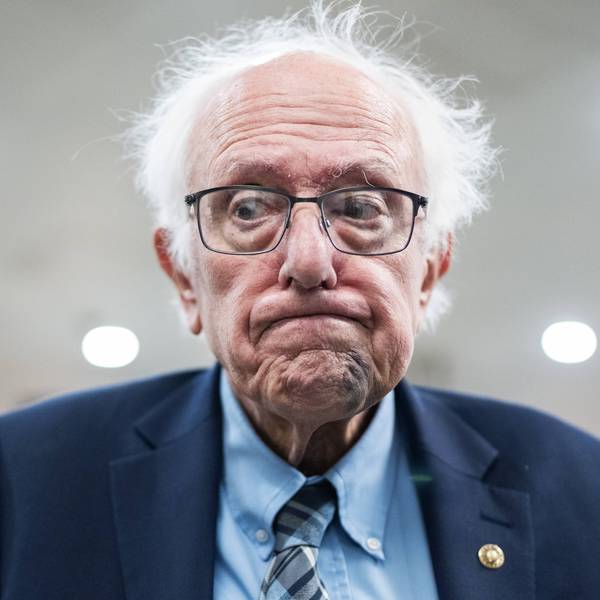


Joe Biden speaking at a campaign event for Hillary Clinton at a September 27, 2016 rally at Drexel University, in Philadelphia, PA. (Photo: Bastiaan Slabbers/NurPhoto via Getty Images)
Critics Denounce Biden's Use of Tragic Family Story to Attack Medicare for All as Both 'Manipulative' and 'Cynical'
"This is easily the cruelest, dirtiest, and most manipulative thing Joe Biden has done so far."
A new ad by former Vice President Joe Biden released Tuesday that uses his personal story of familial loss as an attack line against Medicare for All is being panned by critics as a cynical ploy that obfuscates the similar kind of pain that millions of people could endure under a Biden plan that would leave them un- or under-insured.
Characterizing the commercial--in which Biden recounts losing his first wife and daughter in a 1972 car accident and his son Beau to brain cancer in 2015--as "so manipulative" towards potential voters, writer Natalie Shure said on Twitter that the former vice president was using his life story to swipe at the Medicare for All proposal supported by his top Democratic primary rivals.
"Single payer would equitably support *all* families through their darkest moments," tweeted Shure. "Obamacare doesn't; nor would Biden's plan."
Journalist Chris Person was even harsher on Biden.
"This is easily the cruelest, dirtiest, and most manipulative thing Joe Biden has done so far," said Person, "dangling his son's cancer against the fight for Medicare For All."
Media critic Adam Johnson, in a tweet, called Biden's use of his family tragedy "extremely cynical."
"Again he's equating those pushing Medicare for All with GOP trying to undermine Obamacare by misleading what it means to 'tear it down' BUT this time the added bonus of using images of his dead children!" added Johnson.
The ad wasn't the first time Biden has used his family tragedy to sell his healthcare plan. According to a post on Naked Capitalism, Biden leaned on his personal story during a campaign stop in New Hampshire on August 23, where the former vice president said "passing the ACA was a 'huge step forward' at the time, it extended insurance to 20 million."
Biden's plan would allow people to buy into Medicare, making the government-run system a public option part of the market.
"What's your response to those who wouldn't be better off under your plan?"
--Walker Bragman, journalist
Tuesday's campaign ad is just the latest salvo in the ongoing intraparty battle over healthcare policy, which roughly sets Biden and the Democratic establishment at odds with the party's rising progressive wing.
While Biden and his allies want to preserve a role for the for-profit private insurance industry, Biden's closest 2020 primary challengers, Sens. Bernie Sanders of Vermont and Elizabeth Warren of Massachusetts, both support Medicare for All, which aims to institute a universal, single-payer healthcare system that would result in universal coverage.
In a piece for The New York Times Magazine Tuesday, Robert Draper explained the conflict as the result of a fundamental split in the party.
The debate isn't academic at all. It is in fact at the core of the liberal-versus-pragmatic argument among the Democratic presidential candidates, with the former vice president Biden on one end, flashing his battle scars from the Obamacare fight, and Sanders and Warren on the other, arguing that a populist movement now demands more than minor tweaks to a fundamentally flawed health care system.
That continuing civil war over the party's general future and specifically over its healthcare policy is at the center of the 2020 primary and a major reason that Biden's ad received backlash from progressives. But it's also a matter of fighting for healthcare for many on the left.
"Health care is personal to me," Biden tweeted in an announcement of the ad. "Deeply personal."
In response, journalist Walker Bragman pointed to the deficiencies in Biden's plan and how the proposal would leave Americans on the wayside.
"Your own website acknowledges that your plan isn't universal," said Bragman. "As much as three percent of the population--10 million individuals--would still be left out."
"Your family was fortunate to have had money and care," Bragman continued. "What's your response to those who wouldn't be better off under your plan?"
We are at a crossroads
This country and this world are at a monumental crossroads. In a few short weeks, US voters will have an opportunity to beat back the forces of fascism and confront the billionaires who are rigging the economy, our media system, and our democracy, making it increasingly impossible for ordinary people to get by. We’re not just talking about the election. We’re talking about what must be done once these fascist elements are vanquished from power. We need a bolder set of solutions than what either major party has so far been willing to offer and a working-class movement ready to fight like hell for it. Trump didn't emerge from nowhere. The conditions that fueled MAGA authoritarianism were created by decades of radical neoliberal economic policies and a corrupt political system dominated by corporate interests. They slashed taxes on the super-rich, promising that the benefits would trickle down. They said giveaways to the corporate titans would make life more affordable for the rest of us. It was all bullshit. And when a bitter, betrayed populace searches for someone to blame, right-wing demagogues have little trouble finding scapegoats. People know when they're being lied to, but you won't hear any of this from the corporate media. Only independent journalism—powered and funded by people who believe in building a better world—can deliver truly trustworthy daily news. Our Fall Campaign is underway, and we need your help. To power our newsroom through the rest of the year, we need to raise $125,000 by midnight on October 31. So if you share our vision, please contribute whatever you can to sustain our work. |
A new ad by former Vice President Joe Biden released Tuesday that uses his personal story of familial loss as an attack line against Medicare for All is being panned by critics as a cynical ploy that obfuscates the similar kind of pain that millions of people could endure under a Biden plan that would leave them un- or under-insured.
Characterizing the commercial--in which Biden recounts losing his first wife and daughter in a 1972 car accident and his son Beau to brain cancer in 2015--as "so manipulative" towards potential voters, writer Natalie Shure said on Twitter that the former vice president was using his life story to swipe at the Medicare for All proposal supported by his top Democratic primary rivals.
"Single payer would equitably support *all* families through their darkest moments," tweeted Shure. "Obamacare doesn't; nor would Biden's plan."
Journalist Chris Person was even harsher on Biden.
"This is easily the cruelest, dirtiest, and most manipulative thing Joe Biden has done so far," said Person, "dangling his son's cancer against the fight for Medicare For All."
Media critic Adam Johnson, in a tweet, called Biden's use of his family tragedy "extremely cynical."
"Again he's equating those pushing Medicare for All with GOP trying to undermine Obamacare by misleading what it means to 'tear it down' BUT this time the added bonus of using images of his dead children!" added Johnson.
The ad wasn't the first time Biden has used his family tragedy to sell his healthcare plan. According to a post on Naked Capitalism, Biden leaned on his personal story during a campaign stop in New Hampshire on August 23, where the former vice president said "passing the ACA was a 'huge step forward' at the time, it extended insurance to 20 million."
Biden's plan would allow people to buy into Medicare, making the government-run system a public option part of the market.
"What's your response to those who wouldn't be better off under your plan?"
--Walker Bragman, journalist
Tuesday's campaign ad is just the latest salvo in the ongoing intraparty battle over healthcare policy, which roughly sets Biden and the Democratic establishment at odds with the party's rising progressive wing.
While Biden and his allies want to preserve a role for the for-profit private insurance industry, Biden's closest 2020 primary challengers, Sens. Bernie Sanders of Vermont and Elizabeth Warren of Massachusetts, both support Medicare for All, which aims to institute a universal, single-payer healthcare system that would result in universal coverage.
In a piece for The New York Times Magazine Tuesday, Robert Draper explained the conflict as the result of a fundamental split in the party.
The debate isn't academic at all. It is in fact at the core of the liberal-versus-pragmatic argument among the Democratic presidential candidates, with the former vice president Biden on one end, flashing his battle scars from the Obamacare fight, and Sanders and Warren on the other, arguing that a populist movement now demands more than minor tweaks to a fundamentally flawed health care system.
That continuing civil war over the party's general future and specifically over its healthcare policy is at the center of the 2020 primary and a major reason that Biden's ad received backlash from progressives. But it's also a matter of fighting for healthcare for many on the left.
"Health care is personal to me," Biden tweeted in an announcement of the ad. "Deeply personal."
In response, journalist Walker Bragman pointed to the deficiencies in Biden's plan and how the proposal would leave Americans on the wayside.
"Your own website acknowledges that your plan isn't universal," said Bragman. "As much as three percent of the population--10 million individuals--would still be left out."
"Your family was fortunate to have had money and care," Bragman continued. "What's your response to those who wouldn't be better off under your plan?"
A new ad by former Vice President Joe Biden released Tuesday that uses his personal story of familial loss as an attack line against Medicare for All is being panned by critics as a cynical ploy that obfuscates the similar kind of pain that millions of people could endure under a Biden plan that would leave them un- or under-insured.
Characterizing the commercial--in which Biden recounts losing his first wife and daughter in a 1972 car accident and his son Beau to brain cancer in 2015--as "so manipulative" towards potential voters, writer Natalie Shure said on Twitter that the former vice president was using his life story to swipe at the Medicare for All proposal supported by his top Democratic primary rivals.
"Single payer would equitably support *all* families through their darkest moments," tweeted Shure. "Obamacare doesn't; nor would Biden's plan."
Journalist Chris Person was even harsher on Biden.
"This is easily the cruelest, dirtiest, and most manipulative thing Joe Biden has done so far," said Person, "dangling his son's cancer against the fight for Medicare For All."
Media critic Adam Johnson, in a tweet, called Biden's use of his family tragedy "extremely cynical."
"Again he's equating those pushing Medicare for All with GOP trying to undermine Obamacare by misleading what it means to 'tear it down' BUT this time the added bonus of using images of his dead children!" added Johnson.
The ad wasn't the first time Biden has used his family tragedy to sell his healthcare plan. According to a post on Naked Capitalism, Biden leaned on his personal story during a campaign stop in New Hampshire on August 23, where the former vice president said "passing the ACA was a 'huge step forward' at the time, it extended insurance to 20 million."
Biden's plan would allow people to buy into Medicare, making the government-run system a public option part of the market.
"What's your response to those who wouldn't be better off under your plan?"
--Walker Bragman, journalist
Tuesday's campaign ad is just the latest salvo in the ongoing intraparty battle over healthcare policy, which roughly sets Biden and the Democratic establishment at odds with the party's rising progressive wing.
While Biden and his allies want to preserve a role for the for-profit private insurance industry, Biden's closest 2020 primary challengers, Sens. Bernie Sanders of Vermont and Elizabeth Warren of Massachusetts, both support Medicare for All, which aims to institute a universal, single-payer healthcare system that would result in universal coverage.
In a piece for The New York Times Magazine Tuesday, Robert Draper explained the conflict as the result of a fundamental split in the party.
The debate isn't academic at all. It is in fact at the core of the liberal-versus-pragmatic argument among the Democratic presidential candidates, with the former vice president Biden on one end, flashing his battle scars from the Obamacare fight, and Sanders and Warren on the other, arguing that a populist movement now demands more than minor tweaks to a fundamentally flawed health care system.
That continuing civil war over the party's general future and specifically over its healthcare policy is at the center of the 2020 primary and a major reason that Biden's ad received backlash from progressives. But it's also a matter of fighting for healthcare for many on the left.
"Health care is personal to me," Biden tweeted in an announcement of the ad. "Deeply personal."
In response, journalist Walker Bragman pointed to the deficiencies in Biden's plan and how the proposal would leave Americans on the wayside.
"Your own website acknowledges that your plan isn't universal," said Bragman. "As much as three percent of the population--10 million individuals--would still be left out."
"Your family was fortunate to have had money and care," Bragman continued. "What's your response to those who wouldn't be better off under your plan?"