

SUBSCRIBE TO OUR FREE NEWSLETTER
Daily news & progressive opinion—funded by the people, not the corporations—delivered straight to your inbox.
5
#000000
#FFFFFF
To donate by check, phone, or other method, see our More Ways to Give page.


Daily news & progressive opinion—funded by the people, not the corporations—delivered straight to your inbox.
As the Trump administration brags that Tuesday's executive order to dismantle Obama-era climate regulations will create coal industry jobs, new employment data from the Department of Energy (DoE) demonstrates how misguided that claim is.
Clean energy employs many more Americans than the fossil fuel industry, and economic forecasts show that the trend will continue, according to a Sierra Club analysis published Monday of the DoE's 2017 U.S. Energy and Employment Report (pdf) released earlier this year.
"Clean energy jobs, including those from solar, wind, energy efficiency, smart grid technology, and battery storage, vastly outnumber all fossil fuel jobs nationwide from the coal, oil and gas sectors. That includes jobs in power generation, mining, and other forms of fossil fuel extraction," the Sierra Club observed.
Nationwide, "clean energy jobs outnumber all fossil fuel jobs by over 2.5 to 1; and they outnumber all jobs in coal and gas by 5 to 1," the group wrote.
"Right now, clean energy jobs already overwhelm dirty fuels in nearly every state across America, and that growth is only going to continue as clean energy keeps getting more affordable and accessible by the day," said Sierra Club executive director Michael Brune.
The New York Times also examined the ramifications of President Donald Trump's pending order, which would dismantle former President Barack Obama's Clean Power Plan, and echoed the Sierra Club's findings.
Indeed, the newspaper notes that while more coal plants could remain open as a result of the order, increasing mechanization means that coal miners may still see job loss:
[C]oal miners also should not assume their jobs will return if Trump's regulations take effect.
The new order would mean that older coal plants that had been marked for closings would probably stay open, said Robert W. Godby, an energy economist at the University of Wyoming. That would extend the market demand for coal for up to a decade.
But even so, "the mines that are staying open are using more mechanization," he said. "They're not hiring people."
"So even if we saw an increase in coal production, we could see a decrease in coal jobs," he said.
"The problem with coal jobs has not been CO2 regulations, so this will probably not bring back coal jobs," Godby added. "The problem has been that there has not been market demand for coal."
Coal industry executive Robert Murray, of Murray Energy, apparently agrees. Murray told the Guardian that in a meeting with Trump, the coal boss told the president to temper his expectations.
"He can't bring [coal jobs] back," Murray said.
Mary Anne Hitt, director of the Sierra Club's Beyond Coal campaign, added to the Guardian: "Friends of the coal industry now populate the highest perches of our agencies and they will do their best to unwind clean air and water regulations and we will fight them every step of the way. But even if all their wishes come true, I don't think there will be a big boost to the coal industry."
The Times further cast doubt on Environmental Protection Agency (EPA) head Scott Pruitt's claim that the order would support U.S. energy independence. "We don't import coal," Robert Stavins, an energy economist at Harvard University, told the newspaper. "So in terms of the Clean Power Plan, this has nothing to do with so-called energy independence whatsoever."
"These facts make it clear that Donald Trump is attacking clean energy jobs purely in order to boost the profits of fossil fuel billionaires," charged the Sierra Club's Brune.
"If we truly want to grow our economy, reduce air and water pollution, protect public health and create huge numbers of news jobs for American workers," Brune added, "we must seize the opportunity that is right in front of our eyes: invest more in clean energy including solar, wind, storage and energy efficiency."

Dear Common Dreams reader, It’s been nearly 30 years since I co-founded Common Dreams with my late wife, Lina Newhouser. We had the radical notion that journalism should serve the public good, not corporate profits. It was clear to us from the outset what it would take to build such a project. No paid advertisements. No corporate sponsors. No millionaire publisher telling us what to think or do. Many people said we wouldn't last a year, but we proved those doubters wrong. Together with a tremendous team of journalists and dedicated staff, we built an independent media outlet free from the constraints of profits and corporate control. Our mission has always been simple: To inform. To inspire. To ignite change for the common good. Building Common Dreams was not easy. Our survival was never guaranteed. When you take on the most powerful forces—Wall Street greed, fossil fuel industry destruction, Big Tech lobbyists, and uber-rich oligarchs who have spent billions upon billions rigging the economy and democracy in their favor—the only bulwark you have is supporters who believe in your work. But here’s the urgent message from me today. It's never been this bad out there. And it's never been this hard to keep us going. At the very moment Common Dreams is most needed, the threats we face are intensifying. We need your support now more than ever. We don't accept corporate advertising and never will. We don't have a paywall because we don't think people should be blocked from critical news based on their ability to pay. Everything we do is funded by the donations of readers like you. When everyone does the little they can afford, we are strong. But if that support retreats or dries up, so do we. Will you donate now to make sure Common Dreams not only survives but thrives? —Craig Brown, Co-founder |
As the Trump administration brags that Tuesday's executive order to dismantle Obama-era climate regulations will create coal industry jobs, new employment data from the Department of Energy (DoE) demonstrates how misguided that claim is.
Clean energy employs many more Americans than the fossil fuel industry, and economic forecasts show that the trend will continue, according to a Sierra Club analysis published Monday of the DoE's 2017 U.S. Energy and Employment Report (pdf) released earlier this year.
"Clean energy jobs, including those from solar, wind, energy efficiency, smart grid technology, and battery storage, vastly outnumber all fossil fuel jobs nationwide from the coal, oil and gas sectors. That includes jobs in power generation, mining, and other forms of fossil fuel extraction," the Sierra Club observed.
Nationwide, "clean energy jobs outnumber all fossil fuel jobs by over 2.5 to 1; and they outnumber all jobs in coal and gas by 5 to 1," the group wrote.
"Right now, clean energy jobs already overwhelm dirty fuels in nearly every state across America, and that growth is only going to continue as clean energy keeps getting more affordable and accessible by the day," said Sierra Club executive director Michael Brune.
The New York Times also examined the ramifications of President Donald Trump's pending order, which would dismantle former President Barack Obama's Clean Power Plan, and echoed the Sierra Club's findings.
Indeed, the newspaper notes that while more coal plants could remain open as a result of the order, increasing mechanization means that coal miners may still see job loss:
[C]oal miners also should not assume their jobs will return if Trump's regulations take effect.
The new order would mean that older coal plants that had been marked for closings would probably stay open, said Robert W. Godby, an energy economist at the University of Wyoming. That would extend the market demand for coal for up to a decade.
But even so, "the mines that are staying open are using more mechanization," he said. "They're not hiring people."
"So even if we saw an increase in coal production, we could see a decrease in coal jobs," he said.
"The problem with coal jobs has not been CO2 regulations, so this will probably not bring back coal jobs," Godby added. "The problem has been that there has not been market demand for coal."
Coal industry executive Robert Murray, of Murray Energy, apparently agrees. Murray told the Guardian that in a meeting with Trump, the coal boss told the president to temper his expectations.
"He can't bring [coal jobs] back," Murray said.
Mary Anne Hitt, director of the Sierra Club's Beyond Coal campaign, added to the Guardian: "Friends of the coal industry now populate the highest perches of our agencies and they will do their best to unwind clean air and water regulations and we will fight them every step of the way. But even if all their wishes come true, I don't think there will be a big boost to the coal industry."
The Times further cast doubt on Environmental Protection Agency (EPA) head Scott Pruitt's claim that the order would support U.S. energy independence. "We don't import coal," Robert Stavins, an energy economist at Harvard University, told the newspaper. "So in terms of the Clean Power Plan, this has nothing to do with so-called energy independence whatsoever."
"These facts make it clear that Donald Trump is attacking clean energy jobs purely in order to boost the profits of fossil fuel billionaires," charged the Sierra Club's Brune.
"If we truly want to grow our economy, reduce air and water pollution, protect public health and create huge numbers of news jobs for American workers," Brune added, "we must seize the opportunity that is right in front of our eyes: invest more in clean energy including solar, wind, storage and energy efficiency."
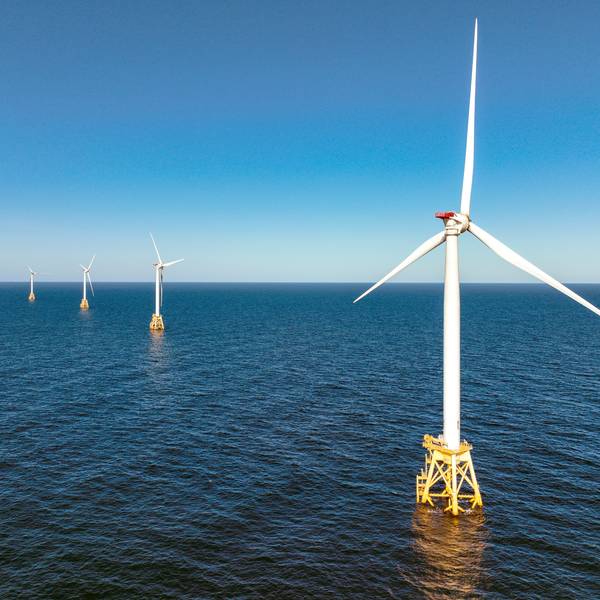
As the Trump administration brags that Tuesday's executive order to dismantle Obama-era climate regulations will create coal industry jobs, new employment data from the Department of Energy (DoE) demonstrates how misguided that claim is.
Clean energy employs many more Americans than the fossil fuel industry, and economic forecasts show that the trend will continue, according to a Sierra Club analysis published Monday of the DoE's 2017 U.S. Energy and Employment Report (pdf) released earlier this year.
"Clean energy jobs, including those from solar, wind, energy efficiency, smart grid technology, and battery storage, vastly outnumber all fossil fuel jobs nationwide from the coal, oil and gas sectors. That includes jobs in power generation, mining, and other forms of fossil fuel extraction," the Sierra Club observed.
Nationwide, "clean energy jobs outnumber all fossil fuel jobs by over 2.5 to 1; and they outnumber all jobs in coal and gas by 5 to 1," the group wrote.
"Right now, clean energy jobs already overwhelm dirty fuels in nearly every state across America, and that growth is only going to continue as clean energy keeps getting more affordable and accessible by the day," said Sierra Club executive director Michael Brune.
The New York Times also examined the ramifications of President Donald Trump's pending order, which would dismantle former President Barack Obama's Clean Power Plan, and echoed the Sierra Club's findings.
Indeed, the newspaper notes that while more coal plants could remain open as a result of the order, increasing mechanization means that coal miners may still see job loss:
[C]oal miners also should not assume their jobs will return if Trump's regulations take effect.
The new order would mean that older coal plants that had been marked for closings would probably stay open, said Robert W. Godby, an energy economist at the University of Wyoming. That would extend the market demand for coal for up to a decade.
But even so, "the mines that are staying open are using more mechanization," he said. "They're not hiring people."
"So even if we saw an increase in coal production, we could see a decrease in coal jobs," he said.
"The problem with coal jobs has not been CO2 regulations, so this will probably not bring back coal jobs," Godby added. "The problem has been that there has not been market demand for coal."
Coal industry executive Robert Murray, of Murray Energy, apparently agrees. Murray told the Guardian that in a meeting with Trump, the coal boss told the president to temper his expectations.
"He can't bring [coal jobs] back," Murray said.
Mary Anne Hitt, director of the Sierra Club's Beyond Coal campaign, added to the Guardian: "Friends of the coal industry now populate the highest perches of our agencies and they will do their best to unwind clean air and water regulations and we will fight them every step of the way. But even if all their wishes come true, I don't think there will be a big boost to the coal industry."
The Times further cast doubt on Environmental Protection Agency (EPA) head Scott Pruitt's claim that the order would support U.S. energy independence. "We don't import coal," Robert Stavins, an energy economist at Harvard University, told the newspaper. "So in terms of the Clean Power Plan, this has nothing to do with so-called energy independence whatsoever."
"These facts make it clear that Donald Trump is attacking clean energy jobs purely in order to boost the profits of fossil fuel billionaires," charged the Sierra Club's Brune.
"If we truly want to grow our economy, reduce air and water pollution, protect public health and create huge numbers of news jobs for American workers," Brune added, "we must seize the opportunity that is right in front of our eyes: invest more in clean energy including solar, wind, storage and energy efficiency."