SUBSCRIBE TO OUR FREE NEWSLETTER
Daily news & progressive opinion—funded by the people, not the corporations—delivered straight to your inbox.
5
#000000
#FFFFFF
To donate by check, phone, or other method, see our More Ways to Give page.
Daily news & progressive opinion—funded by the people, not the corporations—delivered straight to your inbox.
With the pending confirmation of Supreme Court nominee Neil Gorsuch shaping up to be a referendum on the role of money in politics, a new study published on Tuesday highlights the actual impact of campaign finance rulings on the 2016 election.
Published by public policy organization Demos, Court Cash: 2016 Election Money Resulting Directly from Supreme Court Rulings quantifies for the first time the direct impact of the Supreme Court's four most significant money-in-politics cases, using the highly competitive presidential race, as well as the 22 congressional races won by 5 percentage points or fewer, as the study's focal point.
According to the report, the Supreme Court's rulings in Buckley v. Valeo (1976), Colorado Republican Federal Campaign Committee v. FEC (1996)and Citizens United v. FEC (2010) led to more than $1.3 billion in spending on the 2016 presidential election, which is equivalent to 49 percent of the total cost.
The same rulings led to 77 percent, or $649 million, of spending in competitive congressional races.
"In addition," the study notes, "2014's McCutcheon v. FEC allowed 1724 wealthy donors to contribute $274 million in 'McCutcheon Money' in 2016--money that went beyond what would have been permitted by the previous 'aggregate' contribution limit. The average contribution from these elite donors was more than five times the median annual household income in the U.S."
Lead author Adam Lioz, counsel with Demos' Policy and Outreach, wrote Tuesday that the study "demonstrates the profound impact of four decades of flawed Supreme Court rulings on the role of money in American politics."
"By striking basic protections against big money dominating our elections," he continued, "the Supreme Court has shifted the balance of power towards the wealthy and special interests and away from ordinary Americans."
The study is especially timely as it comes just days before the U.S. Senate begins confirmation hearings for President Donald Trump's Supreme Court nominee. Opponents are raising alarm over Gorsuch's "troubling money-in-politics record," as more than 120 groups warned in letter to members of the Senate Judiciary Committee on Tuesday.
Writing for Salon on Tuesday, Lioz along with report co-authors Sean McElwee and Juhem Navarro-Rivera explained how, taken together, "these decisions quite literally transformed the American political system."
They wrote:
In the Buckley case, the Supreme Court addressed Congress' post-Watergate reforms, dramatically changing the legal landscape surrounding money in politics. The Court upheld contribution limits (money given to candidates), disclosure requirements, and a system providing public funding for presidential candidates, but struck down several key protections against big money: limits on self-funding, spending by candidates and independent expenditures on behalf of candidates.
Twenty years later, the court built upon that decision in Colorado Republican I, which eliminated limits on party expenditures for or against candidates. Most infamously, in 2010's Citizens United, the court allowed corporations to spend directly on elections. Another result of that case (through a D.C. Circuit Court opinion that closely followed its logic) was the rise of Super PACs -- political action committees that do not make direct contributions to candidates or parties but can accept unlimited contributions from corporations, unions and wealthy individuals, and spend unlimited money flooding our airwaves with ads favoring or opposing candidates. More recently, in McCutcheon, the court struck down the aggregate limits on how much wealthy individuals could give to all federal candidates, parties and PACs combined.
Highlighting previous Demos research, the authors further note that large donors are "disproportionately wealthy, white, male and conservative," and are generally "more supportive of domestic spending cuts, more likely to oppose taking action to mitigate climate change and less supportive of the Affordable Care Act."
Thus, they observe that "[t]he Supreme Court's decisions have empowered wealthy, white conservative men, distorting democracy."
Dear Common Dreams reader, It’s been nearly 30 years since I co-founded Common Dreams with my late wife, Lina Newhouser. We had the radical notion that journalism should serve the public good, not corporate profits. It was clear to us from the outset what it would take to build such a project. No paid advertisements. No corporate sponsors. No millionaire publisher telling us what to think or do. Many people said we wouldn't last a year, but we proved those doubters wrong. Together with a tremendous team of journalists and dedicated staff, we built an independent media outlet free from the constraints of profits and corporate control. Our mission has always been simple: To inform. To inspire. To ignite change for the common good. Building Common Dreams was not easy. Our survival was never guaranteed. When you take on the most powerful forces—Wall Street greed, fossil fuel industry destruction, Big Tech lobbyists, and uber-rich oligarchs who have spent billions upon billions rigging the economy and democracy in their favor—the only bulwark you have is supporters who believe in your work. But here’s the urgent message from me today. It's never been this bad out there. And it's never been this hard to keep us going. At the very moment Common Dreams is most needed, the threats we face are intensifying. We need your support now more than ever. We don't accept corporate advertising and never will. We don't have a paywall because we don't think people should be blocked from critical news based on their ability to pay. Everything we do is funded by the donations of readers like you. When everyone does the little they can afford, we are strong. But if that support retreats or dries up, so do we. Will you donate now to make sure Common Dreams not only survives but thrives? —Craig Brown, Co-founder |
With the pending confirmation of Supreme Court nominee Neil Gorsuch shaping up to be a referendum on the role of money in politics, a new study published on Tuesday highlights the actual impact of campaign finance rulings on the 2016 election.
Published by public policy organization Demos, Court Cash: 2016 Election Money Resulting Directly from Supreme Court Rulings quantifies for the first time the direct impact of the Supreme Court's four most significant money-in-politics cases, using the highly competitive presidential race, as well as the 22 congressional races won by 5 percentage points or fewer, as the study's focal point.
According to the report, the Supreme Court's rulings in Buckley v. Valeo (1976), Colorado Republican Federal Campaign Committee v. FEC (1996)and Citizens United v. FEC (2010) led to more than $1.3 billion in spending on the 2016 presidential election, which is equivalent to 49 percent of the total cost.
The same rulings led to 77 percent, or $649 million, of spending in competitive congressional races.
"In addition," the study notes, "2014's McCutcheon v. FEC allowed 1724 wealthy donors to contribute $274 million in 'McCutcheon Money' in 2016--money that went beyond what would have been permitted by the previous 'aggregate' contribution limit. The average contribution from these elite donors was more than five times the median annual household income in the U.S."
Lead author Adam Lioz, counsel with Demos' Policy and Outreach, wrote Tuesday that the study "demonstrates the profound impact of four decades of flawed Supreme Court rulings on the role of money in American politics."
"By striking basic protections against big money dominating our elections," he continued, "the Supreme Court has shifted the balance of power towards the wealthy and special interests and away from ordinary Americans."
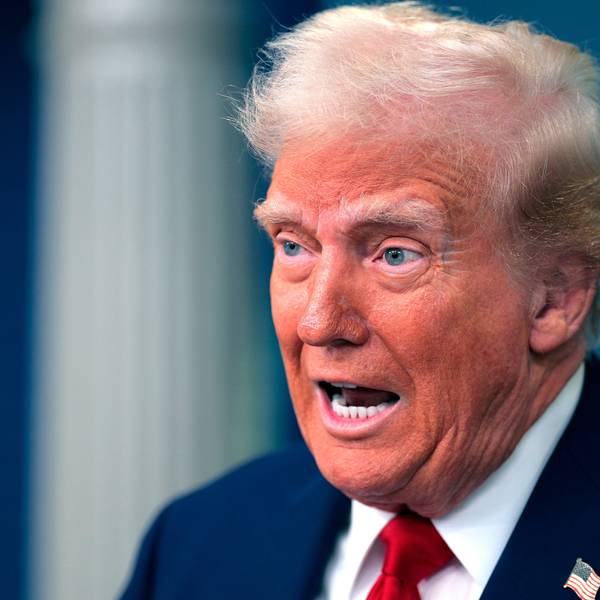
The study is especially timely as it comes just days before the U.S. Senate begins confirmation hearings for President Donald Trump's Supreme Court nominee. Opponents are raising alarm over Gorsuch's "troubling money-in-politics record," as more than 120 groups warned in letter to members of the Senate Judiciary Committee on Tuesday.
Writing for Salon on Tuesday, Lioz along with report co-authors Sean McElwee and Juhem Navarro-Rivera explained how, taken together, "these decisions quite literally transformed the American political system."
They wrote:
In the Buckley case, the Supreme Court addressed Congress' post-Watergate reforms, dramatically changing the legal landscape surrounding money in politics. The Court upheld contribution limits (money given to candidates), disclosure requirements, and a system providing public funding for presidential candidates, but struck down several key protections against big money: limits on self-funding, spending by candidates and independent expenditures on behalf of candidates.
Twenty years later, the court built upon that decision in Colorado Republican I, which eliminated limits on party expenditures for or against candidates. Most infamously, in 2010's Citizens United, the court allowed corporations to spend directly on elections. Another result of that case (through a D.C. Circuit Court opinion that closely followed its logic) was the rise of Super PACs -- political action committees that do not make direct contributions to candidates or parties but can accept unlimited contributions from corporations, unions and wealthy individuals, and spend unlimited money flooding our airwaves with ads favoring or opposing candidates. More recently, in McCutcheon, the court struck down the aggregate limits on how much wealthy individuals could give to all federal candidates, parties and PACs combined.
Highlighting previous Demos research, the authors further note that large donors are "disproportionately wealthy, white, male and conservative," and are generally "more supportive of domestic spending cuts, more likely to oppose taking action to mitigate climate change and less supportive of the Affordable Care Act."
Thus, they observe that "[t]he Supreme Court's decisions have empowered wealthy, white conservative men, distorting democracy."
With the pending confirmation of Supreme Court nominee Neil Gorsuch shaping up to be a referendum on the role of money in politics, a new study published on Tuesday highlights the actual impact of campaign finance rulings on the 2016 election.
Published by public policy organization Demos, Court Cash: 2016 Election Money Resulting Directly from Supreme Court Rulings quantifies for the first time the direct impact of the Supreme Court's four most significant money-in-politics cases, using the highly competitive presidential race, as well as the 22 congressional races won by 5 percentage points or fewer, as the study's focal point.
According to the report, the Supreme Court's rulings in Buckley v. Valeo (1976), Colorado Republican Federal Campaign Committee v. FEC (1996)and Citizens United v. FEC (2010) led to more than $1.3 billion in spending on the 2016 presidential election, which is equivalent to 49 percent of the total cost.
The same rulings led to 77 percent, or $649 million, of spending in competitive congressional races.
"In addition," the study notes, "2014's McCutcheon v. FEC allowed 1724 wealthy donors to contribute $274 million in 'McCutcheon Money' in 2016--money that went beyond what would have been permitted by the previous 'aggregate' contribution limit. The average contribution from these elite donors was more than five times the median annual household income in the U.S."
Lead author Adam Lioz, counsel with Demos' Policy and Outreach, wrote Tuesday that the study "demonstrates the profound impact of four decades of flawed Supreme Court rulings on the role of money in American politics."
"By striking basic protections against big money dominating our elections," he continued, "the Supreme Court has shifted the balance of power towards the wealthy and special interests and away from ordinary Americans."
The study is especially timely as it comes just days before the U.S. Senate begins confirmation hearings for President Donald Trump's Supreme Court nominee. Opponents are raising alarm over Gorsuch's "troubling money-in-politics record," as more than 120 groups warned in letter to members of the Senate Judiciary Committee on Tuesday.
Writing for Salon on Tuesday, Lioz along with report co-authors Sean McElwee and Juhem Navarro-Rivera explained how, taken together, "these decisions quite literally transformed the American political system."
They wrote:
In the Buckley case, the Supreme Court addressed Congress' post-Watergate reforms, dramatically changing the legal landscape surrounding money in politics. The Court upheld contribution limits (money given to candidates), disclosure requirements, and a system providing public funding for presidential candidates, but struck down several key protections against big money: limits on self-funding, spending by candidates and independent expenditures on behalf of candidates.
Twenty years later, the court built upon that decision in Colorado Republican I, which eliminated limits on party expenditures for or against candidates. Most infamously, in 2010's Citizens United, the court allowed corporations to spend directly on elections. Another result of that case (through a D.C. Circuit Court opinion that closely followed its logic) was the rise of Super PACs -- political action committees that do not make direct contributions to candidates or parties but can accept unlimited contributions from corporations, unions and wealthy individuals, and spend unlimited money flooding our airwaves with ads favoring or opposing candidates. More recently, in McCutcheon, the court struck down the aggregate limits on how much wealthy individuals could give to all federal candidates, parties and PACs combined.
Highlighting previous Demos research, the authors further note that large donors are "disproportionately wealthy, white, male and conservative," and are generally "more supportive of domestic spending cuts, more likely to oppose taking action to mitigate climate change and less supportive of the Affordable Care Act."
Thus, they observe that "[t]he Supreme Court's decisions have empowered wealthy, white conservative men, distorting democracy."