Leaked 'John Doe' Docs Offer Stark Look at Post-Citizens United Landscape
Exposé speaks to 'mounting sense of public unease about the cozy relationship between politicians and big business,' writes the Guardian
"Corporations. Go heavy after them to give."
Such was the advice given to Wisconsin Gov. Scott Walker--conservative darling and failed Republican presidential candidate--by a top fundraiser in September 2011, as he faced a recall effort after pushing controversial anti-union legislation. The counsel, which Walker seemingly followed (to lucrative ends), was uncovered in a batch of 1,500 pages of leaked documents obtained by the Guardian and published in their entirety for the first time on Wednesday.
And it encapsulates, as Guardian journalist Ed Pilkington wrote, "how modern U.S. elections operate in the wake of Citizens United, the 2010 U.S. Supreme Court ruling that unleashed a flood of corporate money into the political process."
The newly published files, which comprise evidence gathered by official prosecutors in Wisconsin who were investigating alleged campaign finance violations by Walker's campaign and its network, "speak to the mounting sense of public unease about the cozy relationship between politicians and big business, and to the frustration of millions of Americans who feel disenfranchised by an electoral system that put the needs of corporate donors before ordinary voters."
Indeed, columnist Lucia Graves wrote in a separate op-ed on Wednesday, "The contents are both depressingly predictable and outrageous."
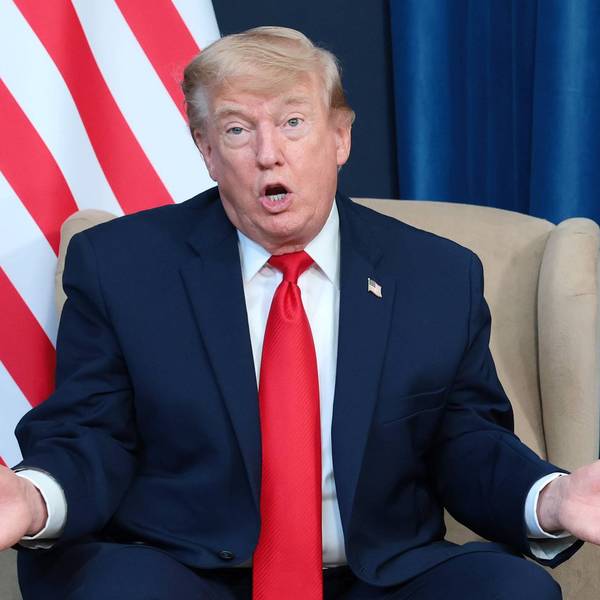
Stemming from the so-called "John Doe investigation" into Walker's suspected campaign finance improprieties, the emails "involve conversations concerning Walker, his top aides, conservative lobbyists, and leading Republican figures such as Karl Rove and the chair of the Republican National Committee, Reince Priebus," the Guardian reports. Republican presidential nominee Donald Trump, too, makes an appearance.
They almost didn't see the light of day, Pilkington notes: "These are the documents that some of the most powerful judges in the country tried to stop the public from ever seeing."
The Wisconsin Supreme Court halted the John Doe investigation last year, and now it's up to the U.S. Supreme Court to decide whether to intervene in the case. It will do so later this month.
The Guardian reports:
The nation's highest court has been asked to take the prosecutors' petition by an alliance of campaign-finance monitoring groups, the Center for Media and Democracy, the Brennan Center, and Common Cause.
In their petition, the prosecutors ask the U.S. Supreme Court justices to consider whether Wisconsin's top judicial panel was truly objective in reaching its decision to shut them down. "Is the state as a litigant in an adversary proceeding entitled to a hearing before a panel of impartial justices, free of bias?," the prosecutors ask.
If the nation's highest court refuses to hear the case, says Center for Media and Democracy deputy director Mary Bottari, the negative impacts and national implications would be enormous.
"If the U.S. Supreme Court doesn't put a check on this kind of dark money shell game," Bottari warned in an interview with Common Dreams, "citizens will never know who's bankrolling their politicians or who's calling in the special favors."
What the evidence in this case exposes, she continued, "is where the universe is headed if we allow this dark money situation to continue."
Read the full Guardian investigation here.
An Urgent Message From Our Co-Founder
Dear Common Dreams reader, It’s been nearly 30 years since I co-founded Common Dreams with my late wife, Lina Newhouser. We had the radical notion that journalism should serve the public good, not corporate profits. It was clear to us from the outset what it would take to build such a project. No paid advertisements. No corporate sponsors. No millionaire publisher telling us what to think or do. Many people said we wouldn't last a year, but we proved those doubters wrong. Together with a tremendous team of journalists and dedicated staff, we built an independent media outlet free from the constraints of profits and corporate control. Our mission has always been simple: To inform. To inspire. To ignite change for the common good. Building Common Dreams was not easy. Our survival was never guaranteed. When you take on the most powerful forces—Wall Street greed, fossil fuel industry destruction, Big Tech lobbyists, and uber-rich oligarchs who have spent billions upon billions rigging the economy and democracy in their favor—the only bulwark you have is supporters who believe in your work. But here’s the urgent message from me today. It's never been this bad out there. And it's never been this hard to keep us going. At the very moment Common Dreams is most needed, the threats we face are intensifying. We need your support now more than ever. We don't accept corporate advertising and never will. We don't have a paywall because we don't think people should be blocked from critical news based on their ability to pay. Everything we do is funded by the donations of readers like you. When everyone does the little they can afford, we are strong. But if that support retreats or dries up, so do we. Will you donate now to make sure Common Dreams not only survives but thrives? —Craig Brown, Co-founder |
"Corporations. Go heavy after them to give."
Such was the advice given to Wisconsin Gov. Scott Walker--conservative darling and failed Republican presidential candidate--by a top fundraiser in September 2011, as he faced a recall effort after pushing controversial anti-union legislation. The counsel, which Walker seemingly followed (to lucrative ends), was uncovered in a batch of 1,500 pages of leaked documents obtained by the Guardian and published in their entirety for the first time on Wednesday.
And it encapsulates, as Guardian journalist Ed Pilkington wrote, "how modern U.S. elections operate in the wake of Citizens United, the 2010 U.S. Supreme Court ruling that unleashed a flood of corporate money into the political process."
The newly published files, which comprise evidence gathered by official prosecutors in Wisconsin who were investigating alleged campaign finance violations by Walker's campaign and its network, "speak to the mounting sense of public unease about the cozy relationship between politicians and big business, and to the frustration of millions of Americans who feel disenfranchised by an electoral system that put the needs of corporate donors before ordinary voters."
Indeed, columnist Lucia Graves wrote in a separate op-ed on Wednesday, "The contents are both depressingly predictable and outrageous."
Stemming from the so-called "John Doe investigation" into Walker's suspected campaign finance improprieties, the emails "involve conversations concerning Walker, his top aides, conservative lobbyists, and leading Republican figures such as Karl Rove and the chair of the Republican National Committee, Reince Priebus," the Guardian reports. Republican presidential nominee Donald Trump, too, makes an appearance.
They almost didn't see the light of day, Pilkington notes: "These are the documents that some of the most powerful judges in the country tried to stop the public from ever seeing."
The Wisconsin Supreme Court halted the John Doe investigation last year, and now it's up to the U.S. Supreme Court to decide whether to intervene in the case. It will do so later this month.
The Guardian reports:
The nation's highest court has been asked to take the prosecutors' petition by an alliance of campaign-finance monitoring groups, the Center for Media and Democracy, the Brennan Center, and Common Cause.
In their petition, the prosecutors ask the U.S. Supreme Court justices to consider whether Wisconsin's top judicial panel was truly objective in reaching its decision to shut them down. "Is the state as a litigant in an adversary proceeding entitled to a hearing before a panel of impartial justices, free of bias?," the prosecutors ask.
If the nation's highest court refuses to hear the case, says Center for Media and Democracy deputy director Mary Bottari, the negative impacts and national implications would be enormous.
"If the U.S. Supreme Court doesn't put a check on this kind of dark money shell game," Bottari warned in an interview with Common Dreams, "citizens will never know who's bankrolling their politicians or who's calling in the special favors."
What the evidence in this case exposes, she continued, "is where the universe is headed if we allow this dark money situation to continue."
Read the full Guardian investigation here.
"Corporations. Go heavy after them to give."
Such was the advice given to Wisconsin Gov. Scott Walker--conservative darling and failed Republican presidential candidate--by a top fundraiser in September 2011, as he faced a recall effort after pushing controversial anti-union legislation. The counsel, which Walker seemingly followed (to lucrative ends), was uncovered in a batch of 1,500 pages of leaked documents obtained by the Guardian and published in their entirety for the first time on Wednesday.
And it encapsulates, as Guardian journalist Ed Pilkington wrote, "how modern U.S. elections operate in the wake of Citizens United, the 2010 U.S. Supreme Court ruling that unleashed a flood of corporate money into the political process."
The newly published files, which comprise evidence gathered by official prosecutors in Wisconsin who were investigating alleged campaign finance violations by Walker's campaign and its network, "speak to the mounting sense of public unease about the cozy relationship between politicians and big business, and to the frustration of millions of Americans who feel disenfranchised by an electoral system that put the needs of corporate donors before ordinary voters."
Indeed, columnist Lucia Graves wrote in a separate op-ed on Wednesday, "The contents are both depressingly predictable and outrageous."
Stemming from the so-called "John Doe investigation" into Walker's suspected campaign finance improprieties, the emails "involve conversations concerning Walker, his top aides, conservative lobbyists, and leading Republican figures such as Karl Rove and the chair of the Republican National Committee, Reince Priebus," the Guardian reports. Republican presidential nominee Donald Trump, too, makes an appearance.
They almost didn't see the light of day, Pilkington notes: "These are the documents that some of the most powerful judges in the country tried to stop the public from ever seeing."
The Wisconsin Supreme Court halted the John Doe investigation last year, and now it's up to the U.S. Supreme Court to decide whether to intervene in the case. It will do so later this month.
The Guardian reports:
The nation's highest court has been asked to take the prosecutors' petition by an alliance of campaign-finance monitoring groups, the Center for Media and Democracy, the Brennan Center, and Common Cause.
In their petition, the prosecutors ask the U.S. Supreme Court justices to consider whether Wisconsin's top judicial panel was truly objective in reaching its decision to shut them down. "Is the state as a litigant in an adversary proceeding entitled to a hearing before a panel of impartial justices, free of bias?," the prosecutors ask.
If the nation's highest court refuses to hear the case, says Center for Media and Democracy deputy director Mary Bottari, the negative impacts and national implications would be enormous.
"If the U.S. Supreme Court doesn't put a check on this kind of dark money shell game," Bottari warned in an interview with Common Dreams, "citizens will never know who's bankrolling their politicians or who's calling in the special favors."
What the evidence in this case exposes, she continued, "is where the universe is headed if we allow this dark money situation to continue."
Read the full Guardian investigation here.