SUBSCRIBE TO OUR FREE NEWSLETTER
Daily news & progressive opinion—funded by the people, not the corporations—delivered straight to your inbox.
5
#000000
#FFFFFF
To donate by check, phone, or other method, see our More Ways to Give page.
Daily news & progressive opinion—funded by the people, not the corporations—delivered straight to your inbox.
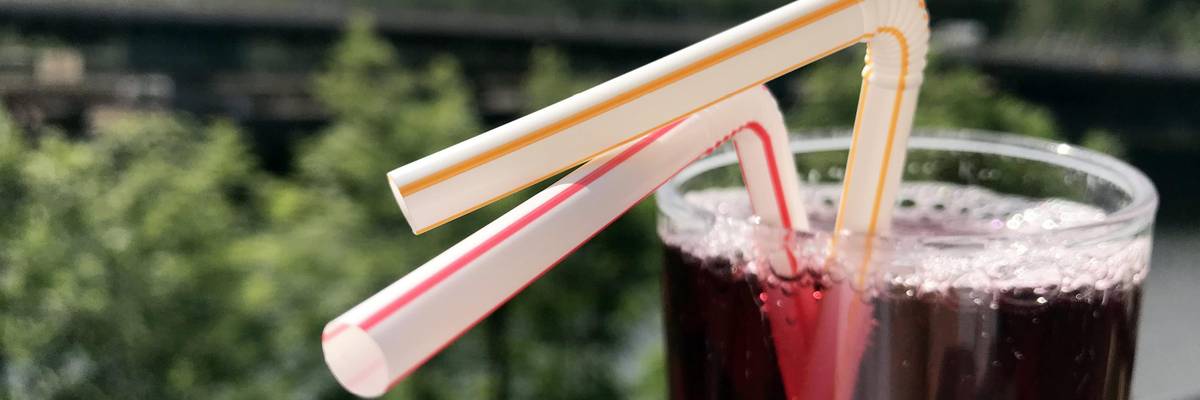
"The best way environmentalists and plastic-free activists can help is to advocate for nondiscriminatory policies and the manufacturing of environmentally friendly products that are disability-friendly." (Photo: Chemist 4 U/Flickr/cc)
It might seem surprising to many that plastics have provided a measure of freedom for many disabled individuals. During the "great plastic straw debate" in the late 2010s, many disabled activists took to social media to raise awareness about how straws were essential to us being able to live independently.
Many disabled people want to live plastic-free. However, doing so can be an insurmountable task for them.
The straw provides the ability to drink freely, especially for those with limited movement. To many in disabled communities, the straw bans represented another instance that left us asking that our basic human dignity be honored. They also provided a microcosm of how movements do not include the disabled perspective. Drinking with straws was posed as an evil to the environment to be avoided lest people try to shame you. But shame shouldn't be an issue for a tool that can be the difference between being able or unable to drink at all. Often, disabled people are relegated to having a nondisabled person determine what we need.
Even before plastic straw bans, there have been instances in which the debate around personal use of plastics has been detrimental to disabled individuals. Several years ago, people on social media mocked Whole Foods when it began selling individually wrapped peeled oranges, adding captions like, "Who is so lazy that they cannot peel their own oranges?" Of course, because of ableism, none of them considered the fact that there are disabled people who cannot peel an orange, and that pre-peeled food provided access they'd never had before. Additionally, for those who are blind or have low vision, where cooking on the stove top can be potentially dangerous, prepped snacks or meals and yes, even, microwaved meals, can be the only means of access to good food, albeit prepackaged in plastic.
Furthermore, for many disabled people, plastics can touch the most intimate parts of our lives; they can be the difference between nutrition and malnutrition, safety and danger.
Many disabled people want to live plastic-free. However, doing so can be an insurmountable task for them. It's not just plastic straws that provide freedom, but plastics in general have made life easier in other ways. As someone with a spinal cord injury, I use a lot of plastic for my everyday care. I was curious if ecofriendly options were available, so I began researching green products for such simple things as catheterization, the technique where a thin tube is inserted into the urethra so that you can relieve your bladder. The results were depressing at best. Latex is a common green alternative, however many disabled people, such as myself, are allergic. Not finding any good solutions, I began asking those who became paralyzed prior to the 1970s what they used; they said they used a metal tube to catheterize themselves. Ouch! Not having access to these plastic supplies is limiting at best and harmful at worst: using nothing, or reusing single-use supplies, putting oneself at an increased risk of infections and bed sores.
Overall, shaming and putting the onus of recycling and reducing the usage of plastics on the individual, especially for those who cannot avoid using plastics, puts an unfair burden on disabled individuals. Using single-use silicone catheters (which are made with plastic material) reduces my chances of getting a deadly urinary tract infection. Yes, throwing that plastic away hurts the environment, but in order to protect my body and health, I don't really have a choice. Recycling and manufacturing "green" medical supplies seems not to be an issue for environmentalists.
But it should be.
The best way environmentalists and plastic-free activists can help is to advocate for nondiscriminatory policies and the manufacturing of environmentally friendly products that are disability-friendly. This intersectional approach can address the systemic equities and inequality, including healthcare coverage, which determines the quality of health disabled (and nondisabled) people can receive; it's not just a matter of who is impacted by policies around plastics, but what other systems need to change that also impact choice. We all have to reimagine what a green world with disability justice at the center looks like, then create such a world.
At the end of the day, disabled people want the same kind of access as anybody else without having to constantly fight to have our humanity and needs recognized. That is true freedom.
In the meantime, we have our plastics.
Dear Common Dreams reader, It’s been nearly 30 years since I co-founded Common Dreams with my late wife, Lina Newhouser. We had the radical notion that journalism should serve the public good, not corporate profits. It was clear to us from the outset what it would take to build such a project. No paid advertisements. No corporate sponsors. No millionaire publisher telling us what to think or do. Many people said we wouldn't last a year, but we proved those doubters wrong. Together with a tremendous team of journalists and dedicated staff, we built an independent media outlet free from the constraints of profits and corporate control. Our mission has always been simple: To inform. To inspire. To ignite change for the common good. Building Common Dreams was not easy. Our survival was never guaranteed. When you take on the most powerful forces—Wall Street greed, fossil fuel industry destruction, Big Tech lobbyists, and uber-rich oligarchs who have spent billions upon billions rigging the economy and democracy in their favor—the only bulwark you have is supporters who believe in your work. But here’s the urgent message from me today. It's never been this bad out there. And it's never been this hard to keep us going. At the very moment Common Dreams is most needed, the threats we face are intensifying. We need your support now more than ever. We don't accept corporate advertising and never will. We don't have a paywall because we don't think people should be blocked from critical news based on their ability to pay. Everything we do is funded by the donations of readers like you. When everyone does the little they can afford, we are strong. But if that support retreats or dries up, so do we. Will you donate now to make sure Common Dreams not only survives but thrives? —Craig Brown, Co-founder |
It might seem surprising to many that plastics have provided a measure of freedom for many disabled individuals. During the "great plastic straw debate" in the late 2010s, many disabled activists took to social media to raise awareness about how straws were essential to us being able to live independently.
Many disabled people want to live plastic-free. However, doing so can be an insurmountable task for them.
The straw provides the ability to drink freely, especially for those with limited movement. To many in disabled communities, the straw bans represented another instance that left us asking that our basic human dignity be honored. They also provided a microcosm of how movements do not include the disabled perspective. Drinking with straws was posed as an evil to the environment to be avoided lest people try to shame you. But shame shouldn't be an issue for a tool that can be the difference between being able or unable to drink at all. Often, disabled people are relegated to having a nondisabled person determine what we need.
Even before plastic straw bans, there have been instances in which the debate around personal use of plastics has been detrimental to disabled individuals. Several years ago, people on social media mocked Whole Foods when it began selling individually wrapped peeled oranges, adding captions like, "Who is so lazy that they cannot peel their own oranges?" Of course, because of ableism, none of them considered the fact that there are disabled people who cannot peel an orange, and that pre-peeled food provided access they'd never had before. Additionally, for those who are blind or have low vision, where cooking on the stove top can be potentially dangerous, prepped snacks or meals and yes, even, microwaved meals, can be the only means of access to good food, albeit prepackaged in plastic.
Furthermore, for many disabled people, plastics can touch the most intimate parts of our lives; they can be the difference between nutrition and malnutrition, safety and danger.
Many disabled people want to live plastic-free. However, doing so can be an insurmountable task for them. It's not just plastic straws that provide freedom, but plastics in general have made life easier in other ways. As someone with a spinal cord injury, I use a lot of plastic for my everyday care. I was curious if ecofriendly options were available, so I began researching green products for such simple things as catheterization, the technique where a thin tube is inserted into the urethra so that you can relieve your bladder. The results were depressing at best. Latex is a common green alternative, however many disabled people, such as myself, are allergic. Not finding any good solutions, I began asking those who became paralyzed prior to the 1970s what they used; they said they used a metal tube to catheterize themselves. Ouch! Not having access to these plastic supplies is limiting at best and harmful at worst: using nothing, or reusing single-use supplies, putting oneself at an increased risk of infections and bed sores.
Overall, shaming and putting the onus of recycling and reducing the usage of plastics on the individual, especially for those who cannot avoid using plastics, puts an unfair burden on disabled individuals. Using single-use silicone catheters (which are made with plastic material) reduces my chances of getting a deadly urinary tract infection. Yes, throwing that plastic away hurts the environment, but in order to protect my body and health, I don't really have a choice. Recycling and manufacturing "green" medical supplies seems not to be an issue for environmentalists.
But it should be.
The best way environmentalists and plastic-free activists can help is to advocate for nondiscriminatory policies and the manufacturing of environmentally friendly products that are disability-friendly. This intersectional approach can address the systemic equities and inequality, including healthcare coverage, which determines the quality of health disabled (and nondisabled) people can receive; it's not just a matter of who is impacted by policies around plastics, but what other systems need to change that also impact choice. We all have to reimagine what a green world with disability justice at the center looks like, then create such a world.
At the end of the day, disabled people want the same kind of access as anybody else without having to constantly fight to have our humanity and needs recognized. That is true freedom.
In the meantime, we have our plastics.
It might seem surprising to many that plastics have provided a measure of freedom for many disabled individuals. During the "great plastic straw debate" in the late 2010s, many disabled activists took to social media to raise awareness about how straws were essential to us being able to live independently.
Many disabled people want to live plastic-free. However, doing so can be an insurmountable task for them.
The straw provides the ability to drink freely, especially for those with limited movement. To many in disabled communities, the straw bans represented another instance that left us asking that our basic human dignity be honored. They also provided a microcosm of how movements do not include the disabled perspective. Drinking with straws was posed as an evil to the environment to be avoided lest people try to shame you. But shame shouldn't be an issue for a tool that can be the difference between being able or unable to drink at all. Often, disabled people are relegated to having a nondisabled person determine what we need.
Even before plastic straw bans, there have been instances in which the debate around personal use of plastics has been detrimental to disabled individuals. Several years ago, people on social media mocked Whole Foods when it began selling individually wrapped peeled oranges, adding captions like, "Who is so lazy that they cannot peel their own oranges?" Of course, because of ableism, none of them considered the fact that there are disabled people who cannot peel an orange, and that pre-peeled food provided access they'd never had before. Additionally, for those who are blind or have low vision, where cooking on the stove top can be potentially dangerous, prepped snacks or meals and yes, even, microwaved meals, can be the only means of access to good food, albeit prepackaged in plastic.
Furthermore, for many disabled people, plastics can touch the most intimate parts of our lives; they can be the difference between nutrition and malnutrition, safety and danger.
Many disabled people want to live plastic-free. However, doing so can be an insurmountable task for them. It's not just plastic straws that provide freedom, but plastics in general have made life easier in other ways. As someone with a spinal cord injury, I use a lot of plastic for my everyday care. I was curious if ecofriendly options were available, so I began researching green products for such simple things as catheterization, the technique where a thin tube is inserted into the urethra so that you can relieve your bladder. The results were depressing at best. Latex is a common green alternative, however many disabled people, such as myself, are allergic. Not finding any good solutions, I began asking those who became paralyzed prior to the 1970s what they used; they said they used a metal tube to catheterize themselves. Ouch! Not having access to these plastic supplies is limiting at best and harmful at worst: using nothing, or reusing single-use supplies, putting oneself at an increased risk of infections and bed sores.
Overall, shaming and putting the onus of recycling and reducing the usage of plastics on the individual, especially for those who cannot avoid using plastics, puts an unfair burden on disabled individuals. Using single-use silicone catheters (which are made with plastic material) reduces my chances of getting a deadly urinary tract infection. Yes, throwing that plastic away hurts the environment, but in order to protect my body and health, I don't really have a choice. Recycling and manufacturing "green" medical supplies seems not to be an issue for environmentalists.
But it should be.
The best way environmentalists and plastic-free activists can help is to advocate for nondiscriminatory policies and the manufacturing of environmentally friendly products that are disability-friendly. This intersectional approach can address the systemic equities and inequality, including healthcare coverage, which determines the quality of health disabled (and nondisabled) people can receive; it's not just a matter of who is impacted by policies around plastics, but what other systems need to change that also impact choice. We all have to reimagine what a green world with disability justice at the center looks like, then create such a world.
At the end of the day, disabled people want the same kind of access as anybody else without having to constantly fight to have our humanity and needs recognized. That is true freedom.
In the meantime, we have our plastics.