SUBSCRIBE TO OUR FREE NEWSLETTER
Daily news & progressive opinion—funded by the people, not the corporations—delivered straight to your inbox.
5
#000000
#FFFFFF
To donate by check, phone, or other method, see our More Ways to Give page.
Five years after the fall of Lehman Brothers and the worst financial crisis since 1929, one thing seems certain: another meltdown of the financial system seems inevitable. Why? Because we still haven't fixed many of the problems that led to the last crisis.
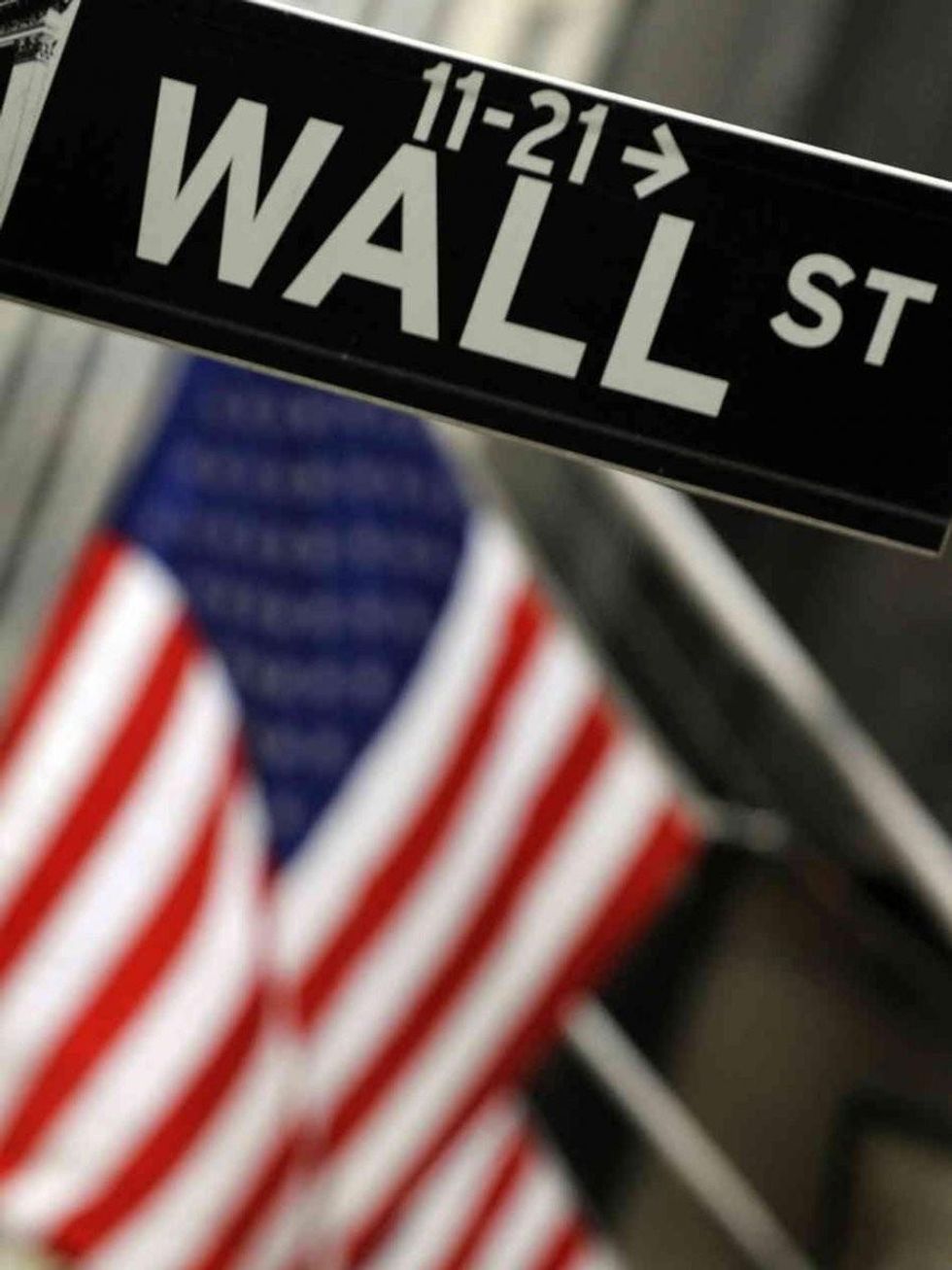
Here are six reasons another financial disaster is so likely:
1. The Shadow Banking System is Still Gigantic
A systemic cause of the financial crisis was the dramatic rise of an array of lightly regulated financial entities with huge and complex balance sheets composed of volatile assets and risky debt--from insurance companies like AIG to hedge funds to private equity firms. Much of this system remains intact five years after the crisis, and is still relatively unregulated. According to Deloitte's Shadow Banking Index, some $9 trillion was pumping through the Shadow Banking System last year in form of repurchase agreements, money market mutual funds, mortgage-backed securities, and collateralized debt obligations. That's way down from the Wild West days of 2007, but still much greater than a decade ago.
2. Banks Are Bigger Than Ever
Another reason for the crisis was the sheer size of banks, a scale greatly amplified by risky leverage, and the concentration of the banking sector. When the huge bets made by these banks went bad, the entire financial system was put at risk. Yet today, as a result of banking consolidation during the crisis and a lack of regulation, the surviving banks are even bigger than before: JP Morgan, Bank of America, and Wells Fargo are all larger than they were before the crisis. Proposals to break up large banks, and re-institute Glass-Steagall, have gone nowhere--despite even being embraced by the likes of former Citigroup chair Sanford Weill.
3. Banks Are Still Reckless
Think the financial crisis cured banks of their appetite for risk? Think again. JP Morgan's multi-billion losses in the London Whale episode show that the appetite for big risks in search of big profits remains alive and well on Wall Street. And risk management, constantly touted by Jamie Dimon as the crowning achievement of JP Morgan, remains wholly inadequate given the size and complexity of trading operations. The meltdown of MF Global is an equally telling episode: Jon Corzine put that entire firm and all its shareholders at risk through bets on overseas currencies that could have yielded massive profits, but instead brought total disaster. Meanwhile, the Volcker Rule--which would limit certain risky investments by banks--languishes as multiple federal agencies try to agree on a common draft and rules that should force banks to keep adequate capital reserves and avoid becoming over-leveraged do not go far enough.
4. Derivatives Remain Under-Regulated
Risky derivatives were centrally implicated in the financial crisis and Dodd-Frank has imposed new rules around what Warren Buffett famously called "financial weapons of mass destruction." Starting in June, the Commodity Futures Trading Commission has required many U.S. derivatives transactions to be conducted through centralized clearinghouses, but so far the rules have only been implemented for interest rate and credit derivatives. And it's not clear how much these clearinghouses will stop outsized risk taking and U.S. firms can still engage in plenty of hijinks with derivatives overseas, outside the purview of U.S. regulators. Rules for transparent trading have not yet gone into effect and they include loopholes that could weaken their effects on the markets. Finally, while data on derivatives transactions are being collected, it is unclear when it will be made consistent and meaningfully available so that the regulators can monitor derivatives markets properly.
5. Nobody Was Punished for the Last Crisis
Despite a vast array of financial abuses and trillions of dollars in lost wealth, not a single high-level executive of any financial firm faced accountability in the form of criminal charges and prison time. At least after the last meltdown, involving Enron and Worldcom, some of the top miscreants actually went to jail. Not this time. And that reduces deterrence of future wrongdoing.
6. Government Regulators Are Still Outgunned
Regulating some of the wealthiest and most powerful business entities in the world is not easy under any circumstances. But it's especially hard when government oversight agencies don't have the resources they need to do their job. The Securities and Exchange Commission and the Commodities Futures Trading Commission have faced a multi-pronged assault over recent years. The powers of these agencies have been battered by budget cuts in Congress (and now through the sequester), legal challenges to new rules, and a blizzard of lobbying--often by ex-officials from these very same agencies. The fact that so many rules required by Dodd-Frank remain un-implemented is telling evidence of the weakness of these agencies and the pushback they have faced to financial reform.
To be sure, some good things have happened over the past five years, particularly the creation the Consumer Financial Protection Bureau. Yet many of the most dangerous features of a casino-like financial system remain in place.
Five years after the fall of Lehman Brothers and the worst financial crisis since 1929, one thing seems certain: another meltdown of the financial system seems inevitable. Why? Because we still haven't fixed many of the problems that led to the last crisis.
Here are six reasons another financial disaster is so likely:
1. The Shadow Banking System is Still Gigantic
A systemic cause of the financial crisis was the dramatic rise of an array of lightly regulated financial entities with huge and complex balance sheets composed of volatile assets and risky debt--from insurance companies like AIG to hedge funds to private equity firms. Much of this system remains intact five years after the crisis, and is still relatively unregulated. According to Deloitte's Shadow Banking Index, some $9 trillion was pumping through the Shadow Banking System last year in form of repurchase agreements, money market mutual funds, mortgage-backed securities, and collateralized debt obligations. That's way down from the Wild West days of 2007, but still much greater than a decade ago.
2. Banks Are Bigger Than Ever
Another reason for the crisis was the sheer size of banks, a scale greatly amplified by risky leverage, and the concentration of the banking sector. When the huge bets made by these banks went bad, the entire financial system was put at risk. Yet today, as a result of banking consolidation during the crisis and a lack of regulation, the surviving banks are even bigger than before: JP Morgan, Bank of America, and Wells Fargo are all larger than they were before the crisis. Proposals to break up large banks, and re-institute Glass-Steagall, have gone nowhere--despite even being embraced by the likes of former Citigroup chair Sanford Weill.
3. Banks Are Still Reckless
Think the financial crisis cured banks of their appetite for risk? Think again. JP Morgan's multi-billion losses in the London Whale episode show that the appetite for big risks in search of big profits remains alive and well on Wall Street. And risk management, constantly touted by Jamie Dimon as the crowning achievement of JP Morgan, remains wholly inadequate given the size and complexity of trading operations. The meltdown of MF Global is an equally telling episode: Jon Corzine put that entire firm and all its shareholders at risk through bets on overseas currencies that could have yielded massive profits, but instead brought total disaster. Meanwhile, the Volcker Rule--which would limit certain risky investments by banks--languishes as multiple federal agencies try to agree on a common draft and rules that should force banks to keep adequate capital reserves and avoid becoming over-leveraged do not go far enough.
4. Derivatives Remain Under-Regulated
Risky derivatives were centrally implicated in the financial crisis and Dodd-Frank has imposed new rules around what Warren Buffett famously called "financial weapons of mass destruction." Starting in June, the Commodity Futures Trading Commission has required many U.S. derivatives transactions to be conducted through centralized clearinghouses, but so far the rules have only been implemented for interest rate and credit derivatives. And it's not clear how much these clearinghouses will stop outsized risk taking and U.S. firms can still engage in plenty of hijinks with derivatives overseas, outside the purview of U.S. regulators. Rules for transparent trading have not yet gone into effect and they include loopholes that could weaken their effects on the markets. Finally, while data on derivatives transactions are being collected, it is unclear when it will be made consistent and meaningfully available so that the regulators can monitor derivatives markets properly.
5. Nobody Was Punished for the Last Crisis
Despite a vast array of financial abuses and trillions of dollars in lost wealth, not a single high-level executive of any financial firm faced accountability in the form of criminal charges and prison time. At least after the last meltdown, involving Enron and Worldcom, some of the top miscreants actually went to jail. Not this time. And that reduces deterrence of future wrongdoing.
6. Government Regulators Are Still Outgunned
Regulating some of the wealthiest and most powerful business entities in the world is not easy under any circumstances. But it's especially hard when government oversight agencies don't have the resources they need to do their job. The Securities and Exchange Commission and the Commodities Futures Trading Commission have faced a multi-pronged assault over recent years. The powers of these agencies have been battered by budget cuts in Congress (and now through the sequester), legal challenges to new rules, and a blizzard of lobbying--often by ex-officials from these very same agencies. The fact that so many rules required by Dodd-Frank remain un-implemented is telling evidence of the weakness of these agencies and the pushback they have faced to financial reform.
To be sure, some good things have happened over the past five years, particularly the creation the Consumer Financial Protection Bureau. Yet many of the most dangerous features of a casino-like financial system remain in place.
Five years after the fall of Lehman Brothers and the worst financial crisis since 1929, one thing seems certain: another meltdown of the financial system seems inevitable. Why? Because we still haven't fixed many of the problems that led to the last crisis.
Here are six reasons another financial disaster is so likely:
1. The Shadow Banking System is Still Gigantic
A systemic cause of the financial crisis was the dramatic rise of an array of lightly regulated financial entities with huge and complex balance sheets composed of volatile assets and risky debt--from insurance companies like AIG to hedge funds to private equity firms. Much of this system remains intact five years after the crisis, and is still relatively unregulated. According to Deloitte's Shadow Banking Index, some $9 trillion was pumping through the Shadow Banking System last year in form of repurchase agreements, money market mutual funds, mortgage-backed securities, and collateralized debt obligations. That's way down from the Wild West days of 2007, but still much greater than a decade ago.
2. Banks Are Bigger Than Ever
Another reason for the crisis was the sheer size of banks, a scale greatly amplified by risky leverage, and the concentration of the banking sector. When the huge bets made by these banks went bad, the entire financial system was put at risk. Yet today, as a result of banking consolidation during the crisis and a lack of regulation, the surviving banks are even bigger than before: JP Morgan, Bank of America, and Wells Fargo are all larger than they were before the crisis. Proposals to break up large banks, and re-institute Glass-Steagall, have gone nowhere--despite even being embraced by the likes of former Citigroup chair Sanford Weill.
3. Banks Are Still Reckless
Think the financial crisis cured banks of their appetite for risk? Think again. JP Morgan's multi-billion losses in the London Whale episode show that the appetite for big risks in search of big profits remains alive and well on Wall Street. And risk management, constantly touted by Jamie Dimon as the crowning achievement of JP Morgan, remains wholly inadequate given the size and complexity of trading operations. The meltdown of MF Global is an equally telling episode: Jon Corzine put that entire firm and all its shareholders at risk through bets on overseas currencies that could have yielded massive profits, but instead brought total disaster. Meanwhile, the Volcker Rule--which would limit certain risky investments by banks--languishes as multiple federal agencies try to agree on a common draft and rules that should force banks to keep adequate capital reserves and avoid becoming over-leveraged do not go far enough.
4. Derivatives Remain Under-Regulated
Risky derivatives were centrally implicated in the financial crisis and Dodd-Frank has imposed new rules around what Warren Buffett famously called "financial weapons of mass destruction." Starting in June, the Commodity Futures Trading Commission has required many U.S. derivatives transactions to be conducted through centralized clearinghouses, but so far the rules have only been implemented for interest rate and credit derivatives. And it's not clear how much these clearinghouses will stop outsized risk taking and U.S. firms can still engage in plenty of hijinks with derivatives overseas, outside the purview of U.S. regulators. Rules for transparent trading have not yet gone into effect and they include loopholes that could weaken their effects on the markets. Finally, while data on derivatives transactions are being collected, it is unclear when it will be made consistent and meaningfully available so that the regulators can monitor derivatives markets properly.
5. Nobody Was Punished for the Last Crisis
Despite a vast array of financial abuses and trillions of dollars in lost wealth, not a single high-level executive of any financial firm faced accountability in the form of criminal charges and prison time. At least after the last meltdown, involving Enron and Worldcom, some of the top miscreants actually went to jail. Not this time. And that reduces deterrence of future wrongdoing.
6. Government Regulators Are Still Outgunned
Regulating some of the wealthiest and most powerful business entities in the world is not easy under any circumstances. But it's especially hard when government oversight agencies don't have the resources they need to do their job. The Securities and Exchange Commission and the Commodities Futures Trading Commission have faced a multi-pronged assault over recent years. The powers of these agencies have been battered by budget cuts in Congress (and now through the sequester), legal challenges to new rules, and a blizzard of lobbying--often by ex-officials from these very same agencies. The fact that so many rules required by Dodd-Frank remain un-implemented is telling evidence of the weakness of these agencies and the pushback they have faced to financial reform.
To be sure, some good things have happened over the past five years, particularly the creation the Consumer Financial Protection Bureau. Yet many of the most dangerous features of a casino-like financial system remain in place.