More of the Same in Latin America
There were great hopes in Latin America when President Obama was elected. U.S. standing in the region had reached a low point under George W. Bush, and all of the left governments expressed optimism that Obama would take Washington's policy in a new direction.
These hopes have been dashed. President Obama has continued the Bush policies and in some cases has done worse.
There were great hopes in Latin America when President Obama was elected. U.S. standing in the region had reached a low point under George W. Bush, and all of the left governments expressed optimism that Obama would take Washington's policy in a new direction.
These hopes have been dashed. President Obama has continued the Bush policies and in some cases has done worse.
The military overthrow of democratically elected President Manuel Zelaya of Honduras on June 28 has become a clear example of Obama's failure in the hemisphere. There were signs that something was amiss in Washington when the first statement from the White House failed to even criticize the coup. It was the only such statement from a government to take a neutral position. The U.N. General Assembly and the Organization of American States voted unanimously for "the immediate and unconditional return" of President Zelaya.
Conflicting statements from the White House and State Department emerged over the ensuing days, but last Friday the State Department made clear its "neutrality." In a letter to Senator Richard Lugar, the State Department said that "our policy and strategy for engagement is not based on supporting any particular politician or individual," and appeared to blame Mr. Zelaya for the coup: "President Zelaya's insistence on undertaking provocative actions contributed to the polarization of Honduran society and led to a confrontation that unleashed the events that led to his removal."
This letter was all over the Honduran media, which is controlled by the coup government and its supporters, and it strengthened them politically. Congressional Republicans who have supported the coup immediately claimed victory.
On Monday, President Obama repeated his statement that Mr. Zelaya should return. But by then nobody was fooled.
Mr. Obama has said that he "can't push a button and suddenly reinstate Mr. Zelaya." But he hasn't pushed the buttons that he has at his disposal, such as freezing the U.S. assets of the coup leaders, or canceling their visas. (The State Department cancelled five diplomatic visas of members of the coup government, but they can still enter the United States with a normal visa -- so this gesture had no effect).
With Clinton associates such as Lanny Davis and Bennett Ratcliff running strategy for the coup government, the Pentagon looking out for its military base in Honduras, and the Republicans ideologically tied to the coup leaders, it should be no surprise that Washington is more worried about protecting its friends in the dictatorship than about democracy or the rule of law.
But it doesn't make Mr. Obama's policy any less disgraceful. And Washington has remained silent about the dictatorship's human rights abuses, which have been condemned by human rights organizations worldwide.
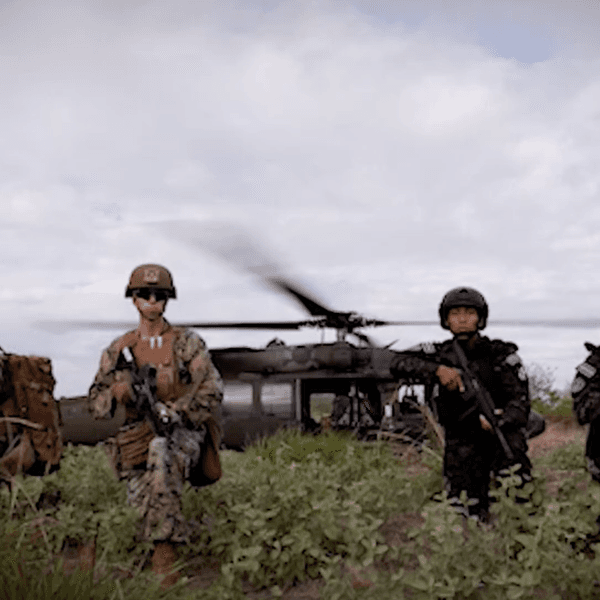
In addition to its failure in Honduras, the Obama administration raised concerns last week among such leaders as President Luiz Inacio Lula da Silva of Brazil and Michelle Bachelet of Chile with its decision to increase the U.S. military presence in Colombia. Washington apparently did not consult with South American governments -- other than Colombia -- beforehand. The pretext for the expansion is, as usual, the "war on drugs." But the legislation in Congress that would finance this expansion allows for a much broader role. No wonder South America is suspicious. Mr. Obama also has not reversed the Bush administration's decision to reactivate the U.S. Navy's Fourth Fleet in the Caribbean, for the first time since 1950 -- a decision that raised concerns in Brazil and other countries.
President Obama has also continued the Bush administration's trade sanctions against Bolivia, which are seen throughout the region as an affront to Bolivia's national sovereignty. And despite President Obama's handshake with President Hugo Chavez, the State Department has maintained about the same level of hostility toward Venezuela as President Bush did in his last year or two.
President Obama's policies have drawn mostly only mild rebuke because he is still enjoying a honeymoon. But he is doing serious damage to U.S.-Latin American relations, and to the prospects for democracy and social progress in the region.
An Urgent Message From Our Co-Founder
Dear Common Dreams reader, It’s been nearly 30 years since I co-founded Common Dreams with my late wife, Lina Newhouser. We had the radical notion that journalism should serve the public good, not corporate profits. It was clear to us from the outset what it would take to build such a project. No paid advertisements. No corporate sponsors. No millionaire publisher telling us what to think or do. Many people said we wouldn't last a year, but we proved those doubters wrong. Together with a tremendous team of journalists and dedicated staff, we built an independent media outlet free from the constraints of profits and corporate control. Our mission has always been simple: To inform. To inspire. To ignite change for the common good. Building Common Dreams was not easy. Our survival was never guaranteed. When you take on the most powerful forces—Wall Street greed, fossil fuel industry destruction, Big Tech lobbyists, and uber-rich oligarchs who have spent billions upon billions rigging the economy and democracy in their favor—the only bulwark you have is supporters who believe in your work. But here’s the urgent message from me today. It's never been this bad out there. And it's never been this hard to keep us going. At the very moment Common Dreams is most needed, the threats we face are intensifying. We need your support now more than ever. We don't accept corporate advertising and never will. We don't have a paywall because we don't think people should be blocked from critical news based on their ability to pay. Everything we do is funded by the donations of readers like you. When everyone does the little they can afford, we are strong. But if that support retreats or dries up, so do we. Will you donate now to make sure Common Dreams not only survives but thrives? —Craig Brown, Co-founder |
There were great hopes in Latin America when President Obama was elected. U.S. standing in the region had reached a low point under George W. Bush, and all of the left governments expressed optimism that Obama would take Washington's policy in a new direction.
These hopes have been dashed. President Obama has continued the Bush policies and in some cases has done worse.
The military overthrow of democratically elected President Manuel Zelaya of Honduras on June 28 has become a clear example of Obama's failure in the hemisphere. There were signs that something was amiss in Washington when the first statement from the White House failed to even criticize the coup. It was the only such statement from a government to take a neutral position. The U.N. General Assembly and the Organization of American States voted unanimously for "the immediate and unconditional return" of President Zelaya.
Conflicting statements from the White House and State Department emerged over the ensuing days, but last Friday the State Department made clear its "neutrality." In a letter to Senator Richard Lugar, the State Department said that "our policy and strategy for engagement is not based on supporting any particular politician or individual," and appeared to blame Mr. Zelaya for the coup: "President Zelaya's insistence on undertaking provocative actions contributed to the polarization of Honduran society and led to a confrontation that unleashed the events that led to his removal."
This letter was all over the Honduran media, which is controlled by the coup government and its supporters, and it strengthened them politically. Congressional Republicans who have supported the coup immediately claimed victory.
On Monday, President Obama repeated his statement that Mr. Zelaya should return. But by then nobody was fooled.
Mr. Obama has said that he "can't push a button and suddenly reinstate Mr. Zelaya." But he hasn't pushed the buttons that he has at his disposal, such as freezing the U.S. assets of the coup leaders, or canceling their visas. (The State Department cancelled five diplomatic visas of members of the coup government, but they can still enter the United States with a normal visa -- so this gesture had no effect).
With Clinton associates such as Lanny Davis and Bennett Ratcliff running strategy for the coup government, the Pentagon looking out for its military base in Honduras, and the Republicans ideologically tied to the coup leaders, it should be no surprise that Washington is more worried about protecting its friends in the dictatorship than about democracy or the rule of law.
But it doesn't make Mr. Obama's policy any less disgraceful. And Washington has remained silent about the dictatorship's human rights abuses, which have been condemned by human rights organizations worldwide.
In addition to its failure in Honduras, the Obama administration raised concerns last week among such leaders as President Luiz Inacio Lula da Silva of Brazil and Michelle Bachelet of Chile with its decision to increase the U.S. military presence in Colombia. Washington apparently did not consult with South American governments -- other than Colombia -- beforehand. The pretext for the expansion is, as usual, the "war on drugs." But the legislation in Congress that would finance this expansion allows for a much broader role. No wonder South America is suspicious. Mr. Obama also has not reversed the Bush administration's decision to reactivate the U.S. Navy's Fourth Fleet in the Caribbean, for the first time since 1950 -- a decision that raised concerns in Brazil and other countries.
President Obama has also continued the Bush administration's trade sanctions against Bolivia, which are seen throughout the region as an affront to Bolivia's national sovereignty. And despite President Obama's handshake with President Hugo Chavez, the State Department has maintained about the same level of hostility toward Venezuela as President Bush did in his last year or two.
President Obama's policies have drawn mostly only mild rebuke because he is still enjoying a honeymoon. But he is doing serious damage to U.S.-Latin American relations, and to the prospects for democracy and social progress in the region.
There were great hopes in Latin America when President Obama was elected. U.S. standing in the region had reached a low point under George W. Bush, and all of the left governments expressed optimism that Obama would take Washington's policy in a new direction.
These hopes have been dashed. President Obama has continued the Bush policies and in some cases has done worse.
The military overthrow of democratically elected President Manuel Zelaya of Honduras on June 28 has become a clear example of Obama's failure in the hemisphere. There were signs that something was amiss in Washington when the first statement from the White House failed to even criticize the coup. It was the only such statement from a government to take a neutral position. The U.N. General Assembly and the Organization of American States voted unanimously for "the immediate and unconditional return" of President Zelaya.
Conflicting statements from the White House and State Department emerged over the ensuing days, but last Friday the State Department made clear its "neutrality." In a letter to Senator Richard Lugar, the State Department said that "our policy and strategy for engagement is not based on supporting any particular politician or individual," and appeared to blame Mr. Zelaya for the coup: "President Zelaya's insistence on undertaking provocative actions contributed to the polarization of Honduran society and led to a confrontation that unleashed the events that led to his removal."
This letter was all over the Honduran media, which is controlled by the coup government and its supporters, and it strengthened them politically. Congressional Republicans who have supported the coup immediately claimed victory.
On Monday, President Obama repeated his statement that Mr. Zelaya should return. But by then nobody was fooled.
Mr. Obama has said that he "can't push a button and suddenly reinstate Mr. Zelaya." But he hasn't pushed the buttons that he has at his disposal, such as freezing the U.S. assets of the coup leaders, or canceling their visas. (The State Department cancelled five diplomatic visas of members of the coup government, but they can still enter the United States with a normal visa -- so this gesture had no effect).
With Clinton associates such as Lanny Davis and Bennett Ratcliff running strategy for the coup government, the Pentagon looking out for its military base in Honduras, and the Republicans ideologically tied to the coup leaders, it should be no surprise that Washington is more worried about protecting its friends in the dictatorship than about democracy or the rule of law.
But it doesn't make Mr. Obama's policy any less disgraceful. And Washington has remained silent about the dictatorship's human rights abuses, which have been condemned by human rights organizations worldwide.
In addition to its failure in Honduras, the Obama administration raised concerns last week among such leaders as President Luiz Inacio Lula da Silva of Brazil and Michelle Bachelet of Chile with its decision to increase the U.S. military presence in Colombia. Washington apparently did not consult with South American governments -- other than Colombia -- beforehand. The pretext for the expansion is, as usual, the "war on drugs." But the legislation in Congress that would finance this expansion allows for a much broader role. No wonder South America is suspicious. Mr. Obama also has not reversed the Bush administration's decision to reactivate the U.S. Navy's Fourth Fleet in the Caribbean, for the first time since 1950 -- a decision that raised concerns in Brazil and other countries.
President Obama has also continued the Bush administration's trade sanctions against Bolivia, which are seen throughout the region as an affront to Bolivia's national sovereignty. And despite President Obama's handshake with President Hugo Chavez, the State Department has maintained about the same level of hostility toward Venezuela as President Bush did in his last year or two.
President Obama's policies have drawn mostly only mild rebuke because he is still enjoying a honeymoon. But he is doing serious damage to U.S.-Latin American relations, and to the prospects for democracy and social progress in the region.