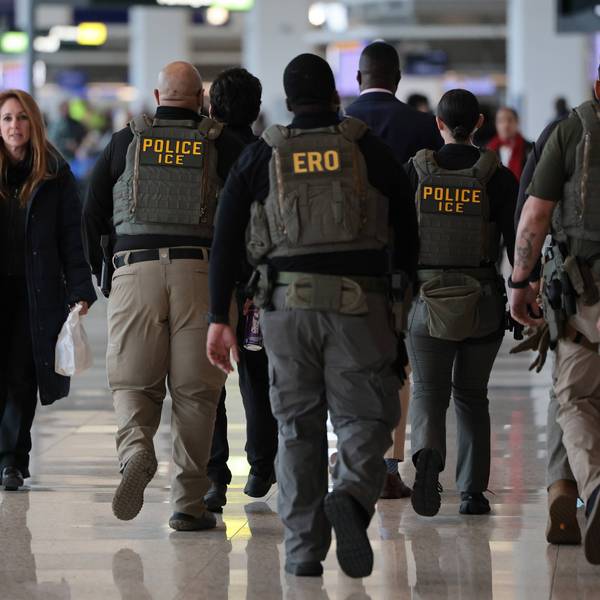

Israeli National Security Minister Itamar Ben-Gvir taunts a humiliated Global Sumud Flotilla detainee in Ashdod, Israel on May 20, 2026.
We Need More Brave Flotillas to End Israel's Genocide in Gaza
The genocide continues under the cover of the Hormuz Strait crisis, but history will not absolve those who stood by as a people were starved and slaughtered.
The raft of condemnations by Western governments of Israeli Minister of National Security Itamar Ben-Gvir’s taunts of flotilla volunteers whom the Israeli military illegally kidnapped from international waters was attended by a good deal of hypocrisy, since the US government despises them as well, and few European governments support them.
What much of the reporting ignores, however, is how necessary the aid flotilla still is, since the Israelis have gone back to blockading key foodstuffs, medicine and fuel, and continue to shell and bomb people in Gaza. In other words, the genocide continues under the cover of the Hormuz crisis.
IMEMC reports that on Wednesday the Israeli military launched numerous assaults on the Gaza Strip, despite the supposed ceasefire enacted last October.
In the north of the Strip as well as in the center shelling was heard, “with explosions heard near Gaza City and in the areas surrounding the Al‑Bureij and Al‑Maghazi refugee camps, in central Gaza.”
The Gaza Ministry of Health said Israeli attacks had killed one Palestinian whose body was taken to a hospital, and had wounded sixteen others.
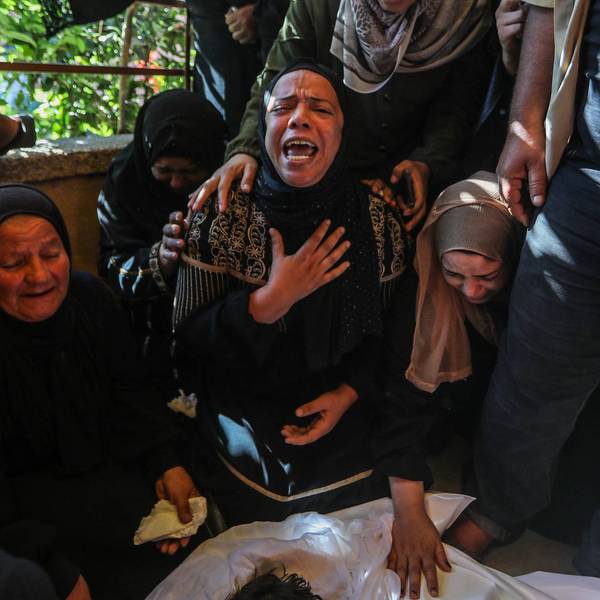
Families that came under fire in the north had to flee to central Gaza but had no place to take refuge, huddling in the debris of former schools or apartment buildings. These internally displaced families lack sewage or reliable potable water, putting them at risk of disease.
Rescue teams could not reach several of these areas because the Israelis had destroyed the roads and the rubble proved an obstacle to ambulances. Since the rescue workers could not reach the bombed sites, they could not ensure that people trapped under the destroyed buildings would be extracted.
IMEMC writes, “Humanitarian agencies reported that several neighborhoods in Gaza City and Khan Younis have gone more than ten days without running water. With pumping stations unable to operate due to fuel shortages and damaged infrastructure, sewage overflow has been recorded in multiple districts.”
Surgeons had to put off performing operations. They appear not even to have had alcohol or other antiseptics, so they could not establish a sterile field around patients. They also lacked other essential medicines.
IMEMC continues, regarding health care, “Hospitals across the Strip continued to report severe shortages. Medical teams at the Shifa Medical Complex in Gaza and the European Gaza Hospital said they were running critically low on anesthesia, antibiotics, blood products, and basic surgical supplies.”
Many areas in the strip get only 4 hours a day of electricity, since the Israeli military has damaged power lines and prevents enough fuel from getting into the besieged Strip to run generators. That goes for hospitals, too.
Insecurity Insight reports that in the wake of the ceasefire concluded with Iran on April 8, 2026, the Israeli military has increased its assaults in such a way as to harm health facilities and to decrease the ability of patients to get treatment throughout Gaza. The outlet gathered credible information on seven such incidents from April 8 to April 24, whereas in the previous two weeks, when Israeli was bombing Iran, there were four such reported Israeli attacks in Gaza on or near health care facilities.
Israeli troops have been shelling targets near hospitals and at one point directed live fire at a United Nations-administered health center. Insecurity Insight also notes that on April 11 a hospital was forced to shut down one of its main generators due to fuel shortages, leaving vital departments dependent on lower-capacity backup generators operating only for limited hours.
Gaza has also seen a steep fall in bread production as the Israeli government has interfered with flour imports since early April.
We are at a crossroads
This country and this world are at a monumental crossroads. In a few short weeks, US voters will have an opportunity to beat back the forces of fascism and confront the billionaires who are rigging the economy, our media system, and our democracy, making it increasingly impossible for ordinary people to get by. We’re not just talking about the election. We’re talking about what must be done once these fascist elements are vanquished from power. We need a bolder set of solutions than what either major party has so far been willing to offer and a working-class movement ready to fight like hell for it. Trump didn't emerge from nowhere. The conditions that fueled MAGA authoritarianism were created by decades of radical neoliberal economic policies and a corrupt political system dominated by corporate interests. They slashed taxes on the super-rich, promising that the benefits would trickle down. They said giveaways to the corporate titans would make life more affordable for the rest of us. It was all bullshit. And when a bitter, betrayed populace searches for someone to blame, right-wing demagogues have little trouble finding scapegoats. People know when they're being lied to, but you won't hear any of this from the corporate media. Only independent journalism—powered and funded by people who believe in building a better world—can deliver truly trustworthy daily news. Our Fall Campaign is underway, and we need your help. To power our newsroom through the rest of the year, we need to raise $125,000 by midnight on October 31. So if you share our vision, please contribute whatever you can to sustain our work. |
The raft of condemnations by Western governments of Israeli Minister of National Security Itamar Ben-Gvir’s taunts of flotilla volunteers whom the Israeli military illegally kidnapped from international waters was attended by a good deal of hypocrisy, since the US government despises them as well, and few European governments support them.
What much of the reporting ignores, however, is how necessary the aid flotilla still is, since the Israelis have gone back to blockading key foodstuffs, medicine and fuel, and continue to shell and bomb people in Gaza. In other words, the genocide continues under the cover of the Hormuz crisis.
IMEMC reports that on Wednesday the Israeli military launched numerous assaults on the Gaza Strip, despite the supposed ceasefire enacted last October.
In the north of the Strip as well as in the center shelling was heard, “with explosions heard near Gaza City and in the areas surrounding the Al‑Bureij and Al‑Maghazi refugee camps, in central Gaza.”
The Gaza Ministry of Health said Israeli attacks had killed one Palestinian whose body was taken to a hospital, and had wounded sixteen others.
Families that came under fire in the north had to flee to central Gaza but had no place to take refuge, huddling in the debris of former schools or apartment buildings. These internally displaced families lack sewage or reliable potable water, putting them at risk of disease.
Rescue teams could not reach several of these areas because the Israelis had destroyed the roads and the rubble proved an obstacle to ambulances. Since the rescue workers could not reach the bombed sites, they could not ensure that people trapped under the destroyed buildings would be extracted.
IMEMC writes, “Humanitarian agencies reported that several neighborhoods in Gaza City and Khan Younis have gone more than ten days without running water. With pumping stations unable to operate due to fuel shortages and damaged infrastructure, sewage overflow has been recorded in multiple districts.”
Surgeons had to put off performing operations. They appear not even to have had alcohol or other antiseptics, so they could not establish a sterile field around patients. They also lacked other essential medicines.
IMEMC continues, regarding health care, “Hospitals across the Strip continued to report severe shortages. Medical teams at the Shifa Medical Complex in Gaza and the European Gaza Hospital said they were running critically low on anesthesia, antibiotics, blood products, and basic surgical supplies.”
Many areas in the strip get only 4 hours a day of electricity, since the Israeli military has damaged power lines and prevents enough fuel from getting into the besieged Strip to run generators. That goes for hospitals, too.
Insecurity Insight reports that in the wake of the ceasefire concluded with Iran on April 8, 2026, the Israeli military has increased its assaults in such a way as to harm health facilities and to decrease the ability of patients to get treatment throughout Gaza. The outlet gathered credible information on seven such incidents from April 8 to April 24, whereas in the previous two weeks, when Israeli was bombing Iran, there were four such reported Israeli attacks in Gaza on or near health care facilities.
Israeli troops have been shelling targets near hospitals and at one point directed live fire at a United Nations-administered health center. Insecurity Insight also notes that on April 11 a hospital was forced to shut down one of its main generators due to fuel shortages, leaving vital departments dependent on lower-capacity backup generators operating only for limited hours.
Gaza has also seen a steep fall in bread production as the Israeli government has interfered with flour imports since early April.
- 'It's Terror': Global Sumud Flotilla Bound for Gaza Bombed ›
- Gaza Flotilla Participants Take Great Risks in the Absence of Government Action ›
- Israel Can Only Deter the Global Sumud Flotilla by Stopping Its Genocide in Gaza ›
- 'Way Out of Line': 15+ Countries Slam Israel's 'Intolerable' Abuse of Gaza Flotilla Abductees ›
The raft of condemnations by Western governments of Israeli Minister of National Security Itamar Ben-Gvir’s taunts of flotilla volunteers whom the Israeli military illegally kidnapped from international waters was attended by a good deal of hypocrisy, since the US government despises them as well, and few European governments support them.
What much of the reporting ignores, however, is how necessary the aid flotilla still is, since the Israelis have gone back to blockading key foodstuffs, medicine and fuel, and continue to shell and bomb people in Gaza. In other words, the genocide continues under the cover of the Hormuz crisis.
IMEMC reports that on Wednesday the Israeli military launched numerous assaults on the Gaza Strip, despite the supposed ceasefire enacted last October.
In the north of the Strip as well as in the center shelling was heard, “with explosions heard near Gaza City and in the areas surrounding the Al‑Bureij and Al‑Maghazi refugee camps, in central Gaza.”
The Gaza Ministry of Health said Israeli attacks had killed one Palestinian whose body was taken to a hospital, and had wounded sixteen others.
Families that came under fire in the north had to flee to central Gaza but had no place to take refuge, huddling in the debris of former schools or apartment buildings. These internally displaced families lack sewage or reliable potable water, putting them at risk of disease.
Rescue teams could not reach several of these areas because the Israelis had destroyed the roads and the rubble proved an obstacle to ambulances. Since the rescue workers could not reach the bombed sites, they could not ensure that people trapped under the destroyed buildings would be extracted.
IMEMC writes, “Humanitarian agencies reported that several neighborhoods in Gaza City and Khan Younis have gone more than ten days without running water. With pumping stations unable to operate due to fuel shortages and damaged infrastructure, sewage overflow has been recorded in multiple districts.”
Surgeons had to put off performing operations. They appear not even to have had alcohol or other antiseptics, so they could not establish a sterile field around patients. They also lacked other essential medicines.
IMEMC continues, regarding health care, “Hospitals across the Strip continued to report severe shortages. Medical teams at the Shifa Medical Complex in Gaza and the European Gaza Hospital said they were running critically low on anesthesia, antibiotics, blood products, and basic surgical supplies.”
Many areas in the strip get only 4 hours a day of electricity, since the Israeli military has damaged power lines and prevents enough fuel from getting into the besieged Strip to run generators. That goes for hospitals, too.
Insecurity Insight reports that in the wake of the ceasefire concluded with Iran on April 8, 2026, the Israeli military has increased its assaults in such a way as to harm health facilities and to decrease the ability of patients to get treatment throughout Gaza. The outlet gathered credible information on seven such incidents from April 8 to April 24, whereas in the previous two weeks, when Israeli was bombing Iran, there were four such reported Israeli attacks in Gaza on or near health care facilities.
Israeli troops have been shelling targets near hospitals and at one point directed live fire at a United Nations-administered health center. Insecurity Insight also notes that on April 11 a hospital was forced to shut down one of its main generators due to fuel shortages, leaving vital departments dependent on lower-capacity backup generators operating only for limited hours.
Gaza has also seen a steep fall in bread production as the Israeli government has interfered with flour imports since early April.
- 'It's Terror': Global Sumud Flotilla Bound for Gaza Bombed ›
- Gaza Flotilla Participants Take Great Risks in the Absence of Government Action ›
- Israel Can Only Deter the Global Sumud Flotilla by Stopping Its Genocide in Gaza ›
- 'Way Out of Line': 15+ Countries Slam Israel's 'Intolerable' Abuse of Gaza Flotilla Abductees ›