

SUBSCRIBE TO OUR FREE NEWSLETTER
Daily news & progressive opinion—funded by the people, not the corporations—delivered straight to your inbox.
5
#000000
#FFFFFF
To donate by check, phone, or other method, see our More Ways to Give page.
Daily news & progressive opinion—funded by the people, not the corporations—delivered straight to your inbox.
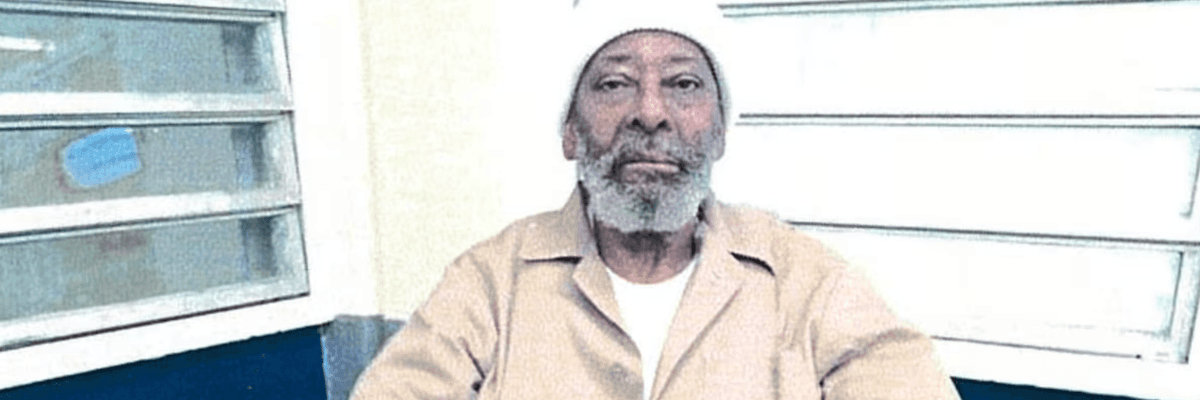
Alabama death row inmate Charles "Sonny" Burton is seen in an undated photo provided by his attorneys.
"The state was set to execute Sonny for a crime he didn't commit, but tens of thousands of people nationwide demanded justice—and our voices were heard," said the ACLU.
Amid nationwide public outcry, Republican Alabama Gov. Kay Ivey—a staunch supporter of capital punishment—on Tuesday spared a death row inmate who did not kill the man for whose murder he was sentenced to die and was scheduled for execution on Thursday.
“I firmly believe that the death penalty is just punishment for society’s most heinous offenders, as shown by the 25 executions I have presided over as governor," Ivey said in a statement. "In order to ensure the continued viability of the death penalty, however, I also believe that a government’s most consequential action must be administered fairly and proportionately."
"Doug Battle was brutally murdered by Derrick DeBruce while shopping in an auto parts store. But DeBruce was ultimately sentenced to life without parole," the governor continued. "Charles Burton did not shoot the victim, did not direct the triggerman to shoot the victim, and had already left the store by the time the shooting occurred. Yet Mr. Burton was set to be executed while DeBruce was allowed to live out his life in prison."
"I cannot proceed in good conscience with the execution of Mr. Burton under such disparate circumstances," Ivey added. "I believe it would be unjust for one participant in this crime to be executed while the participant who pulled the trigger was not. To be clear, Mr. Burton will not be eligible for parole and will rightfully spend the remainder of his life behind bars for his role in the robbery that led to the murder of Doug Battle. He will now receive the same punishment as the triggerman."
Burton—who is 75 years old and goes by the name Sonny—has been on Alabama’s death row since 1992, a year after Battle's murder.
"I didn’t kill no one, true enough, but I made a mistake by being part of the crime,” Burton told CNN in an interview last week, anticipating his execution. “I made a mistake, and it seems like all my friends have forgave me. I hope that my friends will remember me and remember that I was a real friend, a good friend.”
While Republican Alabama Attorney General Steve Marshall condemned Ivey for sparing a "murderer," both death penalty supporters and opponents welcomed the commutation.
BREAKING: Alabama Governor Kay Ivey commuted the death sentence of Sonny Burton.The state was set to execute Sonny for a crime he didn't commit, but tens of thousands of people nationwide demanded justice — and our voices were heard.
— ACLU (@aclu.org) March 10, 2026 at 9:18 AM
“It’s absolutely not fair. You don’t execute someone who did not pull the trigger,” Priscilla Townsend, one of three jurors in Burton's trial who asked Ivey for clemency, told the Associated Press, adding that she supports executing "the worst of the worst."
Tori Battle, Doug Battle's daughter, had also pleaded for clemency for Burton.
"No one from the state has ever sat with me to explain why Alabama believes it must execute a man who did not kill my father," Battle wrote in an article published last December in the Montgomery Advertiser. "My love for my father does not require another death, especially one that defies reason."
Laura Burton, executive director of the US Campaign to End the Death Penalty, said in a statement Tuesday: "We are grateful that Gov. Ivey recognized that Charles 'Sonny' Burton should not be executed. The death penalty process is deeply flawed when someone who was not present for the killing faces execution, while the person who committed the murder does not. It is uplifting to see that more and more governors across the ideological spectrum are recognizing problems with death penalty cases."
Last November, Oklahoma Gov. Kevin Still—also a staunch death penalty advocate—granted clemency to Tremane Wood with just minutes to spare before his scheduled execution for a murder his late brother confessed to committing.
Last year, Ivey also commuted the death sentence of Robin “Rocky” Myers to life in prison without parole, citing serious doubts about his guilt.
There are still 155 people on Alabama's death row, according to the state Department of Corrections. The state has executed five people since the beginning of 2025—one by lethal injection and four by nitrogen gas, a method rejected by veterinarians for euthanizing animals and condemned by United Nations human rights experts as possible torture.
Demetrius Minor, executive director of the death penalty abolition group Conservatives Concerned, said Tuesday that “we want to thank Gov. Ivey for granting clemency for Charles 'Sonny' Burton."
"This brings tremendous relief to his family and so many across the country," Minor added. "Conservatives know that government power can be abused and should not be used to execute someone who was not in the building when the murder was committed. Gov. Ivey acted on these conservative principles."
Dear Common Dreams reader, It’s been nearly 30 years since I co-founded Common Dreams with my late wife, Lina Newhouser. We had the radical notion that journalism should serve the public good, not corporate profits. It was clear to us from the outset what it would take to build such a project. No paid advertisements. No corporate sponsors. No millionaire publisher telling us what to think or do. Many people said we wouldn't last a year, but we proved those doubters wrong. Together with a tremendous team of journalists and dedicated staff, we built an independent media outlet free from the constraints of profits and corporate control. Our mission has always been simple: To inform. To inspire. To ignite change for the common good. Building Common Dreams was not easy. Our survival was never guaranteed. When you take on the most powerful forces—Wall Street greed, fossil fuel industry destruction, Big Tech lobbyists, and uber-rich oligarchs who have spent billions upon billions rigging the economy and democracy in their favor—the only bulwark you have is supporters who believe in your work. But here’s the urgent message from me today. It's never been this bad out there. And it's never been this hard to keep us going. At the very moment Common Dreams is most needed, the threats we face are intensifying. We need your support now more than ever. We don't accept corporate advertising and never will. We don't have a paywall because we don't think people should be blocked from critical news based on their ability to pay. Everything we do is funded by the donations of readers like you. When everyone does the little they can afford, we are strong. But if that support retreats or dries up, so do we. Will you donate now to make sure Common Dreams not only survives but thrives? —Craig Brown, Co-founder |
Amid nationwide public outcry, Republican Alabama Gov. Kay Ivey—a staunch supporter of capital punishment—on Tuesday spared a death row inmate who did not kill the man for whose murder he was sentenced to die and was scheduled for execution on Thursday.
“I firmly believe that the death penalty is just punishment for society’s most heinous offenders, as shown by the 25 executions I have presided over as governor," Ivey said in a statement. "In order to ensure the continued viability of the death penalty, however, I also believe that a government’s most consequential action must be administered fairly and proportionately."
"Doug Battle was brutally murdered by Derrick DeBruce while shopping in an auto parts store. But DeBruce was ultimately sentenced to life without parole," the governor continued. "Charles Burton did not shoot the victim, did not direct the triggerman to shoot the victim, and had already left the store by the time the shooting occurred. Yet Mr. Burton was set to be executed while DeBruce was allowed to live out his life in prison."
"I cannot proceed in good conscience with the execution of Mr. Burton under such disparate circumstances," Ivey added. "I believe it would be unjust for one participant in this crime to be executed while the participant who pulled the trigger was not. To be clear, Mr. Burton will not be eligible for parole and will rightfully spend the remainder of his life behind bars for his role in the robbery that led to the murder of Doug Battle. He will now receive the same punishment as the triggerman."
Burton—who is 75 years old and goes by the name Sonny—has been on Alabama’s death row since 1992, a year after Battle's murder.
"I didn’t kill no one, true enough, but I made a mistake by being part of the crime,” Burton told CNN in an interview last week, anticipating his execution. “I made a mistake, and it seems like all my friends have forgave me. I hope that my friends will remember me and remember that I was a real friend, a good friend.”
While Republican Alabama Attorney General Steve Marshall condemned Ivey for sparing a "murderer," both death penalty supporters and opponents welcomed the commutation.
BREAKING: Alabama Governor Kay Ivey commuted the death sentence of Sonny Burton.The state was set to execute Sonny for a crime he didn't commit, but tens of thousands of people nationwide demanded justice — and our voices were heard.
— ACLU (@aclu.org) March 10, 2026 at 9:18 AM
“It’s absolutely not fair. You don’t execute someone who did not pull the trigger,” Priscilla Townsend, one of three jurors in Burton's trial who asked Ivey for clemency, told the Associated Press, adding that she supports executing "the worst of the worst."
Tori Battle, Doug Battle's daughter, had also pleaded for clemency for Burton.
"No one from the state has ever sat with me to explain why Alabama believes it must execute a man who did not kill my father," Battle wrote in an article published last December in the Montgomery Advertiser. "My love for my father does not require another death, especially one that defies reason."
Laura Burton, executive director of the US Campaign to End the Death Penalty, said in a statement Tuesday: "We are grateful that Gov. Ivey recognized that Charles 'Sonny' Burton should not be executed. The death penalty process is deeply flawed when someone who was not present for the killing faces execution, while the person who committed the murder does not. It is uplifting to see that more and more governors across the ideological spectrum are recognizing problems with death penalty cases."
Last November, Oklahoma Gov. Kevin Still—also a staunch death penalty advocate—granted clemency to Tremane Wood with just minutes to spare before his scheduled execution for a murder his late brother confessed to committing.
Last year, Ivey also commuted the death sentence of Robin “Rocky” Myers to life in prison without parole, citing serious doubts about his guilt.
There are still 155 people on Alabama's death row, according to the state Department of Corrections. The state has executed five people since the beginning of 2025—one by lethal injection and four by nitrogen gas, a method rejected by veterinarians for euthanizing animals and condemned by United Nations human rights experts as possible torture.
Demetrius Minor, executive director of the death penalty abolition group Conservatives Concerned, said Tuesday that “we want to thank Gov. Ivey for granting clemency for Charles 'Sonny' Burton."
"This brings tremendous relief to his family and so many across the country," Minor added. "Conservatives know that government power can be abused and should not be used to execute someone who was not in the building when the murder was committed. Gov. Ivey acted on these conservative principles."
Amid nationwide public outcry, Republican Alabama Gov. Kay Ivey—a staunch supporter of capital punishment—on Tuesday spared a death row inmate who did not kill the man for whose murder he was sentenced to die and was scheduled for execution on Thursday.
“I firmly believe that the death penalty is just punishment for society’s most heinous offenders, as shown by the 25 executions I have presided over as governor," Ivey said in a statement. "In order to ensure the continued viability of the death penalty, however, I also believe that a government’s most consequential action must be administered fairly and proportionately."
"Doug Battle was brutally murdered by Derrick DeBruce while shopping in an auto parts store. But DeBruce was ultimately sentenced to life without parole," the governor continued. "Charles Burton did not shoot the victim, did not direct the triggerman to shoot the victim, and had already left the store by the time the shooting occurred. Yet Mr. Burton was set to be executed while DeBruce was allowed to live out his life in prison."
"I cannot proceed in good conscience with the execution of Mr. Burton under such disparate circumstances," Ivey added. "I believe it would be unjust for one participant in this crime to be executed while the participant who pulled the trigger was not. To be clear, Mr. Burton will not be eligible for parole and will rightfully spend the remainder of his life behind bars for his role in the robbery that led to the murder of Doug Battle. He will now receive the same punishment as the triggerman."
Burton—who is 75 years old and goes by the name Sonny—has been on Alabama’s death row since 1992, a year after Battle's murder.
"I didn’t kill no one, true enough, but I made a mistake by being part of the crime,” Burton told CNN in an interview last week, anticipating his execution. “I made a mistake, and it seems like all my friends have forgave me. I hope that my friends will remember me and remember that I was a real friend, a good friend.”
While Republican Alabama Attorney General Steve Marshall condemned Ivey for sparing a "murderer," both death penalty supporters and opponents welcomed the commutation.
BREAKING: Alabama Governor Kay Ivey commuted the death sentence of Sonny Burton.The state was set to execute Sonny for a crime he didn't commit, but tens of thousands of people nationwide demanded justice — and our voices were heard.
— ACLU (@aclu.org) March 10, 2026 at 9:18 AM
“It’s absolutely not fair. You don’t execute someone who did not pull the trigger,” Priscilla Townsend, one of three jurors in Burton's trial who asked Ivey for clemency, told the Associated Press, adding that she supports executing "the worst of the worst."
Tori Battle, Doug Battle's daughter, had also pleaded for clemency for Burton.
"No one from the state has ever sat with me to explain why Alabama believes it must execute a man who did not kill my father," Battle wrote in an article published last December in the Montgomery Advertiser. "My love for my father does not require another death, especially one that defies reason."
Laura Burton, executive director of the US Campaign to End the Death Penalty, said in a statement Tuesday: "We are grateful that Gov. Ivey recognized that Charles 'Sonny' Burton should not be executed. The death penalty process is deeply flawed when someone who was not present for the killing faces execution, while the person who committed the murder does not. It is uplifting to see that more and more governors across the ideological spectrum are recognizing problems with death penalty cases."
Last November, Oklahoma Gov. Kevin Still—also a staunch death penalty advocate—granted clemency to Tremane Wood with just minutes to spare before his scheduled execution for a murder his late brother confessed to committing.
Last year, Ivey also commuted the death sentence of Robin “Rocky” Myers to life in prison without parole, citing serious doubts about his guilt.
There are still 155 people on Alabama's death row, according to the state Department of Corrections. The state has executed five people since the beginning of 2025—one by lethal injection and four by nitrogen gas, a method rejected by veterinarians for euthanizing animals and condemned by United Nations human rights experts as possible torture.
Demetrius Minor, executive director of the death penalty abolition group Conservatives Concerned, said Tuesday that “we want to thank Gov. Ivey for granting clemency for Charles 'Sonny' Burton."
"This brings tremendous relief to his family and so many across the country," Minor added. "Conservatives know that government power can be abused and should not be used to execute someone who was not in the building when the murder was committed. Gov. Ivey acted on these conservative principles."

