SUBSCRIBE TO OUR FREE NEWSLETTER
Daily news & progressive opinion—funded by the people, not the corporations—delivered straight to your inbox.
5
#000000
#FFFFFF
To donate by check, phone, or other method, see our More Ways to Give page.
Daily news & progressive opinion—funded by the people, not the corporations—delivered straight to your inbox.
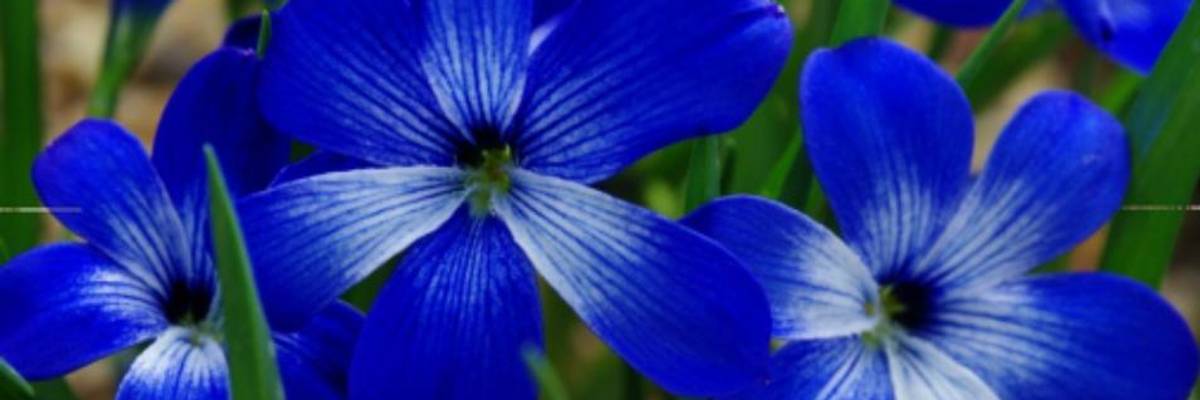
The Chilean crocus was believed extinct until a small population was discovered in 2001. (Photo: Richard Wilford/Stockholm University)
At least 571 plant species, from the Chile sandalwood to the St. Helena olive, have gone extinct in the wild over the past 250 years, according to a new study that has biodiversity experts worried about what the findings suggest for the future of life on Earth.
"It is frightening not just because of the 571 number but because I think that is a gross underestimate."
--Maria Vorontsova, study co-author
"Plants underpin all life on Earth, they provide the oxygen we breathe and the food we eat, as well as making up the backbone of the world's ecosystems--so plant extinction is bad news for all species," study co-authur Eimear Nic Lughadha of the Royal Botanic Gardens, Kew said in a statement.
For the first-of-its-kind study, published Monday in the journal Nature Ecology and Evolution, researchers at Key Stockholm University compiled all known plant extinction records. That effort, Nature reported, stems from a database that Kew's Rafael Govaerts started in 1988 "to track the status of every known plant species."
The researchers' new findings, according to co-author Aelys M. Humphreys of Stockholm University, "provide an unprecedented window into plant extinction in modern times."
"Most people can name a mammal or bird that has become extinct in recent centuries, but few can name an extinct plant," Humphreys said. "This study is the first time we have an overview of what plants have already become extinct, where they have disappeared from, and how quickly this is happening."
The Guardian noted how the figure compares with other analyses of species loss:
The number of plants that have disappeared from the wild is more than twice the number of extinct birds, mammals, and amphibians combined. The new figure is also four times the number of extinct plants recorded in the International Union for Conservation of Nature's red list.
"It is way more than we knew and way more than should have gone extinct," said Dr. Maria Vorontsova, also at Kew. "It is frightening not just because of the 571 number but because I think that is a gross underestimate."
Citing the study, Nature reported that "the world's seed-bearing plants have been disappearing at a rate of nearly three species a year since 1900--which is up to 500 times higher than would be expected as a result of natural forces alone."
While the study sparked alarm, researchers expressed hope that their work will be used to improve conservation efforts--particularly "on islands and in the tropics, where plant loss is common, and in areas where less is known about plant extinction such as Africa and South America."
To prevent the loss of more plant species, "we need to record all the plants across the world," Vorontsova said. "To do this we need to support herbaria and the production of plant identification guides, we need to teach our children to see and recognize their local plants, and most importantly we need botanists for years to come."
Another positive takeaway from the study was rediscovery: the researchers found that 430 species previously believed extinct are actually still around. However, they noted, 90 percent of those species face a high risk of future extinction.
The Chilean crocus, for example, had seemed to disappear by 1950s--but a small population was discovered south of Santiago, Chile in 2001. That population is currently being protected from livestock, and the species is being cultivated in the U.K., but it is still listed as "critically endangered" on the red list.
The new survey follows an "ominous" analysis published last month by the Intergovernmental Science-Policy Platform on Biodiversity and Ecosystem Services which found, as Common Dreams reported at the time, "that human exploitation of the natural world has pushed a million plant and animal species to the brink of extinction--with potentially devastating implications for the future of civilization."
Dear Common Dreams reader, It’s been nearly 30 years since I co-founded Common Dreams with my late wife, Lina Newhouser. We had the radical notion that journalism should serve the public good, not corporate profits. It was clear to us from the outset what it would take to build such a project. No paid advertisements. No corporate sponsors. No millionaire publisher telling us what to think or do. Many people said we wouldn't last a year, but we proved those doubters wrong. Together with a tremendous team of journalists and dedicated staff, we built an independent media outlet free from the constraints of profits and corporate control. Our mission has always been simple: To inform. To inspire. To ignite change for the common good. Building Common Dreams was not easy. Our survival was never guaranteed. When you take on the most powerful forces—Wall Street greed, fossil fuel industry destruction, Big Tech lobbyists, and uber-rich oligarchs who have spent billions upon billions rigging the economy and democracy in their favor—the only bulwark you have is supporters who believe in your work. But here’s the urgent message from me today. It's never been this bad out there. And it's never been this hard to keep us going. At the very moment Common Dreams is most needed, the threats we face are intensifying. We need your support now more than ever. We don't accept corporate advertising and never will. We don't have a paywall because we don't think people should be blocked from critical news based on their ability to pay. Everything we do is funded by the donations of readers like you. When everyone does the little they can afford, we are strong. But if that support retreats or dries up, so do we. Will you donate now to make sure Common Dreams not only survives but thrives? —Craig Brown, Co-founder |
At least 571 plant species, from the Chile sandalwood to the St. Helena olive, have gone extinct in the wild over the past 250 years, according to a new study that has biodiversity experts worried about what the findings suggest for the future of life on Earth.
"It is frightening not just because of the 571 number but because I think that is a gross underestimate."
--Maria Vorontsova, study co-author
"Plants underpin all life on Earth, they provide the oxygen we breathe and the food we eat, as well as making up the backbone of the world's ecosystems--so plant extinction is bad news for all species," study co-authur Eimear Nic Lughadha of the Royal Botanic Gardens, Kew said in a statement.
For the first-of-its-kind study, published Monday in the journal Nature Ecology and Evolution, researchers at Key Stockholm University compiled all known plant extinction records. That effort, Nature reported, stems from a database that Kew's Rafael Govaerts started in 1988 "to track the status of every known plant species."
The researchers' new findings, according to co-author Aelys M. Humphreys of Stockholm University, "provide an unprecedented window into plant extinction in modern times."
"Most people can name a mammal or bird that has become extinct in recent centuries, but few can name an extinct plant," Humphreys said. "This study is the first time we have an overview of what plants have already become extinct, where they have disappeared from, and how quickly this is happening."
The Guardian noted how the figure compares with other analyses of species loss:
The number of plants that have disappeared from the wild is more than twice the number of extinct birds, mammals, and amphibians combined. The new figure is also four times the number of extinct plants recorded in the International Union for Conservation of Nature's red list.
"It is way more than we knew and way more than should have gone extinct," said Dr. Maria Vorontsova, also at Kew. "It is frightening not just because of the 571 number but because I think that is a gross underestimate."
Citing the study, Nature reported that "the world's seed-bearing plants have been disappearing at a rate of nearly three species a year since 1900--which is up to 500 times higher than would be expected as a result of natural forces alone."
While the study sparked alarm, researchers expressed hope that their work will be used to improve conservation efforts--particularly "on islands and in the tropics, where plant loss is common, and in areas where less is known about plant extinction such as Africa and South America."
To prevent the loss of more plant species, "we need to record all the plants across the world," Vorontsova said. "To do this we need to support herbaria and the production of plant identification guides, we need to teach our children to see and recognize their local plants, and most importantly we need botanists for years to come."
Another positive takeaway from the study was rediscovery: the researchers found that 430 species previously believed extinct are actually still around. However, they noted, 90 percent of those species face a high risk of future extinction.
The Chilean crocus, for example, had seemed to disappear by 1950s--but a small population was discovered south of Santiago, Chile in 2001. That population is currently being protected from livestock, and the species is being cultivated in the U.K., but it is still listed as "critically endangered" on the red list.
The new survey follows an "ominous" analysis published last month by the Intergovernmental Science-Policy Platform on Biodiversity and Ecosystem Services which found, as Common Dreams reported at the time, "that human exploitation of the natural world has pushed a million plant and animal species to the brink of extinction--with potentially devastating implications for the future of civilization."
At least 571 plant species, from the Chile sandalwood to the St. Helena olive, have gone extinct in the wild over the past 250 years, according to a new study that has biodiversity experts worried about what the findings suggest for the future of life on Earth.
"It is frightening not just because of the 571 number but because I think that is a gross underestimate."
--Maria Vorontsova, study co-author
"Plants underpin all life on Earth, they provide the oxygen we breathe and the food we eat, as well as making up the backbone of the world's ecosystems--so plant extinction is bad news for all species," study co-authur Eimear Nic Lughadha of the Royal Botanic Gardens, Kew said in a statement.
For the first-of-its-kind study, published Monday in the journal Nature Ecology and Evolution, researchers at Key Stockholm University compiled all known plant extinction records. That effort, Nature reported, stems from a database that Kew's Rafael Govaerts started in 1988 "to track the status of every known plant species."
The researchers' new findings, according to co-author Aelys M. Humphreys of Stockholm University, "provide an unprecedented window into plant extinction in modern times."
"Most people can name a mammal or bird that has become extinct in recent centuries, but few can name an extinct plant," Humphreys said. "This study is the first time we have an overview of what plants have already become extinct, where they have disappeared from, and how quickly this is happening."
The Guardian noted how the figure compares with other analyses of species loss:
The number of plants that have disappeared from the wild is more than twice the number of extinct birds, mammals, and amphibians combined. The new figure is also four times the number of extinct plants recorded in the International Union for Conservation of Nature's red list.
"It is way more than we knew and way more than should have gone extinct," said Dr. Maria Vorontsova, also at Kew. "It is frightening not just because of the 571 number but because I think that is a gross underestimate."
Citing the study, Nature reported that "the world's seed-bearing plants have been disappearing at a rate of nearly three species a year since 1900--which is up to 500 times higher than would be expected as a result of natural forces alone."
While the study sparked alarm, researchers expressed hope that their work will be used to improve conservation efforts--particularly "on islands and in the tropics, where plant loss is common, and in areas where less is known about plant extinction such as Africa and South America."
To prevent the loss of more plant species, "we need to record all the plants across the world," Vorontsova said. "To do this we need to support herbaria and the production of plant identification guides, we need to teach our children to see and recognize their local plants, and most importantly we need botanists for years to come."
Another positive takeaway from the study was rediscovery: the researchers found that 430 species previously believed extinct are actually still around. However, they noted, 90 percent of those species face a high risk of future extinction.
The Chilean crocus, for example, had seemed to disappear by 1950s--but a small population was discovered south of Santiago, Chile in 2001. That population is currently being protected from livestock, and the species is being cultivated in the U.K., but it is still listed as "critically endangered" on the red list.
The new survey follows an "ominous" analysis published last month by the Intergovernmental Science-Policy Platform on Biodiversity and Ecosystem Services which found, as Common Dreams reported at the time, "that human exploitation of the natural world has pushed a million plant and animal species to the brink of extinction--with potentially devastating implications for the future of civilization."