SUBSCRIBE TO OUR FREE NEWSLETTER
Daily news & progressive opinion—funded by the people, not the corporations—delivered straight to your inbox.
5
#000000
#FFFFFF
To donate by check, phone, or other method, see our More Ways to Give page.
Daily news & progressive opinion—funded by the people, not the corporations—delivered straight to your inbox.
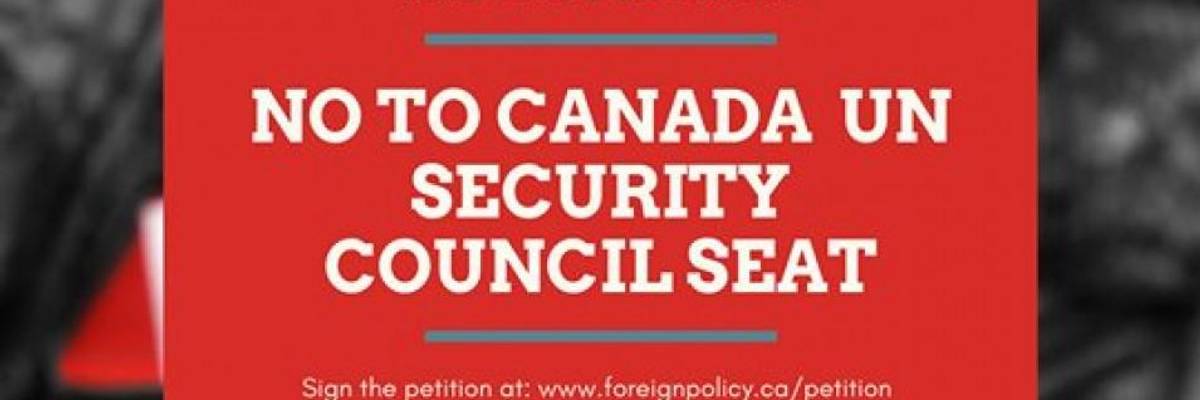
Ireland and Norway endorsed the Basel Ban Amendment on eliminating the export of waste from rich to poor countries. Canada has refused to support the initiative, which became binding last year after 97 countries ratified it. (Image: Canadian Foreign Policy Institute)
Comparing ourselves to the USA is inevitable given geography and history, but the world is much bigger than the northern parts of the Americas. Even progressive, internationally focused Canadians are too often lulled into a false sense of righteousness by contrasting their country's foreign policy to that of our southern neighbour.
Our competition with Ireland and Norway for two seats on the UN Security Council provides an opportunity to understand international reality and broaden our perspective. How does Canada compare with these rivals on issues that matter to the United Nations? Does the Liberal government reflect the desire of most Canadians to be a force for peace and human rights in the world?
With 0.5% of the world's population, Canada is home to half of all mining companies.
Disarmament and world peace are two key goals of the United Nations. We may be less hawkish than the US but Canada's competitors for the two Western Europe and Others group seats on the Security Council are certainly less involved with controversial arms exports. In 2019 Canada transferred over two billion dollars in weaponry to Saudi Arabia. Canadian-made sniper rifles and armoured vehicles have been used in the devastating Saudi-led war in Yemen.
Over the past quarter-century many around the world have come to identify our country with its massive mining industry. With 0.5% of the world's population, Canada is home to half of all mining companies. Often supported by the government, these firms have been responsible for innumerable abuses, prompting half a dozen UN bodies to call on Ottawa to hold Canadian companies accountable. In 2015 the UN Human Rights Committee noted, "the State party [Canada] should (a) enhance the effectiveness of existing mechanisms to ensure that all Canadian corporations under its jurisdiction, in particular mining corporations, respect human rights standards when operating abroad." Despite promising to do so, the current government has failed to follow through on reining in Canada's controversial international mining sector. Instead they've established a largely toothless ombudsperson while openly backing the most notorious firms. Neither Norway nor Ireland's international policies are linked to such a controversial industry.
Over the past decade Canada has voted against more than 100 UN General Assembly resolutions defending Palestinian rights. Ireland and Norway haven't voted against any.
In our hemisphere the federal government is seeking to overthrow Venezuela's UN recognized government. Canadian officials claim to be promoting democracy and human rights, but they've partnered in their campaign with a Honduran president, Juan Orlando Hernandez, with far weaker constitutional legitimacy than Nicolas Maduro. Another ally in the Venezuelan focused coalition is Colombian president Ivan Duque, who oversees much greater human rights violations. Ireland and Norway have largely sat out the US-led bid to oust the president of the oil-rich nation.
Over the past decade Canada has voted against more than 100 UN General Assembly resolutions defending Palestinian rights. Ireland and Norway haven't voted against any. Recently, the Irish government has put forward a bill to impose sanctions on products from the settlements if Israel annex's part of the West Bank. Trudeau didn't speak up against Israel's illegal annexation proposal until 58 former Canadian diplomats and politicians, including Liberal foreign affairs ministers Lloyd Axworthy and Andre Ouellet, penned a letter denouncing Canada's silence over the matter. So it's no surprise that over 100 Canadian and international civil society organizations and dozens of prominent individuals have backed an open letter urging UN ambassadors to vote for Ireland and Norway.
On the most important issue facing humanity, Trudeau may be better than Trump but Canada lags far behind its rivals for the Security Council seats. Norway and Ireland's per capita greenhouse gas emissions are a little more than half of Canada's. Between 2017 and 2018 Canada's GHG emissions actually rose 15 million tonnes.
Ireland and Norway endorsed the Basel Ban Amendment on eliminating the export of waste from rich to poor countries. Canada has refused to support the initiative, which became binding last year after 97 countries ratified it. Canada's Security Council competitors have also signed the United Nations' Optional Protocol to the Convention against Torture and other Cruel, Inhuman or Degrading Treatment or Punishment. Ottawa has not. Norway and Ireland have also ratified far more International Labour Organization conventions.
The record is clear. Our rivals for the Security Council seats are more responsible international citizens.
For progressive Canadians the message is simple: Better than the USA is not good enough.
Dear Common Dreams reader, It’s been nearly 30 years since I co-founded Common Dreams with my late wife, Lina Newhouser. We had the radical notion that journalism should serve the public good, not corporate profits. It was clear to us from the outset what it would take to build such a project. No paid advertisements. No corporate sponsors. No millionaire publisher telling us what to think or do. Many people said we wouldn't last a year, but we proved those doubters wrong. Together with a tremendous team of journalists and dedicated staff, we built an independent media outlet free from the constraints of profits and corporate control. Our mission has always been simple: To inform. To inspire. To ignite change for the common good. Building Common Dreams was not easy. Our survival was never guaranteed. When you take on the most powerful forces—Wall Street greed, fossil fuel industry destruction, Big Tech lobbyists, and uber-rich oligarchs who have spent billions upon billions rigging the economy and democracy in their favor—the only bulwark you have is supporters who believe in your work. But here’s the urgent message from me today. It's never been this bad out there. And it's never been this hard to keep us going. At the very moment Common Dreams is most needed, the threats we face are intensifying. We need your support now more than ever. We don't accept corporate advertising and never will. We don't have a paywall because we don't think people should be blocked from critical news based on their ability to pay. Everything we do is funded by the donations of readers like you. When everyone does the little they can afford, we are strong. But if that support retreats or dries up, so do we. Will you donate now to make sure Common Dreams not only survives but thrives? —Craig Brown, Co-founder |
Comparing ourselves to the USA is inevitable given geography and history, but the world is much bigger than the northern parts of the Americas. Even progressive, internationally focused Canadians are too often lulled into a false sense of righteousness by contrasting their country's foreign policy to that of our southern neighbour.
Our competition with Ireland and Norway for two seats on the UN Security Council provides an opportunity to understand international reality and broaden our perspective. How does Canada compare with these rivals on issues that matter to the United Nations? Does the Liberal government reflect the desire of most Canadians to be a force for peace and human rights in the world?
With 0.5% of the world's population, Canada is home to half of all mining companies.
Disarmament and world peace are two key goals of the United Nations. We may be less hawkish than the US but Canada's competitors for the two Western Europe and Others group seats on the Security Council are certainly less involved with controversial arms exports. In 2019 Canada transferred over two billion dollars in weaponry to Saudi Arabia. Canadian-made sniper rifles and armoured vehicles have been used in the devastating Saudi-led war in Yemen.
Over the past quarter-century many around the world have come to identify our country with its massive mining industry. With 0.5% of the world's population, Canada is home to half of all mining companies. Often supported by the government, these firms have been responsible for innumerable abuses, prompting half a dozen UN bodies to call on Ottawa to hold Canadian companies accountable. In 2015 the UN Human Rights Committee noted, "the State party [Canada] should (a) enhance the effectiveness of existing mechanisms to ensure that all Canadian corporations under its jurisdiction, in particular mining corporations, respect human rights standards when operating abroad." Despite promising to do so, the current government has failed to follow through on reining in Canada's controversial international mining sector. Instead they've established a largely toothless ombudsperson while openly backing the most notorious firms. Neither Norway nor Ireland's international policies are linked to such a controversial industry.
Over the past decade Canada has voted against more than 100 UN General Assembly resolutions defending Palestinian rights. Ireland and Norway haven't voted against any.
In our hemisphere the federal government is seeking to overthrow Venezuela's UN recognized government. Canadian officials claim to be promoting democracy and human rights, but they've partnered in their campaign with a Honduran president, Juan Orlando Hernandez, with far weaker constitutional legitimacy than Nicolas Maduro. Another ally in the Venezuelan focused coalition is Colombian president Ivan Duque, who oversees much greater human rights violations. Ireland and Norway have largely sat out the US-led bid to oust the president of the oil-rich nation.
Over the past decade Canada has voted against more than 100 UN General Assembly resolutions defending Palestinian rights. Ireland and Norway haven't voted against any. Recently, the Irish government has put forward a bill to impose sanctions on products from the settlements if Israel annex's part of the West Bank. Trudeau didn't speak up against Israel's illegal annexation proposal until 58 former Canadian diplomats and politicians, including Liberal foreign affairs ministers Lloyd Axworthy and Andre Ouellet, penned a letter denouncing Canada's silence over the matter. So it's no surprise that over 100 Canadian and international civil society organizations and dozens of prominent individuals have backed an open letter urging UN ambassadors to vote for Ireland and Norway.
On the most important issue facing humanity, Trudeau may be better than Trump but Canada lags far behind its rivals for the Security Council seats. Norway and Ireland's per capita greenhouse gas emissions are a little more than half of Canada's. Between 2017 and 2018 Canada's GHG emissions actually rose 15 million tonnes.
Ireland and Norway endorsed the Basel Ban Amendment on eliminating the export of waste from rich to poor countries. Canada has refused to support the initiative, which became binding last year after 97 countries ratified it. Canada's Security Council competitors have also signed the United Nations' Optional Protocol to the Convention against Torture and other Cruel, Inhuman or Degrading Treatment or Punishment. Ottawa has not. Norway and Ireland have also ratified far more International Labour Organization conventions.
The record is clear. Our rivals for the Security Council seats are more responsible international citizens.
For progressive Canadians the message is simple: Better than the USA is not good enough.
Comparing ourselves to the USA is inevitable given geography and history, but the world is much bigger than the northern parts of the Americas. Even progressive, internationally focused Canadians are too often lulled into a false sense of righteousness by contrasting their country's foreign policy to that of our southern neighbour.
Our competition with Ireland and Norway for two seats on the UN Security Council provides an opportunity to understand international reality and broaden our perspective. How does Canada compare with these rivals on issues that matter to the United Nations? Does the Liberal government reflect the desire of most Canadians to be a force for peace and human rights in the world?
With 0.5% of the world's population, Canada is home to half of all mining companies.
Disarmament and world peace are two key goals of the United Nations. We may be less hawkish than the US but Canada's competitors for the two Western Europe and Others group seats on the Security Council are certainly less involved with controversial arms exports. In 2019 Canada transferred over two billion dollars in weaponry to Saudi Arabia. Canadian-made sniper rifles and armoured vehicles have been used in the devastating Saudi-led war in Yemen.
Over the past quarter-century many around the world have come to identify our country with its massive mining industry. With 0.5% of the world's population, Canada is home to half of all mining companies. Often supported by the government, these firms have been responsible for innumerable abuses, prompting half a dozen UN bodies to call on Ottawa to hold Canadian companies accountable. In 2015 the UN Human Rights Committee noted, "the State party [Canada] should (a) enhance the effectiveness of existing mechanisms to ensure that all Canadian corporations under its jurisdiction, in particular mining corporations, respect human rights standards when operating abroad." Despite promising to do so, the current government has failed to follow through on reining in Canada's controversial international mining sector. Instead they've established a largely toothless ombudsperson while openly backing the most notorious firms. Neither Norway nor Ireland's international policies are linked to such a controversial industry.
Over the past decade Canada has voted against more than 100 UN General Assembly resolutions defending Palestinian rights. Ireland and Norway haven't voted against any.
In our hemisphere the federal government is seeking to overthrow Venezuela's UN recognized government. Canadian officials claim to be promoting democracy and human rights, but they've partnered in their campaign with a Honduran president, Juan Orlando Hernandez, with far weaker constitutional legitimacy than Nicolas Maduro. Another ally in the Venezuelan focused coalition is Colombian president Ivan Duque, who oversees much greater human rights violations. Ireland and Norway have largely sat out the US-led bid to oust the president of the oil-rich nation.
Over the past decade Canada has voted against more than 100 UN General Assembly resolutions defending Palestinian rights. Ireland and Norway haven't voted against any. Recently, the Irish government has put forward a bill to impose sanctions on products from the settlements if Israel annex's part of the West Bank. Trudeau didn't speak up against Israel's illegal annexation proposal until 58 former Canadian diplomats and politicians, including Liberal foreign affairs ministers Lloyd Axworthy and Andre Ouellet, penned a letter denouncing Canada's silence over the matter. So it's no surprise that over 100 Canadian and international civil society organizations and dozens of prominent individuals have backed an open letter urging UN ambassadors to vote for Ireland and Norway.
On the most important issue facing humanity, Trudeau may be better than Trump but Canada lags far behind its rivals for the Security Council seats. Norway and Ireland's per capita greenhouse gas emissions are a little more than half of Canada's. Between 2017 and 2018 Canada's GHG emissions actually rose 15 million tonnes.
Ireland and Norway endorsed the Basel Ban Amendment on eliminating the export of waste from rich to poor countries. Canada has refused to support the initiative, which became binding last year after 97 countries ratified it. Canada's Security Council competitors have also signed the United Nations' Optional Protocol to the Convention against Torture and other Cruel, Inhuman or Degrading Treatment or Punishment. Ottawa has not. Norway and Ireland have also ratified far more International Labour Organization conventions.
The record is clear. Our rivals for the Security Council seats are more responsible international citizens.
For progressive Canadians the message is simple: Better than the USA is not good enough.