"To make matters worse for Americans, the nation's private health insurers are merging like mad to suck in even more money from consumers and taxpayers by reducing competition." (Photo: Michael Fleshman/flickr/cc)
It's Now Time for Medicare for All
Democrats are wise to seize the moment.
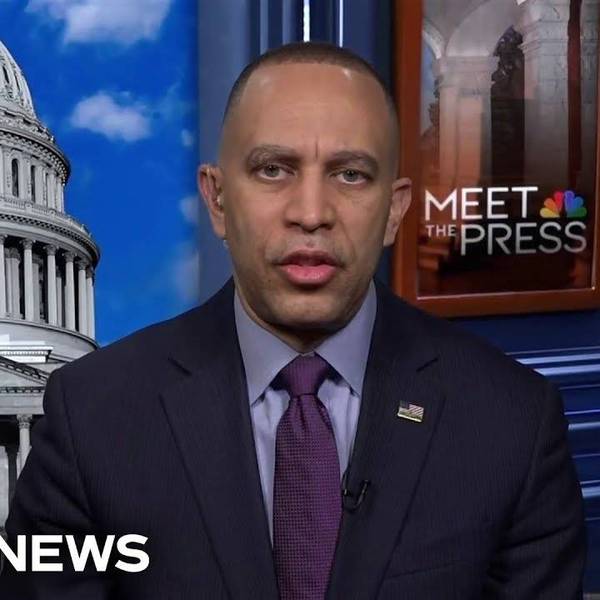
Senator Bernie Sanders, Elizabeth Warren, Cory Booker, and Jeff Merkley, are introducing a Medicare For All bill in the Senate. It's a model for where this nation needs to be headed.
Some background: American spending on health care per person is more than twice the average in the world's 35 advanced economies. Yet Americans are sicker, our lives are shorter, and we have more chronic illnesses than in any other advanced nation.
That's because medical care is so expensive for the typical American that many put off seeing a doctor until their health has seriously deteriorated.
Why is health care so much cheaper in other nations? Partly because their governments negotiate lower rates with health care providers. In France, the average cost of a magnetic resonance imaging exam is $363. In the United States, it's $1,121. There, an appendectomy costs $4,463. Here, it's $13,851.
The French can get lower rates because they cover everyone -- which gives them lots of bargaining power.
Other nations also don't have to pay the costs of private insurers shelling out billions of dollars a year for advertising and marketing -- much of it intended to attract healthier and younger people and avoid the sicker and older.
Nor do other nations have to pay boatloads of money to the shareholders and executives of big for-profit insurance companies.
Finally, they don't have to bear the high administrative costs of private insurers -- requiring endless paperwork to keep track of every procedure by every provider.
According to the Kaiser Family Foundation, Medicare's administrative costs are about 2 percent of its operating expenses. That's less than one-sixth the administrative costs of America's private insurers.
To make matters worse for Americans, the nation's private health insurers are merging like mad to suck in even more money from consumers and taxpayers by reducing competition.
At the same time, their focus on attracting healthy people and avoiding sick people is creating a vicious circle. Insurers that take in sicker and costlier patients lose money, which forces them to raise premiums, co-payments and deductibles. This, in turn, makes it harder for people most in need of health insurance to afford it.
This phenomenon has even plagued health exchanges under the Affordable Care Act.
Medicare for all would avoid all these problems and get lower prices and better care.
Ideally, it would be financed the same way Medicare and Social Security are financed, through the payroll tax. Wealthy Americans should pay a higher payroll tax rate and contribute more than lower-income people. But everyone would come out ahead because total health care costs would be far lower, and outcomes far better.
A Gallup poll conducted in May found that a majority of Americans would support such a system. A poll by the Pew Research Center shows that such support is growing, with 60 percent of Americans now saying government should be responsible for ensuring health care coverage for all Americans -- up from 51 percent last year.
Democrats are wise to seize the moment. The time has come for Medicare for all.
FINAL DAY! This is urgent.
Dear Common Dreams reader, It’s been nearly 30 years since I co-founded Common Dreams with my late wife, Lina Newhouser. We had the radical notion that journalism should serve the public good, not corporate profits. It was clear to us from the outset what it would take to build such a project. No paid advertisements. No corporate sponsors. No millionaire publisher telling us what to think or do. Many people said we wouldn't last a year, but we proved those doubters wrong. Together with a tremendous team of journalists and dedicated staff, we built an independent media outlet free from the constraints of profits and corporate control. Our mission from the outset was simple. To inform. To inspire. To ignite change for the common good. Building Common Dreams was not easy. Our survival was never guaranteed. When you take on the most powerful forces—Wall Street greed, fossil fuel industry destruction, Big Tech lobbyists, and uber-rich oligarchs who have spent billions upon billions rigging the economy and democracy in their favor—the only bulwark you have is supporters who believe in your work. But here’s the urgent message from me today. It’s never been this bad out there. And it’s never been this hard to keep us going. At the very moment Common Dreams is most needed and doing some of its best and most important work, the threats we face are intensifying. Right now, with just hours left in our Spring Campaign, we're still falling short of our make-or-break goal. When everyone does the little they can afford, we are strong. But if that support retreats or dries up, so do we. Can you make a gift right now to make sure Common Dreams not only survives but thrives? There is no backup plan or rainy day fund. There is only you. —Craig Brown, Co-founder |
Senator Bernie Sanders, Elizabeth Warren, Cory Booker, and Jeff Merkley, are introducing a Medicare For All bill in the Senate. It's a model for where this nation needs to be headed.
Some background: American spending on health care per person is more than twice the average in the world's 35 advanced economies. Yet Americans are sicker, our lives are shorter, and we have more chronic illnesses than in any other advanced nation.
That's because medical care is so expensive for the typical American that many put off seeing a doctor until their health has seriously deteriorated.
Why is health care so much cheaper in other nations? Partly because their governments negotiate lower rates with health care providers. In France, the average cost of a magnetic resonance imaging exam is $363. In the United States, it's $1,121. There, an appendectomy costs $4,463. Here, it's $13,851.
The French can get lower rates because they cover everyone -- which gives them lots of bargaining power.
Other nations also don't have to pay the costs of private insurers shelling out billions of dollars a year for advertising and marketing -- much of it intended to attract healthier and younger people and avoid the sicker and older.
Nor do other nations have to pay boatloads of money to the shareholders and executives of big for-profit insurance companies.
Finally, they don't have to bear the high administrative costs of private insurers -- requiring endless paperwork to keep track of every procedure by every provider.
According to the Kaiser Family Foundation, Medicare's administrative costs are about 2 percent of its operating expenses. That's less than one-sixth the administrative costs of America's private insurers.
To make matters worse for Americans, the nation's private health insurers are merging like mad to suck in even more money from consumers and taxpayers by reducing competition.
At the same time, their focus on attracting healthy people and avoiding sick people is creating a vicious circle. Insurers that take in sicker and costlier patients lose money, which forces them to raise premiums, co-payments and deductibles. This, in turn, makes it harder for people most in need of health insurance to afford it.
This phenomenon has even plagued health exchanges under the Affordable Care Act.
Medicare for all would avoid all these problems and get lower prices and better care.
Ideally, it would be financed the same way Medicare and Social Security are financed, through the payroll tax. Wealthy Americans should pay a higher payroll tax rate and contribute more than lower-income people. But everyone would come out ahead because total health care costs would be far lower, and outcomes far better.
A Gallup poll conducted in May found that a majority of Americans would support such a system. A poll by the Pew Research Center shows that such support is growing, with 60 percent of Americans now saying government should be responsible for ensuring health care coverage for all Americans -- up from 51 percent last year.
Democrats are wise to seize the moment. The time has come for Medicare for all.
Senator Bernie Sanders, Elizabeth Warren, Cory Booker, and Jeff Merkley, are introducing a Medicare For All bill in the Senate. It's a model for where this nation needs to be headed.
Some background: American spending on health care per person is more than twice the average in the world's 35 advanced economies. Yet Americans are sicker, our lives are shorter, and we have more chronic illnesses than in any other advanced nation.
That's because medical care is so expensive for the typical American that many put off seeing a doctor until their health has seriously deteriorated.
Why is health care so much cheaper in other nations? Partly because their governments negotiate lower rates with health care providers. In France, the average cost of a magnetic resonance imaging exam is $363. In the United States, it's $1,121. There, an appendectomy costs $4,463. Here, it's $13,851.
The French can get lower rates because they cover everyone -- which gives them lots of bargaining power.
Other nations also don't have to pay the costs of private insurers shelling out billions of dollars a year for advertising and marketing -- much of it intended to attract healthier and younger people and avoid the sicker and older.
Nor do other nations have to pay boatloads of money to the shareholders and executives of big for-profit insurance companies.
Finally, they don't have to bear the high administrative costs of private insurers -- requiring endless paperwork to keep track of every procedure by every provider.
According to the Kaiser Family Foundation, Medicare's administrative costs are about 2 percent of its operating expenses. That's less than one-sixth the administrative costs of America's private insurers.
To make matters worse for Americans, the nation's private health insurers are merging like mad to suck in even more money from consumers and taxpayers by reducing competition.
At the same time, their focus on attracting healthy people and avoiding sick people is creating a vicious circle. Insurers that take in sicker and costlier patients lose money, which forces them to raise premiums, co-payments and deductibles. This, in turn, makes it harder for people most in need of health insurance to afford it.
This phenomenon has even plagued health exchanges under the Affordable Care Act.
Medicare for all would avoid all these problems and get lower prices and better care.
Ideally, it would be financed the same way Medicare and Social Security are financed, through the payroll tax. Wealthy Americans should pay a higher payroll tax rate and contribute more than lower-income people. But everyone would come out ahead because total health care costs would be far lower, and outcomes far better.
A Gallup poll conducted in May found that a majority of Americans would support such a system. A poll by the Pew Research Center shows that such support is growing, with 60 percent of Americans now saying government should be responsible for ensuring health care coverage for all Americans -- up from 51 percent last year.
Democrats are wise to seize the moment. The time has come for Medicare for all.