Facing up to the Climate Reality
In what is expected to be a grim reading, the world's leading climate scientists will give their latest assessment about the dangers of global warming next week.
They will warn us not only what damage the burning of fossil fuels is already causing across the globe, but also shed light on the future climate impacts we can expect during the lifetimes of children born today, depending on the choices we make now and in the future.
If you can't wait, check out the video from the World Bank, which sums up in two minutes what the Intergovernmental Panel on Climate Change (IPCC) will elaborate on in more than 2,000 pages after finalising its study in Japan this week.
The report follows another wave of weird weather extremes around the world, from the blistering heatwaves in Australia or ferociously cold weather in North America to flooding in the UK and the devastating Supertyphoon Haiyan in the Philippines. Millions of people suffered as a result, losing homes, livelihoods - on top of the lives lost.
These events have not happened in isolation.
Last year the World Meteorological Organisation (WMO) said the world experienced unprecedented high-impact climate extremes during 2001-2010 - the warmest decade since the start of modern measurements in 1850. It was dubbed the decade of climate extremes.
Is this climate change slipping out of control?
Well, the first part of the IPCC's fifth Assessment Report, launched last September, outlined how our greenhouse gas pollution has already warmed the atmosphere and oceans, melted glaciers, raised sea levels, changed water cycles and worsened some extreme weather events.
There also are alarming signs of accelerating impacts. In the years 2002-2011, the Greenland ice sheet was losing mass about six times faster on average than the preceding decade. Similarly, the Antarctic ice sheet lost mass five times faster.
Since 1993 sea levels have risen twice as fast than they did in the past century on average, and sea ice extent in the Arctic diminished significantly faster than projected.
So do we really need yet another warning? Will it make any difference?
The difference this time is that a key focus in the upcoming IPCC report is on choice.
Either we reduce and manage the risks ahead and do what's needed to keep warming as far below 2 degrees Celsius as possible, or we continue to do too little too late, drifting from crisis to crisis and on towards a disastrous 4 degrees world. The IPCC will paint a picture of both these possible futures.
Today we are in a situation where governments have promised to keep warming below 2 degrees Celsius but are heading instead towards a 4 degree world. They are neither preparing for a 2 degree nor a 4 degree world, trying to ignore the megatrend of climate change.
The truth is they can't ignore it. That's what the UK Environment Secretary Owen Paterson, a climate change denier, had to learn recently in the middle of the devastating UK floods.
In a climate-constrained world there is no business as usual. Building new coal plants with massive water footprints in areas that are already suffering from water shortage, soon to be exacerbated by climate change, is just not going to work.
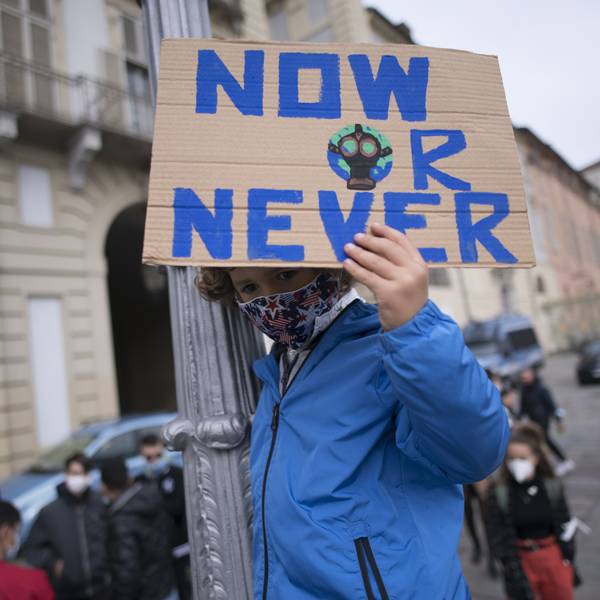
Not everyone is hiding their head in the sand though. Millions of people around the world are already facing the reality of climate change and responding to it. They are preparing for a world that phases out fossil fuels and they are already making a difference.
Coal plants are being cancelled and self-controlled renewable energy systems installed. The fossil fuel divestment campaign is swiftly growing and people are standing up in millions to protect our forests, the Arctic and other riches threatened by climate change.
We can still prevent catastrophic climate change, but we need to get on with it.
Click here for a Greenpeace preview of the IPCC WG II report.
Click here for a briefing on Japan's climate and energy challenge.
World Could Be 4 Degrees Hotter By End of This Centuryhttps://www.worldbank.org/climatechange - The World Bank warns that rising temperatures could be disastrous, and urges more ...
We are at a crossroads
This country and this world are at a monumental crossroads. In a few short weeks, US voters will have an opportunity to beat back the forces of fascism and confront the billionaires who are rigging the economy, our media system, and our democracy, making it increasingly impossible for ordinary people to get by. We’re not just talking about the election. We’re talking about what must be done once these fascist elements are vanquished from power. We need a bolder set of solutions than what either major party has so far been willing to offer and a working-class movement ready to fight like hell for it. Trump didn't emerge from nowhere. The conditions that fueled MAGA authoritarianism were created by decades of radical neoliberal economic policies and a corrupt political system dominated by corporate interests. They slashed taxes on the super-rich, promising that the benefits would trickle down. They said giveaways to the corporate titans would make life more affordable for the rest of us. It was all bullshit. And when a bitter, betrayed populace searches for someone to blame, right-wing demagogues have little trouble finding scapegoats. People know when they're being lied to, but you won't hear any of this from the corporate media. Only independent journalism—powered and funded by people who believe in building a better world—can deliver truly trustworthy daily news. Our Fall Campaign is underway, and we need your help. To power our newsroom through the rest of the year, we need to raise $125,000 by midnight on October 31. So if you share our vision, please contribute whatever you can to sustain our work. |
In what is expected to be a grim reading, the world's leading climate scientists will give their latest assessment about the dangers of global warming next week.
They will warn us not only what damage the burning of fossil fuels is already causing across the globe, but also shed light on the future climate impacts we can expect during the lifetimes of children born today, depending on the choices we make now and in the future.
If you can't wait, check out the video from the World Bank, which sums up in two minutes what the Intergovernmental Panel on Climate Change (IPCC) will elaborate on in more than 2,000 pages after finalising its study in Japan this week.
The report follows another wave of weird weather extremes around the world, from the blistering heatwaves in Australia or ferociously cold weather in North America to flooding in the UK and the devastating Supertyphoon Haiyan in the Philippines. Millions of people suffered as a result, losing homes, livelihoods - on top of the lives lost.
These events have not happened in isolation.
Last year the World Meteorological Organisation (WMO) said the world experienced unprecedented high-impact climate extremes during 2001-2010 - the warmest decade since the start of modern measurements in 1850. It was dubbed the decade of climate extremes.
Is this climate change slipping out of control?
Well, the first part of the IPCC's fifth Assessment Report, launched last September, outlined how our greenhouse gas pollution has already warmed the atmosphere and oceans, melted glaciers, raised sea levels, changed water cycles and worsened some extreme weather events.
There also are alarming signs of accelerating impacts. In the years 2002-2011, the Greenland ice sheet was losing mass about six times faster on average than the preceding decade. Similarly, the Antarctic ice sheet lost mass five times faster.
Since 1993 sea levels have risen twice as fast than they did in the past century on average, and sea ice extent in the Arctic diminished significantly faster than projected.
So do we really need yet another warning? Will it make any difference?
The difference this time is that a key focus in the upcoming IPCC report is on choice.
Either we reduce and manage the risks ahead and do what's needed to keep warming as far below 2 degrees Celsius as possible, or we continue to do too little too late, drifting from crisis to crisis and on towards a disastrous 4 degrees world. The IPCC will paint a picture of both these possible futures.
Today we are in a situation where governments have promised to keep warming below 2 degrees Celsius but are heading instead towards a 4 degree world. They are neither preparing for a 2 degree nor a 4 degree world, trying to ignore the megatrend of climate change.
The truth is they can't ignore it. That's what the UK Environment Secretary Owen Paterson, a climate change denier, had to learn recently in the middle of the devastating UK floods.
In a climate-constrained world there is no business as usual. Building new coal plants with massive water footprints in areas that are already suffering from water shortage, soon to be exacerbated by climate change, is just not going to work.
Not everyone is hiding their head in the sand though. Millions of people around the world are already facing the reality of climate change and responding to it. They are preparing for a world that phases out fossil fuels and they are already making a difference.
Coal plants are being cancelled and self-controlled renewable energy systems installed. The fossil fuel divestment campaign is swiftly growing and people are standing up in millions to protect our forests, the Arctic and other riches threatened by climate change.
We can still prevent catastrophic climate change, but we need to get on with it.
Click here for a Greenpeace preview of the IPCC WG II report.
Click here for a briefing on Japan's climate and energy challenge.
World Could Be 4 Degrees Hotter By End of This Centuryhttps://www.worldbank.org/climatechange - The World Bank warns that rising temperatures could be disastrous, and urges more ...
In what is expected to be a grim reading, the world's leading climate scientists will give their latest assessment about the dangers of global warming next week.
They will warn us not only what damage the burning of fossil fuels is already causing across the globe, but also shed light on the future climate impacts we can expect during the lifetimes of children born today, depending on the choices we make now and in the future.
If you can't wait, check out the video from the World Bank, which sums up in two minutes what the Intergovernmental Panel on Climate Change (IPCC) will elaborate on in more than 2,000 pages after finalising its study in Japan this week.
The report follows another wave of weird weather extremes around the world, from the blistering heatwaves in Australia or ferociously cold weather in North America to flooding in the UK and the devastating Supertyphoon Haiyan in the Philippines. Millions of people suffered as a result, losing homes, livelihoods - on top of the lives lost.
These events have not happened in isolation.
Last year the World Meteorological Organisation (WMO) said the world experienced unprecedented high-impact climate extremes during 2001-2010 - the warmest decade since the start of modern measurements in 1850. It was dubbed the decade of climate extremes.
Is this climate change slipping out of control?
Well, the first part of the IPCC's fifth Assessment Report, launched last September, outlined how our greenhouse gas pollution has already warmed the atmosphere and oceans, melted glaciers, raised sea levels, changed water cycles and worsened some extreme weather events.
There also are alarming signs of accelerating impacts. In the years 2002-2011, the Greenland ice sheet was losing mass about six times faster on average than the preceding decade. Similarly, the Antarctic ice sheet lost mass five times faster.
Since 1993 sea levels have risen twice as fast than they did in the past century on average, and sea ice extent in the Arctic diminished significantly faster than projected.
So do we really need yet another warning? Will it make any difference?
The difference this time is that a key focus in the upcoming IPCC report is on choice.
Either we reduce and manage the risks ahead and do what's needed to keep warming as far below 2 degrees Celsius as possible, or we continue to do too little too late, drifting from crisis to crisis and on towards a disastrous 4 degrees world. The IPCC will paint a picture of both these possible futures.
Today we are in a situation where governments have promised to keep warming below 2 degrees Celsius but are heading instead towards a 4 degree world. They are neither preparing for a 2 degree nor a 4 degree world, trying to ignore the megatrend of climate change.
The truth is they can't ignore it. That's what the UK Environment Secretary Owen Paterson, a climate change denier, had to learn recently in the middle of the devastating UK floods.
In a climate-constrained world there is no business as usual. Building new coal plants with massive water footprints in areas that are already suffering from water shortage, soon to be exacerbated by climate change, is just not going to work.
Not everyone is hiding their head in the sand though. Millions of people around the world are already facing the reality of climate change and responding to it. They are preparing for a world that phases out fossil fuels and they are already making a difference.
Coal plants are being cancelled and self-controlled renewable energy systems installed. The fossil fuel divestment campaign is swiftly growing and people are standing up in millions to protect our forests, the Arctic and other riches threatened by climate change.
We can still prevent catastrophic climate change, but we need to get on with it.
Click here for a Greenpeace preview of the IPCC WG II report.
Click here for a briefing on Japan's climate and energy challenge.
World Could Be 4 Degrees Hotter By End of This Centuryhttps://www.worldbank.org/climatechange - The World Bank warns that rising temperatures could be disastrous, and urges more ...