SUBSCRIBE TO OUR FREE NEWSLETTER
Daily news & progressive opinion—funded by the people, not the corporations—delivered straight to your inbox.
5
#000000
#FFFFFF
To donate by check, phone, or other method, see our More Ways to Give page.
That said, many of the report's recommendations should be implemented and supported locally, provincially and nationally to reduce the risks of obesity. Encouraging parents and children to be more critical about dietary choices and requiring more information and labelling from restaurants and food producers is long overdue.
Ontario isn't the only province working to reduce obesity rates and support parents raising healthy children, particularly in the early years. Alberta released relevant reports in 2011 and Quebec has had a ban on advertising junk food to children since 1980. No one can argue against public awareness and education around the benefits of healthy eating and active living. But a provincial, patchwork approach to addressing these issues isn't enough. We need a national strategy to get our kids eating healthy foods and being active in nature.
Although it seems logical that much of the time spent being active will take place outside, the Ontario report acknowledges that "many communities are not designed to encourage kids to move or be physically active...and have few safe green spaces." One parent in a focus group explains that the parks in his community are either gated or locked up once school is closed. So, even when there is green space, it's not always accessible.
Last year, the David Suzuki Foundation conducted a survey with young Canadians and found that 70 percent spend an hour or less a day outdoors. The 2012 Active Healthy Kids Canada Report Card says they spend almost eight hours a day in front of screens. So it's not that kids don't have time to be outside. It's just not part of their lifestyle.
Much has been reported about a recommendation by the Ontario panel to ban junk food advertising that targets children under 12. This has worked in Quebec and is being discussed in Alberta. But the approach has invited criticism from those who argue that people should have the right to choose. It's always tempting to focus on making bad things less accessible, but perhaps policy-makers should be more creative and focus on ways to make good things more accessible.
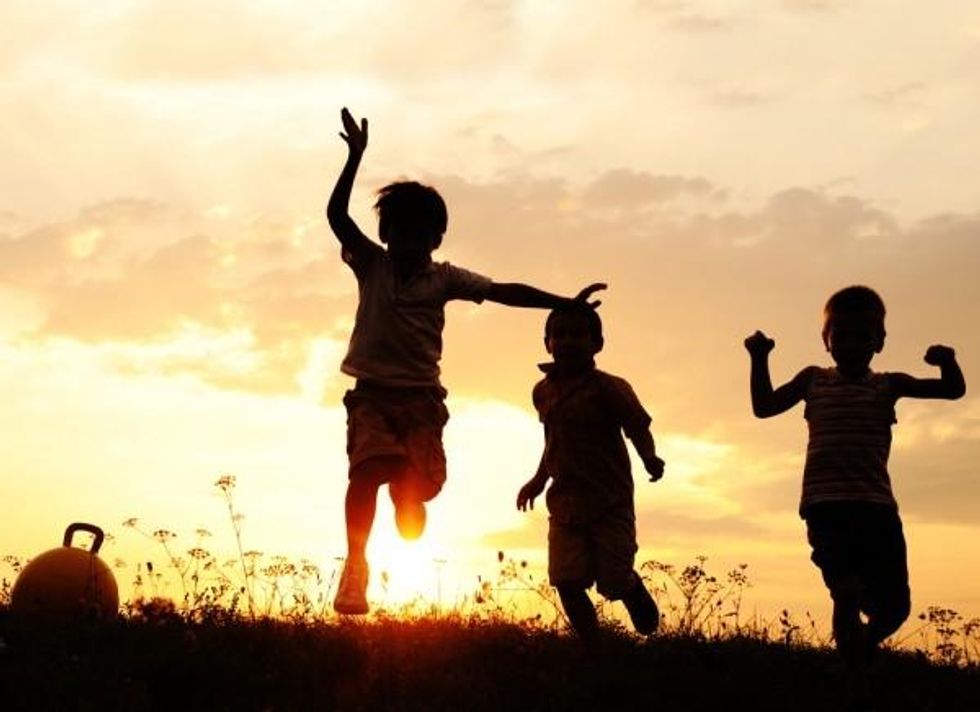
Being in nature is good for all of us. People who get outside regularly are less stressed, have more resilient immune systems and are generally happier. And it's good for our kids. Studies show spending time in nature or green spaces helps reduce the symptoms of ADHD. Even in built playgrounds, kids spend twice as much time playing, use their imaginations more and engage in more aerobic and strengthening activities when the space incorporates natural elements like logs, flowers and small streams, according to research from the University of Tennessee at Knoxville.
Despite all the obvious health benefits of spending time outside, provincial and federal governments are failing to integrate a daily dose of nature into their policies. It's also something we as a society are failing to make a priority in the lives of our children. This inexpensive and effective way to make our lives healthier and happier should be an obvious solution.
We need to make sure our neighbourhoods have green spaces where people can explore their connections with nature. We need to ask teachers and school board representatives to take students outside so that nature becomes a classroom. And we need to stop making the outdoors seem like a scary place for children by helping parents understand that the benefits of playing outside outweigh the risks.
It will take public education and awareness-building as well as changes to the way we build cities and live in our communities to bring nature back into our lives. Connecting kids to nature every day needs to be a priority policy objective in any strategy for healthy children and could easily have been integrated into the recommendations from the Ontario Healthy Kids Panel. Taking our kids by the hand and spending time outside with them will have the added benefit of making us healthier and happier adults.
Written with contributions from David Suzuki Foundation Communications Specialist Leanne Clare. Learn more at www.davidsuzuki.org
That said, many of the report's recommendations should be implemented and supported locally, provincially and nationally to reduce the risks of obesity. Encouraging parents and children to be more critical about dietary choices and requiring more information and labelling from restaurants and food producers is long overdue.
Ontario isn't the only province working to reduce obesity rates and support parents raising healthy children, particularly in the early years. Alberta released relevant reports in 2011 and Quebec has had a ban on advertising junk food to children since 1980. No one can argue against public awareness and education around the benefits of healthy eating and active living. But a provincial, patchwork approach to addressing these issues isn't enough. We need a national strategy to get our kids eating healthy foods and being active in nature.
Although it seems logical that much of the time spent being active will take place outside, the Ontario report acknowledges that "many communities are not designed to encourage kids to move or be physically active...and have few safe green spaces." One parent in a focus group explains that the parks in his community are either gated or locked up once school is closed. So, even when there is green space, it's not always accessible.
Last year, the David Suzuki Foundation conducted a survey with young Canadians and found that 70 percent spend an hour or less a day outdoors. The 2012 Active Healthy Kids Canada Report Card says they spend almost eight hours a day in front of screens. So it's not that kids don't have time to be outside. It's just not part of their lifestyle.
Much has been reported about a recommendation by the Ontario panel to ban junk food advertising that targets children under 12. This has worked in Quebec and is being discussed in Alberta. But the approach has invited criticism from those who argue that people should have the right to choose. It's always tempting to focus on making bad things less accessible, but perhaps policy-makers should be more creative and focus on ways to make good things more accessible.
Being in nature is good for all of us. People who get outside regularly are less stressed, have more resilient immune systems and are generally happier. And it's good for our kids. Studies show spending time in nature or green spaces helps reduce the symptoms of ADHD. Even in built playgrounds, kids spend twice as much time playing, use their imaginations more and engage in more aerobic and strengthening activities when the space incorporates natural elements like logs, flowers and small streams, according to research from the University of Tennessee at Knoxville.
Despite all the obvious health benefits of spending time outside, provincial and federal governments are failing to integrate a daily dose of nature into their policies. It's also something we as a society are failing to make a priority in the lives of our children. This inexpensive and effective way to make our lives healthier and happier should be an obvious solution.
We need to make sure our neighbourhoods have green spaces where people can explore their connections with nature. We need to ask teachers and school board representatives to take students outside so that nature becomes a classroom. And we need to stop making the outdoors seem like a scary place for children by helping parents understand that the benefits of playing outside outweigh the risks.
It will take public education and awareness-building as well as changes to the way we build cities and live in our communities to bring nature back into our lives. Connecting kids to nature every day needs to be a priority policy objective in any strategy for healthy children and could easily have been integrated into the recommendations from the Ontario Healthy Kids Panel. Taking our kids by the hand and spending time outside with them will have the added benefit of making us healthier and happier adults.
Written with contributions from David Suzuki Foundation Communications Specialist Leanne Clare. Learn more at www.davidsuzuki.org
That said, many of the report's recommendations should be implemented and supported locally, provincially and nationally to reduce the risks of obesity. Encouraging parents and children to be more critical about dietary choices and requiring more information and labelling from restaurants and food producers is long overdue.
Ontario isn't the only province working to reduce obesity rates and support parents raising healthy children, particularly in the early years. Alberta released relevant reports in 2011 and Quebec has had a ban on advertising junk food to children since 1980. No one can argue against public awareness and education around the benefits of healthy eating and active living. But a provincial, patchwork approach to addressing these issues isn't enough. We need a national strategy to get our kids eating healthy foods and being active in nature.
Although it seems logical that much of the time spent being active will take place outside, the Ontario report acknowledges that "many communities are not designed to encourage kids to move or be physically active...and have few safe green spaces." One parent in a focus group explains that the parks in his community are either gated or locked up once school is closed. So, even when there is green space, it's not always accessible.
Last year, the David Suzuki Foundation conducted a survey with young Canadians and found that 70 percent spend an hour or less a day outdoors. The 2012 Active Healthy Kids Canada Report Card says they spend almost eight hours a day in front of screens. So it's not that kids don't have time to be outside. It's just not part of their lifestyle.
Much has been reported about a recommendation by the Ontario panel to ban junk food advertising that targets children under 12. This has worked in Quebec and is being discussed in Alberta. But the approach has invited criticism from those who argue that people should have the right to choose. It's always tempting to focus on making bad things less accessible, but perhaps policy-makers should be more creative and focus on ways to make good things more accessible.
Being in nature is good for all of us. People who get outside regularly are less stressed, have more resilient immune systems and are generally happier. And it's good for our kids. Studies show spending time in nature or green spaces helps reduce the symptoms of ADHD. Even in built playgrounds, kids spend twice as much time playing, use their imaginations more and engage in more aerobic and strengthening activities when the space incorporates natural elements like logs, flowers and small streams, according to research from the University of Tennessee at Knoxville.
Despite all the obvious health benefits of spending time outside, provincial and federal governments are failing to integrate a daily dose of nature into their policies. It's also something we as a society are failing to make a priority in the lives of our children. This inexpensive and effective way to make our lives healthier and happier should be an obvious solution.
We need to make sure our neighbourhoods have green spaces where people can explore their connections with nature. We need to ask teachers and school board representatives to take students outside so that nature becomes a classroom. And we need to stop making the outdoors seem like a scary place for children by helping parents understand that the benefits of playing outside outweigh the risks.
It will take public education and awareness-building as well as changes to the way we build cities and live in our communities to bring nature back into our lives. Connecting kids to nature every day needs to be a priority policy objective in any strategy for healthy children and could easily have been integrated into the recommendations from the Ontario Healthy Kids Panel. Taking our kids by the hand and spending time outside with them will have the added benefit of making us healthier and happier adults.
Written with contributions from David Suzuki Foundation Communications Specialist Leanne Clare. Learn more at www.davidsuzuki.org