SUBSCRIBE TO OUR FREE NEWSLETTER
Daily news & progressive opinion—funded by the people, not the corporations—delivered straight to your inbox.
5
#000000
#FFFFFF
To donate by check, phone, or other method, see our More Ways to Give page.
Daily news & progressive opinion—funded by the people, not the corporations—delivered straight to your inbox.
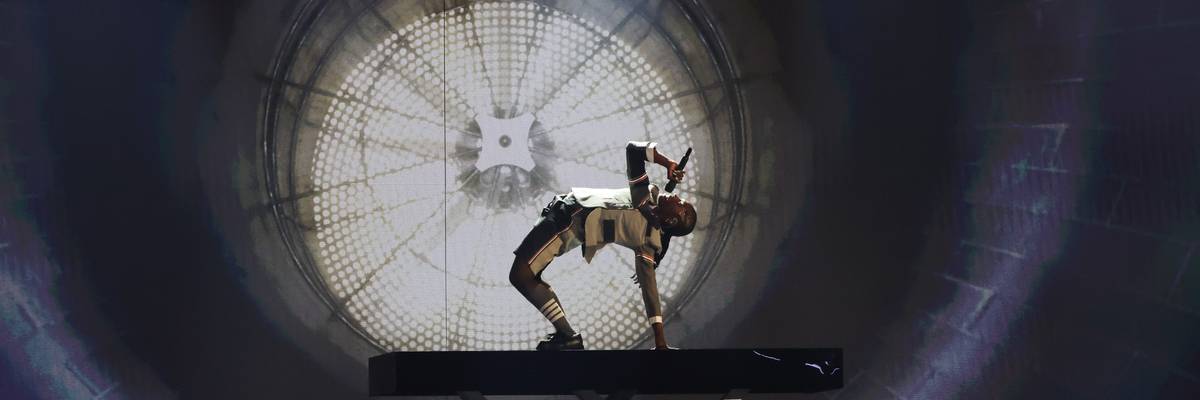
Doechii performs onstage during the 67th Annual GRAMMY Awards at Crypto.com Arena on February 2, 2025 in Los Angeles, California.
Just as church hymns carried our ancestors through hardships, our music today carries forward the spirit of every Black, queer person who dared to dream of visibility and freedom.
Music has always been at the very heartbeat of Black culture. Through harmonies, we have found community. Through lyrics, we have found healing. Through dance, we have found freedom in our bodies. And through the drumbeat of music, we have found resistance.
From the spirituals sung by our ancestors on the very land I stand today, to the hymns sweetly sung in my childhood church, to the bass-rattling house music in gay clubs throughout Houston, music has always connected me to my culture. And suddenly, as things begin to feel more quiet on a national stage, I am reminded that the music of Black and queer voices must keep playing, louder than ever before.
I discovered this month that Black History Month quietly vanished from my Google Calendar. Pride was gone too—a so-called “small” omission that represents something much larger and more sinister. This quiet erasure of history is becoming commonplace in public and private spaces, and it speaks volumes. With the cancellation of the Gay Men’s Chorus at the Kennedy Center, the oppressive tides of “Don’t Say Gay” legislation, the transphobic rhetoric, the defunding of LGBTQ+ healthcare and art, and the anti-DEI movements trying their hardest to erase Black and queer identities, making noise remains an act of rebellion.
Black, queer music cannot be ignored or sanitized or whitewashed or undervalued for the next four years, which means Black, queer creators need to be paid, be on the main stages, be given the mic at the awards ceremonies, and be given their flowers for the culture they sustain.
But the history of Black music cannot be rewritten to fit dominant narratives because it is the history of resistance itself. Church hymns and spirituals carried prayers and codes for the enslaved. Blues gave us a place to voice the injustices we endured. Jazz was birthed from the need for freedom of expression. Hip-hop became our weapon to challenge our oppressors. And our many contributions—too often uncredited—built the foundation for rock, country, pop, house, dance, and so much more.
And queer artists have been pivotal to this story. Billy Strayhorn, Duke Ellington’s openly gay composer, brought undeniable brilliance to the jazz world. Billie Holiday turned her voice into a protest. Little Richard, known fondly as the “King of Rock and Roll,” shattered norms and sang about his desires with the kind of joy that felt revolutionary. Sylvester, the “Queen of Disco,” gave us revolutionary anthems of love and resilience while fighting on the frontlines of the HIV/AIDS epidemic. Gospel music would cease to exist if the Black, queer writers, singers, and composers were erased.
Even today, Black LGBTQ+ artists are breaking records and capturing the world’s attention. Big Freedia is the New Orleans “Queen of Bounce” whose music and style have been sampled by some of the biggest artists today. Lil Nas X is bending genres and expectations for Black male rappers. Doechii captivated everyone watching this year’s Grammys and used her speech as a message of hope for Black and queer creators. These artists are showing that the power of being visible and unrelenting in their truth extends far beyond music charts.
But here’s the truth we can’t ignore—many of the icons that came before them, or are their peers today, still have to hide who they were and are. Societal pressures and safety concerns force them into invisibility. And now fear remains that if billion-dollar industries are cowering to current political climates, what will that mean for Black, queer creators?
That is why it is so important to support Black and queer creators, through hiring, funding, streaming, and screaming their songs at the top of our lungs. Their music doesn’t just entertain; it liberates. It mends spirits and moves people to think, to feel, and to act. It’s an instrument of resistance and a tool to drown out this world’s hate. Black, queer music cannot be ignored or sanitized or whitewashed or undervalued for the next four years, which means Black, queer creators need to be paid, be on the main stages, be given the mic at the awards ceremonies, and be given their flowers for the culture they sustain.
When The Normal Anomaly started BQAF (Black Queer AF) Music Festival in Houston, Texas four years ago, it was not created to be a demonstration. We just believed the power of music could bring people together, and—since no one in Texas had done it before—to center it around Black, queer, and allied artists we loved seemed logical. Now, it is the track list to a freedom song so necessary to repeat to quiet the deafening sounds of hate and fear for the community.
That’s why we’re unapologetically taking up space and taking the stage at this year’s BQAF Music Festival, an all-Black queer and allied lineup. For our fourth iteration, our theme this year is VISIBILITY. This music festival is a love letter to our community and our message to the nation and the world—we won’t be erased or silenced. We will be seen, heard, felt, and celebrated. We are turning the volume all the way up—not just for Houston to hear, but for every person across this country who has been made to feel like their identity does not deserve respect or recognition.
We’ve built momentum as a community. Black, queer artists are out here breaking records, genres, and boundaries. And we will not halt this progress. Just as church hymns carried our ancestors through hardships, our music today carries forward the spirit of every Black, queer person who dared to dream of visibility and freedom. Together, we’ll send a message to every lawmaker and system working against us. They may try to silence us, but Black and queer music will always be louder.
As long as there is air in my lungs, I will have a song to sing that fills the silence with the beauty, resilience, and limitless brilliance of our culture.
Dear Common Dreams reader, It’s been nearly 30 years since I co-founded Common Dreams with my late wife, Lina Newhouser. We had the radical notion that journalism should serve the public good, not corporate profits. It was clear to us from the outset what it would take to build such a project. No paid advertisements. No corporate sponsors. No millionaire publisher telling us what to think or do. Many people said we wouldn't last a year, but we proved those doubters wrong. Together with a tremendous team of journalists and dedicated staff, we built an independent media outlet free from the constraints of profits and corporate control. Our mission has always been simple: To inform. To inspire. To ignite change for the common good. Building Common Dreams was not easy. Our survival was never guaranteed. When you take on the most powerful forces—Wall Street greed, fossil fuel industry destruction, Big Tech lobbyists, and uber-rich oligarchs who have spent billions upon billions rigging the economy and democracy in their favor—the only bulwark you have is supporters who believe in your work. But here’s the urgent message from me today. It's never been this bad out there. And it's never been this hard to keep us going. At the very moment Common Dreams is most needed, the threats we face are intensifying. We need your support now more than ever. We don't accept corporate advertising and never will. We don't have a paywall because we don't think people should be blocked from critical news based on their ability to pay. Everything we do is funded by the donations of readers like you. When everyone does the little they can afford, we are strong. But if that support retreats or dries up, so do we. Will you donate now to make sure Common Dreams not only survives but thrives? —Craig Brown, Co-founder |
Music has always been at the very heartbeat of Black culture. Through harmonies, we have found community. Through lyrics, we have found healing. Through dance, we have found freedom in our bodies. And through the drumbeat of music, we have found resistance.
From the spirituals sung by our ancestors on the very land I stand today, to the hymns sweetly sung in my childhood church, to the bass-rattling house music in gay clubs throughout Houston, music has always connected me to my culture. And suddenly, as things begin to feel more quiet on a national stage, I am reminded that the music of Black and queer voices must keep playing, louder than ever before.
I discovered this month that Black History Month quietly vanished from my Google Calendar. Pride was gone too—a so-called “small” omission that represents something much larger and more sinister. This quiet erasure of history is becoming commonplace in public and private spaces, and it speaks volumes. With the cancellation of the Gay Men’s Chorus at the Kennedy Center, the oppressive tides of “Don’t Say Gay” legislation, the transphobic rhetoric, the defunding of LGBTQ+ healthcare and art, and the anti-DEI movements trying their hardest to erase Black and queer identities, making noise remains an act of rebellion.
Black, queer music cannot be ignored or sanitized or whitewashed or undervalued for the next four years, which means Black, queer creators need to be paid, be on the main stages, be given the mic at the awards ceremonies, and be given their flowers for the culture they sustain.
But the history of Black music cannot be rewritten to fit dominant narratives because it is the history of resistance itself. Church hymns and spirituals carried prayers and codes for the enslaved. Blues gave us a place to voice the injustices we endured. Jazz was birthed from the need for freedom of expression. Hip-hop became our weapon to challenge our oppressors. And our many contributions—too often uncredited—built the foundation for rock, country, pop, house, dance, and so much more.
And queer artists have been pivotal to this story. Billy Strayhorn, Duke Ellington’s openly gay composer, brought undeniable brilliance to the jazz world. Billie Holiday turned her voice into a protest. Little Richard, known fondly as the “King of Rock and Roll,” shattered norms and sang about his desires with the kind of joy that felt revolutionary. Sylvester, the “Queen of Disco,” gave us revolutionary anthems of love and resilience while fighting on the frontlines of the HIV/AIDS epidemic. Gospel music would cease to exist if the Black, queer writers, singers, and composers were erased.
Even today, Black LGBTQ+ artists are breaking records and capturing the world’s attention. Big Freedia is the New Orleans “Queen of Bounce” whose music and style have been sampled by some of the biggest artists today. Lil Nas X is bending genres and expectations for Black male rappers. Doechii captivated everyone watching this year’s Grammys and used her speech as a message of hope for Black and queer creators. These artists are showing that the power of being visible and unrelenting in their truth extends far beyond music charts.
But here’s the truth we can’t ignore—many of the icons that came before them, or are their peers today, still have to hide who they were and are. Societal pressures and safety concerns force them into invisibility. And now fear remains that if billion-dollar industries are cowering to current political climates, what will that mean for Black, queer creators?
That is why it is so important to support Black and queer creators, through hiring, funding, streaming, and screaming their songs at the top of our lungs. Their music doesn’t just entertain; it liberates. It mends spirits and moves people to think, to feel, and to act. It’s an instrument of resistance and a tool to drown out this world’s hate. Black, queer music cannot be ignored or sanitized or whitewashed or undervalued for the next four years, which means Black, queer creators need to be paid, be on the main stages, be given the mic at the awards ceremonies, and be given their flowers for the culture they sustain.
When The Normal Anomaly started BQAF (Black Queer AF) Music Festival in Houston, Texas four years ago, it was not created to be a demonstration. We just believed the power of music could bring people together, and—since no one in Texas had done it before—to center it around Black, queer, and allied artists we loved seemed logical. Now, it is the track list to a freedom song so necessary to repeat to quiet the deafening sounds of hate and fear for the community.
That’s why we’re unapologetically taking up space and taking the stage at this year’s BQAF Music Festival, an all-Black queer and allied lineup. For our fourth iteration, our theme this year is VISIBILITY. This music festival is a love letter to our community and our message to the nation and the world—we won’t be erased or silenced. We will be seen, heard, felt, and celebrated. We are turning the volume all the way up—not just for Houston to hear, but for every person across this country who has been made to feel like their identity does not deserve respect or recognition.
We’ve built momentum as a community. Black, queer artists are out here breaking records, genres, and boundaries. And we will not halt this progress. Just as church hymns carried our ancestors through hardships, our music today carries forward the spirit of every Black, queer person who dared to dream of visibility and freedom. Together, we’ll send a message to every lawmaker and system working against us. They may try to silence us, but Black and queer music will always be louder.
As long as there is air in my lungs, I will have a song to sing that fills the silence with the beauty, resilience, and limitless brilliance of our culture.
Music has always been at the very heartbeat of Black culture. Through harmonies, we have found community. Through lyrics, we have found healing. Through dance, we have found freedom in our bodies. And through the drumbeat of music, we have found resistance.
From the spirituals sung by our ancestors on the very land I stand today, to the hymns sweetly sung in my childhood church, to the bass-rattling house music in gay clubs throughout Houston, music has always connected me to my culture. And suddenly, as things begin to feel more quiet on a national stage, I am reminded that the music of Black and queer voices must keep playing, louder than ever before.
I discovered this month that Black History Month quietly vanished from my Google Calendar. Pride was gone too—a so-called “small” omission that represents something much larger and more sinister. This quiet erasure of history is becoming commonplace in public and private spaces, and it speaks volumes. With the cancellation of the Gay Men’s Chorus at the Kennedy Center, the oppressive tides of “Don’t Say Gay” legislation, the transphobic rhetoric, the defunding of LGBTQ+ healthcare and art, and the anti-DEI movements trying their hardest to erase Black and queer identities, making noise remains an act of rebellion.
Black, queer music cannot be ignored or sanitized or whitewashed or undervalued for the next four years, which means Black, queer creators need to be paid, be on the main stages, be given the mic at the awards ceremonies, and be given their flowers for the culture they sustain.
But the history of Black music cannot be rewritten to fit dominant narratives because it is the history of resistance itself. Church hymns and spirituals carried prayers and codes for the enslaved. Blues gave us a place to voice the injustices we endured. Jazz was birthed from the need for freedom of expression. Hip-hop became our weapon to challenge our oppressors. And our many contributions—too often uncredited—built the foundation for rock, country, pop, house, dance, and so much more.
And queer artists have been pivotal to this story. Billy Strayhorn, Duke Ellington’s openly gay composer, brought undeniable brilliance to the jazz world. Billie Holiday turned her voice into a protest. Little Richard, known fondly as the “King of Rock and Roll,” shattered norms and sang about his desires with the kind of joy that felt revolutionary. Sylvester, the “Queen of Disco,” gave us revolutionary anthems of love and resilience while fighting on the frontlines of the HIV/AIDS epidemic. Gospel music would cease to exist if the Black, queer writers, singers, and composers were erased.
Even today, Black LGBTQ+ artists are breaking records and capturing the world’s attention. Big Freedia is the New Orleans “Queen of Bounce” whose music and style have been sampled by some of the biggest artists today. Lil Nas X is bending genres and expectations for Black male rappers. Doechii captivated everyone watching this year’s Grammys and used her speech as a message of hope for Black and queer creators. These artists are showing that the power of being visible and unrelenting in their truth extends far beyond music charts.
But here’s the truth we can’t ignore—many of the icons that came before them, or are their peers today, still have to hide who they were and are. Societal pressures and safety concerns force them into invisibility. And now fear remains that if billion-dollar industries are cowering to current political climates, what will that mean for Black, queer creators?
That is why it is so important to support Black and queer creators, through hiring, funding, streaming, and screaming their songs at the top of our lungs. Their music doesn’t just entertain; it liberates. It mends spirits and moves people to think, to feel, and to act. It’s an instrument of resistance and a tool to drown out this world’s hate. Black, queer music cannot be ignored or sanitized or whitewashed or undervalued for the next four years, which means Black, queer creators need to be paid, be on the main stages, be given the mic at the awards ceremonies, and be given their flowers for the culture they sustain.
When The Normal Anomaly started BQAF (Black Queer AF) Music Festival in Houston, Texas four years ago, it was not created to be a demonstration. We just believed the power of music could bring people together, and—since no one in Texas had done it before—to center it around Black, queer, and allied artists we loved seemed logical. Now, it is the track list to a freedom song so necessary to repeat to quiet the deafening sounds of hate and fear for the community.
That’s why we’re unapologetically taking up space and taking the stage at this year’s BQAF Music Festival, an all-Black queer and allied lineup. For our fourth iteration, our theme this year is VISIBILITY. This music festival is a love letter to our community and our message to the nation and the world—we won’t be erased or silenced. We will be seen, heard, felt, and celebrated. We are turning the volume all the way up—not just for Houston to hear, but for every person across this country who has been made to feel like their identity does not deserve respect or recognition.
We’ve built momentum as a community. Black, queer artists are out here breaking records, genres, and boundaries. And we will not halt this progress. Just as church hymns carried our ancestors through hardships, our music today carries forward the spirit of every Black, queer person who dared to dream of visibility and freedom. Together, we’ll send a message to every lawmaker and system working against us. They may try to silence us, but Black and queer music will always be louder.
As long as there is air in my lungs, I will have a song to sing that fills the silence with the beauty, resilience, and limitless brilliance of our culture.