
Hundreds of unemployed Kentucky residents wait in long lines outside the Kentucky Career Center for help with their unemployment claims on June 19, 2020 in Frankfort. (Photo: John Sommers II/Getty Images)
Bolstering Case for Extending Unemployment Relief--and Higher Wages Overall--Study Shows Recipients Spent More During Pandemic
"Shocker: Working people spend money when they have it."
A new study published Thursday reveals that the federal government's unemployment boost of $600 a week for Americans who lost their jobs due to the coronavirus pandemic helped reduce the nation's economic crash, making the case for extending the benefit as mass joblessness persists.
According to the study, the extra boost in benefits allowed households to spend 10% more on average compared to pre-crisis levels, a stinging condemnation of persistent low wages in the country and proof that the benefit is having it intended stimulative effect.
As Reuters reported, Thursday's study from the JPMorgan Chase Institute tracked spending from the onset of the pandemic in March through May:
Researchers analyzed transactions for 61,000 households that received unemployment benefits between March and May. Spending dropped for all households as the virus spread and led to business shutdowns, but then rose when households began receiving jobless benefits, the study found.
That contrasts with a typical recession, when households receiving unemployment benefits usually cut spending by 7% because regular jobless benefits amount to only a fraction of a person's prior earnings, the research found.
The increase in spending likely kept the economy afloat, researchers concluded, making the impending loss of the supplement at the end of July a ticking time bomb of financial disaster.
"Our estimates suggest that expiration will result in large spending cuts, with potentially negative effects on both households and macroeconomic activity," the researchers wrote.
The effects of the unemployment stimulus are being felt in retail as well, Bloomberg reported Thursday, which exceeded expectations.
According to Bloomberg:
The value of retail purchases increased 7.5% from the prior month after an upwardly revised record 18.2% surge in May, according to Commerce Department data out Thursday. The median estimate in a Bloomberg survey of economists called for a 5% gain for June.
But those gains are in danger if the unemployment benefit supplement runs out, Lydia Boussour and Gregory Daco, financial analysts with Oxford Economics, told Bloomberg.
"While today's report gives the illusion of a fearless consumer spending lavishly, the reality is more sobering: consumers are increasingly fearful amid new spikes in Covid-19 cases and a looming fiscal cliff," said Boussour and Daco.
Economic justice advocates also argued in favor of extending the benefit Thursday as unemployment numbers were released (pdf) showing the economic crisis is continuing with what the Economic Policy Institute (EPI) reported as another 2.4 million newly jobless people applying for aid when adjusted for both seasonal employment and the Pandemic Unemployment Assistance program.
EPI senior economist and director of policy Heidi Shierholz wrote Thursday that the nature of the employment crisis means aid is essential for keeping the economy from total disaster.
"There are 14 million more unemployed workers than job openings, meaning millions will remain jobless no matter what they do," Shierholz wrote. "Cutting off the $600 cannot incentivize people to get jobs that aren't there."
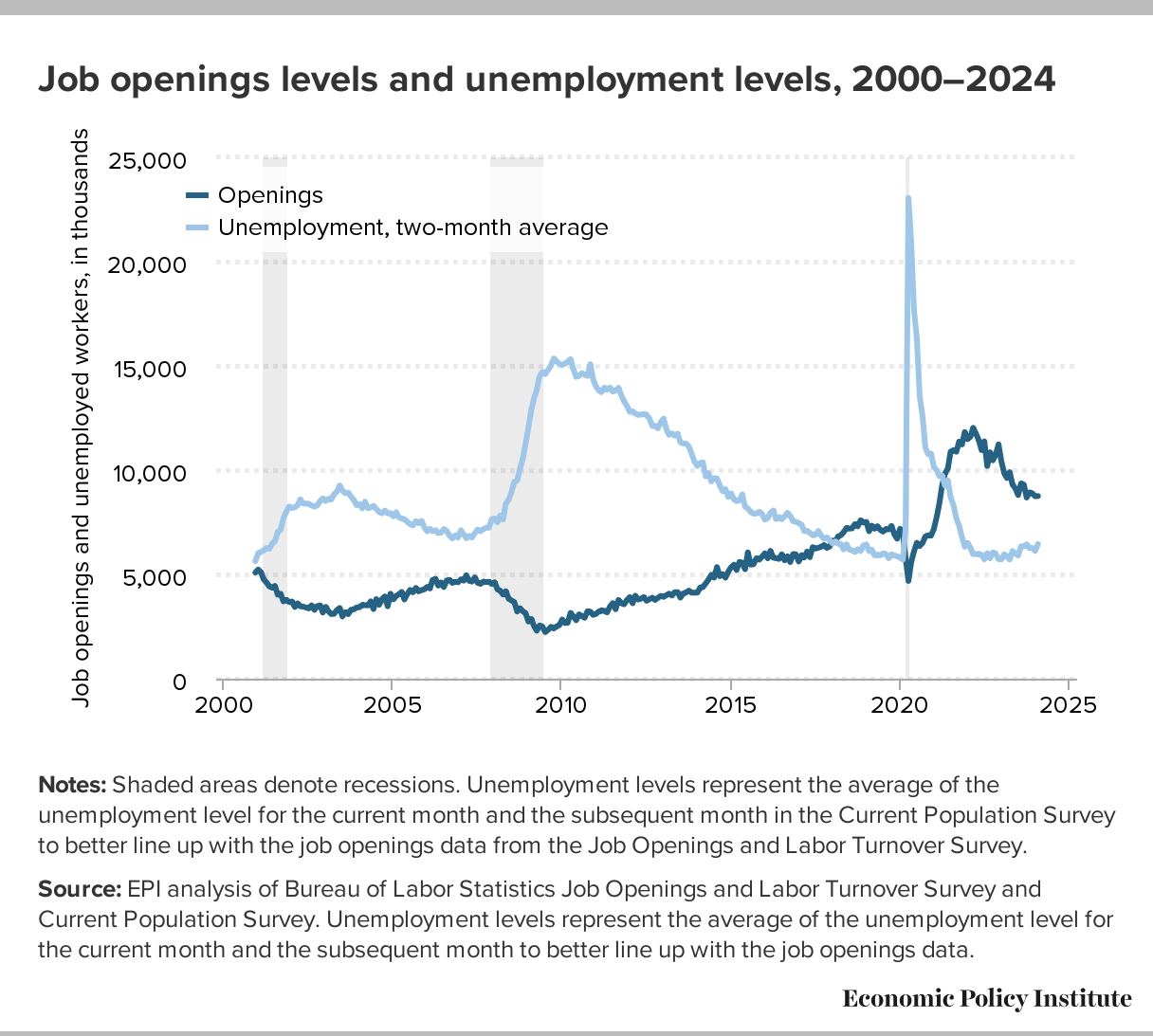
"The millions who will remain jobless after the extra $600 is cut off will have no choice but to drastically cut their spending, causing a sharp decline in their living standards, an increase in poverty, and completely unnecessary suffering," she added.
We are at a crossroads
This country and this world are at a monumental crossroads. In a few short weeks, US voters will have an opportunity to beat back the forces of fascism and confront the billionaires who are rigging the economy, our media system, and our democracy, making it increasingly impossible for ordinary people to get by. We’re not just talking about the election. We’re talking about what must be done once these fascist elements are vanquished from power. We need a bolder set of solutions than what either major party has so far been willing to offer and a working-class movement ready to fight like hell for it. Trump didn't emerge from nowhere. The conditions that fueled MAGA authoritarianism were created by decades of radical neoliberal economic policies and a corrupt political system dominated by corporate interests. They slashed taxes on the super-rich, promising that the benefits would trickle down. They said giveaways to the corporate titans would make life more affordable for the rest of us. It was all bullshit. And when a bitter, betrayed populace searches for someone to blame, right-wing demagogues have little trouble finding scapegoats. People know when they're being lied to, but you won't hear any of this from the corporate media. Only independent journalism—powered and funded by people who believe in building a better world—can deliver truly trustworthy daily news. Our Fall Campaign is underway, and we need your help. To power our newsroom through the rest of the year, we need to raise $125,000 by midnight on October 31. So if you share our vision, please contribute whatever you can to sustain our work. |
A new study published Thursday reveals that the federal government's unemployment boost of $600 a week for Americans who lost their jobs due to the coronavirus pandemic helped reduce the nation's economic crash, making the case for extending the benefit as mass joblessness persists.
According to the study, the extra boost in benefits allowed households to spend 10% more on average compared to pre-crisis levels, a stinging condemnation of persistent low wages in the country and proof that the benefit is having it intended stimulative effect.
As Reuters reported, Thursday's study from the JPMorgan Chase Institute tracked spending from the onset of the pandemic in March through May:
Researchers analyzed transactions for 61,000 households that received unemployment benefits between March and May. Spending dropped for all households as the virus spread and led to business shutdowns, but then rose when households began receiving jobless benefits, the study found.
That contrasts with a typical recession, when households receiving unemployment benefits usually cut spending by 7% because regular jobless benefits amount to only a fraction of a person's prior earnings, the research found.
The increase in spending likely kept the economy afloat, researchers concluded, making the impending loss of the supplement at the end of July a ticking time bomb of financial disaster.
"Our estimates suggest that expiration will result in large spending cuts, with potentially negative effects on both households and macroeconomic activity," the researchers wrote.
The effects of the unemployment stimulus are being felt in retail as well, Bloomberg reported Thursday, which exceeded expectations.
According to Bloomberg:
The value of retail purchases increased 7.5% from the prior month after an upwardly revised record 18.2% surge in May, according to Commerce Department data out Thursday. The median estimate in a Bloomberg survey of economists called for a 5% gain for June.
But those gains are in danger if the unemployment benefit supplement runs out, Lydia Boussour and Gregory Daco, financial analysts with Oxford Economics, told Bloomberg.
"While today's report gives the illusion of a fearless consumer spending lavishly, the reality is more sobering: consumers are increasingly fearful amid new spikes in Covid-19 cases and a looming fiscal cliff," said Boussour and Daco.
Economic justice advocates also argued in favor of extending the benefit Thursday as unemployment numbers were released (pdf) showing the economic crisis is continuing with what the Economic Policy Institute (EPI) reported as another 2.4 million newly jobless people applying for aid when adjusted for both seasonal employment and the Pandemic Unemployment Assistance program.
EPI senior economist and director of policy Heidi Shierholz wrote Thursday that the nature of the employment crisis means aid is essential for keeping the economy from total disaster.
"There are 14 million more unemployed workers than job openings, meaning millions will remain jobless no matter what they do," Shierholz wrote. "Cutting off the $600 cannot incentivize people to get jobs that aren't there."
"The millions who will remain jobless after the extra $600 is cut off will have no choice but to drastically cut their spending, causing a sharp decline in their living standards, an increase in poverty, and completely unnecessary suffering," she added.
A new study published Thursday reveals that the federal government's unemployment boost of $600 a week for Americans who lost their jobs due to the coronavirus pandemic helped reduce the nation's economic crash, making the case for extending the benefit as mass joblessness persists.
According to the study, the extra boost in benefits allowed households to spend 10% more on average compared to pre-crisis levels, a stinging condemnation of persistent low wages in the country and proof that the benefit is having it intended stimulative effect.
As Reuters reported, Thursday's study from the JPMorgan Chase Institute tracked spending from the onset of the pandemic in March through May:
Researchers analyzed transactions for 61,000 households that received unemployment benefits between March and May. Spending dropped for all households as the virus spread and led to business shutdowns, but then rose when households began receiving jobless benefits, the study found.
That contrasts with a typical recession, when households receiving unemployment benefits usually cut spending by 7% because regular jobless benefits amount to only a fraction of a person's prior earnings, the research found.
The increase in spending likely kept the economy afloat, researchers concluded, making the impending loss of the supplement at the end of July a ticking time bomb of financial disaster.
"Our estimates suggest that expiration will result in large spending cuts, with potentially negative effects on both households and macroeconomic activity," the researchers wrote.
The effects of the unemployment stimulus are being felt in retail as well, Bloomberg reported Thursday, which exceeded expectations.
According to Bloomberg:
The value of retail purchases increased 7.5% from the prior month after an upwardly revised record 18.2% surge in May, according to Commerce Department data out Thursday. The median estimate in a Bloomberg survey of economists called for a 5% gain for June.
But those gains are in danger if the unemployment benefit supplement runs out, Lydia Boussour and Gregory Daco, financial analysts with Oxford Economics, told Bloomberg.
"While today's report gives the illusion of a fearless consumer spending lavishly, the reality is more sobering: consumers are increasingly fearful amid new spikes in Covid-19 cases and a looming fiscal cliff," said Boussour and Daco.
Economic justice advocates also argued in favor of extending the benefit Thursday as unemployment numbers were released (pdf) showing the economic crisis is continuing with what the Economic Policy Institute (EPI) reported as another 2.4 million newly jobless people applying for aid when adjusted for both seasonal employment and the Pandemic Unemployment Assistance program.
EPI senior economist and director of policy Heidi Shierholz wrote Thursday that the nature of the employment crisis means aid is essential for keeping the economy from total disaster.
"There are 14 million more unemployed workers than job openings, meaning millions will remain jobless no matter what they do," Shierholz wrote. "Cutting off the $600 cannot incentivize people to get jobs that aren't there."
"The millions who will remain jobless after the extra $600 is cut off will have no choice but to drastically cut their spending, causing a sharp decline in their living standards, an increase in poverty, and completely unnecessary suffering," she added.