SUBSCRIBE TO OUR FREE NEWSLETTER
Daily news & progressive opinion—funded by the people, not the corporations—delivered straight to your inbox.
5
#000000
#FFFFFF
To donate by check, phone, or other method, see our More Ways to Give page.
I was born in Iraq, and in 2003, I was in Baghdad. My family and I spent the first weeks of March preparing for the U.S.-led invasion. I was in charge of storing gas for the generator, placing tape across windows, and hiring a contractor to dig a well in our backyard.
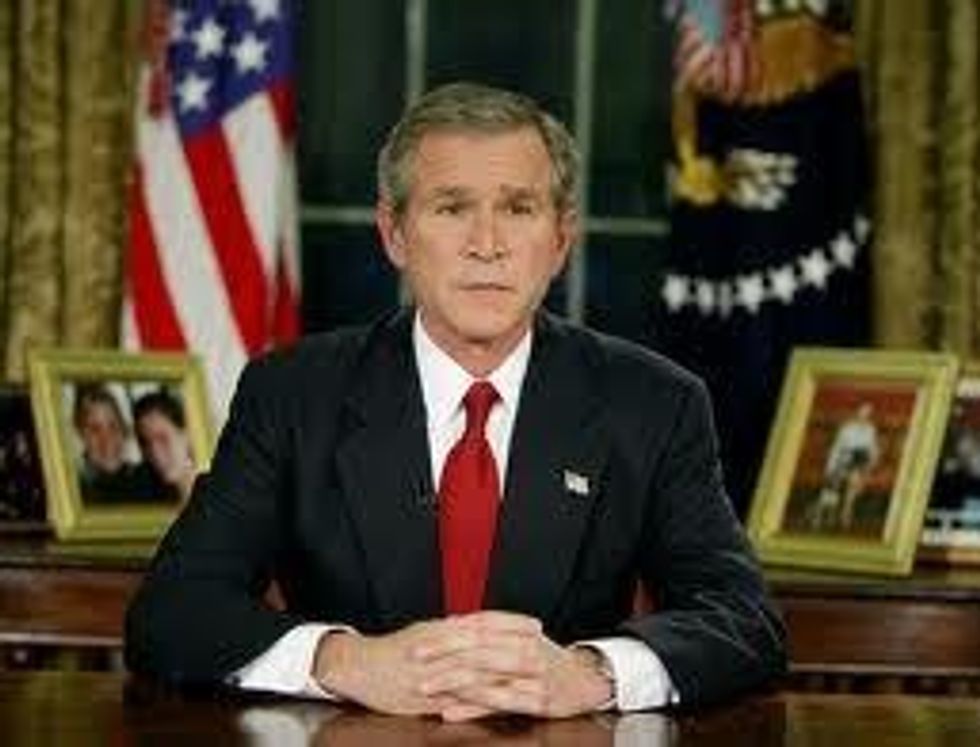
As we feared, President Bush launched his war of choice on March 20. We survived, but we were among the lucky ones.
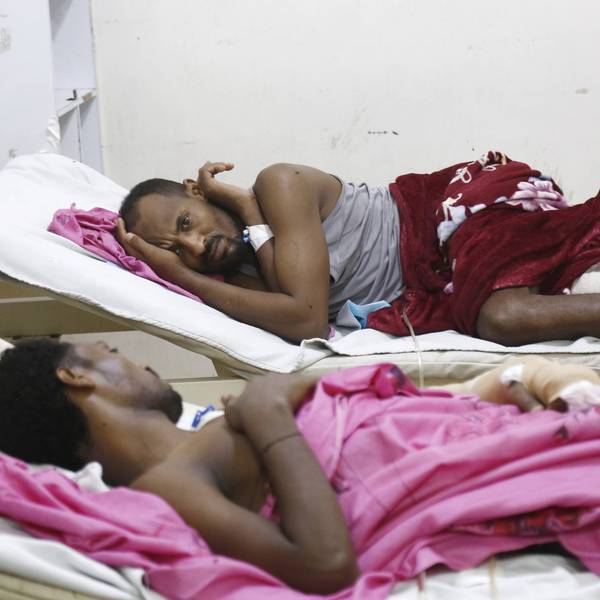
Millions of Iraqis have been killed, injured or displaced. One of the most developed countries in the region at the time of the invasion, Iraq now is among the worst in terms of infrastructure and public services. Baghdad ranks lowest in the quality of life of any city in the world, according to a recent global survey from the consultant group Mercer.
Moreover, the Iraqi national identity has been replaced by ethnic and sectarian affiliations.
I am half Sunni and half Shiite -- or "Sushi," as Iraqis jokingly call kids of mixed marriages. I was never asked my sect before 2003. I did not know who from my friends was a Sunni or a Shiite until then. But now, these sectarian divisions have become a core component of Iraq's new identity, and they continue to threaten its territorial integrity and national unity.
The invasion and occupation of Iraq took a heavy toll on the United States, as well.
America must apologize to Iraq, pay for what it broke and hold the individuals behind the war accountable.
Almost 4,500 young American men and women were killed, some 32,000 were injured, and hundreds of thousands came back home with psychological trauma. According to Nobel Prize laureate Joseph Stiglitz and Harvard professor Linda Bilmes, U.S. taxpayers will end up spending $3 trillion on the Iraq invasion, occupation, and care for returning soldiers.
The Iraq fiasco also damaged America's credibility and reputation around the world.
Bush and his senior aides, supported by pundits, sold the American people a lemon. Americans were told Iraq had weapons of mass destruction, and the U.S. invasion would save the world from imminent danger. Americans were also promised a clean and swift operation that would liberate Iraq and be welcomed by Iraqis.
None of that happened.
Yet, after all this, no apology has been given to Iraqis, no politicians have been prosecuted, no pundits have been held responsible, and no compensation has been given to Iraq.
If you don't support the idea of compensating Iraq, consider this: Kuwait has been receiving compensation from a country that illegally and immorally invaded it in 1990. That country, believe it or not, is Iraq.
Ten years after Bush waged this senseless war, I am now a U.S. citizen and homeowner in Washington, D.C., where my first child was born a few weeks ago.
More than ever, I am eager to turn over a new leaf in U.S.-Iraqi relations. But for that to happen, we can't just sweep the war under the rug.
America must apologize to Iraq, pay for what it broke and hold the individuals behind the war accountable.
I was born in Iraq, and in 2003, I was in Baghdad. My family and I spent the first weeks of March preparing for the U.S.-led invasion. I was in charge of storing gas for the generator, placing tape across windows, and hiring a contractor to dig a well in our backyard.
As we feared, President Bush launched his war of choice on March 20. We survived, but we were among the lucky ones.
Millions of Iraqis have been killed, injured or displaced. One of the most developed countries in the region at the time of the invasion, Iraq now is among the worst in terms of infrastructure and public services. Baghdad ranks lowest in the quality of life of any city in the world, according to a recent global survey from the consultant group Mercer.
Moreover, the Iraqi national identity has been replaced by ethnic and sectarian affiliations.
I am half Sunni and half Shiite -- or "Sushi," as Iraqis jokingly call kids of mixed marriages. I was never asked my sect before 2003. I did not know who from my friends was a Sunni or a Shiite until then. But now, these sectarian divisions have become a core component of Iraq's new identity, and they continue to threaten its territorial integrity and national unity.
The invasion and occupation of Iraq took a heavy toll on the United States, as well.
America must apologize to Iraq, pay for what it broke and hold the individuals behind the war accountable.
Almost 4,500 young American men and women were killed, some 32,000 were injured, and hundreds of thousands came back home with psychological trauma. According to Nobel Prize laureate Joseph Stiglitz and Harvard professor Linda Bilmes, U.S. taxpayers will end up spending $3 trillion on the Iraq invasion, occupation, and care for returning soldiers.
The Iraq fiasco also damaged America's credibility and reputation around the world.
Bush and his senior aides, supported by pundits, sold the American people a lemon. Americans were told Iraq had weapons of mass destruction, and the U.S. invasion would save the world from imminent danger. Americans were also promised a clean and swift operation that would liberate Iraq and be welcomed by Iraqis.
None of that happened.
Yet, after all this, no apology has been given to Iraqis, no politicians have been prosecuted, no pundits have been held responsible, and no compensation has been given to Iraq.
If you don't support the idea of compensating Iraq, consider this: Kuwait has been receiving compensation from a country that illegally and immorally invaded it in 1990. That country, believe it or not, is Iraq.
Ten years after Bush waged this senseless war, I am now a U.S. citizen and homeowner in Washington, D.C., where my first child was born a few weeks ago.
More than ever, I am eager to turn over a new leaf in U.S.-Iraqi relations. But for that to happen, we can't just sweep the war under the rug.
America must apologize to Iraq, pay for what it broke and hold the individuals behind the war accountable.
I was born in Iraq, and in 2003, I was in Baghdad. My family and I spent the first weeks of March preparing for the U.S.-led invasion. I was in charge of storing gas for the generator, placing tape across windows, and hiring a contractor to dig a well in our backyard.
As we feared, President Bush launched his war of choice on March 20. We survived, but we were among the lucky ones.
Millions of Iraqis have been killed, injured or displaced. One of the most developed countries in the region at the time of the invasion, Iraq now is among the worst in terms of infrastructure and public services. Baghdad ranks lowest in the quality of life of any city in the world, according to a recent global survey from the consultant group Mercer.
Moreover, the Iraqi national identity has been replaced by ethnic and sectarian affiliations.
I am half Sunni and half Shiite -- or "Sushi," as Iraqis jokingly call kids of mixed marriages. I was never asked my sect before 2003. I did not know who from my friends was a Sunni or a Shiite until then. But now, these sectarian divisions have become a core component of Iraq's new identity, and they continue to threaten its territorial integrity and national unity.
The invasion and occupation of Iraq took a heavy toll on the United States, as well.
America must apologize to Iraq, pay for what it broke and hold the individuals behind the war accountable.
Almost 4,500 young American men and women were killed, some 32,000 were injured, and hundreds of thousands came back home with psychological trauma. According to Nobel Prize laureate Joseph Stiglitz and Harvard professor Linda Bilmes, U.S. taxpayers will end up spending $3 trillion on the Iraq invasion, occupation, and care for returning soldiers.
The Iraq fiasco also damaged America's credibility and reputation around the world.
Bush and his senior aides, supported by pundits, sold the American people a lemon. Americans were told Iraq had weapons of mass destruction, and the U.S. invasion would save the world from imminent danger. Americans were also promised a clean and swift operation that would liberate Iraq and be welcomed by Iraqis.
None of that happened.
Yet, after all this, no apology has been given to Iraqis, no politicians have been prosecuted, no pundits have been held responsible, and no compensation has been given to Iraq.
If you don't support the idea of compensating Iraq, consider this: Kuwait has been receiving compensation from a country that illegally and immorally invaded it in 1990. That country, believe it or not, is Iraq.
Ten years after Bush waged this senseless war, I am now a U.S. citizen and homeowner in Washington, D.C., where my first child was born a few weeks ago.
More than ever, I am eager to turn over a new leaf in U.S.-Iraqi relations. But for that to happen, we can't just sweep the war under the rug.
America must apologize to Iraq, pay for what it broke and hold the individuals behind the war accountable.