

SUBSCRIBE TO OUR FREE NEWSLETTER
Daily news & progressive opinion—funded by the people, not the corporations—delivered straight to your inbox.
5
#000000
#FFFFFF
To donate by check, phone, or other method, see our More Ways to Give page.
Daily news & progressive opinion—funded by the people, not the corporations—delivered straight to your inbox.
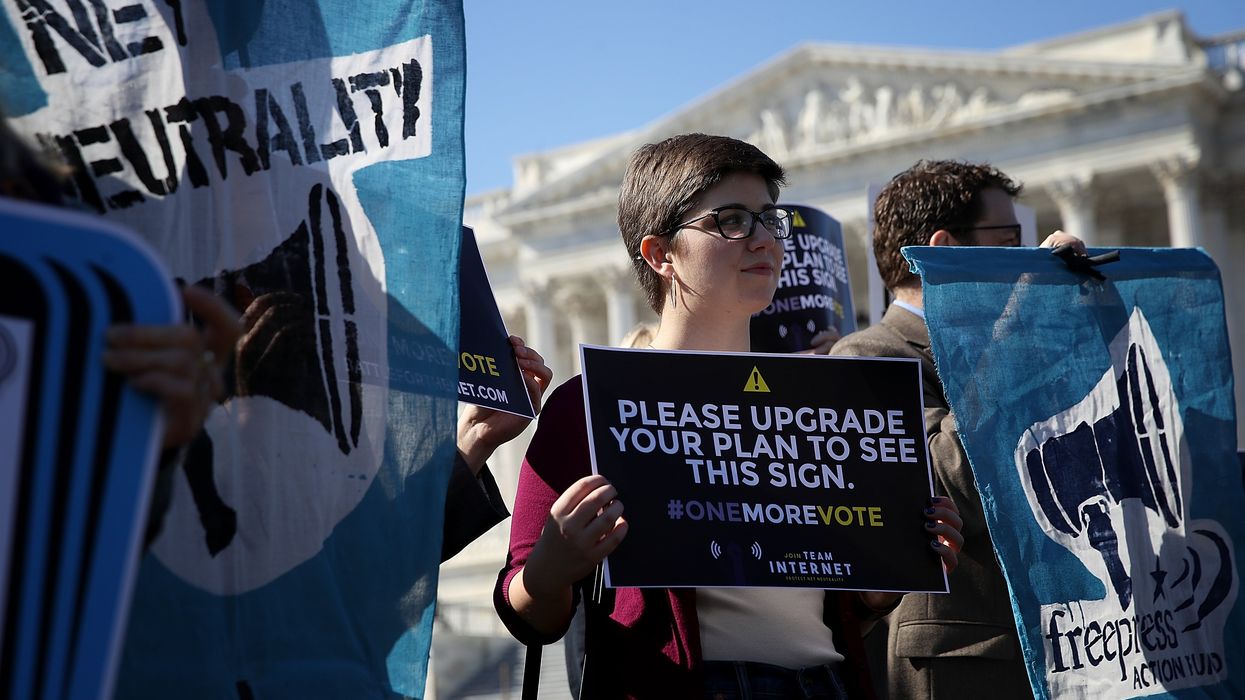
The ruling creates a "dangerous regulatory gap that leaves consumers vulnerable and gives broadband providers unchecked power over Americans’ internet access," said one advocate.
Citing last year's U.S. Supreme Court decision that stripped federal agencies of their regulatory powers, an all-Republican panel on the U.S. Court of Appeals for the 6th Circuit on Thursday ruled that the Federal Communications Commission lacks the authority to reinstate net neutrality rules.
The panel ruled that broadband is an "information service" instead of a "telecommunications service," which is more heavily regulated under the Communications Act, and said the FCC did not have the authority to prohibit telecommunications companies from blocking or throttling internet content and creating "fast lanes" for certain web companies that pay a fee.
Last April the FCC voted to reinstate net neutrality rules, which were first introduced under the Obama administration but were repealed by former Republican FCC Chair Ajit Pai, who was appointed by President-elect Donald Trump.
The ruling cited by the 6th Circuit panel was Loper Bright Enterprises v. Raimondo, which overturned the so-called Chevron doctrine last year. Under the decades-old legal precedent, judges have typically deferred to federal agencies' reasonable interpretation of a law if Congress has not specifically addressed an issue.
"Applying Loper Bright means we can end the FCC's vacillations" between imposing and repealing net neutrality rules, said the judges on Thursday.
The ruling serves as "a reminder that agencies are going to be neutered across any and all industries," said one observer.
John Bergmayer, legal director for the free expression and digital rights group Public Knowledge, said that by "rejecting the FCC's authority to classify broadband as a telecommunications service, the court has ignored decades of precedent and fundamentally misunderstood both the technical realities of how broadband works and Congress' clear intent in the Communications Act."
The ruling creates a "dangerous regulatory gap that leaves consumers vulnerable and gives broadband providers unchecked power over Americans’ internet access," added Bergmayer. The decision could harm the FCC's ability to protect against everything from broadband privacy violations to threats to universal service programs for low-income and rural households.
Matt Wood, vice president of policy and general counsel for another media justice group, Free Press, said the ruling was "just plainly wrong at every level of analysis."
"In April, the FCC issued an order that properly restored the agency's congressionally granted oversight authority to protect people from any [internet service provider] discrimination and manipulation. That commonsense FCC order tried to ensure that the companies providing America with the essential communications service of this century don't get to operate free from any real oversight," said Wood.
Companies and industry groups that sued over the regulations, including the Ohio Telecom Association, "baselessly claim that any regulation will hurt their bottom line," Wood added. "Treating broadband like a common-carrier service does nothing to dampen or dissuade private investment in this crucial infrastructure. And the question for any court interpreting the Communications Act must be what is in the public's best interest, not just one industry sector's financial interests."
The groups, along with FCC Chair Jessica Rosenworcel, called on Congress to take legislative action to protect internet users and small web businesses from discrimination.
"Consumers across the country have told us again and again that they want an internet that is fast, open, and fair. With this decision it is clear that Congress now needs to heed their call, take up the charge for net neutrality, and put open internet principles in federal law," Rosenworcel said.
Congress must "clarify the FCC's authority—and responsibility—to protect the Open Internet and broadband users," said Bergmayer.
Bergmayer also noted that the ruling leaves states' ability to enforce their own net neutrality laws in place, and said the group "will continue to look to states and local governments to help lead on broadband policy."
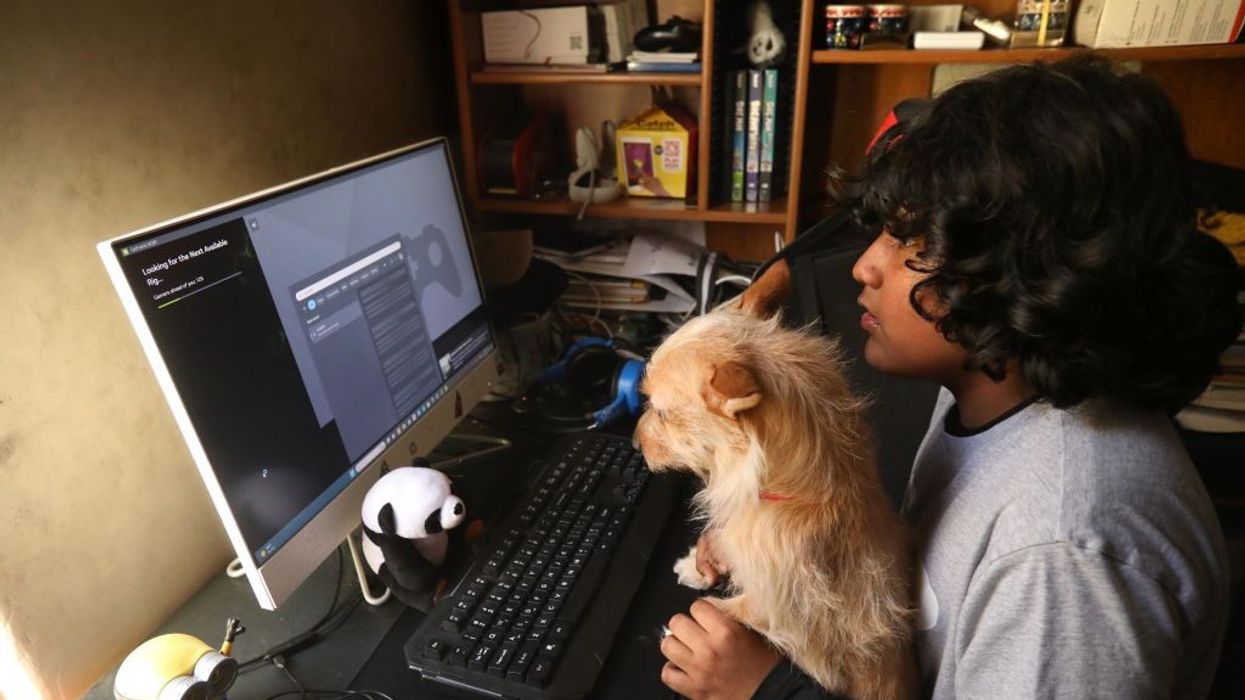
The federal funding contained in the Affordable Connectivity Program offered a vital lifeline for people in South Carolina and nationwide. Now we must fight to resurrect such a program so that everyone has digital access that enriches individual lives and communities.
Almost four years ago, Congress established a little-known program called the Affordable Connectivity Program (ACP) as part of the Bipartisan Infrastructure Law. Since it was created, the program provided millions of Americans with affordable, high-quality internet. It never got much attention, but it’s impact on communities across the country including in South Carolina was enormous.
Launched by the Federal Trade Commission, the program provided eligible households with a discount on internet service of up to $30 every month to bridge the digital divide. Just this year alone, 415,680 families in South Carolina relied on the program, which averaged to about one in five households in the state. In total, the program saved people in South Carolina over $12 million each month on internet service.
Despite widespread support for the program, its funding expired on June 1st. As elected officials representing Silicon Valley, the tech hub of the world, and Chester, Fairfield, and Richland, predominantly Black counties that have struggled with reliable internet, we are fighting to raise awareness about rising internet bills for families and extend the program for another four years.
The ACP is too important to just let it expire without a fight. When bills come due and 23 million American households are suddenly slapped with an additional cost, the people who will hurt the most are our seniors, young students, people in rural areas or food deserts, and those who rely on the internet for activity and a sense of community.
The ACP is too important to just let it expire without a fight.
For many older Americans, the internet is a lifeline. It lets them talk with loved ones, learn about essential services and benefits, and access healthcare information online. Without affordable internet access, seniors may feel lonelier and more disconnected, lowering their enjoyment and quality of life.
Young people will also be hit especially hard by the program ending. The Covid-19 pandemic highlighted the importance of online educational resources and in an era where technology shapes every aspect of our lives, students need to prepare for jobs in a digital economy. Both of us believe we need to ensure that the next generation has access to good jobs and opportunities and a shot at the American Dream. But we can’t prepare these students for the high paying tech jobs and advanced manufacturing jobs of the future if they don’t have internet access. The internet allows individuals to take advantage of at home remote and virtual trainings.
Another impacted group includes those living in rural areas far away from doctors, hospitals, or pharmacies. The stories we heard about what people went through before this program was enacted were heartbreaking. People were driving for miles and miles just to pick up their medication. Telemedicine provides another, much easier way to receive medical care through remote consultations to prescription refills that can be delivered directly to their homes. People living in food deserts face a similar situation when it comes to ordering groceries and other necessities. Ripping this access away deepens already existing disparities in both healthcare and nutrition.
At any age and in any location, people turn to the internet to find community and make friends. It’s become an essential place particularly for people who may experience discrimination or bullying at school. People with specific hobbies like playing an instrument or running have been able to connect and form bands or running clubs. The ACP empowered people to find like-minded people and pursue their passions and interests online.
The ACP program has improved the lives of millions and opened a new world of social connections, health benefits, education opportunities, and good paying jobs in South Carolina and nationwide. All of us need to speak out now to raise awareness and explore new solutions to protect affordable internet access for all.
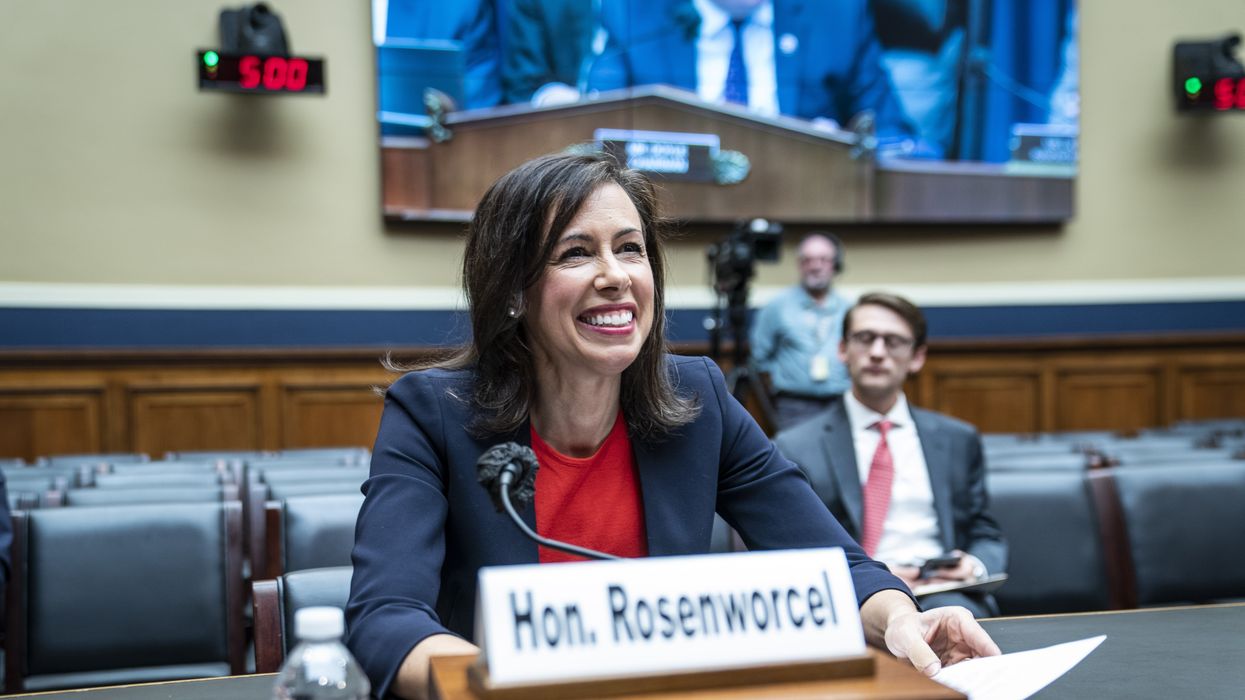
A majority of commissioners is set to return to the agency the authority it needs to act as a strong advocate for a user-powered internet.
Later this week, the Federal Communications Commission is expected to reverse a Trump-era decision that stripped away essential open-internet protections. In a Thursday vote, a majority of commissioners will return to the agency the authority it needs to act as a strong advocate for a user-powered internet.
They will do this by reclassifying broadband-access services as telecom services subject to Title II of the Communications Act. Title II authority allows the FCC to safeguard Net Neutrality and hold companies like AT&T, Comcast and Verizon accountable to internet users across the United States.
Title II authority gives the FCC the tools to make the internet work better for everyone, ensuring that internet service providers can’t block, throttle, or otherwise discriminate against the content everyone accesses online. But it also gives the FCC the regulatory means to ensure that broadband prices and practices are “just and reasonable.” The agency will be able to step in to stop price gouging, safeguard user privacy, protect public safety, eliminate junk fees, and stop other abusive behavior from providers.
During a Capitol Hill press conference last week, FCC Chairwoman Jessica Rosenworcel said, “There are a lot of things in this country that divide us, but Net Neutrality is not one of them.” Rosenworcel cited poll after poll that show that people across the political spectrum overwhelmingly support the 2015 Title II Net Neutrality safeguards that the Obama FCC put in place. The same polls show majorities opposed the Trump FCC’s 2017 repeal of these protections.
“Bringing back the FCC’s authority over broadband and putting back net neutrality rules is popular, and it has been court-tested and court-approved,” she added. “[W]e have an opportunity to get this right. Because in a modern digital economy, it is time to have broadband oversight, national Net Neutrality rules, and policies that ensure the internet is fast, open, and fair.”
The rules up for a vote on April 25 are identical to the 2015 rules. The FCC will enforce them in the same way. And the draft order text that the agency will finalize and adopt already makes this clear — in some cases, going further than the 2015 order did — with a chance before the vote occurs for the FCC to make this language even stronger.
Losing Title II hurt people, which is why millions protested the Trump FCC’s action. Not only did its 2017 repeal gut the Net Neutrality rules, it also surrendered the agency’s power to protect communities from unjust or unreasonable practices by these internet-access goliaths.
This had troubling consequences during the early months of the Covid-19 pandemic, when Trump FCC Chairman Ajit Pai asked broadband providers to sign a
voluntary pledge to preserve people’s vital internet access (he couldn’t force providers to do this since he’d abdicated the agency’s authority to compel these companies to keep users connected). Despite Pai’s claim that the pledge was a success, reporting by Daily Dot found that many of these same companies still cut users’ connections during a national emergency, when everything from work to health care had shifted online.
A 2019 study by Northeastern University and UMass Amherst found that ISP throttling of network services happens “all the time.” Researchers analyzed data from hundreds of thousands of smartphones to determine whether wireless providers were slowing, or throttling, data speeds for specific mobile services. They found that “just about every wireless carrier is guilty of throttling video platforms and streaming services unevenly.”
In everyday terms, this means that companies like AT&T are picking winners and losers online. Allowing such throttling to continue opens the door to more content-based discrimination. This isn’t just about economic favoritism — for example, an ISP slowing down a competitor’s online app so people would use their product instead — but, potentially, the blocking of political messages that gigantic communications companies don’t like.
This isn’t a hypothetical. In 2005, the internet service provider Telus blocked access to a server that hosted a website supporting a labor strike against the company. And in 2011, the Electronic Frontier Foundation found that several ISPs were intercepting user search queries on Bing and Yahoo and directing them to “results” pages that they or their partners controlled.
Lobbyists working for these large internet-access companies like to say that Title II authority offers “a solution in search of a problem” that doesn’t exist. And you can bet they’ll repeat
a lot of these lies in the aftermath of this week’s vote.
Throughout the 20 years of debate around Title II and Net Neutrality, the powerful phone and cable lobby has demonstrated a willingness to say anything and everything to avoid being held accountable. They’ll say that Title II’s open-internet standard is a heavy-handed regulation that will undermine investment in new broadband deployment; in reality, executives from these companies have said publicly that their capital expenditures
aren’t impacted in any way by Title II rules. The lobbyists will say that Net Neutrality is a hyper-partisan, politicized issue — ignoring public polling (see above) that shows internet users on the political left, right, and center overwhelmingly support the sorts of baseline protections offered under Title II.
The fight for this week’s victory predates the Trump FCC repeal of strong Title II rules in 2017. By restoring safeguards that millions fought so hard to make a reality, the FCC is recognizing the broad-based grassroots movement that coalesced in 2005 around the then-obscure principle of Net Neutrality and built a movement focused on retaining the people-powered, democratic spirit that was baked into the internet at its inception.
Without baseline open-internet protections, internet users are subject to privacy invasions, hidden junk fees, data caps, and billing rip-offs from their ISPs. In addition, without Title II oversight the FCC is severely limited in its ability to promote broadband competition and deployment, bringing this essential infrastructure within reach of people in the United States who lack access.
The FCC will change all of that later this week. It will respond to overwhelming public opinion and stand up for internet users against a handful of monopoly-minded companies that for too long have dictated media policy in Washington.
Come Thursday, I and many of the amazing advocates who’ve been fighting this fight for the past 20 years will be on hand at the FCC to witness the final vote. It will be a moment to appreciate our hard work and thank the agency for restoring to Americans their all-important online rights. Join us in celebrating!
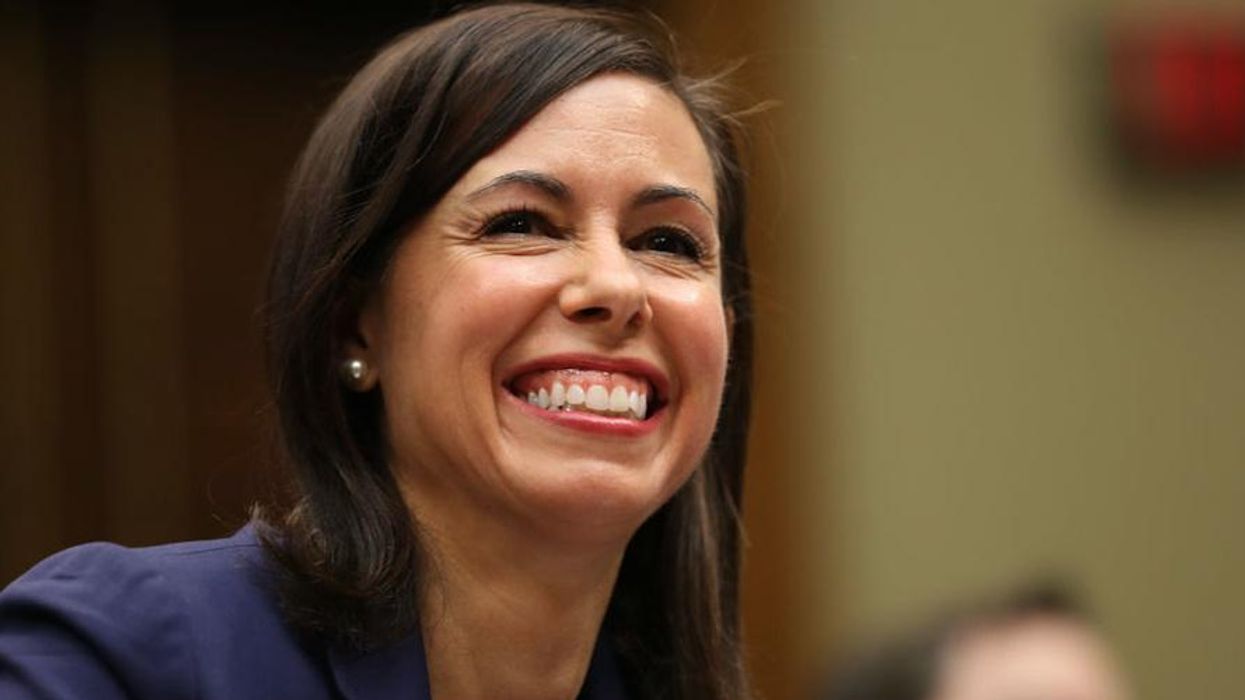
Open internet advocates applauded on Thursday as Democrats on the Federal Communications Commission voted to begin reestablishing FCC oversight of broadband and reviving net neutrality rules rolled back under former President Donald Trump.
"Today's vote is an important start to restoring internet freedom and openness," said Public Knowledge president and CEO Chris Lewis. "Over the next few months, the FCC and the public at large will have an opportunity to look carefully at the benefits of having broadband included in the communications networks that fall under FCC authority."
FCC Chair Jessica Rosenworcel announced her plan to ensure broadband is treated as a public utility last month. Commissioners Anna Gomez and Geoffrey Starks on Thursday joined her in voting for the related notice of proposed rulemaking, which was opposed by Commissioners Brendan Carr and Nathan Simington.
"The notice of proposed rulemaking adopted today seeks comment on classifying fixed and mobile broadband internet service as an essential 'telecommunications' service under Title II of the Communications Act," the FCC explained. "The proposal also seeks to restore clear, nationwide open internet rules that would prevent internet service providers [ISPs] from blocking legal content, throttling speeds, and creating fast lanes that favor those who can pay for access."
Lewis asserted that "this commonsense classification is a no-brainer to the millions of Americans who want the FCC to work to ensure that all of us are connected to quality, affordable, open, and secure broadband networks."
The FCC previously voted in favor of net neutrality rules in 2015, under former President Barack Obama. Those regulations were rolled back in 2017, when the FCC was led by Ajit Pai—a former telecom industry lawyer and an appointee of Trump, the GOP's 2024 presidential front-runner.
In 2021, President Joe Biden signed an executive order encouraging the FCC to restore net neutrality rules. However, such efforts were stalled by a divided commission—until the U.S. Senate finally confirmed Gomez to a long-vacant seat early last month.
"When Trump's FCC Chair Ajit Pai led the repeal of net neutrality and rolled back Title II classification for broadband access, it was a huge win for the telecom industry and its executives," Demand Progress communications director Maria Langholz said Thursday. "We applaud the FCC for not giving up this fight in the face of the seemingly endless effort by corporate giants and their lobbyists to block commonsense and broadly popular open internet protections."
"By restoring Title II oversight, the FCC can prevent net neutrality violations at the hands of powerful ISPs, as well as expand affordable broadband access and stop dangerous privacy abuses," she continued. "Given the widespread public support for these reforms, it's vital the FCC continue to move decisively toward reinstating strong Title II protections, and that members of Congress stand with their constituents by publicly supporting this effort."
Free Press co-CEO Jessica J. González similarly stressed that "Pai ignored the overwhelming public consensus" with the rollback and "people across the country are demanding these open internet safeguards, which will allow the FCC to ensure that everyone in the United States—no matter their location, political persuasion, race or income—has affordable, reliable, and safe internet connections free from discrimination, blocking, or other ISP manipulation."
"In a last-ditch attempt to win over public opinion, these companies are bankrolling a disinformation campaign designed to paint the agency's popular Obama-era rules as bad for business and the American way," she noted. "But no amount of lies from the broadband industry and their congressional allies will change the fact that we need a watchdog protecting internet users' interests and defending their right to an open and affordable internet."
"Broadband providers and their spin doctors are deeply out of touch with people across the country who are fed up with high prices and poor customer service," González argued. "We need a referee on the field to call fouls and issue penalties when broadband companies are being unfair."
Lewis emphasized that "now is the time for the public to take action," and pledged that Public Knowledge will be "filing detailed comments in the record on behalf of the public interest in the coming months."
"Many commenters have focused only on net neutrality protections, however, there are many important protections that Title II authority brings on behalf of the public, from network reliability, outage, and public safety standards, to looking at the important values of universal service, privacy, and competition and fair pricing," he said. "We are already creating resources for those who are unfamiliar with the many benefits of placing broadband under FCC authority."
"We encourage all members of the public to make their voice heard at the FCC and in Congress where legislators are watching closely," he added. "Your senators and representatives need to know that you support FCC authority over broadband to protect open, secure, and affordable broadband access."
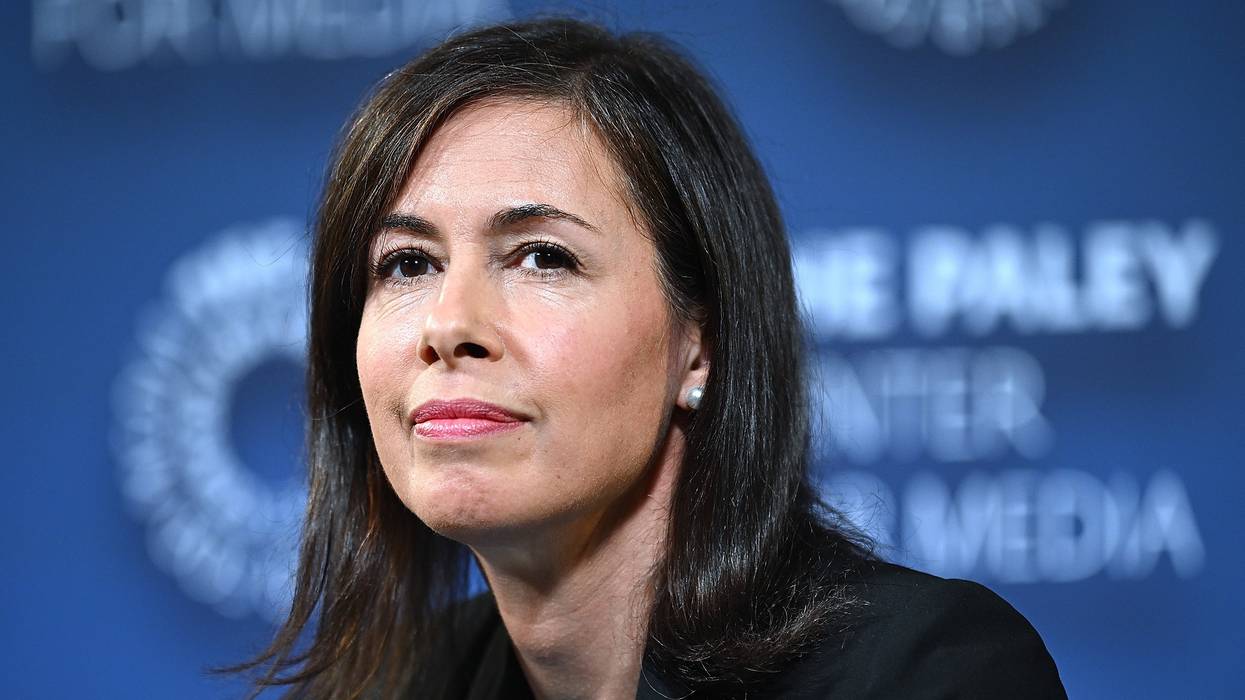
"To allow a handful of monopoly-aspiring gatekeepers to control access to the internet is a direct threat to our democracy," said Michael Copps, a Common Cause special adviser and former FCC commissioner.
Open internet advocates across the United States celebrated on Tuesday as Federal Communications Commission Chair Jessica Rosenworcel announced her highly anticipated proposal to reestablish FCC oversight of broadband and restore net neutrality rules.
"We thank the FCC for moving swiftly to begin the process of reinstating net neutrality regulations," said ACLU senior policy counsel Jenna Leventoff. "The internet is our nation's primary marketplace of ideas—and it's critical that access to that marketplace is not controlled by the profit-seeking whims of powerful telecommunications giants."
Rosenworcel—appointed to lead the commission by President Joe Biden—discussed the history of net neutrality and her new plan to treat broadband as a public utility in a speech at the National Press Club in Washington, D.C., which came on the heels of the U.S. Senate's recent confirmation of Anna Gomez to a long-vacant FCC seat.
Back in 2005, "the agency made clear that when it came to net neutrality, consumers should expect that their broadband providers would not block, throttle, or engage in paid prioritization of lawful internet traffic," she recalled. "In other words, your broadband provider had no business cutting off access to websites, slowing down internet services, and censoring online speech."
"Giant corporations and their lobbyists... will try every trick to block or delay the agency from restoring net neutrality."
After a decade of policymaking and litigation, net neutrality rules were finalized in 2015. However, a few years later—under former FCC Chair Ajit Pai, an appointee of ex-President Donald Trump—the commission caved to industry pressure and repealed them.
"The public backlash was overwhelming. People lit up our phone lines, clogged our email inboxes, and jammed our online comment system to express their disapproval," noted Rosenworcel, who was a commissioner at the time and opposed the repeal. "So today we begin a process to make this right."
The chair is proposing to reclassify broadband under Title II of the Communications Act, which "is the part of the law that gives the FCC clear authority to serve as a watchdog over the communications marketplace and look out for the public interest," she explained. "Title II took on special importance in the net neutrality debate because the courts have ruled that the FCC has clear authority to enforce open internet policies if broadband internet is classified as a Title II service."
"On issue after issue, reclassifying broadband as a Title II service would help the FCC serve the public interest more efficiently and effectively," she pointed out, detailing how it relates to public safety, national security, cybersecurity, network resilience and reliability, privacy, broadband deployment, and robotexts.
"Giant corporations and their lobbyists blocked President Biden from filling the final FCC seat for more than two years, and they will try every trick to block or delay the agency from restoring net neutrality now," Demand Progress communications director Maria Langholz warned Tuesday. "The commission must remain resolute and fully restore free and open internet protections to ensure broadband service providers like Comcast and Verizon treat all content equally."
"Americans' internet experience should not be at the whims of corporate executives whose primary concerns are the pockets of their stakeholders and the corporations' bottom line," she added, also applauding the chair.
Free Press co-CEO Jessica J. González similarly praised Rosenworcel and stressed that "without Title II, broadband users are left vulnerable to discrimination, content throttling, dwindling competition, extortionate and monopolistic prices, billing fraud, and other shady behavior."
"As this proceeding gets under way, we will hear all manner of lies from the lobbyists and lawyers representing big phone and cable companies," she predicted. "They'll say anything and everything to avoid being held accountable. But broadband providers and their spin doctors are deeply out of touch with people across the political spectrum, who are fed up with high prices and unreliable services. These people demand a referee on the field to call fouls and issue penalties when broadband companies are being unfair."
Like Rosenworcel, in her Tuesday speech, González also highlighted that "one thing we learned from the Covid-19 pandemic is that broadband is essential infrastructure—it enables us to access education, employment, healthcare, and more."
That "more" includes civic engagement, as leaders at Common Cause noted Tuesday. Ishan Mehta, who directs the group's Media and Democracy Program, said that "the internet has fundamentally changed how people are civically engaged and is critical to participating in society today. It is the primary communications platform, a virtual public square, and has been a powerful organizing tool, allowing social justice movements to gain momentum and widespread support."
After the Trump-era repeal, Mehta explained, "we saw broadband providers throttle popular video streaming services, degrade video quality, forcing customers to pay higher prices for improved quality, offer service plans that favor their own services over competitors, and make hollow, voluntary, and unenforceable promises not to disconnect their customers during the pandemic."
Given how broadband providers have behaved, Michael Copps, a Common Cause special adviser and former FCC commissioner, said that "to allow a handful of monopoly-aspiring gatekeepers to control access to the internet is a direct threat to our democracy."
Rosenworcel's speech came a day after U.S. Sens. Ed Markey (D-Mass.) and Ron Wyden (D-Ore.) led over two dozen of their colleagues in sending a letter calling for the restoration of net neutrality protections. The pair said in a statement Tuesday that "broadband is not a luxury. It is an essential utility and it is imperative that the FCC's authority reflects the necessary nature of the internet in Americans' lives today."
"We need net neutrality so that small businesses are not shoved into online slow lanes, so that powerful social media companies cannot stifle competition, and so that users can always freely speak their minds on social media and advocate for the issues that are most important to them," they said. "We applaud Chairwoman Rosenworcel for her leadership and look forward to working with the FCC to ensure a just broadband future for everyone."
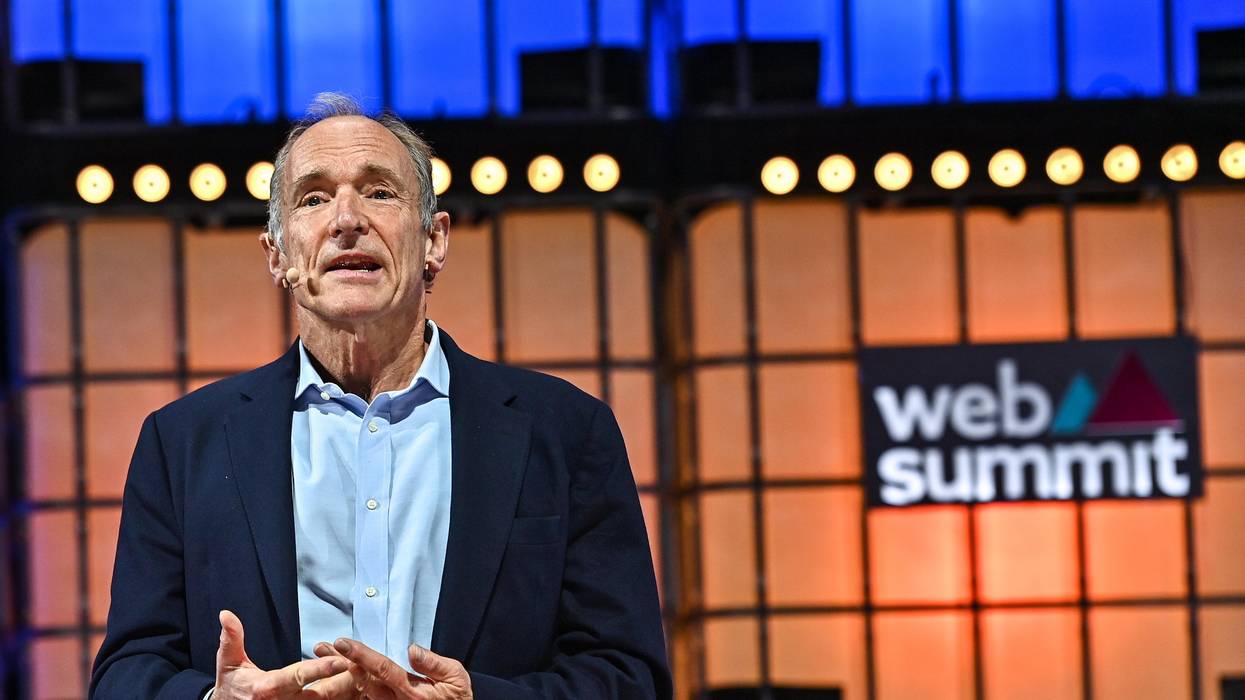
The creator of the World Wide Web is on a mission to reinvent it and protect personal data from Big Tech.
"I think the public has been concerned about privacy--the fact that these platforms have a huge amount of data, and they abuse it," Tim Berners-Lee, who developed the concept of the web in 1989, told CNN on Friday. "But I think what they're missing sometimes is the lack of empowerment. You need to get back to a situation where you have autonomy, you have control of all your data."
As the news outlet reported:
Through their startup Inrupt, Berners-Lee and CEO John Bruce have created the "Solid Pod"--or Personal Online Data Store. It allows people to keep their data in one central place and control which people and applications can access it, rather than having it stored by apps or sites all over the web.
Users can get a pod from a handful of providers, hosted by web services such as Amazon, or run their own server, if they have they the technical know-how. The main attraction to self-hosting is control and privacy, says Berners-Lee.
Thirty-three years after he invented the web, Berners-Lee--a longtime advocate of giving people power over their personal data online--believes that tech giants currently "control the world and manipulate people by providing information."
In an interview with Euronews Next at the Web Summit conference in Lisbon last month, Berners-Lee said that "some people thought that tech people would save the world then. Now, we're in a situation where there are a lot of things wrong with the web."
He has proposed "a mid-course correction to take it back," which he calls Web3.0.
The earliest iteration of the internet already existed in the 1970s, but few people knew how to access it. Everything changed when Berners-Lee, then a consultant at the European Organization for Nuclear Research (CERN), wrote the code for a web server that allows browsers to view hypertext documents. CERN put the software for the World Wide Web into the public domain in 1993.
As Euronews Next explained:
We then saw the emergence of the first stage of the internet, Web1.0. Despite it being available to everyone, it was a read-only type of web and only the few who knew the ins and outs of coding could publish anything.
This led to the development of Web2.0, which now allows us to interact more with the web and become creators so we can publish what we like under big platforms such as Google, Facebook, and so on.
But it does not come for free. In return, many of these companies can take our data which can be used for targeted advertising.
Berners-Lee's "solution to the dysfunctions of Web2.0 is the third layer of protocols, giving a person the ability to log into something with their own personal ID," the news outlet reported.
While working in his lab at the Massachusetts Institute of Technology, Berners-Lee came up with the "Solid Pod" idea and launched Inrupt in 2017. The company reportedly raised $30 million last December, which Berners-Lee says will help bring the project to fruition.
"Berners-Lee's platform can be accessed from your browser," Euronews Next noted. "But it is not an app; he calls it a 'pod,' where you can store your private data and access it very easily. In simpler terms, it can be thought of as your key or a digital ID that is kept secure."
"He said this is his vision for Web3.0, emphasizing that it is not Web3 which uses the Ethereum blockchain system and promises to be decentralized," the news outlet added. "Many cryptocurrency and metaverse companies wave the word Web3 around as the future of the internet. But Inrupt disagrees."
Bruce, the co-founder and CEO of Inrupt, said that "we're talking Web3.0 which is the real thing... not a marketing hijack if you like."
"Tim explained to me over dinner one night that the web as it's rolling out isn't the web we imagined," Bruce continued. "But we could get it to a place as long as we bumped it in the right way."
According to CNN, Inrupt's platform is being tested by the United Kingdom's National Health Service and by the government of Flanders, the Flemish-speaking northern region of Belgium. The latter intends to use pods to provide social services while allowing people to choose how to share their personal data. Berners-Lee said Flanders' 6.5 million citizens will be able to use the technology by the end of 2022.

Perhaps you've noticed there are several new phone companies offering very low-cost cell service, some for as little as $5/month. There's competition in the cellphone space that's driving down prices and driving up service, at least in many parts of the country.
Why are phone and internet service price-competitive around the world but here in America that competition is limited to cell phone service?
So why isn't the same thing happening on the internet side, with the company that brings the web into your home? Why can't Americans in as much as half the country pick among multiple companies offering high-speed internet and get the one whose price and service best matches their needs?
Similarly, why is it that in France , for example, internet service can run as little as $15 a month and bundles--for example, 2 cell phones with 2 different numbers, free unlimited international calling, no internet data caps, unlimited high-speed broadband into your home, and hundreds of cable TV channels--are as little as $90 a month?
Why are phone and internet service price-competitive around the world but here in America that competition is limited to cell phone service?
It didn't used to be this way here in the USA.
For those too young to remember, as recently as the late 1990s and early 2000s you could pick from dozens of phone companies to bring phone calls into your home and from hundreds of internet service providers (ISPs), all competing for your business with low prices and great, often local service.
When Louise and I moved to Montpelier, Vermont in 1999 we selected a local company based a few blocks from us in town to provide both phone and internet service to our home. Vermont was once, briefly, a sovereign nation so this company played on that with their name: Sovernet.
The bundled package cost us $25 a month (compared with Bell Atlantic, who charged more) and when I had a problem and called their service number, a guy a few blocks away answered the phone (and twice came to our house, at no charge, to help me figure things out).
And here's the amazing part: while Sovernet was giving Louise and me (and our radio show, started from our home in 2003) world class phone and internet service, the wires that carried them into our home were owned by Bell Atlantic (which later became Verizon).
Phone companies are regulated as what's called "common carriers" by the FCC under Title II of the Telecommunications Act. That means they can't charge you based on what you're saying or with whom you're talking. In fact, they can't even listen in on your calls.
The content of your calls is your own damn business and nobody else's.
While Bell Atlantic owned the "pipe" or cable carrying phone service into our home, they had to allow us to pick who we wanted to connect us to either the national telephonic system or the nation's internet.
We picked Sovernet out of dozens of possible providers, and Sovernet then paid a small monthly fee to Bell Atlantic for access to my home through their wires.
I don't know the math from back then, but if, to just guess at numbers, Sovernet was paying Bell Atlantic a $5/month "access fee" to use the wire coming into my home, they could use the remaining $20 of the $25/month they charged us to provide service and make a profit for themselves.
And Bell Atlantic, of course, had set their monthly access fee (or whatever it was called back then) high enough to cover the cost of maintaining the line to my home plus a small profit for themselves. Everybody won.
(But during the last years we lived in Vermont around the time of Bush's invasion of Iraq [as I recall], their legislature gave monopoly power to the phone companies that owned the wires, locking out competitors. The result of big-money lobbying legalized by theSupreme Court, this happened in state after state across the country.)
That wide variety of competition for your business is also how it used to be in America with internet service, because it was entirely carried over telephone lines.
For a while, CompuServe was the nation's largest internet service provider (and a business I owned moderated around 30 forums for them). Then AOL came along and, through aggressive marketing, price competition, and a great email product that endures to this day, replaced CompuServe as the nation's number one ISP.
Soon there were literally thousands of competitors. All over common carrier phone lines. Everywhere in the country.
So, what changed? Why is it that the only "wired" internet service I can buy in my neighborhood is from one single company (this is true of large parts of America) and I therefore pretty much must use them as my internet service provider (ISP)?
In large part it's because the companies bringing most of us the internet started out as Cable TV companies, and Cable TV was never regulated the same as phone companies. If you bought your cable from Comcast or AT&T, they were the only ones who could put a cable box/decoder in your home and become your singular source for TV programming.
One pipe into your house, one company controlling every aspect of what goes through it. And spying on you to make extra profits.
Here's where we get back to that somewhat wonky Daily Take I wrote to you last week about calling your two senators to get Gigi Sohn on the FCC.
When Donald Trump and former Verizon lawyer Ajit Pai (who Trump elevated to chairman of the FCC) ruled that the internet was no longer regulated under common carrier rules of Title II (as it had been for a few brief years under Obama), they kept you and me locked into the company that owns the wire that comes into our house. We have no choice.
Every ISP in the nation can now watch and record every single website you visit (even in "Private Mode"), track how long you're there, and record every message you send or receive. They can sell this information to anybody they choose and data brokerages have become a billion-dollar business, as I laid out in my book on Big Brother.
And there's no way for you to ever find out what they've recorded or what they've done with it because they simply refuse to make that information available, unless or until a government agency serves them with a subpoena and it ends up being used against you in court.
Your phone company can't listen into your phone calls because wiretapping is illegal, giving you privacy protections dating back to the 1930s. But that's not true with your internet provider, thanks in part to Trump, Pai, and the GOP.
And those companies are fighting like hell to keep it that way.
Monopolies are cash cows, as I laid out in The Hidden History of Monopolies: How Big Business Destroyed the American Dream. And ISPs are among the most profitable monopolies in the nation.
In most of the rest of the developed world that's illegal--whoever owns the cable into your home can charge an ISP an access fee but can't block them out--which is why internet service in most other developed countries is competitive, with hundreds of providers. And, with that competition comes lower prices and better service.
President Biden's choice for the open slot on the FCC, Gigi Sohn, is on record wanting Net Neutrality, which could result in ISPs being redefined back to being common carriers. So are the two sitting Democratic FCC commissioners. But they are blocked by the two Republicans, who oppose Net Neutrality.
Which is why the big ISPs are throwing millions every day at Congress right now to block her confirmation by the Senate, and keep the Democrats from gaining a majority at the FCC, something that previous administrations easily attained.
Let's join the rest of the developed world and bring competition to the business of providing the internet to our homes and businesses. And get them out of the business of spying on our every online action just to make an extra buck.
Call your two senators at 202-224-3121 and ask them to approve Gigi Sohn for FCC Commissioner during this final lame duck session of Congress.
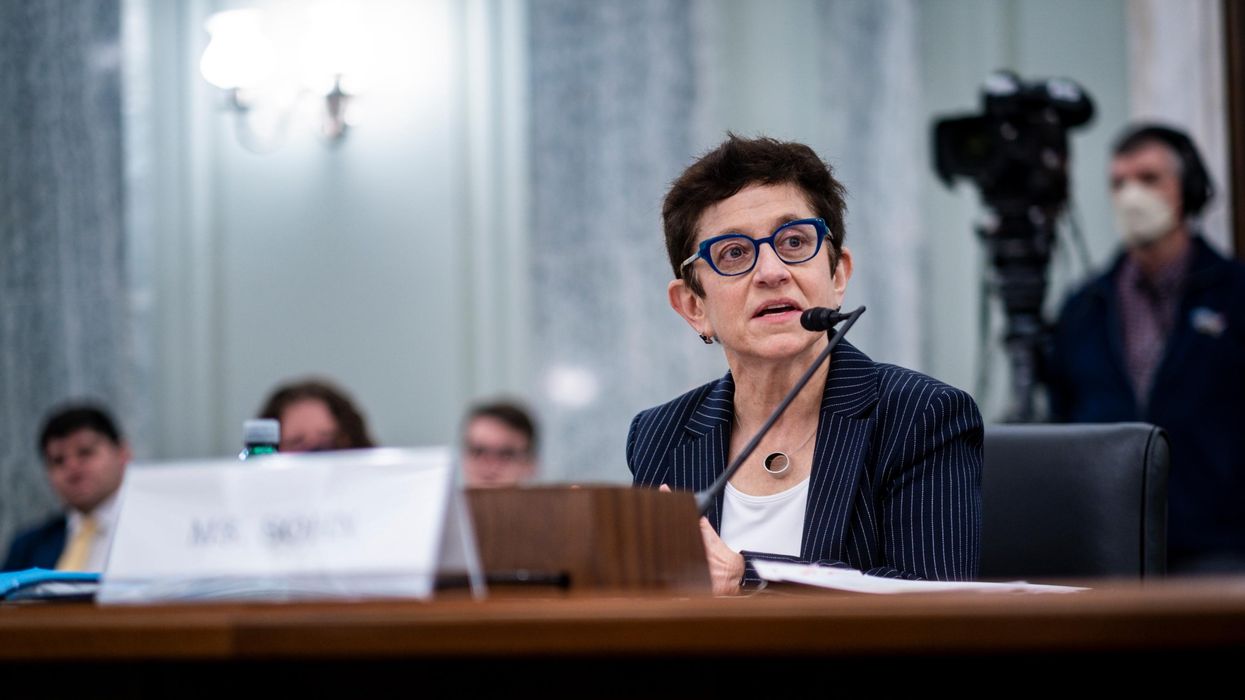
Supporters of Federal Communications Commission nominee Gigi Sohn and other critics of the telecommunications industry's efforts to thwart her U.S. Senate confirmation this week called out not only those behind the smear campaign but also Democratic leaders.
"Dem leadership is nowhere to be found defending their nominee."
The digital rights group Fight for the Future tweeted late Thursday that President Joe Biden and Senate Majority Chuck Schumer (D-N.Y.) promised to restore Obama-era net neutrality rules, of which Sohn was a chief architect.
"But instead they're sitting on the sidelines while Big Telecom mounts a massive dark money-funded smear campaign against their nominee to the FCC, Gigi Sohn," Fight for the Future added. "Where's the leadership? Do what you said you would do."
Fight for the Future director Evan Greer said Thursday that "it is absolutely absurd that millions of people from across the political spectrum fought for and won net neutrality at the FCC."
Ajit Pai, who chaired the FCC during the Trump administration, "repealed it, Dems promised to restore it, and they've so far failed to do so by caving to industry pressure and slow-walking" Sohn's nomination, Greer added.
"The only reason for this is corruption. Plain and simple," she charged, adding that it is a "good time to remember that Comcast, AT&T, Verizon etc. are huge donors to Democratic leadership and candidates. They've got their hands all up in there."
The campaigner also said that while the telecom sector and others--including the Fraternal Order of Police (FOP)--attack Sohn, "Dem leadership is nowhere to be found defending their nominee."
Greer pointed to a piece that Scott Roberts, senior director of criminal justice campaigns for Color of Change, wrote for The Root last year, declaring that the FOP is "one of the largest and most powerful hate groups in the country" and "acts as the guardian, enforcer, and perpetuator" of "racist police culture."
The FOP has openly opposed Sohn, citing her "forceful advocacy of end-to-end encryption and 'user-only-access'" and claiming that her employment history, public policy stances, and social media activity "indicated serious animus towards law enforcement officers and the rule of law."
The FOP on Wednesday released polling it commissioned from Morning Consult, which asked U.S. registered voters various questions, including some about Sohn.
"In the poll, 65% of voters had no opinion on this nominee. But after seeing information and social media posts about her extreme positions on policing issues, 6 in 10 said they would be less likely to support the nomination," said FOP national president Patrick Yoes. "For those who say Ms. Sohn's nomination will impact their vote in the Senate's midterm elections, 60% say they are more likely to vote for a Republican candidate--which is very significant in states like Arizona, Colorado, Georgia, Nevada, and Washington."
Critics framed the FOP polling as part of the ongoing efforts to tank Sohn's nomination.
"The smear campaign against [Sohn] has been beyond ridiculous," said Techdirt founder Mike Masnick. "Everyone who knows anything about her knows that it's pure nonsense, that she's beyond qualified, and that she will do an amazing job."
"The smear merchants are doing it *because* they know she'll do a good job," added Masnick, who was responding on Twitter to similar comments from technology writer Karl Bode.
Bode had tweeted of the FOP polling that "this is part of a manufactured smear campaign being run by AT&T and Comcast against a highly qualified and extremely popular FCC nominee literally everyone in the telecom/media space knows would be great on telecom monopolization, broadband affordability, and media consolidation."
Related Content

Writing for Techdirt on Friday, Bode blasted the FOP's "not-at-all-scientific poll" as well as the "grotesque campaign" by telecom giants to "spread harmful gibberish in a bid to either flip or provide flimsy justification" for right-wing Democratic senators opposing her nomination.
He also wrote:
The Biden team isn't faultless here either. It took the Biden administration nine months to even nominate Sohn, giving the telecom industry... ample time to galvanize opposition. Team Biden also hasn't done anything to defend Sohn publicly, or apply any meaningful pressure on the Senate confirmation voting process. Nor have Sohn's future FCC colleagues voiced any public support, despite the shamelessness of the attacks.
Which, in turn, is fairly reflective of how the federal government doesn't really take stuff like telecom monopolization and telecom consolidation seriously, especially in an era where "Big Tech" has sucked all the oxygen out of the D.C. policy room. And again, this is all occurring in an era when D.C. pretends to be interested in "bipartisan antitrust reform," revealing the hollowness of the gambit.
In a series of tweets Friday, Bode warned that "it is going to be an EXTREMELY long and painful decade if Democratic strategists don't start pulling their heads out of their asses and start displaying something vaguely resembling urgency, passion, and creativity."
"The phony appeal of authoritarianism can only be defeated if the [Democratic National Committee] shakes off corruption and truly represents the public interest," Bode added. "You don't accomplish this by letting a hugely popular media and telecom reformer drown under unopposed GOP/telecom propaganda attacks."

The United States, the European Union, and dozens of other countries on Thursday launched a global Declaration for the Future of the Internet vowing online protection of human rights, respect for net neutrality, and no government-imposed shutdowns that was applauded by progressive advocates for a more open and democratic web.
"If acted upon," the declaration "would ensure that people everywhere can connect, communicate, organize, and create new and amazing things that will benefit the entire world--not entrench the power of unaccountable billionaires and oligarchs."
"Today, for the first time, like-minded countries from all over the world are setting out a shared vision for the future of the internet, to make sure that the values we hold true offline are also protected online, to make the internet a safe place and trusted space for everyone, and to ensure that the internet serves our individual freedom," European Commission President Ursula von der Leyen said in a statement.
"Because the future of the internet," she said, "is also the future of democracy, of humankind."
The unveiling of the three-page document came months after President Joe Biden's Summit for Democracy at which his administration was reportedly mulling the launch of an Alliance for the Future of the internet. It also comes amid swelling scrutiny over the power of big tech corporations and continued attacks to online access imposed by authoritarian regimes.
The nonbinding declaration references a rise in "the spread of disinformation and cybercrimes," user privacy concerns as vast troves of personal data is collected online, and platforms that "have enabled an increase in the spread of illegal or harmful content."
It further promotes the internet operating "as a single, decentralized network of networks--with global reach and governed through the multistakeholder approach, whereby governments and relevant authorities partner with academics, civil society, the private sector, technical community and others."
Signed by over 55 nations--including all the E.U. member states, the U.K, and Ukraine--the document states in part:
We affirm our commitment to promote and sustain an internet that: is open, free, global, interoperable, reliable, and secure and to ensure that the internet reinforces democratic principles and human rights and fundamental freedoms; offers opportunities for collaborative research and commerce; is developed, governed, and deployed in an inclusive way so that unserved and underserved communities, particularly those coming online for the first time, can navigate it safely and with personal data privacy and protections in place; and is governed by multistakeholder processes. In short, an internet that can deliver on the promise of connecting humankind and helping societies and democracies to thrive.
The declaration won plaudits from U.S.-based digital rights group Free Press, whose co-CEO Craig Aaron said it "points to a vision of the internet that puts people first" and that, "if acted upon... would ensure that people everywhere can connect, communicate, organize, and create new and amazing things that will benefit the entire world--not entrench the power of unaccountable billionaires and oligarchs."
"We're encouraged by the declaration's strong statements of support for net neutrality, affordable and inclusive internet access, and data-privacy protections, and its decisive stance against the spread of hate and disinformation," he added.
Aaron called on the U.S. to "take the necessary steps to live up to these ideals--protecting the free flow of information online, safeguarding our privacy, ending unlawful surveillance, and making broadband affordable and available to everyone."
The Center for Democracy & Technology also welcomed the declaration, describing it in a Twitter thread as "an important commitment by nations around the world to uphold human rights online and off, advance democratic ideals, and promote an open Internet."
While it "hit on the right priorities" including protection of personal data privacy and a commitment to a multistakeholder internet governance process, the group called on each signatory to "review their own laws and policies against admirable standards articulated in the Declaration."
"For the Declaration to have any persuasive power," said the group, "the U.S. and other nations need to get their own houses in order."
Jennifer Brody, U.S. advocacy manager at Access Now, also greeted the document with a tepid welcome.
"Of course we support calls in the declaration, like refraining from shutting down the internet and reinvigorating an inclusive approach to internet governance, but we have seen so many global principles and statements come and go without meaningful progress," she said. "The burden is on the Biden administration and allies to do more than talk the talk."
This article has been updated to include comment from Access Now.

Open internet defenders cheered this week after a federal appeals court rejected an industry-backed petition to block enforcement of California's net neutrality law.
Internet service providers (ISPs) wanted a hearing before all the judges on the U.S. Court of Appeals for the Ninth Circuit after a three-judge panel of that court in January upheld that the law could go into effect.
"No judges on the appeals court thought the broadband industry's petition for a rehearing was even worth voting on," as ArsTechnica described the appeals court decision.
California's SB 822, described as the "gold standard net neutrality law," was approved in 2018 after the Federal Communications Commission (FCC), then led by former Verizon lawyer Ajit Pai, voted to repeal Obama-era net neutrality rules.
Among those praising the appeals court's decison was FCC Chairwoman Jessica Rosenworcel, who declared: "This is big. Because when the FCC rolled back its open internet policies, states stepped in. I support net neutrality and we need once again to make it the law of the land."
John Bergmayer, legal director at Public Knowledge--one of the groups that filed an amicus brief in support of California's law--similarly applauded the decision.
"As expected," he said, "the 9th U.S. Circuit Court of Appeals has rejected yet another attempt by internet service providers to overturn California's strong net neutrality law. The California net neutrality law is now undefeated in court after four attempts to eliminate it."
"Net neutrality protections nationally continue to be common sense and popular with the public among all ideologies," Bergmayer said, calling it "good news that Californians will continue to enjoy this important consumer protection, and we look forward to a full Federal Communications Commission restoring net neutrality nationwide."
The appeals court ruling came as progressives urged the U.S. Senate to confirm Gigi Sohn, President Joe Biden's nominee to fill the empty seat on the FCC.
Longtime net neutrality defender Sen. Ed Markey (D-Mass.) called the appeals court decision "a win in our fight for net neutrality, but all states deserve a free and open internet."
"We need Gigi Sohn... confirmed ASAP to advance access, affordability, and equity in our digital future," said Markey.
But Sohn's nomination, as Free Press' Jessica J. Gonzalez explained this week, has been thwarted.
"Sohn has faced an ugly and coordinated right-wing media smear campaign, which has been on full display in the op-ed pages of The Wall Street Journal and on Fox News, which are both owned by Rupert Murdoch," she wrote. "This campaign has also played out in the Senate, where Sohn faced not one but two confirmation hearings, which is unusual for the confirmation of an FCC commissioner. And at every turn a number of Republican senators have obstructed progress on Sohn's confirmation."
"The Senate must confirm Gigi Sohn without further delay," Gonzalez said. "The FCC has a lot of work to do, and a dwindling number of days to do so. Senate Democrats cannot allow these democracy-subverting tactics to succeed."