

SUBSCRIBE TO OUR FREE NEWSLETTER
Daily news & progressive opinion—funded by the people, not the corporations—delivered straight to your inbox.
5
#000000
#FFFFFF
To donate by check, phone, or other method, see our More Ways to Give page.
Daily news & progressive opinion—funded by the people, not the corporations—delivered straight to your inbox.
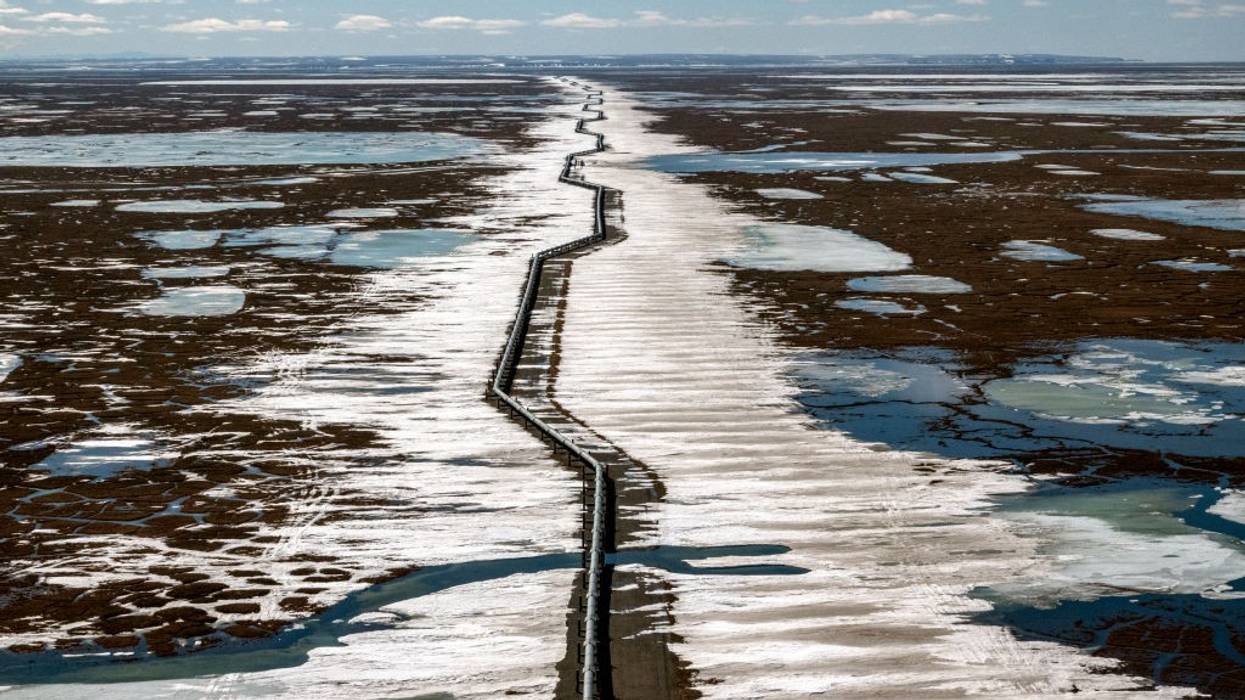
"The Trump administration is putting corporate profits ahead of people and the planet, and the Western Arctic will pay the price."
Just over a week after a leading US Senate Democrat described President Donald Trump's relationship with fossil fuel giants as "old-fashioned corruption, by a thuggish government and a desperate industry," his administration on Thursday announced yet another giveaway to climate polluters who want to exploit the Arctic.
The US Department of the Interior is moving forward with a plan to allow oil and gas companies to conduct certain wintertime activities at the National Petroleum Reserve in Alaska without reviews generally required by the National Environmental Policy Act—a landmark law long targeted by Trump's Republican Party.
"In issuing this categorical exclusion, this administration is seeking to fast-track large-scale oil drilling and seismic exploration without any further environmental analysis or public input," warned Earthjustice attorney Janet Bering. "It is cutting the public out of this decision and future decisions."
"The administration finalized this new approach with zero public input," Bering noted. "Combined with a similar proposal that rubber-stamps new oil production, this is a one-two punch. It's bad policy, and it is unlawful."
The 60-day public comment period is ongoing for the earlier proposal she cited, which is designed to streamline decision-making for construction and operation of oil and gas production sites in the same 23-million-acre Alaska reserve.
When the Interior Department unveiled that policy in early September, Earthjustice Attorney Erik Grafe declared that "what we're seeing here is a concerted attack by the Trump administration to greenlight oil and gas drilling in the Western Arctic while ignoring the harm it will cause to these irreplaceable public lands and also the government's obligation to protect these lands for wildlife and future generations."
"These are large-scale, industrial activities that cause permanent damage to sensitive Arctic ecosystems, nearby communities, and the climate," Grafe stressed. "The administration's proposal flaunts basic environmental laws meant to protect land, wildlife, and people and allow for fully informed decision-making."
Earthjustice is far from alone in blasting Trump's recent attacks on the Arctic. Dan Ritzman, director of Sierra Club's conservation campaign, condemned last month's proposal as "another piece of the administration’s relentless effort to expand drilling across Alaska's public lands."
"The Western Arctic is home to caribou, migratory birds, and countless other wildlife, and decisions about its future deserve careful scrutiny—not a permitting process designed around the demands of the oil and gas industry," Ritzman said at the time.
His colleague Mike Scott, Sierra Club's national oil and gas campaign manager, was similarly critical of Thursday's announcement.
"The Trump administration is handing Big Oil another free pass to exploit America’s public lands, this time by gutting environmental oversight in one of the most fragile ecosystems on the planet," said Scott. "Oil companies have already shown the risks they pose to the Western Arctic, and now this administration wants to make it even easier for them to drill without scrutiny."
"This isn't about lowering energy costs or helping Alaskans," he continued—as the president drives up fuel costs with an illegal war on Iran. "It's about doing the fossil fuel industry's bidding at the expense of wildlife, Alaska Native communities, and our public lands. The Trump administration is putting corporate profits ahead of people and the planet, and the Western Arctic will pay the price."
Trump campaigned for a second term on a pledge to serve fossil fuel interests—even telling industry executives that he'd roll back climate policies if they poured $1 billion into his campaign. Last week, US Senate Minority Leader Chuck Schumer (D-NY) and Committee on Environment and Public Works Ranking Member Sheldon Whitehouse (D-RI) released a report detailing how the president has delivered on that promise since returning to power last year.
"The fossil fuel industry and their allies bought their way into the Trump White House with hundreds of millions of dollars in political donations, after Trump promised fossil fuel bigwigs at a Mar-a-Lago fundraiser that he'd do anything and everything they wanted, for the right price," Whitehouse said. "Now, their minions run the government from the inside, driving up energy bills to deliver payouts to the donors that put Trump back in office."

One campaigner warned that the administration's effort "to legalize most killings of endangered wildlife would essentially mean open season on species already on the brink of annihilation."
Conservation groups that sued this summer over President Donald Trump's administration rescinding the regulatory definition of "harm" in the Endangered Species Act updated their legal challenge on Thursday after yet another attack on the landmark law.
The coalition's supplemental complaint explains to a federal court in Seattle that since the lawsuit was first filed in July, administrative leaders have directed various agencies to interpret the ESA to mean that only intentionally killing or wounding a protected species is illegal—a shift that critics condemned as "an all-out war on America's wildlife."
As the "harm" rescission took effect on September 14, US Fish and Wildlife Service Director Brian Nesvik issued a related memorandum with that interpretation—effectively allowing "incidental" killing. John Luce, general counsel at the National Oceanic and Atmospheric Administration, sent the same directive to eight sections of NOAA.
These memos "violate the plain language and overarching purpose of the ESA; they also lack any reasoned basis, are arbitrary and capricious, and failed to comply with applicable notice-and-comment rulemaking requirements," the new filing argues, citing the Administrative Procedure Act. The coalition is asking the court to vacate the memos and bar the agencies from using their interpretations of the 1973 law.
"This despicable effort to legalize most killings of endangered wildlife would essentially mean open season on species already on the brink of annihilation," said Noah Greenwald, endangered species co-director at the Center for Biological Diversity, in a Thursday statement. "It's the most serious attack on imperiled animals since the Endangered Species Act was passed more than 50 years ago."
"Without protection against the daily assaults of our modern world, Florida manatees, spotted owls, snowy plovers, and so many other animals that bring color to our world won't stand a chance," he warned, noting that "habitat destruction is the single biggest cause of species endangerment and extinction" in the United States and beyond.
Greenwald added that "with this destruction, the perils faced by plants and animals have grown exponentially. Such peril doesn't come down the barrel of a gun, but it's still a deadly threat, and the Endangered Species Act can and must protect our imperiled wildlife from this kind of careless killing."
In addition to the center, the coalition behind the case includes Columbia Riverkeeper, Conservation Law Foundation, Conservation Northwest, Friends of the Wild Swan, Oregon Wild, Sierra Club, Swan View Coalition, and WildEarth Guardians, with legal representation by Earthjustice.
After the memos were exposed last month, Earthjustice attorney Ben Levitan declared that "the government's new legal position is a prescription for extinction."
"It says that as long as you claim you didn't mean to kill an endangered species, the law can't and won't stop you," he stressed. "That's ridiculous—and a totally illegal, active misreading of the Endangered Species Act. We'll see the Trump administration in court about this."
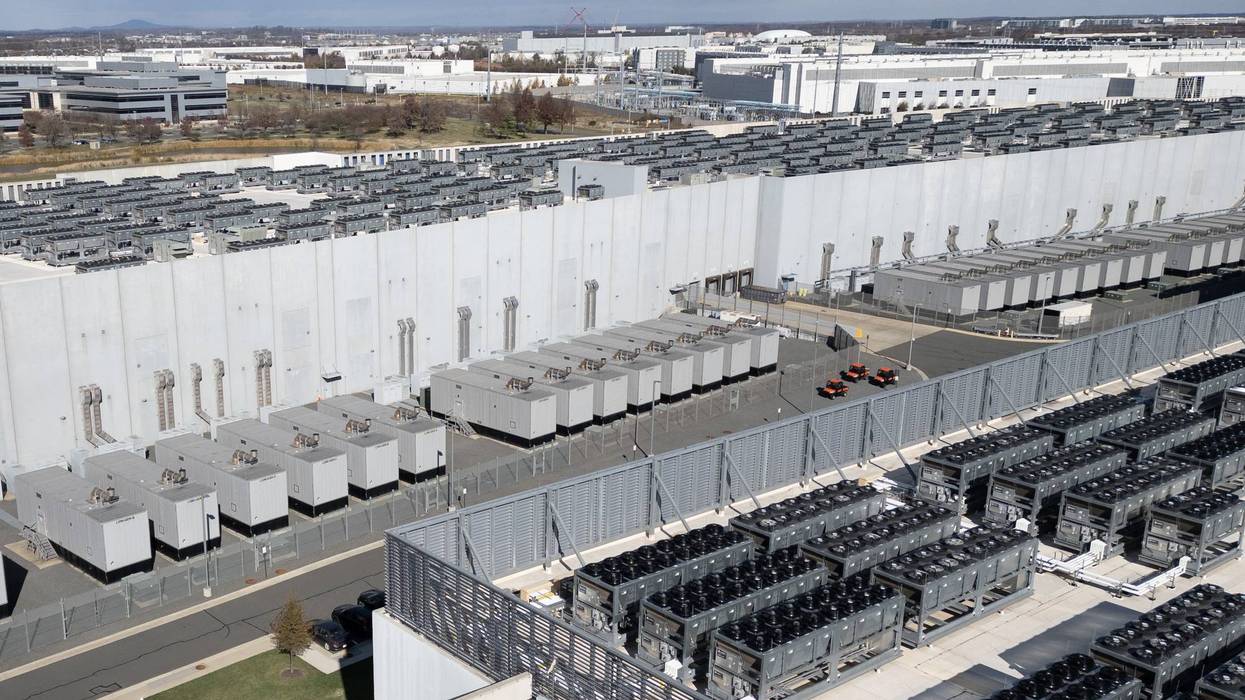
“The rush to build more and more data centers is causing harm far beyond the data centers themselves."
A trio of green groups on Friday sued the US Environmental Protection Agency over its approval of two new chemicals for semiconductor manufacturing, arguing that the EPA allowed potentially dangerous substances to be sold despite acknowledging significant gaps in its understanding of their health risks.
CHIPS Communities United and the Sierra Club, represented by Earthjustice, filed suit in the US Court of Appeals for the 9th Circuit in San Francisco challenging the approvals. The groups contend that the EPA violated the Toxic Substances Control Act (TSCA) by permitting the chemicals’ use without adequately assessing their risks to employees in semiconductor plants and the communities in which they are located.
According to Earthjustice, the EPA identified potential hazards including cancer, neurological damage, and even sudden death, but also acknowledged that it lacked sufficient information to determine the full extent of those risks. The names of the chemicals are redacted in the complaint—in which they are identified by their EPA premanufacture notice numbers, P-26-0029 and P-26-0045—because the agency has designated their identities as confidential business information.
“The Trump administration is rushing dangerous chemicals to market without the review or the protection that the law requires,” Earthjustice senior attorney Jonathan Kalmuss-Katz said in a statement announcing the lawsuit. “Here, EPA admits that it has not evaluated the full extent of these chemicals’ health risks, yet it is still sending them into communities across the country and leaving the public to discover their effects one doctor’s visit at a time.”
CHIPS Communities United coalition director Judith Barish said: “Neighbors and workers are exposed to toxic chemicals in semiconductor factories. Over decades, workers in chip [factories] have been harmed by workplace exposure and residents of nearby communities have been impacted by hazardous air or water that is contaminated by these chemicals."
"We call on the EPA to stop approving chemicals that can harm public health without understanding the risks," Barish added.
As Earthjustice noted:
Semiconductor manufacturing is a major ongoing source of [per- and polyfluoroalkyl substances], a large class of toxic “forever chemicals,” along with other industrial manufacturing sources. PFAS don’t easily break down and can persist in our bodies and the environment for decades or more. Semiconductors are also foundational hardware for artificial intelligence (AI) data centers, affecting many communities in addition to those surrounding the massive polluting chip factories.
The groups' lawsuit comes over a month after the EPA under President Donald Trump—who campaigned on what critics say was a largely empty promise to "make America healthy again"—and agency Administrator Lee Zeldin approved a fifth “forever chemical” pesticide pushed by industry lobbyists.
"EPA’s approval of these unstudied chemicals is just the latest example of the Trump EPA refusing to follow the legal risk assessment processes under TSCA and prioritizing industry profits over public health," Earthjustice said on Friday. "Last year, the agency proposed shifts to how it conducts risk evaluations for chemicals already in use and on the market that would let it ignore the real-world risks posed by toxic chemicals."
Harmful chemicals associated with data center cooling, fire suppression, and production of semiconductors and other electronic components include refrigerants such as Freon and Opteon, Teflon coatings for cable insulation, Krytox for pumps and robotics, and Viton for sealing.
Additionally, as the Natural Resources Defense Council explained, data center cooling systems "can consume vast quantities of water and pollute large quantities of water, depending on the type of cooling system used. For example, evaporative cooling consumes large quantities of water while some immersion cooling techniques rely on harmful chemicals such as PFAS."
While much critical attention on the lack of guardrails on unchecked AI development has focused on the risks of the technology itself and its economic implications—which experts say includes the shorter-term danger of mass unemployment and the long-term threat that superintelligent machines could one day subjugate or even wipe out humanity—the green groups are highlighting environmental and health hazards amid the worsening climate emergency.
"The rush to build more and more data centers is causing harm far beyond the data centers themselves," Jane Williams, chair of the Grassroots Network National Clean Air Team at Sierra Club, said Friday.
“From the plants where toxic chemicals are used to make semiconductors, to the roads these chemicals are transported on, and finally to the incinerators where they are disposed, EPA’s approval of these dangerously unstudied chemicals places the public at risk," Williams added. "These chemicals are suspected to be persistent bioaccumulative toxins, a category of chemicals that contaminate breast milk, cord blood, and the next generation. This action is an assault on the future.”

"At its core, the revisions strip communities of their right to be heard."
Preservationists are reacting with fury after allies of President Donald Trump moved to weaken federal restrictions on construction projects built on historic sites.
Trump-appointed members of the Advisory Council on Historic Preservation (ACHP) on Friday voted move forward with rules that would weaken Section 106 of the National Historic Preservation Act, which requires the federal government to both evaluate how construction projects might impact protected places and to consult with people and groups affected by such projects, including Tribal Nations.
Rep. Jared Huffman (D-Calif.), ranking member of the House Natural Resources Committee, on Monday ripped Trump for stacking the council with loyalists who appear determined to "tear down the safeguards that protect America's history so he and his billionaire friends can build whatever they want, wherever they want."
"Right now, a developer has to stop and listen before paving over a tribal burial ground, a Revolutionary War battlefield, or the church where your grandparents were married," Huffman added. "Trump's council wants to end that and cut tribal nations, states, counties, towns, and communities out of that conversation entirely."
Greg Werkheiser, founding partner at the law firm Cultural Heritage Partners, said in an interview with NPR published on Friday that the vote amounted to an "attempt to gut historic preservation protections."
"There are millions of these sites in this country," Werkheiser emphasized, "and all of them are made less protected by this effort by the Trump administration."
The American Institute of Architects (AIA) on Monday denounced the council's vote, describing it as "a significant step back for historic preservation, community participation, and the inclusive design processes that serve the public good."
"At its core, the revisions strip communities of their right to be heard," said the AIA. "These revisions place approximately 1.4 million historic sites at greater risk by shifting decisions away from the communities where they are rooted. The revisions make public comment optional rather than mandatory, narrow the definition of historic property, and shift decision-making authority almost entirely to federal agencies—sidelining state historic preservation officers, tribal historic preservation officers, tribes, and local governments."
Michaela Pavlat, manager for the National Parks Conservation Association Indigenous Partnerships Program, said the Friday vote was a "calculated, yet unwarranted attack on tribal consultation, historic preservation, and the regulations that have protected the places that tell our country’s diverse stories."
Gussie Lord, managing attorney for tribal partnerships at Earthjustice, noted that the National Historic Preservation Act "has not slowed the pace of new roads and power plants in this country, but it has given Tribes a seat at the table and preserved irreplaceable Indigenous sites from destruction."
"What happens when entire landscapes are bulldozed without a thought to their cultural and historic importance?" Lord asked. "No one should support cutting Tribes out of the decision-making process for projects that impact their rights and sacred places."
A coalition of conservation groups sued the Trump administration in federal court on Tuesday over its move to rescind the regulatory definition of "harm" in the Endangered Species Act so that extractive industries can degrade crucial habitats.
"Since 1973, the ESA has served as the nation's most effective conservation law, saving numerous imperiled species from extinction and moving them toward recovery," states the complaint, filed in the District of Washington state. It argues that the rescission "defies the text and purpose of the statute, 50 years of administrative policy, and US Supreme Court precedent."'
The coalition is made up of the Center for Biological Diversity, Columbia Riverkeeper, Conservation Law Foundation, Conservation Northwest, Friends of the Wild Swan, Oregon Wild, Sierra Club, Swan View Coalition, and WildEarth Guardians, and is represented by Earthjustice.
"Preventing harm to wildlife by protecting where they live, eat, and sleep is a basic foundation of the Endangered Species Act," said Earthjustice attorney Kristen Boyles in a statement, also stressing that the decision conflicts with not only the ESA but also decades of legal precedent. "Now more than ever, imperiled fish, birds, and wildlife need protection to survive and recover."
Ben Greuel, wildlife campaign manager at Sierra Club, warned that "without the habitat protections offered by the harm rule, countless species would be forced onto a path towards extinction."
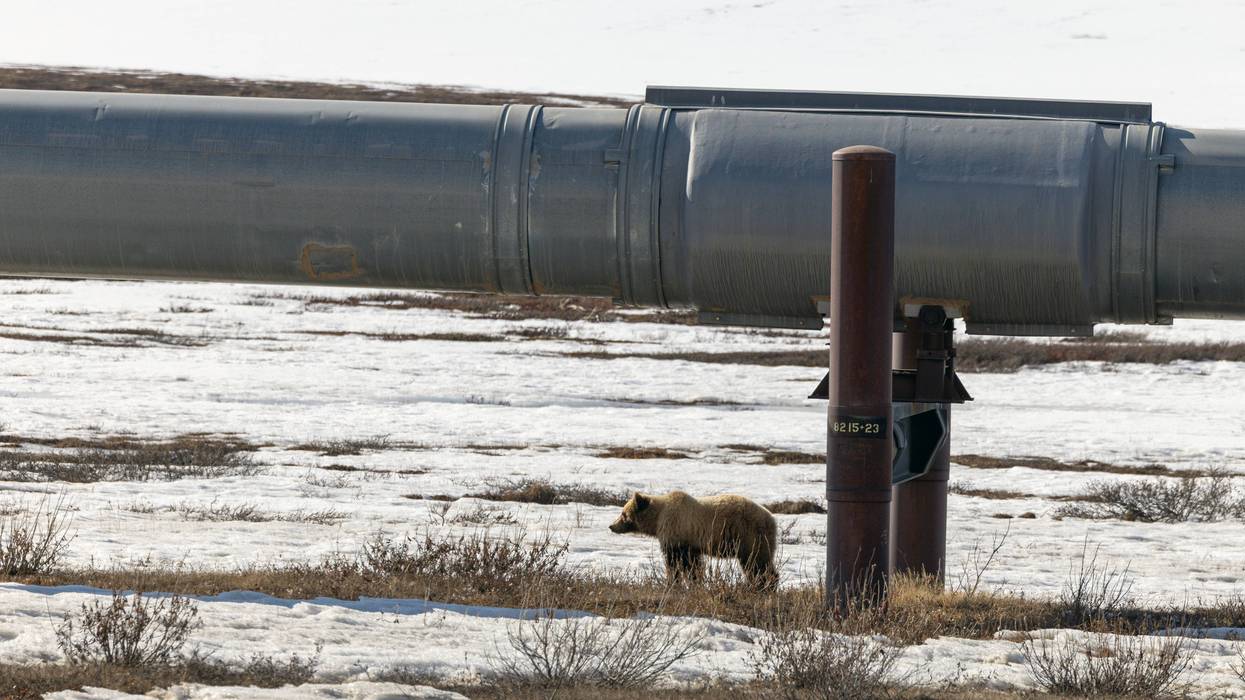
For example, "roads built for logging and other human access destroy grizzly bear habitat and the bear's ability to safely use its habitat," said Swan View Coalition chair Keith Hammer. "Weakening the harm rule will allow industry to devastate the habitat grizzly bears and many other wildlife species depend on for their survival."
Noah Greenwald, endangered species co-director at the Center for Biological Diversity, pointed to not only grizzlies but also some of the other specific species that could be impacted by the administration's decision.
"It's beyond tragic that as the world's scientists warn us of an extinction crisis threatening to unravel our shared future, the Trump administration is yanking basic protections from our most endangered wildlife," Greenwald said. "There's just no way to protect endangered animals like spotted owls, Florida panthers, or grizzly bears without protecting the places they live."
In fact, as Oregon Wild staff attorney John Persell, noted, "habitat loss is the leading driver of extinction."
"This gutting of the Endangered Species Act is part of a broader assault on our bedrock environmental values," Persell also emphasized. "From public lands to wildlife to clean air and drinking water, the Trump administration is determined to waste, loot, and pollute America's natural heritage."
Separately, the group Defenders of Wildlife sent a letter to the departments of Commerce and the Interior about its intent to sue over the ESA rescission, which was published in the Federal Register on Tuesday by their respective agencies, the National Oceanic and Atmospheric Administration and the Fish and Wildlife Service.
"The law has been clear for decades," said Jane Davenport, senior attorney at Defenders of Wildlife. "Rescinding this definition is wholly out of bounds and misaligned with the vast majority of Americans who support protecting and recovering endangered species."
"We will use the full force of the law to fight back and prevent industry from unfettered destruction of critical forests, streams, deserts, oceans, and coastlines," Davenport pledged.
The rescission came just a day after President Donald Trump signed proclamations dramatically shrinking the size of two national monuments in Utah, Bears Ears and Grand Staircase-Escalante.
As with Trump's repeated attacks on the ESA, his targeting of the two monuments dates back to his first administration.
Taylor McKinnon, Southwest director at the Center for Biological Diversity, said Monday that "gutting Utah’s national monuments to enrich polluting extractive corporations shows Trump's extreme disdain for Americans' shared natural heritage. It's a national embarrassment. These monuments protect some of America's most iconic landscapes and rich biodiversity. We'll fight like hell to safeguard their future."
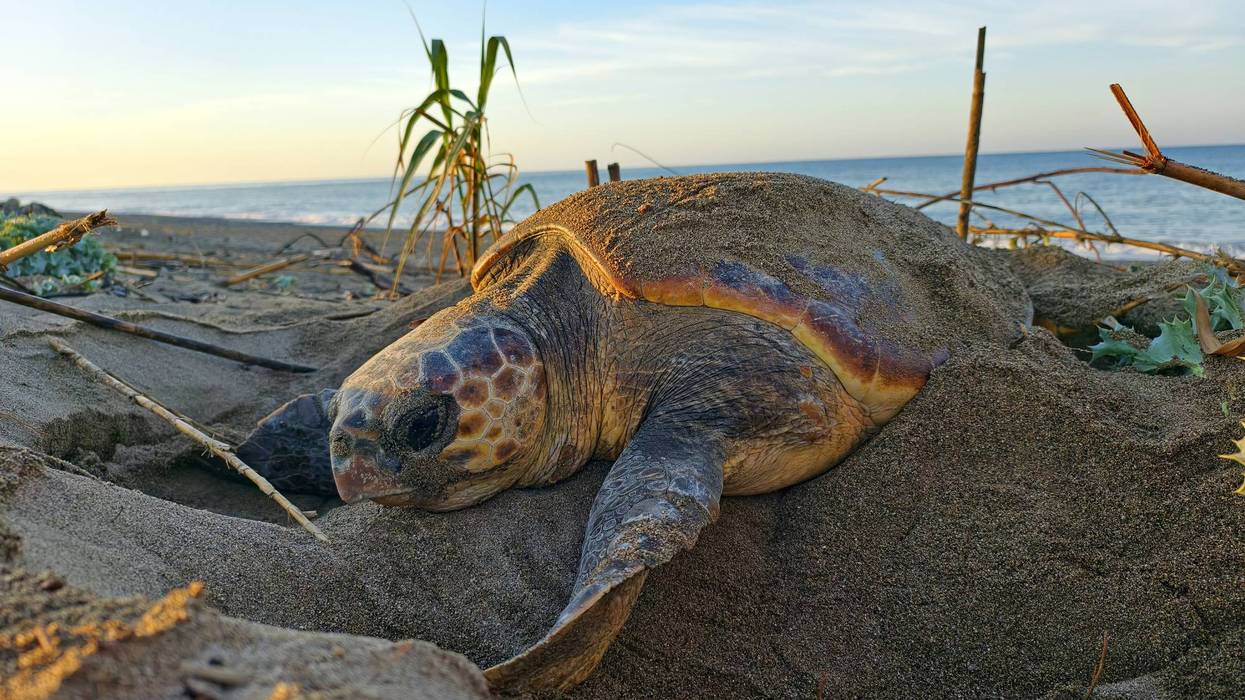
"If animals don’t have a place to live, they can’t live," said one critic.
President Donald Trump's administration on Friday paved the way for letting US corporations destroy the habitats of endangered species by rescinding a longtime interpretation of the Endangered Species Act.
As reported by The New York Times, the Interior Department and the Commerce Department announced that they were narrowing the law's definition of what constitutes harming endangered species.
Whereas the law has for decades been interpreted as protecting endangered animals' habitats from significant "modification or degradation," the administration said that offenders would have to directly injure or kill an endangered animal to be considered in violation of the law.
"The change could open the door for fossil fuel companies, agricultural interests, land developers, and others," wrote the Times, "to disturb or even destroy the habitats of vulnerable species."
The Endangered Species Act has been interpreted as protecting animals' habitats for decades, and that interpretation upheld by the US Supreme Court in 1995.
Environmental advocates expressed horror in response to the rule change, which they said would put endangered species at unprecedented risk.
Kristen Boyles, attorney for Earthjustice, vowed that the administration would face legal challenges for its rule change, which she said would jeopardize endangered animals' ability to "raise their young, or search for food."
"Let’s be clear: There is no support for the Trump Administration’s rule—no scientific support, no legal support, no public support," Boyles said. "We will see the Trump Administration in court."
Ben Greuel, wildlife campaign manager at the Sierra Club, called the rule changed "a direct attack on the foundation of the Endangered Species Act" that, if kept in place, would put species "on a path to extinction."
"This rule ignores that reality in an unlawful attempt to open the door for corporate polluters to degrade vitally important habitats, wildlife be damned," Greuel emphasized. "The Endangered Species Act is a bedrock law that must be followed."
Tara Zuardo, a senior campaigner at the Center for Biological Diversity, pointed out that "habitat destruction is the number one threat to endangered species," while calling the Trump administration's new policy "a death knell for America’s wildlife."
"If animals don’t have a place to live, they can’t live," Zuardo said. "Spotted owls, Atlantic salmon, Florida panthers, and thousands of other species need protections for the wild places where they make their homes."
Andrew Bowman, president and CEO of Defenders of Wildlife, accused the Trump administration of embracing an "erroneous and nonsensical interpretation" of the Endangered Species Act that he vowed to challenge in court.
"We intend to fight back with the full force of the law," said Bowman, "to defeat this attack and innumerable others by the administration on the statutes and regulations that protect America’s cherished wildlife."
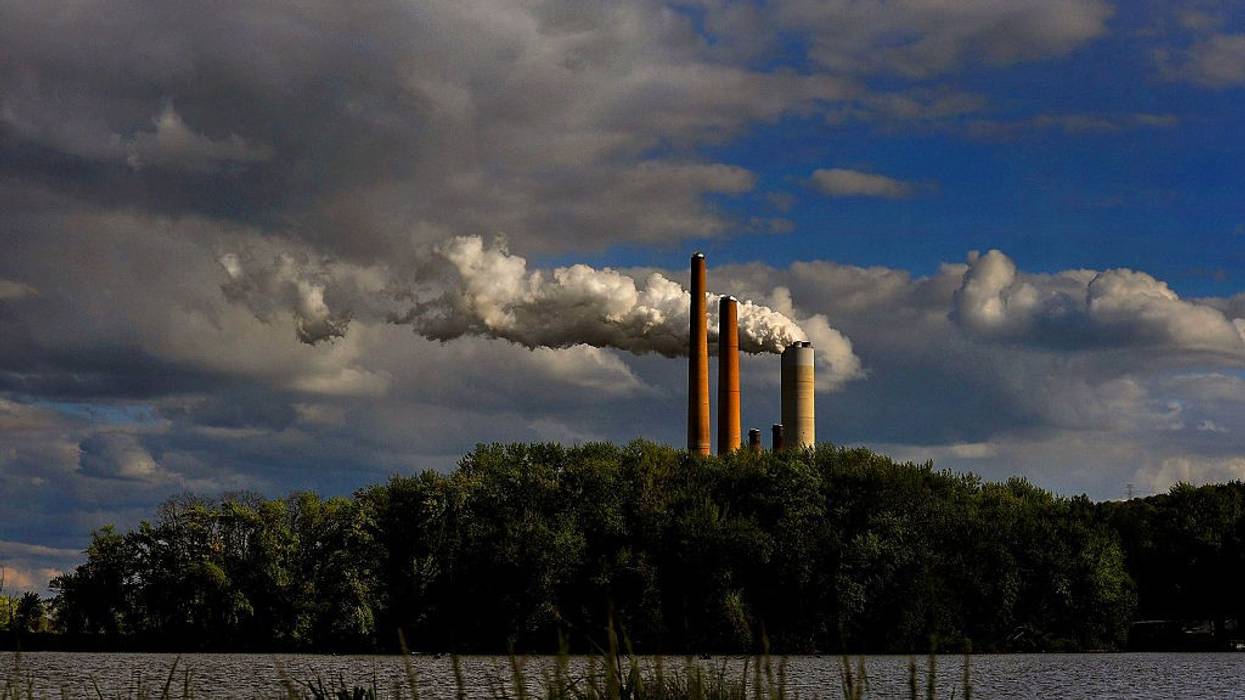
"The court’s rejection of the Trump administration’s attempt to eliminate our national health standards for soot will mean healthier, longer lives for people across the country," said one advocate.
A federal appeals court on Friday rejected the US Environmental Protection Agency's attempt to scrap a Biden-era rule tightening limits on harmful soot pollution spewed from coal-fired power plants and other sources.
In a unanimous ruling, a three-judge panel of the US Court of Appeals for the District of Columbia Circuit dealt a blow to President Donald Trump's deregulatory agenda by leaving intact a national soot standard enacted in 2024 that lowers the amount of fine particulate matter from power plants, factories, and vehicles from 12 to 9 micrograms per cubic meter.
"Soot, made up of tiny toxic particles that lodge deep in the lungs, results in severe health harms, including premature death, and comes from sources like vehicle exhaust pipes, power plants, and factories," the legal advocacy group Earthjustice explained.
The Environmental Protection Agency (EPA) under Administrator Lee Zeldin last year asked the appellate court to invalidate the soot rule, claiming that the Biden administration exceeded its authority and failed to take into account the economic cost of implementing the policy.
“Clean air is not a luxury. We are thrilled these vital air quality standards have been upheld by a federal court,” said Patrice Simms, vice president of Healthy Communities at Earthjustice. “The 2024 soot standard is a critical advancement for public health, projected to save thousands of lives every year. Lee Zeldin’s EPA must stop catering to polluters and must instead fulfill its mission to protect public health. The time for implementing the 2024 soot standard is now.”
Clean Air Task Force senior director of legal advocacy Shaun Goho also welcomed the ruling, saying: "Fine particulate matter standards provide critical public health protections. The court correctly rejected EPA’s about-face on the need for a stronger standard."
Katie Huffing, executive director of the Alliance of Nurses for Healthy Environments, called Friday's decision "a win for public health."
“Every day in practice, nurses witness and treat conditions made worse by soot pollution," she said. "From asthma exacerbations and chronic obstructive pulmonary disease to heart disease and preterm birth, nurses see the real-world health implications of toxic air pollution."
"The science shows stronger limits to reduce dangerous soot pollution provide significant health benefits for Americans, especially for those most vulnerable and those exposed to higher levels of particulate matter pollution," Huffing added. "We now urge EPA to fully implement the strengthened standard to ensure those health benefits are realized.”
Noha Haggag, senior attorney for the Environmental Defense Fund, said that “today’s federal court decision is good news for clean air in America and for the millions of people harmed by deadly soot."
“Soot can cause asthma attacks, lung cancer, and premature deaths," Haggag added. "The court’s rejection of the Trump administration’s attempt to eliminate our national health standards for soot will mean healthier, longer lives for people across the country.”
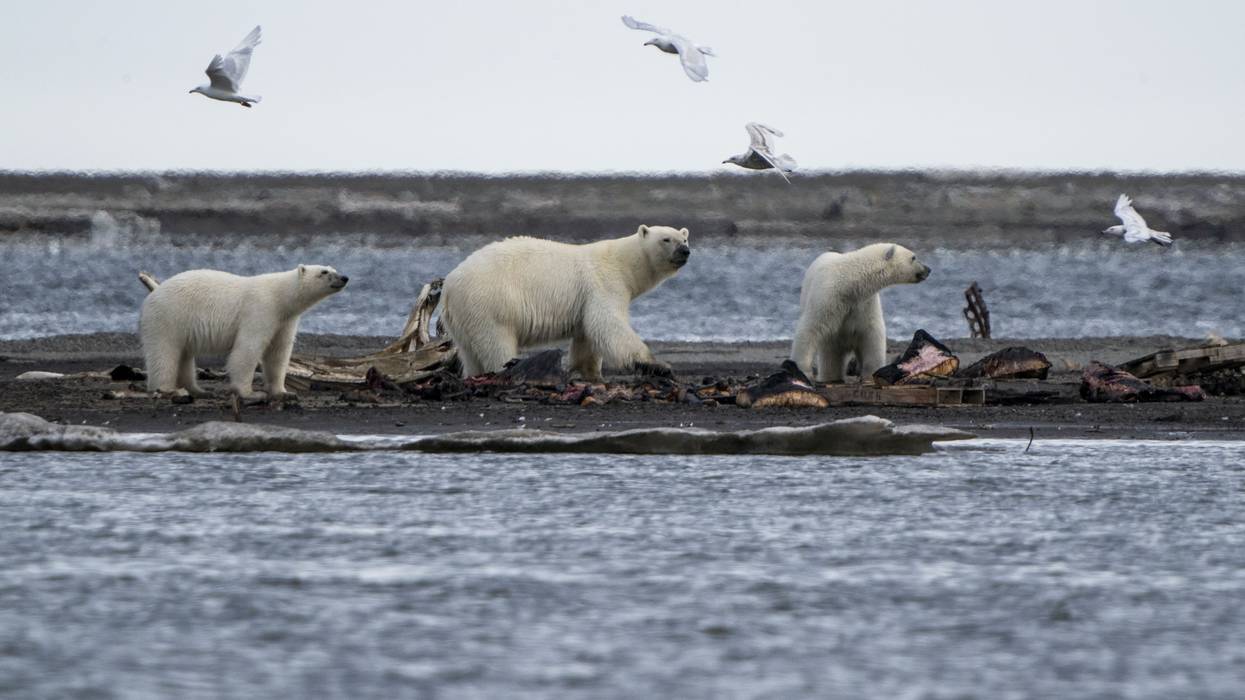
"Even though the interest in today’s sale was tepid, the new leasing still poses significant threats to habitat, iconic wildlife, and Indigenous ways of life," said Earthjustice.
In an embarrassment for President Donald Trump and his "drill, baby, drill" energy policy, Friday's third oil and gas lease sale in Alaska's Arctic National Wildlife Refuge once again drew no bids from Big Oil—but conservationists stressed that fossil fuel expansion still poses a serious threat to the pristine wilderness and its human and animal inhabitants.
The US Department of the Interior’s Bureau of Land Management (BLM) offered 60 tracts on 689,000 acres in the ANWR in northeastern Alaska's Coastal Plain for lease sales. Just two companies—the government-owned Alaska Industrial Development and Export Authority and Hex LLC, an Alaska firm—bought five leases that generated a paltry $3.7 million in total receipts.
“Yet again, no major oil and gas companies showed up to bid, because they know that drilling in the Arctic Refuge is a losing proposition,” said Kristen Moreland, executive director of the Gwich'in Steering Committee, which represents the Gwich'in Indigenous people and opposes drilling.
“We will continue to fight the Trump administration’s leasing program, and work with our friends and allies to protect this sacred and irreplaceable landscape from development of any kind," Moreland added.
The Trump administration had touted fossil fuel lease sales as a way to help pay for tax cuts in the so-called One Big Beautiful Bill Act that mostly benefited corporations and wealthy individuals. The law, which was signed last July by Trump and extends tax cuts the president enacted in 2017, is expected to result in over $5 trillion in lost revenue through 2034, according to an analysis by the Tax Foundation, the world's leading independent tax policy nonprofit.
Despite the underwhelming result, the BLM described Friday's ANWR lease sale as "successful," with agency Director Steve Pearce calling it "another important step toward restoring American Energy Dominance and responsibly developing the vast resources Congress directed us to make available in the Coastal Plain."
Friday's lease sale was the third such auction, the first of which was held in 2021 during Trump's first term and generated just 1% of the administration's projected revenue. The Biden administration—which canceled the leases issued in the 2021 sale—held another lease auction last year because Trump's 2017 tax cut law required two ANWR lease sales within seven years. The 2025 auction drew no bidders.
Green groups and other drilling opponents warned that Friday's flop does not diminish the threat posed by fossil fuel development in ANWR, which is home to the North Slope Iñupiat and the Gwich’in peoples and 270 animal species, including all of the world’s remaining South Beaufort Sea polar bears and the 200,000 porcupine caribou upon which the Gwich'in—who call the area the "sacred place where life begins—rely upon for their survival. The North Slope Iñupiat broadly support drilling and called Friday's lease sale "an important milestone."
"Even though the interest in today’s sale was tepid, the new leasing still poses significant threats to habitat, iconic wildlife, and Indigenous ways of life in one of the nation’s most wild and beautiful landscapes," Earthjustice—one of the groups leading a lawsuit challenging the lease sales—said in a statement. "All of today’s leases are in important polar bear habitat, for example."
Athan Manuel, the Sierra Club's director of lands protection, said that "today's lease sale was another embarrassment and broken promise. The Trump administration has pushed leasing out the Arctic Refuge as the way to finance huge tax cuts, yet today generated $3.7 million for the federal government."
“Let's call that what it is, another scam to trick Americans into giving away our precious natural world," Manuel continued. "It does nothing to change the reality that drilling in the Arctic National Wildlife Refuge remains a risky, controversial, and fundamentally flawed proposition."
"For years, the public was promised that sacrificing the refuge would generate significant economic benefits," Manuel added. "Instead, this leasing program has been plagued by uncertainty while putting one of America's most important public lands at risk."
Autumn Hanna, vice president of the advocacy group Taxpayers for Common Sense, said, "From two previous failed lease sales that delivered less than 1% of promised revenue, taxpayers already know that drilling in the Arctic Refuge is a bad deal."
"Today’s lease sale is yet another reminder that oil and gas development in the refuge is high-risk, low-reward, with zero interest from real industry players," Hanna added. "Americans will not see relief at the pump and, instead, face greater risks from the drilling in a sensitive region.”
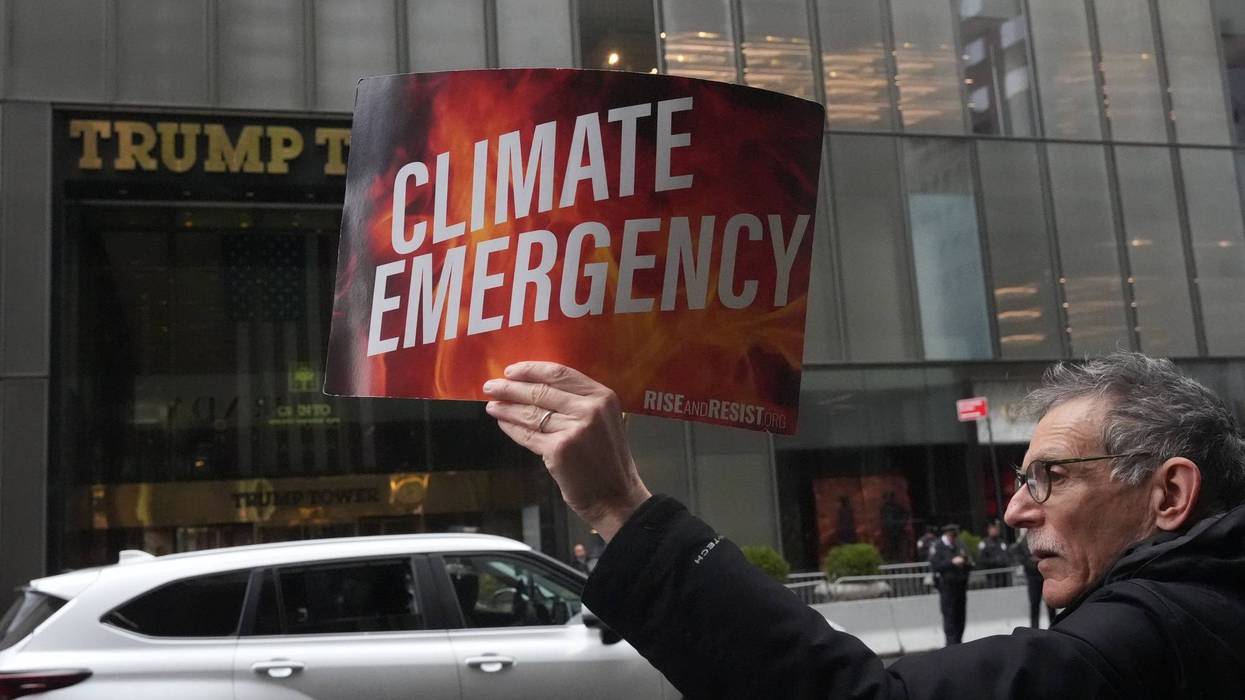
"More pipelines mean more drilling, more waste, and more spills. And when spills happen, it's communities, landowners, and tribes who are left dealing with the contamination, not the companies profiting from it," said one critic.
"We know that if this project goes through, our land and our water are in danger. Our future is in danger," warned Krystal Two Bulls, one of many community, conservation, and Indigenous group leaders speaking out after President Donald Trump granted a cross-border permit to what critics called "nothing more than an attempt to resurrect the unpopular Keystone XL pipeline."
Trump's permit for the Bridger Pipeline Expansion Project authorizes various "petroleum products, including gasoline, kerosene, diesel, and liquefied petroleum gas," The Associated Press reported Thursday, but Bridger spokesperson Bill Salvin said the company is currently focused on crude oil—550,000 barrels of which could flow daily from Canada, through Montana, to Guernsey, Wyoming, if the pipeline is completed.
"Water protectors are standing up again, like we have always done against all those who threaten Mother Earth," Two Bulls, an Oglala Lakota and Northern Cheyenne organizer from Lame Deer, Montana, and executive director of Honor the Earth, said Friday. "We fought against the Keystone XL pipeline proposed for these very same lands and won back in 2021. We will fight and win again against the Bridger pipeline."
Shortly after entering office in 2021, then-President Joe Biden revoked the presidential permit for Keystone XL—which Trump had signed during his first term—as part of the Democrat's efforts to combat the fossil fuel-driven climate emergency.
While Biden faced criticism from climate advocates for the oil and gas projects he did allow, Trump took a swipe at him on Thursday, telling reporters: "Slightly different from the last administration. They wouldn't sign a pipeline deal, and we have pipelines going up."
Trump—who campaigned on a pledge to "drill, baby, drill" and returned to the White House last year with financial help from Big Oil—also dismissed safety concerns about pipelines, saying: "By the way, they're way underground. They're not a problem. Nobody even knows they're there. It's so crazy. But they wouldn't approve anything having to do with a pipeline."
As the AP detailed:
Bridger Pipeline and other subsidiaries of True Company have been responsible for several major pipeline accidents including more than 50,000 gallons (240,000 liters) of crude that spilled into the Yellowstone River and fouled a Montana city's drinking water supply in 2015, a 45,000-gallon diesel spill in Wyoming in 2022 and a 2016 spill that released more than 600,000 gallons (2.7 million liters) of crude in North Dakota, contaminating the Little Missouri River and a tributary.
Subsidiaries of True agreed to pay a $12.5 million civil penalty to settle a federal lawsuit over the North Dakota and Montana spills.
Salvin said Bridger Pipeline in the years since the Yellowstone spill developed an AI-based leak detection system that allows it to be notified more quickly when there are problems. It also plans to bore 30 to 40 feet (9 to 12 meters) beneath major rivers including the Yellowstone and Missouri to reduce the chances of an accident. The 2015 accident occurred on a line that was constructed in a shallow trench at the bottom of the river.
A public comment submitted to the Trump administration by the legal group Earthjustice on behalf of Honor the Earth, Sierra Club, WildEarth Guardians, and a dozen other organizations acknowledges concerns about this pipeline's potential impacts to water, land, the climate, air quality, cultural resources, recreation, and more—and called for an intense federal review of the project.
"We know how this system works: More pipelines mean more drilling, more waste, and more spills. And when spills happen, it's communities, landowners, and tribes who are left dealing with the contamination, not the companies profiting from it," Rebecca Sobel, climate and health director at WildEarth Guardians, said Friday. "Oil and gas infrastructure fails every day in this country, and expanding that system only increases the likelihood of spills and long-term contamination."
Sierra Club Montana chapter director Caryn Miske stressed that "while the Trump administration kills affordable energy projects and jobs across the country, it is continuing to side with wealthy corporations and oil executives looking to increase profit regardless of the risks to Montana's treasured waterways and to families and businesses struggling with high energy costs. These policies aren't about fair or free markets, it's welfare for corporations and pollution for everyone else."
Earthjustice is also representing 350 Montana, Center for Biological Diversity, Families for a Livable Climate, Montana Environmental Information Center, Montana Health and Climate, Mountain Mamas, Red Medicine LLC, Western Environmental Law Center, Western Organization of Resource Councils, Western Watersheds Project, Wild Montana, and Wyoming Outdoor Council.
"The proposed Bridger tar sands pipeline is an environmental disaster waiting to happen," declared Jenny Harbine, managing attorney with Earthjustice's Northern Rockies office. "The Trump administration appears more than willing to limit public engagement to force this project through."
"Communities and tribes in the Northern Rockies have a right to know how this could impact their water sources, historic resources, and ways of life," Harbine added. "If the administration attempts to sidestep that legal obligation, we’ll see them in court."
Separately on Friday, Anthony Swift, a longtime leader in the fight against the pipeline and current senior strategist for global nature at Natural Resources Defense Council, said that "no matter what you call the project, the environmental concerns that animated the fight over Keystone XL are no less acute today. Keystone Light will threaten water supplies and exacerbate climate change. This is the moment to get off the oil roller coaster, not double down on the dirtiest oil on the planet."
"The Trump administration has been lobbing gifts to Big Oil since its first day in office. This is the latest in a long, long, long list of favors that show the oil industry is getting a great return on its billion-dollar investment in the president's campaign," Swift added. "President Trump has repeatedly said that America does not need Canada's oil, so we certainly don't need Keystone Light."
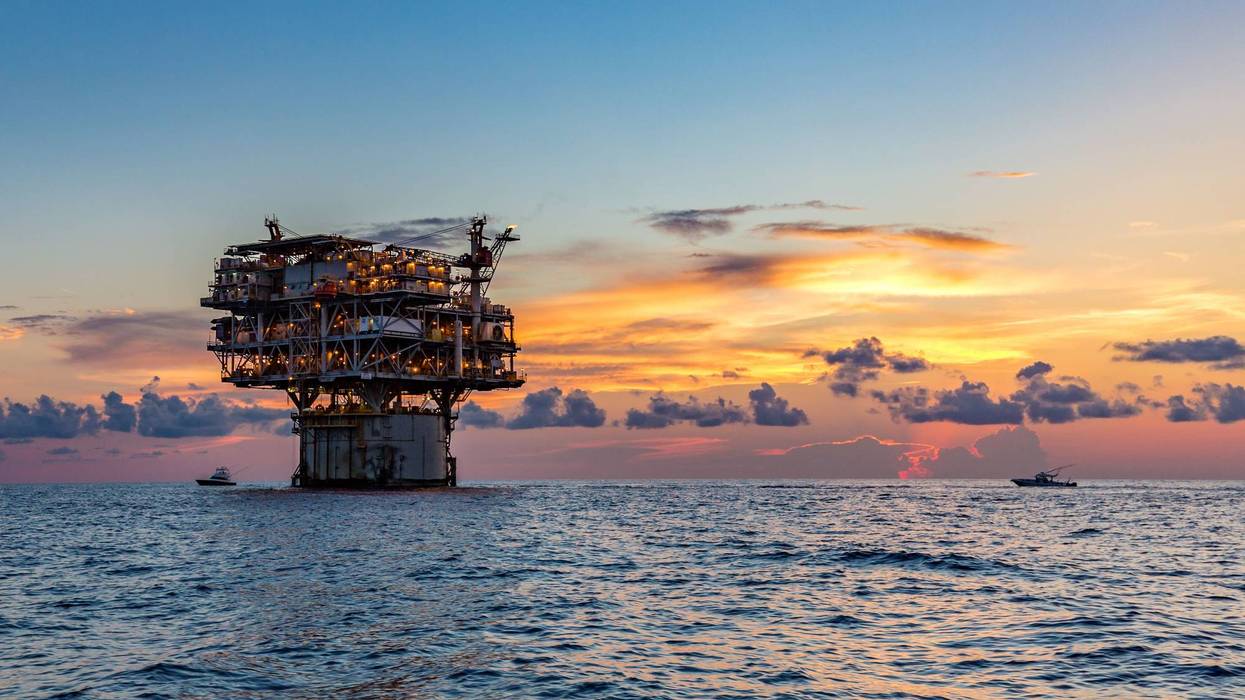
"Ultra-deep-water drilling is ultradangerous, full stop," said an attorney with the Center for Biological Diversity.
Determined to prevent a "sequel" to the worst oil spill in US history, BP's deadly Deepwater Horizon disaster in the Gulf of Mexico in 2010, six environmental protection groups on Monday sued the Trump administration over what they said was its illegal approval of the British fossil fuel giant's $5 billion plan to drill in the body of water's lowest depths off the coast of Louisiana.
BP has boasted that its planned Kaskida oil field is a "world-class project that reflects decades of technological innovation," but environmental legal firm Earthjustice argued that the company has failed to prove its has the "experience, expertise, and certified equipment to conduct safe drilling under extreme conditions" in waters deeper than 5,600 feet, where opponents of the plan say extreme pressure and temperatures will make a blowout and oil spill more likely than they'd be in a typical drilling project.
A "loss of well control" was blamed for the Deepwater Horizon explosion and spill that killed 11 people, harmed and killed more than 100,000 birds and marine animals as well as untold numbers of fish, and devastated local economies—and that type of accident is 6-7 times more likely in an ultra-deep drilling project like Kaskida, according to Earthjustice.
The organization wrote in a regulatory filing last year when it was trying to block the project that "deep-water and ultra-deep-water oil spills and accidents are also much more difficult to respond to and contain.”
"BP did not show in its proposals that it will have the necessary containment capabilities in case the company needs to stop a blown-out well from spilling 4.5 million barrels of oil or more across the Gulf."
The group is representing Healthy Gulf, Turtle Island Restoration Network, Habitat Recovery Project, Sierra Club, and Center for Biological Diversity in the lawsuit, which argues that President Donald Trump's Interior Department adopted in its environmental analysis of Kaskida a severe underestimation—by about half a million barrels of oil—of what a worst-case scenario oil spill would look like.
"BP did not show in its proposals that it will have the necessary containment capabilities in case the company needs to stop a blown-out well from spilling 4.5 million barrels of oil or more across the Gulf," said Earthjustice.
Rachel Mathews, a senior attorney with the Center for Biological Diversity, said it was "appalling that the Trump administration has authorized this deep-water drilling project without having information critical to preventing harm to marine life."
“This will put Rice’s whales, sea turtles, and other Gulf wildlife at terrible risk," said Mathews. "Ultra-deep-water drilling is ultradangerous, full stop.”
The Bureau of Ocean Energy Management's (BOEM) approval of the Kaskida project was preceded by several industry-friendly actions by the Trump administration, including a meeting last month of the federal Endangered Species Committee, which voted to exempt fossil fuel companies from following policies intended to protect endangered species in the Gulf. Advocates argued that the decision was made illegally because the panel is required to meet publicly.
The administration has also proposed weakening "well control" rules for offshore drilling operations, and the White House is consolidating the BOEM and the Bureau of Safety and Environmental Enforcement—two agencies that were intentionally separated following the Deepwater Horizon disaster after an investigative commission found that conflicts of interest were created when they acted as one regulatory agency.
“Kaskida is emblematic of a new era in offshore oil extraction: corporate hoarding of risky, ultra-deep water leases in an attempt to monopolize the future of oil production, with little to no oversight from the Trump administration. We, as citizens of the Gulf South, are not standing for it,” said Martha Collins, executive director of Healthy Gulf. “BP has shown how they handle oil spills on this anniversary of the Deepwater Horizon disaster—their risky drilling and inexperience at this great depth will ensure their continued legacy of the Gulf never being the same again.”
Despite the fact that the Trump administration has taken numerous actions to ramp up oil and gas production—as the US already produces record amounts of fossil fuels—those measures are doing little to reduce oil prices, noted Earthjustice.
“Offshore drilling is one of the riskiest kinds of oil extraction, but the Trump administration is ignoring the law to allow Big Oil CEOs to endanger coastal communities for the sake of corporate profit,” said Devorah Ancel, senior attorney at Sierra Club’s Environmental Law Program. “This permit would allow BP to develop multiple ultra-deep high-pressure wells, which is already exceptionally risky, and with BP’s track record in the Gulf, coastal ecosystems face extraordinary danger. We’re suing the Trump administration to ensure the coastal communities that would suffer the consequences of BP’s actions get their day in court.”