
Gazans on Brink of Further Humanitarian Disaster as Blockade's Battering Goes On
'The blockade is making a dire situation worse'
As the blockade of Gaza--widely denounced as "collective punishment"--marks its ninth anniversary this month, Oxfam is urging the global community to apply pressure on Israel to allow the territory's residents to exercise their most fundamental human rights.
Israel imposed the blockade in 2007 when Hamas gained control of the territory, and is, according to a panel of experts reporting to the UN Human Rights Council, in "flagrant contravention of international human rights and humanitarian law."
And, according to the international aid group's Country Director Chris Eijkemans, it "is making a dire situation worse."
That's because of the widespread devastation following Israel's bombing campaign on Gaza two years ago. As the United Nations Relief and Works Agency for Palestine Refugees in the Near East (UNRWA) states,
The scale of human loss and destruction in Gaza during the 2014 conflict was catastrophic and has, in the words of the United Nations Secretary-General Ban Ki-moon, "shocked and shamed the world." During the 50 days from 8 July until 26 August 2014, 2,251 Palestinians were killed, 1,462 of them are believed to be civilians, including 551 children and 299 women. Sixty-six Israeli soldiers and five civilians, including one child, were also killed. Overall, 11,231 Palestinians were injured during the conflict, including 3,540 women and 3,436 children. Roughly one third of these children will have to cope with permanent disabilities for the rest of their lives as a result of their injuries.
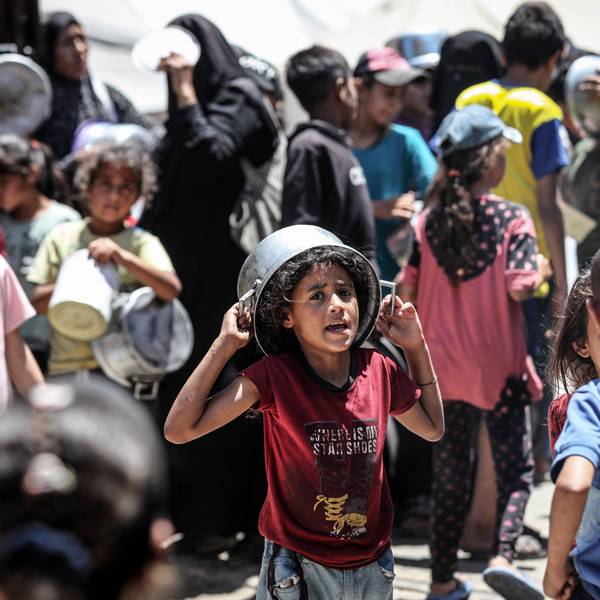
"Gaza has not recovered from the 2014 war," Eijkemans adds. "75,000 people still can't return home. Less than 10 percent of destroyed homes have been completely rebuilt and 80 percent of the population rely on international humanitarian aid to survive. The blockade must end before Gaza plunges further into humanitarian disaster," he stated.
An Urgent Message From Our Co-Founder
Dear Common Dreams reader, It’s been nearly 30 years since I co-founded Common Dreams with my late wife, Lina Newhouser. We had the radical notion that journalism should serve the public good, not corporate profits. It was clear to us from the outset what it would take to build such a project. No paid advertisements. No corporate sponsors. No millionaire publisher telling us what to think or do. Many people said we wouldn't last a year, but we proved those doubters wrong. Together with a tremendous team of journalists and dedicated staff, we built an independent media outlet free from the constraints of profits and corporate control. Our mission has always been simple: To inform. To inspire. To ignite change for the common good. Building Common Dreams was not easy. Our survival was never guaranteed. When you take on the most powerful forces—Wall Street greed, fossil fuel industry destruction, Big Tech lobbyists, and uber-rich oligarchs who have spent billions upon billions rigging the economy and democracy in their favor—the only bulwark you have is supporters who believe in your work. But here’s the urgent message from me today. It's never been this bad out there. And it's never been this hard to keep us going. At the very moment Common Dreams is most needed, the threats we face are intensifying. We need your support now more than ever. We don't accept corporate advertising and never will. We don't have a paywall because we don't think people should be blocked from critical news based on their ability to pay. Everything we do is funded by the donations of readers like you. When everyone does the little they can afford, we are strong. But if that support retreats or dries up, so do we. Will you donate now to make sure Common Dreams not only survives but thrives? —Craig Brown, Co-founder |
As the blockade of Gaza--widely denounced as "collective punishment"--marks its ninth anniversary this month, Oxfam is urging the global community to apply pressure on Israel to allow the territory's residents to exercise their most fundamental human rights.
Israel imposed the blockade in 2007 when Hamas gained control of the territory, and is, according to a panel of experts reporting to the UN Human Rights Council, in "flagrant contravention of international human rights and humanitarian law."
And, according to the international aid group's Country Director Chris Eijkemans, it "is making a dire situation worse."
That's because of the widespread devastation following Israel's bombing campaign on Gaza two years ago. As the United Nations Relief and Works Agency for Palestine Refugees in the Near East (UNRWA) states,
The scale of human loss and destruction in Gaza during the 2014 conflict was catastrophic and has, in the words of the United Nations Secretary-General Ban Ki-moon, "shocked and shamed the world." During the 50 days from 8 July until 26 August 2014, 2,251 Palestinians were killed, 1,462 of them are believed to be civilians, including 551 children and 299 women. Sixty-six Israeli soldiers and five civilians, including one child, were also killed. Overall, 11,231 Palestinians were injured during the conflict, including 3,540 women and 3,436 children. Roughly one third of these children will have to cope with permanent disabilities for the rest of their lives as a result of their injuries.
"Gaza has not recovered from the 2014 war," Eijkemans adds. "75,000 people still can't return home. Less than 10 percent of destroyed homes have been completely rebuilt and 80 percent of the population rely on international humanitarian aid to survive. The blockade must end before Gaza plunges further into humanitarian disaster," he stated.
As the blockade of Gaza--widely denounced as "collective punishment"--marks its ninth anniversary this month, Oxfam is urging the global community to apply pressure on Israel to allow the territory's residents to exercise their most fundamental human rights.
Israel imposed the blockade in 2007 when Hamas gained control of the territory, and is, according to a panel of experts reporting to the UN Human Rights Council, in "flagrant contravention of international human rights and humanitarian law."
And, according to the international aid group's Country Director Chris Eijkemans, it "is making a dire situation worse."
That's because of the widespread devastation following Israel's bombing campaign on Gaza two years ago. As the United Nations Relief and Works Agency for Palestine Refugees in the Near East (UNRWA) states,
The scale of human loss and destruction in Gaza during the 2014 conflict was catastrophic and has, in the words of the United Nations Secretary-General Ban Ki-moon, "shocked and shamed the world." During the 50 days from 8 July until 26 August 2014, 2,251 Palestinians were killed, 1,462 of them are believed to be civilians, including 551 children and 299 women. Sixty-six Israeli soldiers and five civilians, including one child, were also killed. Overall, 11,231 Palestinians were injured during the conflict, including 3,540 women and 3,436 children. Roughly one third of these children will have to cope with permanent disabilities for the rest of their lives as a result of their injuries.
"Gaza has not recovered from the 2014 war," Eijkemans adds. "75,000 people still can't return home. Less than 10 percent of destroyed homes have been completely rebuilt and 80 percent of the population rely on international humanitarian aid to survive. The blockade must end before Gaza plunges further into humanitarian disaster," he stated.