SUBSCRIBE TO OUR FREE NEWSLETTER
Daily news & progressive opinion—funded by the people, not the corporations—delivered straight to your inbox.
5
#000000
#FFFFFF
To donate by check, phone, or other method, see our More Ways to Give page.
Daily news & progressive opinion—funded by the people, not the corporations—delivered straight to your inbox.
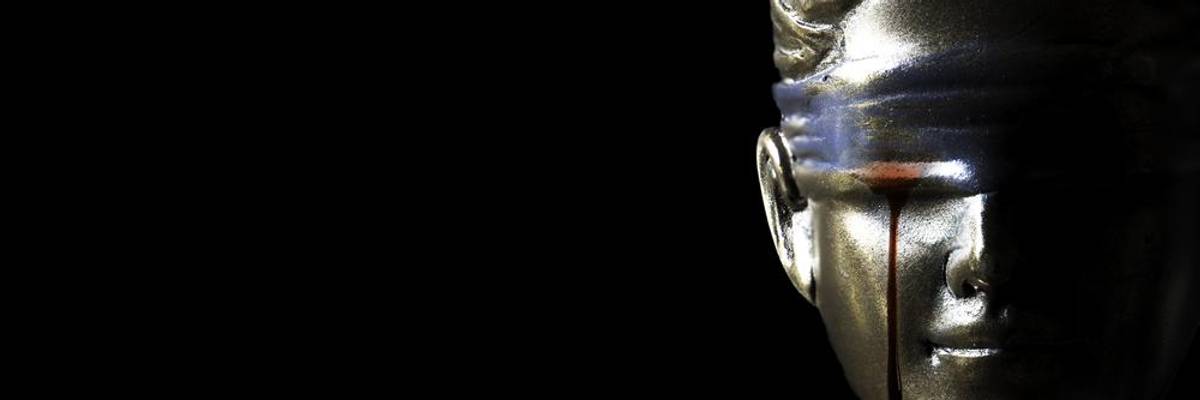
We cannot afford a Supreme Court that has abandoned its constitutional duties to become a headquarters for Republican political partisans in black robes. (Photo: Shutterstock)
In 1832, President Andrew Jackson condemned a Supreme Court decision in words that are famous in judicial history, but today almost unthinkable in their disrespect for the highest court in the land: "Justice Marshall has made his decision; now let him enforce it."
Jackson, a violent slave owner (and idol of President Trump) is best known for the ethnic cleansing of 120,000 Native Americans who were forcibly removed from the Southeastern United States in the 1830s.
When the state of Georgia tried to seize millions of acres of Cherokee land, the Supreme Court affirmed the rights of the Cherokee. But Jackson ignored the decision, and Native Americans eventually died by the thousands on the "Trail of Tears."
What have these justices of dubious legitimacy done with their power? They have repeatedly sought to tilt the electoral system toward Republicans.
Nowadays, while people on the left and right both criticize the Supreme Court, the notion of simply ignoring a ruling is almost unimaginable. The court often has the last word on deeply political issues, but it's generally seen as judicial, not "political." That's the key to its legitimacy.
But for the Supreme Court to have legitimacy, we must know the fix is not in.
The judges must have been fairly selected, and political leaders with different views must all have a fair opportunity to pick justices. For the court to be legitimate, it must be touched by democratic influence: justices must be selected by democratically elected presidents.
In a slow-moving and rough way, then, the presidential choices can reflect the moods of their times. And, optimistically viewed, the people who call themselves "justices" may be seen as a kind of composite of the priorities and values of our nation over a period of decades.
In this century, however, any claim the Supreme Court's judges were fairly selected is fragile.
Four of the current nine justices were selected by Presidents George W. Bush and Donald Trump. Each lost the popular vote in their inaugural term, and each was put in office against the will of the majority of Americans. Meanwhile the majority-elected president, Barack Obama, was prevented from appointing a justice on what is now admitted to have been a phony excuse.
What have these justices of dubious legitimacy done with their power? They have repeatedly sought to tilt the electoral system toward Republicans.
In 2008, they approved voter ID requirements whose only function was to hinder voting rights. In 2013, they eviscerated the Voting Rights Act of 1965, unleashing an avalanche of new state laws to disenfranchise minority, elderly, and young voters. This April, they disallowed the votes of thousands of Wisconsinites who tried to vote by mail during the pandemic.
You could argue the Court was no bulwark even before. After all, George W. Bush was essentially appointed by a right-wing majority of the Supreme Court when they halted the Florida vote count in 2000. But it could get far, far worse.
If Trump is permitted to appoint yet another justice, that will make five--a majority of the Court--selected by men who became president despite being opposed by most voters. Any contention that a majority of the Court reflects the values of most Americans will be eradicated, and it will be time to end any pretense that the Supreme Court is a legitimate judicial institution.
There could no worse time for America to find itself without a judicial bulwark. The president wages war on American constitutional values, encourages violence, and refuses to accept that he should leave office if he loses the election.
We cannot afford a Supreme Court that has abandoned its constitutional duties to become a headquarters for Republican political partisans in black robes.
Dear Common Dreams reader, It’s been nearly 30 years since I co-founded Common Dreams with my late wife, Lina Newhouser. We had the radical notion that journalism should serve the public good, not corporate profits. It was clear to us from the outset what it would take to build such a project. No paid advertisements. No corporate sponsors. No millionaire publisher telling us what to think or do. Many people said we wouldn't last a year, but we proved those doubters wrong. Together with a tremendous team of journalists and dedicated staff, we built an independent media outlet free from the constraints of profits and corporate control. Our mission has always been simple: To inform. To inspire. To ignite change for the common good. Building Common Dreams was not easy. Our survival was never guaranteed. When you take on the most powerful forces—Wall Street greed, fossil fuel industry destruction, Big Tech lobbyists, and uber-rich oligarchs who have spent billions upon billions rigging the economy and democracy in their favor—the only bulwark you have is supporters who believe in your work. But here’s the urgent message from me today. It's never been this bad out there. And it's never been this hard to keep us going. At the very moment Common Dreams is most needed, the threats we face are intensifying. We need your support now more than ever. We don't accept corporate advertising and never will. We don't have a paywall because we don't think people should be blocked from critical news based on their ability to pay. Everything we do is funded by the donations of readers like you. When everyone does the little they can afford, we are strong. But if that support retreats or dries up, so do we. Will you donate now to make sure Common Dreams not only survives but thrives? —Craig Brown, Co-founder |
In 1832, President Andrew Jackson condemned a Supreme Court decision in words that are famous in judicial history, but today almost unthinkable in their disrespect for the highest court in the land: "Justice Marshall has made his decision; now let him enforce it."
Jackson, a violent slave owner (and idol of President Trump) is best known for the ethnic cleansing of 120,000 Native Americans who were forcibly removed from the Southeastern United States in the 1830s.
When the state of Georgia tried to seize millions of acres of Cherokee land, the Supreme Court affirmed the rights of the Cherokee. But Jackson ignored the decision, and Native Americans eventually died by the thousands on the "Trail of Tears."
What have these justices of dubious legitimacy done with their power? They have repeatedly sought to tilt the electoral system toward Republicans.
Nowadays, while people on the left and right both criticize the Supreme Court, the notion of simply ignoring a ruling is almost unimaginable. The court often has the last word on deeply political issues, but it's generally seen as judicial, not "political." That's the key to its legitimacy.
But for the Supreme Court to have legitimacy, we must know the fix is not in.
The judges must have been fairly selected, and political leaders with different views must all have a fair opportunity to pick justices. For the court to be legitimate, it must be touched by democratic influence: justices must be selected by democratically elected presidents.
In a slow-moving and rough way, then, the presidential choices can reflect the moods of their times. And, optimistically viewed, the people who call themselves "justices" may be seen as a kind of composite of the priorities and values of our nation over a period of decades.
In this century, however, any claim the Supreme Court's judges were fairly selected is fragile.
Four of the current nine justices were selected by Presidents George W. Bush and Donald Trump. Each lost the popular vote in their inaugural term, and each was put in office against the will of the majority of Americans. Meanwhile the majority-elected president, Barack Obama, was prevented from appointing a justice on what is now admitted to have been a phony excuse.
What have these justices of dubious legitimacy done with their power? They have repeatedly sought to tilt the electoral system toward Republicans.
In 2008, they approved voter ID requirements whose only function was to hinder voting rights. In 2013, they eviscerated the Voting Rights Act of 1965, unleashing an avalanche of new state laws to disenfranchise minority, elderly, and young voters. This April, they disallowed the votes of thousands of Wisconsinites who tried to vote by mail during the pandemic.
You could argue the Court was no bulwark even before. After all, George W. Bush was essentially appointed by a right-wing majority of the Supreme Court when they halted the Florida vote count in 2000. But it could get far, far worse.
If Trump is permitted to appoint yet another justice, that will make five--a majority of the Court--selected by men who became president despite being opposed by most voters. Any contention that a majority of the Court reflects the values of most Americans will be eradicated, and it will be time to end any pretense that the Supreme Court is a legitimate judicial institution.
There could no worse time for America to find itself without a judicial bulwark. The president wages war on American constitutional values, encourages violence, and refuses to accept that he should leave office if he loses the election.
We cannot afford a Supreme Court that has abandoned its constitutional duties to become a headquarters for Republican political partisans in black robes.
In 1832, President Andrew Jackson condemned a Supreme Court decision in words that are famous in judicial history, but today almost unthinkable in their disrespect for the highest court in the land: "Justice Marshall has made his decision; now let him enforce it."
Jackson, a violent slave owner (and idol of President Trump) is best known for the ethnic cleansing of 120,000 Native Americans who were forcibly removed from the Southeastern United States in the 1830s.
When the state of Georgia tried to seize millions of acres of Cherokee land, the Supreme Court affirmed the rights of the Cherokee. But Jackson ignored the decision, and Native Americans eventually died by the thousands on the "Trail of Tears."
What have these justices of dubious legitimacy done with their power? They have repeatedly sought to tilt the electoral system toward Republicans.
Nowadays, while people on the left and right both criticize the Supreme Court, the notion of simply ignoring a ruling is almost unimaginable. The court often has the last word on deeply political issues, but it's generally seen as judicial, not "political." That's the key to its legitimacy.
But for the Supreme Court to have legitimacy, we must know the fix is not in.
The judges must have been fairly selected, and political leaders with different views must all have a fair opportunity to pick justices. For the court to be legitimate, it must be touched by democratic influence: justices must be selected by democratically elected presidents.
In a slow-moving and rough way, then, the presidential choices can reflect the moods of their times. And, optimistically viewed, the people who call themselves "justices" may be seen as a kind of composite of the priorities and values of our nation over a period of decades.
In this century, however, any claim the Supreme Court's judges were fairly selected is fragile.
Four of the current nine justices were selected by Presidents George W. Bush and Donald Trump. Each lost the popular vote in their inaugural term, and each was put in office against the will of the majority of Americans. Meanwhile the majority-elected president, Barack Obama, was prevented from appointing a justice on what is now admitted to have been a phony excuse.
What have these justices of dubious legitimacy done with their power? They have repeatedly sought to tilt the electoral system toward Republicans.
In 2008, they approved voter ID requirements whose only function was to hinder voting rights. In 2013, they eviscerated the Voting Rights Act of 1965, unleashing an avalanche of new state laws to disenfranchise minority, elderly, and young voters. This April, they disallowed the votes of thousands of Wisconsinites who tried to vote by mail during the pandemic.
You could argue the Court was no bulwark even before. After all, George W. Bush was essentially appointed by a right-wing majority of the Supreme Court when they halted the Florida vote count in 2000. But it could get far, far worse.
If Trump is permitted to appoint yet another justice, that will make five--a majority of the Court--selected by men who became president despite being opposed by most voters. Any contention that a majority of the Court reflects the values of most Americans will be eradicated, and it will be time to end any pretense that the Supreme Court is a legitimate judicial institution.
There could no worse time for America to find itself without a judicial bulwark. The president wages war on American constitutional values, encourages violence, and refuses to accept that he should leave office if he loses the election.
We cannot afford a Supreme Court that has abandoned its constitutional duties to become a headquarters for Republican political partisans in black robes.