

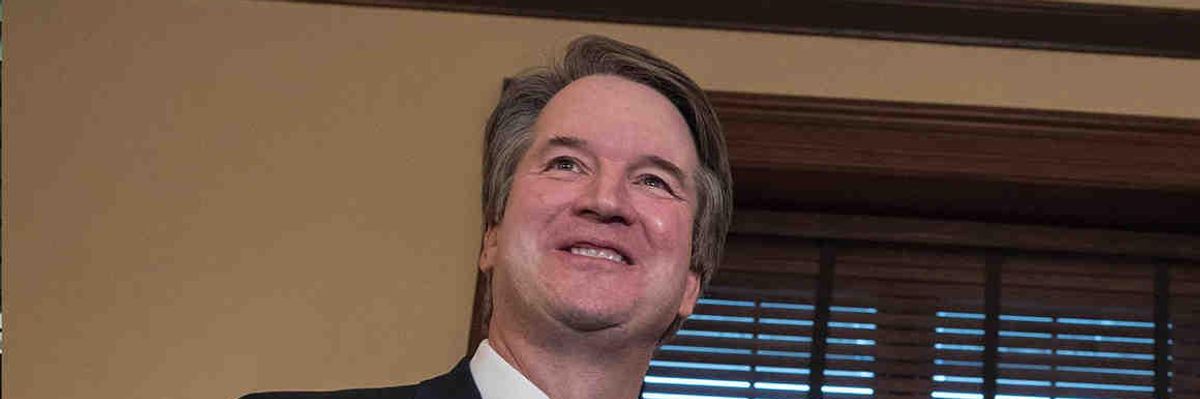
The Senate cannot move forward with this lifetime appointment to the highest court in the land without considering the results of a fair, non-partisan, and complete process.(Photo: Flickr)
A Full Investigation Is Needed Into the Sexual Assault Allegations Against Brett Kavanaugh
We should understand more now, 27 years later, about the ways sexual assault and harassment cause lifelong harm — personally and professionally
Over the weekend, details of serious charges of sexual assault alleged to have been committed by Judge Brett Kavanaugh became public, as did the name of the woman raising these allegations. In a letter to Sen. Dianne Feinstein and in an interview with The Washington Post, Dr. Christine Blasey Ford described an incident in high school when she says Kavanaugh sexually assaulted her at a party.
Judge Kavanaugh has denied the allegations. "I have never done anything like what the accuser describes -- to her or to anyone," he said in a statement on Monday.
These allegations, like all allegations of sexual misconduct, deserve to be taken seriously.
Initially, Dr. Ford did not want her story to become public. She was afraid that doing so would "upend her life." This is the reality women face within a culture that too often vilifies people who come forward. Already, she has reportedly received threatening emails and is the subject of vicious online trolls, cruel tweets, and mocking Instagram posts, including one by Donald Trump Jr. But according to her lawyer, Debra Katz, "She's willing to do whatever it takes to get her story forth."
It is critical that a confirmation vote be delayed until a thorough and transparent investigation can be conducted, including a hearing at which both Ford and Kavanaugh have an opportunity to testify under oath. The Senate cannot move forward with this lifetime appointment to the highest court in the land without considering the results of a fair, non-partisan, and complete process. If Judge Kavanaugh is confirmed, he could sit on the Supreme Court for the next 40 years. This confirmation process is the only process he will ever go through. Now is the time for the allegations to be investigated and testimony to be heard.
This moment is eerily reminiscent of the Clarence Thomas confirmation hearings in October 1991, in which Oklahoma law professor Anita Hill testified that Thomas had sexually harassed her when they worked together at the Equal Employment Opportunity Commission. She, too, was reluctant to come forward with the allegations and only did so after her name was leaked to the media. As we know all too well, her life was indeed upended. During the hearings, the all-white, all-male Judiciary Committee members tore her to shreds. Sen. Arlen Specter accused her of perjury. Sen. John Danforth called her mental health into question, suggesting she might have "erotomania," a delusion that someone more powerful is in love with her. Sen. Alan Simpson remarked, "I've got statements from Tulsa saying: Watch out for this woman."
Although at times distressing to watch, the Thomas hearings before the Senate Judiciary Committee played a pivotal role in awakening the public to the prevalence of sexual harassment, even at the highest echelons of power. That Hill's allegations ultimately did not stop Thomas's appointment to the court was a bitter pill to swallow, then and now. Yet, that outcome does not negate the value of her testimony.
We are at a similar crossroads now as the Senate Judiciary Committee considers how to proceed in light of Dr. Ford's allegations. We should understand more now, 27 years later, about the ways sexual assault and harassment cause lifelong harm -- personally and professionally. We also are one year into the #MeToo movement, an explosion of anger and truth-telling about the ways sexual misconduct continues to shape women's lives.
Dr. Ford may have been forced into the limelight against her will, just as Anita Hill was, but the treatment she receives should be different. She must be questioned fairly, not belittled or dismissed. As Ronald Klain, counsel to the Judiciary Committee during the Thomas hearings, has suggested, it may make sense to have trained lawyers lead the questioning, rather than leaving it to the politicians. But a fair process in which both sides are fully heard is in everyone's interest -- including, most importantly, the country's, given the stakes.
It's up to the Senate Judiciary Committee to get it right this time around.
An Urgent Message From Our Co-Founder
Dear Common Dreams reader, It’s been nearly 30 years since I co-founded Common Dreams with my late wife, Lina Newhouser. We had the radical notion that journalism should serve the public good, not corporate profits. It was clear to us from the outset what it would take to build such a project. No paid advertisements. No corporate sponsors. No millionaire publisher telling us what to think or do. Many people said we wouldn't last a year, but we proved those doubters wrong. Together with a tremendous team of journalists and dedicated staff, we built an independent media outlet free from the constraints of profits and corporate control. Our mission has always been simple: To inform. To inspire. To ignite change for the common good. Building Common Dreams was not easy. Our survival was never guaranteed. When you take on the most powerful forces—Wall Street greed, fossil fuel industry destruction, Big Tech lobbyists, and uber-rich oligarchs who have spent billions upon billions rigging the economy and democracy in their favor—the only bulwark you have is supporters who believe in your work. But here’s the urgent message from me today. It's never been this bad out there. And it's never been this hard to keep us going. At the very moment Common Dreams is most needed, the threats we face are intensifying. We need your support now more than ever. We don't accept corporate advertising and never will. We don't have a paywall because we don't think people should be blocked from critical news based on their ability to pay. Everything we do is funded by the donations of readers like you. When everyone does the little they can afford, we are strong. But if that support retreats or dries up, so do we. Will you donate now to make sure Common Dreams not only survives but thrives? —Craig Brown, Co-founder |
Over the weekend, details of serious charges of sexual assault alleged to have been committed by Judge Brett Kavanaugh became public, as did the name of the woman raising these allegations. In a letter to Sen. Dianne Feinstein and in an interview with The Washington Post, Dr. Christine Blasey Ford described an incident in high school when she says Kavanaugh sexually assaulted her at a party.
Judge Kavanaugh has denied the allegations. "I have never done anything like what the accuser describes -- to her or to anyone," he said in a statement on Monday.
These allegations, like all allegations of sexual misconduct, deserve to be taken seriously.
Initially, Dr. Ford did not want her story to become public. She was afraid that doing so would "upend her life." This is the reality women face within a culture that too often vilifies people who come forward. Already, she has reportedly received threatening emails and is the subject of vicious online trolls, cruel tweets, and mocking Instagram posts, including one by Donald Trump Jr. But according to her lawyer, Debra Katz, "She's willing to do whatever it takes to get her story forth."
It is critical that a confirmation vote be delayed until a thorough and transparent investigation can be conducted, including a hearing at which both Ford and Kavanaugh have an opportunity to testify under oath. The Senate cannot move forward with this lifetime appointment to the highest court in the land without considering the results of a fair, non-partisan, and complete process. If Judge Kavanaugh is confirmed, he could sit on the Supreme Court for the next 40 years. This confirmation process is the only process he will ever go through. Now is the time for the allegations to be investigated and testimony to be heard.
This moment is eerily reminiscent of the Clarence Thomas confirmation hearings in October 1991, in which Oklahoma law professor Anita Hill testified that Thomas had sexually harassed her when they worked together at the Equal Employment Opportunity Commission. She, too, was reluctant to come forward with the allegations and only did so after her name was leaked to the media. As we know all too well, her life was indeed upended. During the hearings, the all-white, all-male Judiciary Committee members tore her to shreds. Sen. Arlen Specter accused her of perjury. Sen. John Danforth called her mental health into question, suggesting she might have "erotomania," a delusion that someone more powerful is in love with her. Sen. Alan Simpson remarked, "I've got statements from Tulsa saying: Watch out for this woman."
Although at times distressing to watch, the Thomas hearings before the Senate Judiciary Committee played a pivotal role in awakening the public to the prevalence of sexual harassment, even at the highest echelons of power. That Hill's allegations ultimately did not stop Thomas's appointment to the court was a bitter pill to swallow, then and now. Yet, that outcome does not negate the value of her testimony.
We are at a similar crossroads now as the Senate Judiciary Committee considers how to proceed in light of Dr. Ford's allegations. We should understand more now, 27 years later, about the ways sexual assault and harassment cause lifelong harm -- personally and professionally. We also are one year into the #MeToo movement, an explosion of anger and truth-telling about the ways sexual misconduct continues to shape women's lives.
Dr. Ford may have been forced into the limelight against her will, just as Anita Hill was, but the treatment she receives should be different. She must be questioned fairly, not belittled or dismissed. As Ronald Klain, counsel to the Judiciary Committee during the Thomas hearings, has suggested, it may make sense to have trained lawyers lead the questioning, rather than leaving it to the politicians. But a fair process in which both sides are fully heard is in everyone's interest -- including, most importantly, the country's, given the stakes.
It's up to the Senate Judiciary Committee to get it right this time around.
Over the weekend, details of serious charges of sexual assault alleged to have been committed by Judge Brett Kavanaugh became public, as did the name of the woman raising these allegations. In a letter to Sen. Dianne Feinstein and in an interview with The Washington Post, Dr. Christine Blasey Ford described an incident in high school when she says Kavanaugh sexually assaulted her at a party.
Judge Kavanaugh has denied the allegations. "I have never done anything like what the accuser describes -- to her or to anyone," he said in a statement on Monday.
These allegations, like all allegations of sexual misconduct, deserve to be taken seriously.
Initially, Dr. Ford did not want her story to become public. She was afraid that doing so would "upend her life." This is the reality women face within a culture that too often vilifies people who come forward. Already, she has reportedly received threatening emails and is the subject of vicious online trolls, cruel tweets, and mocking Instagram posts, including one by Donald Trump Jr. But according to her lawyer, Debra Katz, "She's willing to do whatever it takes to get her story forth."
It is critical that a confirmation vote be delayed until a thorough and transparent investigation can be conducted, including a hearing at which both Ford and Kavanaugh have an opportunity to testify under oath. The Senate cannot move forward with this lifetime appointment to the highest court in the land without considering the results of a fair, non-partisan, and complete process. If Judge Kavanaugh is confirmed, he could sit on the Supreme Court for the next 40 years. This confirmation process is the only process he will ever go through. Now is the time for the allegations to be investigated and testimony to be heard.
This moment is eerily reminiscent of the Clarence Thomas confirmation hearings in October 1991, in which Oklahoma law professor Anita Hill testified that Thomas had sexually harassed her when they worked together at the Equal Employment Opportunity Commission. She, too, was reluctant to come forward with the allegations and only did so after her name was leaked to the media. As we know all too well, her life was indeed upended. During the hearings, the all-white, all-male Judiciary Committee members tore her to shreds. Sen. Arlen Specter accused her of perjury. Sen. John Danforth called her mental health into question, suggesting she might have "erotomania," a delusion that someone more powerful is in love with her. Sen. Alan Simpson remarked, "I've got statements from Tulsa saying: Watch out for this woman."
Although at times distressing to watch, the Thomas hearings before the Senate Judiciary Committee played a pivotal role in awakening the public to the prevalence of sexual harassment, even at the highest echelons of power. That Hill's allegations ultimately did not stop Thomas's appointment to the court was a bitter pill to swallow, then and now. Yet, that outcome does not negate the value of her testimony.
We are at a similar crossroads now as the Senate Judiciary Committee considers how to proceed in light of Dr. Ford's allegations. We should understand more now, 27 years later, about the ways sexual assault and harassment cause lifelong harm -- personally and professionally. We also are one year into the #MeToo movement, an explosion of anger and truth-telling about the ways sexual misconduct continues to shape women's lives.
Dr. Ford may have been forced into the limelight against her will, just as Anita Hill was, but the treatment she receives should be different. She must be questioned fairly, not belittled or dismissed. As Ronald Klain, counsel to the Judiciary Committee during the Thomas hearings, has suggested, it may make sense to have trained lawyers lead the questioning, rather than leaving it to the politicians. But a fair process in which both sides are fully heard is in everyone's interest -- including, most importantly, the country's, given the stakes.
It's up to the Senate Judiciary Committee to get it right this time around.