Corbyn and Labour are Fighting for a New Progressive Political Mainstream
On April 18 the newly selected Conservative Prime Minister Theresa May called a general election for June 8th, declaring it "the only way to guarantee certainty for the years ahead." This was a complete reversal from her previous promise not to hold an election. For the cynics, this U-turn (the first of what would prove to be many) was based on her huge advantage in the polls. Even more troubling, there were rumblings that she wanted to get re-elected before the full negative impact of Brexit was felt economically.
Her much maligned opponent Labour Leader Jeremy has been accused of being to0 leftwing and even a terrorist sympathizer. These attacks came not only from Conservatives but also from centrists within his own party. Across the country he was derided as being not only misguided but also downright "loony."
However, a funny thing happened on the way to being laughed off the political stage: Corbyn started to connect with voters. They found his policies far from extreme. Instead they responded to his party's manifesto that promised greater investment, a fairer tax system and well funded public services. They listened approvingly when he condemned terrorism and the causes of terrorism.
There is every indication that Corbyn will still lose and possibly by a large margin. Yet what cannot be denied is that even if only temporarily he shifted the public debate in a dramatically more progressive direction. Suddenly, to be left was to be part of a potentially new political mainstream.
Breaking Through the Establishment
Since his surprise election and re-election to the Labour leadership, Corbyn has been dismissed as a fringe politician. The elites of the party waged an all-out campaign to undermine him and have him replaced. It was only with the support of a progressive grassroots that he survived. The Conservatives merely sneered that he was a dyed in the wool socialist who barely deserved to be taken seriously.
The mainstream press treated him perhaps even worse. He and his team were regularly dismissed. His ideas were ridiculed as "irresponsible" and way outside the sensible mainstream. Meanwhile May was presented as strong, popular and capable. That there was almost no evidence for these judgments mattered little. Study after study confirmed this damaging media bias.
The election was all but a foregone conclusion. The question was not if May and the Conservatives were going to win but rather by how much. Yet there was consideration that the political and media elites did not consider - Corbyn's policies were not only more credible but more popular than those of May. With legally mandated equal airtime, his message started to break through.
His call for higher taxes for corporations and top earners were widely applauded. His demand to use this revenue to reinvest in health care, housing and social care was an even bigger hit. His promise to negotiate a "fair" Brexit pushed back against the Tory charges that he would negotiate the country into a disaster. And when tragedy struck not once but twice, it was his voice that rang most clear in demanding a more effective and humane security policy.
May meanwhile floundered. There was her famous u-turn on the so-called "dementia tax." Her inability to answer basic questions about policy was mocked even by former allies. And she could barely defend herself against legitimate charges that her decision as Home Secretary to cut 20,000 police officers as part of the government's austerity left the country less safe.
What the election showed perhaps more than anything was that beneath the media cloak of respectability and her own fashionable wardrobe, Theresa May and the Conservatives were akin to the Emperor with No Clothes. Corby, by contrast, had serious answers for the nation's serious problems.
Fighting for a New Political Mainstream
Corbyn's strong campaign is no small political achievement. Historically, he has altered the public discussion on major issues of the economy and foreign policy. He has also shown that a full throttled progressive agenda is not only not suicidal but potentially down right popular.
It has also exposed the beginnings of a potentially new political mainstream. It is no secret that young people have flocked to Corbyn in support. The same is true for non-whites and low-wage earners. He is speaking and representing usually ignored constituencies that are growing. He has become their spokesman and made their issues a key part of the political debate.
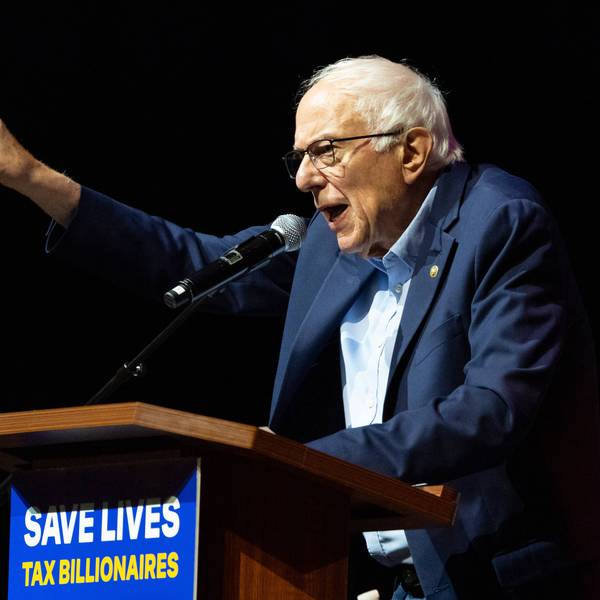
Just as importantly he has shown the "respectable Right" to be an existential threat to the country and the world's future. May and the Conservatives would put the NHS, schools and even safety in utter jeopardy. Progressives have become not only the most hopeful but safest choice for an increasing number of voters. It is a message that echoes that of Bernie Sanders and one that could produce a similar potential revolution across the Atlantic.
Win or lose tonight, Corbyn has changed the country's political landscape for the foreseeable future. He has created what he calls a "new centre ground." And now, what will be of the utmost necessity is to continue to fight for this new and dramatically improved rising "political mainstream."
We are at a crossroads
This country and this world are at a monumental crossroads. In a few short weeks, US voters will have an opportunity to beat back the forces of fascism and confront the billionaires who are rigging the economy, our media system, and our democracy, making it increasingly impossible for ordinary people to get by. We’re not just talking about the election. We’re talking about what must be done once these fascist elements are vanquished from power. We need a bolder set of solutions than what either major party has so far been willing to offer and a working-class movement ready to fight like hell for it. Trump didn't emerge from nowhere. The conditions that fueled MAGA authoritarianism were created by decades of radical neoliberal economic policies and a corrupt political system dominated by corporate interests. They slashed taxes on the super-rich, promising that the benefits would trickle down. They said giveaways to the corporate titans would make life more affordable for the rest of us. It was all bullshit. And when a bitter, betrayed populace searches for someone to blame, right-wing demagogues have little trouble finding scapegoats. People know when they're being lied to, but you won't hear any of this from the corporate media. Only independent journalism—powered and funded by people who believe in building a better world—can deliver truly trustworthy daily news. Our Fall Campaign is underway, and we need your help. To power our newsroom through the rest of the year, we need to raise $125,000 by midnight on October 31. So if you share our vision, please contribute whatever you can to sustain our work. |
On April 18 the newly selected Conservative Prime Minister Theresa May called a general election for June 8th, declaring it "the only way to guarantee certainty for the years ahead." This was a complete reversal from her previous promise not to hold an election. For the cynics, this U-turn (the first of what would prove to be many) was based on her huge advantage in the polls. Even more troubling, there were rumblings that she wanted to get re-elected before the full negative impact of Brexit was felt economically.
Her much maligned opponent Labour Leader Jeremy has been accused of being to0 leftwing and even a terrorist sympathizer. These attacks came not only from Conservatives but also from centrists within his own party. Across the country he was derided as being not only misguided but also downright "loony."
However, a funny thing happened on the way to being laughed off the political stage: Corbyn started to connect with voters. They found his policies far from extreme. Instead they responded to his party's manifesto that promised greater investment, a fairer tax system and well funded public services. They listened approvingly when he condemned terrorism and the causes of terrorism.
There is every indication that Corbyn will still lose and possibly by a large margin. Yet what cannot be denied is that even if only temporarily he shifted the public debate in a dramatically more progressive direction. Suddenly, to be left was to be part of a potentially new political mainstream.
Breaking Through the Establishment
Since his surprise election and re-election to the Labour leadership, Corbyn has been dismissed as a fringe politician. The elites of the party waged an all-out campaign to undermine him and have him replaced. It was only with the support of a progressive grassroots that he survived. The Conservatives merely sneered that he was a dyed in the wool socialist who barely deserved to be taken seriously.
The mainstream press treated him perhaps even worse. He and his team were regularly dismissed. His ideas were ridiculed as "irresponsible" and way outside the sensible mainstream. Meanwhile May was presented as strong, popular and capable. That there was almost no evidence for these judgments mattered little. Study after study confirmed this damaging media bias.
The election was all but a foregone conclusion. The question was not if May and the Conservatives were going to win but rather by how much. Yet there was consideration that the political and media elites did not consider - Corbyn's policies were not only more credible but more popular than those of May. With legally mandated equal airtime, his message started to break through.
His call for higher taxes for corporations and top earners were widely applauded. His demand to use this revenue to reinvest in health care, housing and social care was an even bigger hit. His promise to negotiate a "fair" Brexit pushed back against the Tory charges that he would negotiate the country into a disaster. And when tragedy struck not once but twice, it was his voice that rang most clear in demanding a more effective and humane security policy.
May meanwhile floundered. There was her famous u-turn on the so-called "dementia tax." Her inability to answer basic questions about policy was mocked even by former allies. And she could barely defend herself against legitimate charges that her decision as Home Secretary to cut 20,000 police officers as part of the government's austerity left the country less safe.
What the election showed perhaps more than anything was that beneath the media cloak of respectability and her own fashionable wardrobe, Theresa May and the Conservatives were akin to the Emperor with No Clothes. Corby, by contrast, had serious answers for the nation's serious problems.
Fighting for a New Political Mainstream
Corbyn's strong campaign is no small political achievement. Historically, he has altered the public discussion on major issues of the economy and foreign policy. He has also shown that a full throttled progressive agenda is not only not suicidal but potentially down right popular.
It has also exposed the beginnings of a potentially new political mainstream. It is no secret that young people have flocked to Corbyn in support. The same is true for non-whites and low-wage earners. He is speaking and representing usually ignored constituencies that are growing. He has become their spokesman and made their issues a key part of the political debate.
Just as importantly he has shown the "respectable Right" to be an existential threat to the country and the world's future. May and the Conservatives would put the NHS, schools and even safety in utter jeopardy. Progressives have become not only the most hopeful but safest choice for an increasing number of voters. It is a message that echoes that of Bernie Sanders and one that could produce a similar potential revolution across the Atlantic.
Win or lose tonight, Corbyn has changed the country's political landscape for the foreseeable future. He has created what he calls a "new centre ground." And now, what will be of the utmost necessity is to continue to fight for this new and dramatically improved rising "political mainstream."
On April 18 the newly selected Conservative Prime Minister Theresa May called a general election for June 8th, declaring it "the only way to guarantee certainty for the years ahead." This was a complete reversal from her previous promise not to hold an election. For the cynics, this U-turn (the first of what would prove to be many) was based on her huge advantage in the polls. Even more troubling, there were rumblings that she wanted to get re-elected before the full negative impact of Brexit was felt economically.
Her much maligned opponent Labour Leader Jeremy has been accused of being to0 leftwing and even a terrorist sympathizer. These attacks came not only from Conservatives but also from centrists within his own party. Across the country he was derided as being not only misguided but also downright "loony."
However, a funny thing happened on the way to being laughed off the political stage: Corbyn started to connect with voters. They found his policies far from extreme. Instead they responded to his party's manifesto that promised greater investment, a fairer tax system and well funded public services. They listened approvingly when he condemned terrorism and the causes of terrorism.
There is every indication that Corbyn will still lose and possibly by a large margin. Yet what cannot be denied is that even if only temporarily he shifted the public debate in a dramatically more progressive direction. Suddenly, to be left was to be part of a potentially new political mainstream.
Breaking Through the Establishment
Since his surprise election and re-election to the Labour leadership, Corbyn has been dismissed as a fringe politician. The elites of the party waged an all-out campaign to undermine him and have him replaced. It was only with the support of a progressive grassroots that he survived. The Conservatives merely sneered that he was a dyed in the wool socialist who barely deserved to be taken seriously.
The mainstream press treated him perhaps even worse. He and his team were regularly dismissed. His ideas were ridiculed as "irresponsible" and way outside the sensible mainstream. Meanwhile May was presented as strong, popular and capable. That there was almost no evidence for these judgments mattered little. Study after study confirmed this damaging media bias.
The election was all but a foregone conclusion. The question was not if May and the Conservatives were going to win but rather by how much. Yet there was consideration that the political and media elites did not consider - Corbyn's policies were not only more credible but more popular than those of May. With legally mandated equal airtime, his message started to break through.
His call for higher taxes for corporations and top earners were widely applauded. His demand to use this revenue to reinvest in health care, housing and social care was an even bigger hit. His promise to negotiate a "fair" Brexit pushed back against the Tory charges that he would negotiate the country into a disaster. And when tragedy struck not once but twice, it was his voice that rang most clear in demanding a more effective and humane security policy.
May meanwhile floundered. There was her famous u-turn on the so-called "dementia tax." Her inability to answer basic questions about policy was mocked even by former allies. And she could barely defend herself against legitimate charges that her decision as Home Secretary to cut 20,000 police officers as part of the government's austerity left the country less safe.
What the election showed perhaps more than anything was that beneath the media cloak of respectability and her own fashionable wardrobe, Theresa May and the Conservatives were akin to the Emperor with No Clothes. Corby, by contrast, had serious answers for the nation's serious problems.
Fighting for a New Political Mainstream
Corbyn's strong campaign is no small political achievement. Historically, he has altered the public discussion on major issues of the economy and foreign policy. He has also shown that a full throttled progressive agenda is not only not suicidal but potentially down right popular.
It has also exposed the beginnings of a potentially new political mainstream. It is no secret that young people have flocked to Corbyn in support. The same is true for non-whites and low-wage earners. He is speaking and representing usually ignored constituencies that are growing. He has become their spokesman and made their issues a key part of the political debate.
Just as importantly he has shown the "respectable Right" to be an existential threat to the country and the world's future. May and the Conservatives would put the NHS, schools and even safety in utter jeopardy. Progressives have become not only the most hopeful but safest choice for an increasing number of voters. It is a message that echoes that of Bernie Sanders and one that could produce a similar potential revolution across the Atlantic.
Win or lose tonight, Corbyn has changed the country's political landscape for the foreseeable future. He has created what he calls a "new centre ground." And now, what will be of the utmost necessity is to continue to fight for this new and dramatically improved rising "political mainstream."