SUBSCRIBE TO OUR FREE NEWSLETTER
Daily news & progressive opinion—funded by the people, not the corporations—delivered straight to your inbox.
5
#000000
#FFFFFF
To donate by check, phone, or other method, see our More Ways to Give page.
Daily news & progressive opinion—funded by the people, not the corporations—delivered straight to your inbox.
The first week of the new year brought hope and cheer for some. But for many Southern immigrant communities, it brought fear.
The first week of the new year brought hope and cheer for some. But for many Southern immigrant communities, it brought fear.
News of the Department of Homeland Security's plans to conduct immigrant deportation raids at the outset of 2016 circulated just before the Christmas holiday, and the first raids got underway this past weekend. They are part of the Obama administration's efforts to stem a wave of women and children who have arrived in the U.S. since 2014, many fleeing violence in El Salvador, Guatemala and other Latin American countries. Officials said the raids target those whose asylum claims have been denied and who now face deportation orders.
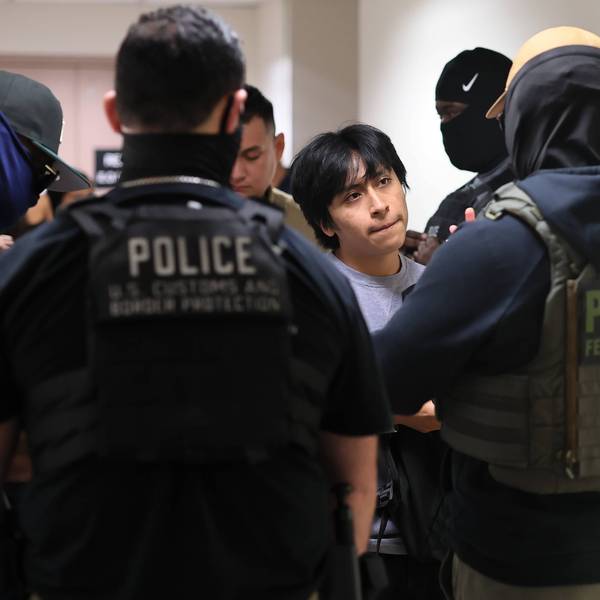
On Monday, DHS confirmed that 121 people -- primarily in Texas, North Carolina and Georgia -- had been detained. Among the communities where raids were reported wereNorcross and the greater Atlanta area in Georgia and Dallas.
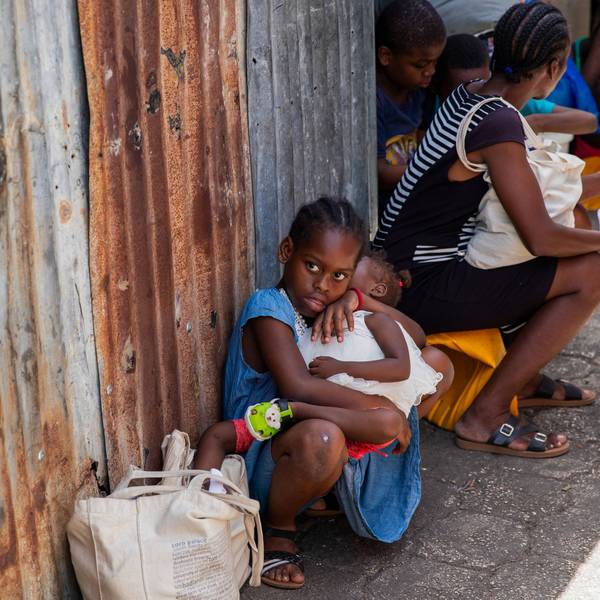
In Georgia, where immigrant rights organizations received several calls about raids, children as young as 4 were reportedly detained. The actions drew condemnation from immigrant communities and advocates.
"It is inhumane," Rosa Vargas Morales told The Guardian. Vargas Morales left Guatemala and came to Georgia in 2014. She was detained over the weekend with her 17-year-old son and 11-year-old daughter.
"How can you put an 11-year-old through this? It's going to leave a mark on her life forever," Vargas Morales said.
Immigrant advocates sharply criticized the decision to conduct raids on vulnerable women and deport them back to the dangerous countries they fled.
"Since when have American values had anything to do with raiding homes to pick up women and young children and further traumatizing them?" said Greg Chen with the American Immigration Lawyers Association. "DHS needs to stop calling these families lawbreakers and start treating them with the kind of care and compassion America has always given to those fleeing persecution and violence."
Immigrant rights supporters sprang into action to protect communities and fight back. An online petition calling on the president to end the raids has garnered over 35,000 signatures. Groups are also circulating "Know Your Rights" materials advising people not to open the door to Immigration and Customs Enforcement officials unless they have a warrant and not to say or sign anything without a lawyer. Faith institutions involved in the recently revived Sanctuary Movement pledged to offer a refuge of last resort to protect people from deportation.
Meanwhile, legal advocacy groups have stepped in to help detained families facing imminent deportations. Studies have shown that legal representation is the most important determinant in whether asylum is granted, but lack of access to sound legal counsel has been a major issue. On Tuesday, an immigration court blocked the deportation of four families who had been detained in the raids to give them time to appeal their asylum cases.
"The mothers we have heard from were victims of fraudulent lawyers," said Jonathan Ryan, director of the San Antonio-based legal advocacy group RAICES. "They have legal rights in this country and, by ICE now violating those rights, they have even more legal options available to them."
Dear Common Dreams reader, It’s been nearly 30 years since I co-founded Common Dreams with my late wife, Lina Newhouser. We had the radical notion that journalism should serve the public good, not corporate profits. It was clear to us from the outset what it would take to build such a project. No paid advertisements. No corporate sponsors. No millionaire publisher telling us what to think or do. Many people said we wouldn't last a year, but we proved those doubters wrong. Together with a tremendous team of journalists and dedicated staff, we built an independent media outlet free from the constraints of profits and corporate control. Our mission has always been simple: To inform. To inspire. To ignite change for the common good. Building Common Dreams was not easy. Our survival was never guaranteed. When you take on the most powerful forces—Wall Street greed, fossil fuel industry destruction, Big Tech lobbyists, and uber-rich oligarchs who have spent billions upon billions rigging the economy and democracy in their favor—the only bulwark you have is supporters who believe in your work. But here’s the urgent message from me today. It's never been this bad out there. And it's never been this hard to keep us going. At the very moment Common Dreams is most needed, the threats we face are intensifying. We need your support now more than ever. We don't accept corporate advertising and never will. We don't have a paywall because we don't think people should be blocked from critical news based on their ability to pay. Everything we do is funded by the donations of readers like you. When everyone does the little they can afford, we are strong. But if that support retreats or dries up, so do we. Will you donate now to make sure Common Dreams not only survives but thrives? —Craig Brown, Co-founder |
The first week of the new year brought hope and cheer for some. But for many Southern immigrant communities, it brought fear.
News of the Department of Homeland Security's plans to conduct immigrant deportation raids at the outset of 2016 circulated just before the Christmas holiday, and the first raids got underway this past weekend. They are part of the Obama administration's efforts to stem a wave of women and children who have arrived in the U.S. since 2014, many fleeing violence in El Salvador, Guatemala and other Latin American countries. Officials said the raids target those whose asylum claims have been denied and who now face deportation orders.
On Monday, DHS confirmed that 121 people -- primarily in Texas, North Carolina and Georgia -- had been detained. Among the communities where raids were reported wereNorcross and the greater Atlanta area in Georgia and Dallas.
In Georgia, where immigrant rights organizations received several calls about raids, children as young as 4 were reportedly detained. The actions drew condemnation from immigrant communities and advocates.
"It is inhumane," Rosa Vargas Morales told The Guardian. Vargas Morales left Guatemala and came to Georgia in 2014. She was detained over the weekend with her 17-year-old son and 11-year-old daughter.
"How can you put an 11-year-old through this? It's going to leave a mark on her life forever," Vargas Morales said.
Immigrant advocates sharply criticized the decision to conduct raids on vulnerable women and deport them back to the dangerous countries they fled.
"Since when have American values had anything to do with raiding homes to pick up women and young children and further traumatizing them?" said Greg Chen with the American Immigration Lawyers Association. "DHS needs to stop calling these families lawbreakers and start treating them with the kind of care and compassion America has always given to those fleeing persecution and violence."
Immigrant rights supporters sprang into action to protect communities and fight back. An online petition calling on the president to end the raids has garnered over 35,000 signatures. Groups are also circulating "Know Your Rights" materials advising people not to open the door to Immigration and Customs Enforcement officials unless they have a warrant and not to say or sign anything without a lawyer. Faith institutions involved in the recently revived Sanctuary Movement pledged to offer a refuge of last resort to protect people from deportation.
Meanwhile, legal advocacy groups have stepped in to help detained families facing imminent deportations. Studies have shown that legal representation is the most important determinant in whether asylum is granted, but lack of access to sound legal counsel has been a major issue. On Tuesday, an immigration court blocked the deportation of four families who had been detained in the raids to give them time to appeal their asylum cases.
"The mothers we have heard from were victims of fraudulent lawyers," said Jonathan Ryan, director of the San Antonio-based legal advocacy group RAICES. "They have legal rights in this country and, by ICE now violating those rights, they have even more legal options available to them."
The first week of the new year brought hope and cheer for some. But for many Southern immigrant communities, it brought fear.
News of the Department of Homeland Security's plans to conduct immigrant deportation raids at the outset of 2016 circulated just before the Christmas holiday, and the first raids got underway this past weekend. They are part of the Obama administration's efforts to stem a wave of women and children who have arrived in the U.S. since 2014, many fleeing violence in El Salvador, Guatemala and other Latin American countries. Officials said the raids target those whose asylum claims have been denied and who now face deportation orders.
On Monday, DHS confirmed that 121 people -- primarily in Texas, North Carolina and Georgia -- had been detained. Among the communities where raids were reported wereNorcross and the greater Atlanta area in Georgia and Dallas.
In Georgia, where immigrant rights organizations received several calls about raids, children as young as 4 were reportedly detained. The actions drew condemnation from immigrant communities and advocates.
"It is inhumane," Rosa Vargas Morales told The Guardian. Vargas Morales left Guatemala and came to Georgia in 2014. She was detained over the weekend with her 17-year-old son and 11-year-old daughter.
"How can you put an 11-year-old through this? It's going to leave a mark on her life forever," Vargas Morales said.
Immigrant advocates sharply criticized the decision to conduct raids on vulnerable women and deport them back to the dangerous countries they fled.
"Since when have American values had anything to do with raiding homes to pick up women and young children and further traumatizing them?" said Greg Chen with the American Immigration Lawyers Association. "DHS needs to stop calling these families lawbreakers and start treating them with the kind of care and compassion America has always given to those fleeing persecution and violence."
Immigrant rights supporters sprang into action to protect communities and fight back. An online petition calling on the president to end the raids has garnered over 35,000 signatures. Groups are also circulating "Know Your Rights" materials advising people not to open the door to Immigration and Customs Enforcement officials unless they have a warrant and not to say or sign anything without a lawyer. Faith institutions involved in the recently revived Sanctuary Movement pledged to offer a refuge of last resort to protect people from deportation.
Meanwhile, legal advocacy groups have stepped in to help detained families facing imminent deportations. Studies have shown that legal representation is the most important determinant in whether asylum is granted, but lack of access to sound legal counsel has been a major issue. On Tuesday, an immigration court blocked the deportation of four families who had been detained in the raids to give them time to appeal their asylum cases.
"The mothers we have heard from were victims of fraudulent lawyers," said Jonathan Ryan, director of the San Antonio-based legal advocacy group RAICES. "They have legal rights in this country and, by ICE now violating those rights, they have even more legal options available to them."