SUBSCRIBE TO OUR FREE NEWSLETTER
Daily news & progressive opinion—funded by the people, not the corporations—delivered straight to your inbox.
5
#000000
#FFFFFF
To donate by check, phone, or other method, see our More Ways to Give page.
Fool me once, shame on you. (The Taliban regime in Afghanistan helped al-Qaeda to plan 9/11. We must invade.)
Fool me twice, shame on me. (Saddam Hussein is building weapons of mass destruction in Iraq. We must invade.)
But fool me three times... (The Syrian regime is using poison gas against the rebels. We must help them with arms supplies.) There's nothing left to say, is there?
"The president ... has made it clear that the use of chemical weapons or transfer of chemical weapons to terrorist groups is a red line," said deputy national security adviser Ben Rhodes, expanding on Obama's statement. "He has said that the use of chemical weapons would change his calculus, and it has."
But in a further statement on Tuesday, Obama fretted that it is "very easy to slip-slide your way into deeper and deeper commitments," ending up with full-scale US involvement in the Syrian civil war.
"If (the arms aid to the rebels) is not working immediately," the president pointed out, "then what ends up happening is six months from now people say, 'Well, you gave the heavy artillery; now what we really need is X, and now what we really need is Y.' Because until Assad is defeated, in this view, it's never going to be enough, right?"
Quite right. So how did this very reluctant warrior wind up at risk of being dragged into yet another Middle Eastern war? By making a threat that he never thought he would have to act on.
Last August, faced with constant allegations that the Assad regime was using poison gas, Obama announced that such an event would cross a red line and trigger US intervention in the war. He was just trying to fend off demands at home for instant intervention, and made his promise in the confident belief that the Syrian regime would never be so stupid as to do such a thing.
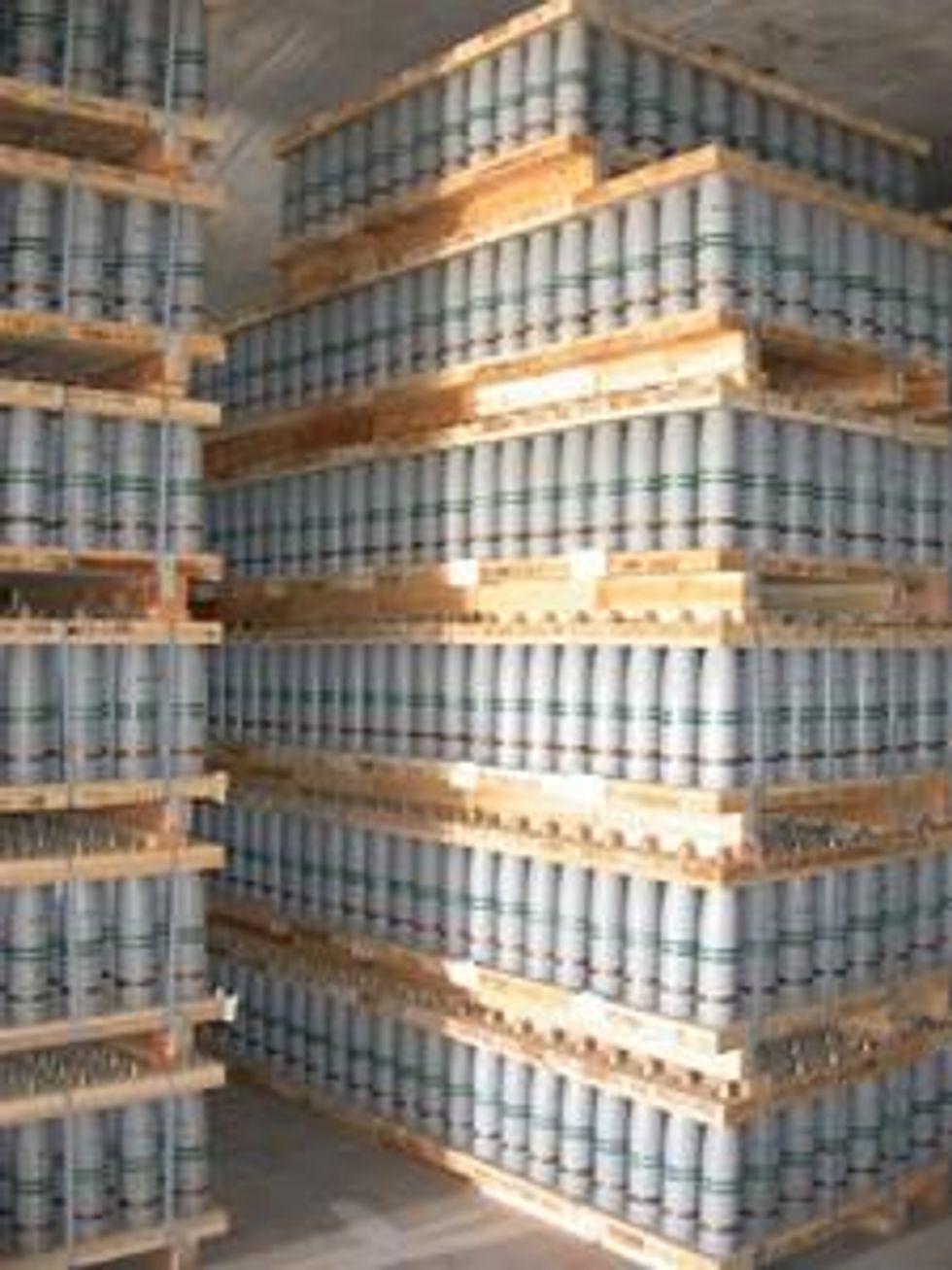
Poison gas is not really a "weapon of mass destruction," although it is technically classified as one. It is a purely tactical weapon, vastly less indiscriminate in its effects than nuclear or biological weapons. It is not even very effective in conventional warfare. It was widely used by both sides in the First World War, but was responsible for only one percent of the military deaths in that conflict.
Chemical weapons were banned after the First World War, partly because they were horrible but also because they made battle even more unpleasant without producing decisive military results. And despite occasional subsequent uses - by Egypt in the Yemen in the 1960s, by Iraq against Iran in the 1980s - the ban has mostly held ever since.
It would clearly help the rebel cause in Syria if they could prove that the Assad regime was using chemical weapons. Indeed, they would make such accusations whether they were true or not.
On the other hand, it was most unlikely that the Syrian regime would actually use its chemical weapons. It has such weapons, of course, like practically every other country in the Middle East, but using them would have no decisive effect in the kind of war it is fighting against the rebels. It would simply give the rebels a better argument for demanding foreign military intervention against the regime.
So ten months ago, when he made his "red line" statement, President Obama was confident that Syria would never cross it. It would be particularly foolish for it to use poison gas to use in the manner that is now alleged: in small amounts, in four relatively unimportant places, causing a total of 100 to 150 deaths. It just doesn't make sense, either militarily or politically.
In all likelihood Obama's calculation remains correct today: Assad's regime has probably NOT used chemical weapons. Yet the American intelligence services, or at least some of them, are telling him that this has indeed happened. Why would they do that?
They may have just been sucked in by the steady flow of rebel allegations that Assad's troops are using poison gas. Even good analysts can succumb to the line of thinking that holds that if there's enough smoke, then there must be fire. You think that can't happen? Remember Iraq?
It can happen especially easily when the analysts or their superiors want it to be true. The rebels in Syria have been losing all their battles recently, undermining the widespread conviction in American government and media circles that the fall of the Assad regime is just a matter of time. So the desire grows in those circles to reverse that trend by helping the rebels directly.
Even if Obama disbelieves the intelligence he is being fed, he cannot reject it openly, and he is shackled politically by his ill-advised "red line" commitment of ten months ago. All he can do now is talk a tough line, while dragging his feet as much as possible on actual action.
Fool me once, shame on you. (The Taliban regime in Afghanistan helped al-Qaeda to plan 9/11. We must invade.)
Fool me twice, shame on me. (Saddam Hussein is building weapons of mass destruction in Iraq. We must invade.)
But fool me three times... (The Syrian regime is using poison gas against the rebels. We must help them with arms supplies.) There's nothing left to say, is there?
"The president ... has made it clear that the use of chemical weapons or transfer of chemical weapons to terrorist groups is a red line," said deputy national security adviser Ben Rhodes, expanding on Obama's statement. "He has said that the use of chemical weapons would change his calculus, and it has."
But in a further statement on Tuesday, Obama fretted that it is "very easy to slip-slide your way into deeper and deeper commitments," ending up with full-scale US involvement in the Syrian civil war.
"If (the arms aid to the rebels) is not working immediately," the president pointed out, "then what ends up happening is six months from now people say, 'Well, you gave the heavy artillery; now what we really need is X, and now what we really need is Y.' Because until Assad is defeated, in this view, it's never going to be enough, right?"
Quite right. So how did this very reluctant warrior wind up at risk of being dragged into yet another Middle Eastern war? By making a threat that he never thought he would have to act on.
Last August, faced with constant allegations that the Assad regime was using poison gas, Obama announced that such an event would cross a red line and trigger US intervention in the war. He was just trying to fend off demands at home for instant intervention, and made his promise in the confident belief that the Syrian regime would never be so stupid as to do such a thing.
Poison gas is not really a "weapon of mass destruction," although it is technically classified as one. It is a purely tactical weapon, vastly less indiscriminate in its effects than nuclear or biological weapons. It is not even very effective in conventional warfare. It was widely used by both sides in the First World War, but was responsible for only one percent of the military deaths in that conflict.
Chemical weapons were banned after the First World War, partly because they were horrible but also because they made battle even more unpleasant without producing decisive military results. And despite occasional subsequent uses - by Egypt in the Yemen in the 1960s, by Iraq against Iran in the 1980s - the ban has mostly held ever since.
It would clearly help the rebel cause in Syria if they could prove that the Assad regime was using chemical weapons. Indeed, they would make such accusations whether they were true or not.
On the other hand, it was most unlikely that the Syrian regime would actually use its chemical weapons. It has such weapons, of course, like practically every other country in the Middle East, but using them would have no decisive effect in the kind of war it is fighting against the rebels. It would simply give the rebels a better argument for demanding foreign military intervention against the regime.
So ten months ago, when he made his "red line" statement, President Obama was confident that Syria would never cross it. It would be particularly foolish for it to use poison gas to use in the manner that is now alleged: in small amounts, in four relatively unimportant places, causing a total of 100 to 150 deaths. It just doesn't make sense, either militarily or politically.
In all likelihood Obama's calculation remains correct today: Assad's regime has probably NOT used chemical weapons. Yet the American intelligence services, or at least some of them, are telling him that this has indeed happened. Why would they do that?
They may have just been sucked in by the steady flow of rebel allegations that Assad's troops are using poison gas. Even good analysts can succumb to the line of thinking that holds that if there's enough smoke, then there must be fire. You think that can't happen? Remember Iraq?
It can happen especially easily when the analysts or their superiors want it to be true. The rebels in Syria have been losing all their battles recently, undermining the widespread conviction in American government and media circles that the fall of the Assad regime is just a matter of time. So the desire grows in those circles to reverse that trend by helping the rebels directly.
Even if Obama disbelieves the intelligence he is being fed, he cannot reject it openly, and he is shackled politically by his ill-advised "red line" commitment of ten months ago. All he can do now is talk a tough line, while dragging his feet as much as possible on actual action.
Fool me once, shame on you. (The Taliban regime in Afghanistan helped al-Qaeda to plan 9/11. We must invade.)
Fool me twice, shame on me. (Saddam Hussein is building weapons of mass destruction in Iraq. We must invade.)
But fool me three times... (The Syrian regime is using poison gas against the rebels. We must help them with arms supplies.) There's nothing left to say, is there?
"The president ... has made it clear that the use of chemical weapons or transfer of chemical weapons to terrorist groups is a red line," said deputy national security adviser Ben Rhodes, expanding on Obama's statement. "He has said that the use of chemical weapons would change his calculus, and it has."
But in a further statement on Tuesday, Obama fretted that it is "very easy to slip-slide your way into deeper and deeper commitments," ending up with full-scale US involvement in the Syrian civil war.
"If (the arms aid to the rebels) is not working immediately," the president pointed out, "then what ends up happening is six months from now people say, 'Well, you gave the heavy artillery; now what we really need is X, and now what we really need is Y.' Because until Assad is defeated, in this view, it's never going to be enough, right?"
Quite right. So how did this very reluctant warrior wind up at risk of being dragged into yet another Middle Eastern war? By making a threat that he never thought he would have to act on.
Last August, faced with constant allegations that the Assad regime was using poison gas, Obama announced that such an event would cross a red line and trigger US intervention in the war. He was just trying to fend off demands at home for instant intervention, and made his promise in the confident belief that the Syrian regime would never be so stupid as to do such a thing.
Poison gas is not really a "weapon of mass destruction," although it is technically classified as one. It is a purely tactical weapon, vastly less indiscriminate in its effects than nuclear or biological weapons. It is not even very effective in conventional warfare. It was widely used by both sides in the First World War, but was responsible for only one percent of the military deaths in that conflict.
Chemical weapons were banned after the First World War, partly because they were horrible but also because they made battle even more unpleasant without producing decisive military results. And despite occasional subsequent uses - by Egypt in the Yemen in the 1960s, by Iraq against Iran in the 1980s - the ban has mostly held ever since.
It would clearly help the rebel cause in Syria if they could prove that the Assad regime was using chemical weapons. Indeed, they would make such accusations whether they were true or not.
On the other hand, it was most unlikely that the Syrian regime would actually use its chemical weapons. It has such weapons, of course, like practically every other country in the Middle East, but using them would have no decisive effect in the kind of war it is fighting against the rebels. It would simply give the rebels a better argument for demanding foreign military intervention against the regime.
So ten months ago, when he made his "red line" statement, President Obama was confident that Syria would never cross it. It would be particularly foolish for it to use poison gas to use in the manner that is now alleged: in small amounts, in four relatively unimportant places, causing a total of 100 to 150 deaths. It just doesn't make sense, either militarily or politically.
In all likelihood Obama's calculation remains correct today: Assad's regime has probably NOT used chemical weapons. Yet the American intelligence services, or at least some of them, are telling him that this has indeed happened. Why would they do that?
They may have just been sucked in by the steady flow of rebel allegations that Assad's troops are using poison gas. Even good analysts can succumb to the line of thinking that holds that if there's enough smoke, then there must be fire. You think that can't happen? Remember Iraq?
It can happen especially easily when the analysts or their superiors want it to be true. The rebels in Syria have been losing all their battles recently, undermining the widespread conviction in American government and media circles that the fall of the Assad regime is just a matter of time. So the desire grows in those circles to reverse that trend by helping the rebels directly.
Even if Obama disbelieves the intelligence he is being fed, he cannot reject it openly, and he is shackled politically by his ill-advised "red line" commitment of ten months ago. All he can do now is talk a tough line, while dragging his feet as much as possible on actual action.