
Haiti, Cholera and the United Nations: Negligence and the Rule of Law
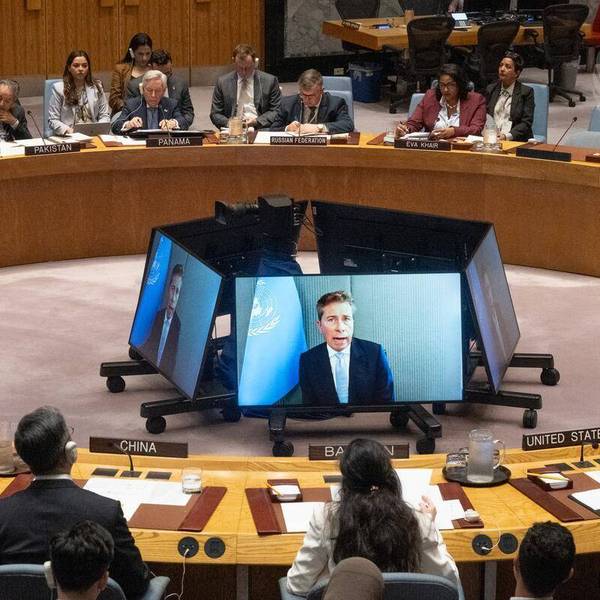
When the United Nations Security Council visited Haiti last week to assess its reconstruction progress, it should have evaluated the impact of the UN's refusal to accept responsibility for the claims brought by victims of the cholera introduced to Haiti by UN peacekeepers. Like any entity, the UN has a right to defend itself against claims leveled against it. In this case however, the UN should consider whether efforts to thwart accountability undermines its overarching global mission of promoting the rule of law and fighting poverty.
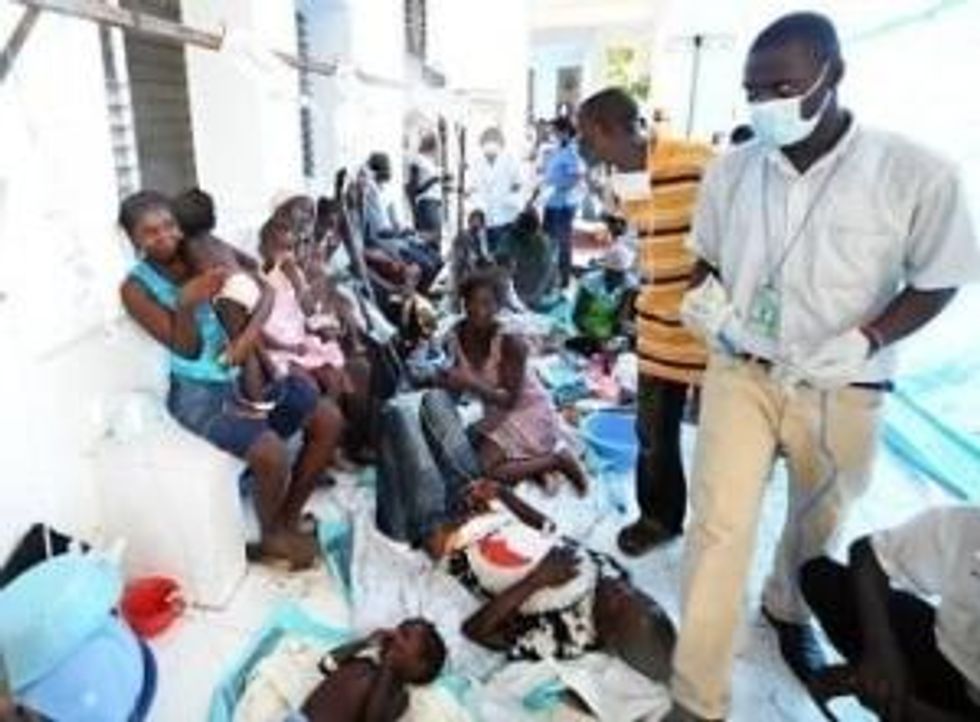
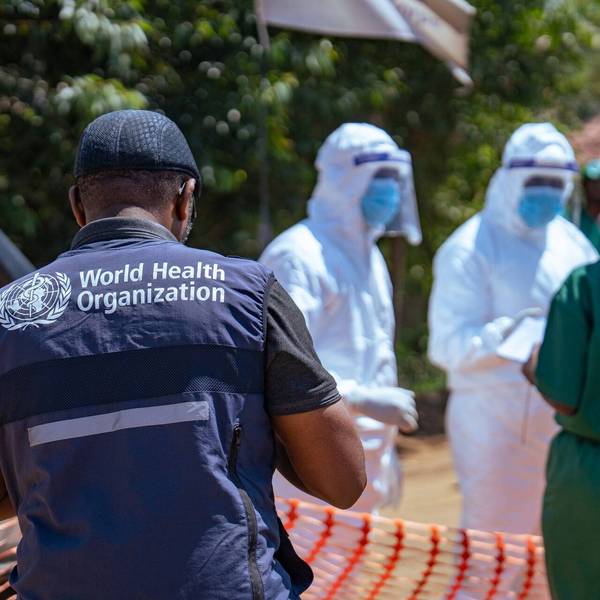
Cholera, not seen in Haiti in almost a century and not endemic to the country, hitched its way into Haiti through the UN stabilization force, known by its French acronym, MINUSTAH. The Independent Panel convened by the UN to investigate the source of the outbreak essentially conceded that cholera was brought to Haiti by its forces and was spread through its negligent oversight of waste disposal. Since cholera began its deadly march in October, 2010, the epidemic has claimed 7000 lives, sickened hundreds of thousands, and made life more miserable for the millions of Haitians already struggling to eke out a living in grinding poverty. Haiti now suffers the highest rate of cholera infection in the world, at 5% of the population.
Despite the strong evidence of malfeasance, the UN endeavors to insulate itself from liability by laying the blame for the spread of cholera on the conditions in Haiti that made it a particularly hospitable vector for transmission of the disease. This defense flies in the face of traditional theories of tort liability, which require that wrongdoers take their victims as they find them. In essence, the "eggshell skull" rule holds that negligent actors cannot escape liability for the harms they cause by pointing to the particular vulnerability of their victims. This is exactly what the UN has done in this instance in attempting to attribute the epidemic to a "confluence of factors" endemic to Haiti rather than its own conduct.
As the poorest country in the Western Hemisphere, Haiti's woefully inadequate infrastructure for health and sanitation could surprise no one. The UN, along with the Centers for Disease Control and others had been warning of a cholera outbreak since the earthquake. Cognizant of the fragile conditions in Haiti, and the risk for the spread of cholera that such conditions presented, the UN should have taken heightened precautions to ensure that its peacekeepers were not carrying potentially epidemic diseases, and further exercised sound oversight of the waste disposal procedures. The Independent Panel's own recommendations for future safeguards demonstrate that such precautions were feasible. Wrongdoing on the part of the United Nations is beyond dispute: the UN tacitly admits as much in its report. By any standard, the UN was negligent.
The UN's defense, that Haiti's vulnerability absolves it of liability, would be laughed out of court, if the UN would ever permit the adjudication of claims leveled against it. Instead, the UN has constructed a web of procedural protections designed to ensure that it will never face a full and fair hearing on complaints about its conduct. The Status of Forces Agreement between Haiti and the United Nations confers broad immunity to MINUSTAH troops for criminal wrongdoing. Civil claims against the UN are ostensibly to be resolved by a three person Standing Claims commission established by the United Nations, a tribunal which has yet to be constituted, despite the fact that MINUSTAH troop have been occupying Haitian soil since 2004.
It is notable that the UN has never established a standing claims commission in its other missions, or otherwise allowed claims of large scale malfeasance to be tested in any fair forum. While the UN has a legitimate interest in ensuring that specious claims are not permitted to distract from its mission, it should not be given a free pass to commit acts of negligence with complete impunity. As an institution that promotes the rule of law, the UN should apply those venerable standards to its own conduct.
The UN's attempt to evade responsibility for the introduction of the cholera epidemic to Haiti and its devastating aftermath is inconsistent with the UN's overarching mission of advancing the rule of law among its member states, without exception. The UN should take seriously its obligation to model good global stewardship: when provided with the opportunity to set an excellent example, the UN should seize the opportunity to demonstrate that no one is above the law.
An Urgent Message From Our Co-Founder
Dear Common Dreams reader, It’s been nearly 30 years since I co-founded Common Dreams with my late wife, Lina Newhouser. We had the radical notion that journalism should serve the public good, not corporate profits. It was clear to us from the outset what it would take to build such a project. No paid advertisements. No corporate sponsors. No millionaire publisher telling us what to think or do. Many people said we wouldn't last a year, but we proved those doubters wrong. Together with a tremendous team of journalists and dedicated staff, we built an independent media outlet free from the constraints of profits and corporate control. Our mission has always been simple: To inform. To inspire. To ignite change for the common good. Building Common Dreams was not easy. Our survival was never guaranteed. When you take on the most powerful forces—Wall Street greed, fossil fuel industry destruction, Big Tech lobbyists, and uber-rich oligarchs who have spent billions upon billions rigging the economy and democracy in their favor—the only bulwark you have is supporters who believe in your work. But here’s the urgent message from me today. It's never been this bad out there. And it's never been this hard to keep us going. At the very moment Common Dreams is most needed, the threats we face are intensifying. We need your support now more than ever. We don't accept corporate advertising and never will. We don't have a paywall because we don't think people should be blocked from critical news based on their ability to pay. Everything we do is funded by the donations of readers like you. When everyone does the little they can afford, we are strong. But if that support retreats or dries up, so do we. Will you donate now to make sure Common Dreams not only survives but thrives? —Craig Brown, Co-founder |
When the United Nations Security Council visited Haiti last week to assess its reconstruction progress, it should have evaluated the impact of the UN's refusal to accept responsibility for the claims brought by victims of the cholera introduced to Haiti by UN peacekeepers. Like any entity, the UN has a right to defend itself against claims leveled against it. In this case however, the UN should consider whether efforts to thwart accountability undermines its overarching global mission of promoting the rule of law and fighting poverty.

Cholera, not seen in Haiti in almost a century and not endemic to the country, hitched its way into Haiti through the UN stabilization force, known by its French acronym, MINUSTAH. The Independent Panel convened by the UN to investigate the source of the outbreak essentially conceded that cholera was brought to Haiti by its forces and was spread through its negligent oversight of waste disposal. Since cholera began its deadly march in October, 2010, the epidemic has claimed 7000 lives, sickened hundreds of thousands, and made life more miserable for the millions of Haitians already struggling to eke out a living in grinding poverty. Haiti now suffers the highest rate of cholera infection in the world, at 5% of the population.
Despite the strong evidence of malfeasance, the UN endeavors to insulate itself from liability by laying the blame for the spread of cholera on the conditions in Haiti that made it a particularly hospitable vector for transmission of the disease. This defense flies in the face of traditional theories of tort liability, which require that wrongdoers take their victims as they find them. In essence, the "eggshell skull" rule holds that negligent actors cannot escape liability for the harms they cause by pointing to the particular vulnerability of their victims. This is exactly what the UN has done in this instance in attempting to attribute the epidemic to a "confluence of factors" endemic to Haiti rather than its own conduct.
As the poorest country in the Western Hemisphere, Haiti's woefully inadequate infrastructure for health and sanitation could surprise no one. The UN, along with the Centers for Disease Control and others had been warning of a cholera outbreak since the earthquake. Cognizant of the fragile conditions in Haiti, and the risk for the spread of cholera that such conditions presented, the UN should have taken heightened precautions to ensure that its peacekeepers were not carrying potentially epidemic diseases, and further exercised sound oversight of the waste disposal procedures. The Independent Panel's own recommendations for future safeguards demonstrate that such precautions were feasible. Wrongdoing on the part of the United Nations is beyond dispute: the UN tacitly admits as much in its report. By any standard, the UN was negligent.
The UN's defense, that Haiti's vulnerability absolves it of liability, would be laughed out of court, if the UN would ever permit the adjudication of claims leveled against it. Instead, the UN has constructed a web of procedural protections designed to ensure that it will never face a full and fair hearing on complaints about its conduct. The Status of Forces Agreement between Haiti and the United Nations confers broad immunity to MINUSTAH troops for criminal wrongdoing. Civil claims against the UN are ostensibly to be resolved by a three person Standing Claims commission established by the United Nations, a tribunal which has yet to be constituted, despite the fact that MINUSTAH troop have been occupying Haitian soil since 2004.
It is notable that the UN has never established a standing claims commission in its other missions, or otherwise allowed claims of large scale malfeasance to be tested in any fair forum. While the UN has a legitimate interest in ensuring that specious claims are not permitted to distract from its mission, it should not be given a free pass to commit acts of negligence with complete impunity. As an institution that promotes the rule of law, the UN should apply those venerable standards to its own conduct.
The UN's attempt to evade responsibility for the introduction of the cholera epidemic to Haiti and its devastating aftermath is inconsistent with the UN's overarching mission of advancing the rule of law among its member states, without exception. The UN should take seriously its obligation to model good global stewardship: when provided with the opportunity to set an excellent example, the UN should seize the opportunity to demonstrate that no one is above the law.
When the United Nations Security Council visited Haiti last week to assess its reconstruction progress, it should have evaluated the impact of the UN's refusal to accept responsibility for the claims brought by victims of the cholera introduced to Haiti by UN peacekeepers. Like any entity, the UN has a right to defend itself against claims leveled against it. In this case however, the UN should consider whether efforts to thwart accountability undermines its overarching global mission of promoting the rule of law and fighting poverty.

Cholera, not seen in Haiti in almost a century and not endemic to the country, hitched its way into Haiti through the UN stabilization force, known by its French acronym, MINUSTAH. The Independent Panel convened by the UN to investigate the source of the outbreak essentially conceded that cholera was brought to Haiti by its forces and was spread through its negligent oversight of waste disposal. Since cholera began its deadly march in October, 2010, the epidemic has claimed 7000 lives, sickened hundreds of thousands, and made life more miserable for the millions of Haitians already struggling to eke out a living in grinding poverty. Haiti now suffers the highest rate of cholera infection in the world, at 5% of the population.
Despite the strong evidence of malfeasance, the UN endeavors to insulate itself from liability by laying the blame for the spread of cholera on the conditions in Haiti that made it a particularly hospitable vector for transmission of the disease. This defense flies in the face of traditional theories of tort liability, which require that wrongdoers take their victims as they find them. In essence, the "eggshell skull" rule holds that negligent actors cannot escape liability for the harms they cause by pointing to the particular vulnerability of their victims. This is exactly what the UN has done in this instance in attempting to attribute the epidemic to a "confluence of factors" endemic to Haiti rather than its own conduct.
As the poorest country in the Western Hemisphere, Haiti's woefully inadequate infrastructure for health and sanitation could surprise no one. The UN, along with the Centers for Disease Control and others had been warning of a cholera outbreak since the earthquake. Cognizant of the fragile conditions in Haiti, and the risk for the spread of cholera that such conditions presented, the UN should have taken heightened precautions to ensure that its peacekeepers were not carrying potentially epidemic diseases, and further exercised sound oversight of the waste disposal procedures. The Independent Panel's own recommendations for future safeguards demonstrate that such precautions were feasible. Wrongdoing on the part of the United Nations is beyond dispute: the UN tacitly admits as much in its report. By any standard, the UN was negligent.
The UN's defense, that Haiti's vulnerability absolves it of liability, would be laughed out of court, if the UN would ever permit the adjudication of claims leveled against it. Instead, the UN has constructed a web of procedural protections designed to ensure that it will never face a full and fair hearing on complaints about its conduct. The Status of Forces Agreement between Haiti and the United Nations confers broad immunity to MINUSTAH troops for criminal wrongdoing. Civil claims against the UN are ostensibly to be resolved by a three person Standing Claims commission established by the United Nations, a tribunal which has yet to be constituted, despite the fact that MINUSTAH troop have been occupying Haitian soil since 2004.
It is notable that the UN has never established a standing claims commission in its other missions, or otherwise allowed claims of large scale malfeasance to be tested in any fair forum. While the UN has a legitimate interest in ensuring that specious claims are not permitted to distract from its mission, it should not be given a free pass to commit acts of negligence with complete impunity. As an institution that promotes the rule of law, the UN should apply those venerable standards to its own conduct.
The UN's attempt to evade responsibility for the introduction of the cholera epidemic to Haiti and its devastating aftermath is inconsistent with the UN's overarching mission of advancing the rule of law among its member states, without exception. The UN should take seriously its obligation to model good global stewardship: when provided with the opportunity to set an excellent example, the UN should seize the opportunity to demonstrate that no one is above the law.

