

SUBSCRIBE TO OUR FREE NEWSLETTER
Daily news & progressive opinion—funded by the people, not the corporations—delivered straight to your inbox.
5
#000000
#FFFFFF
To donate by check, phone, or other method, see our More Ways to Give page.
Daily news & progressive opinion—funded by the people, not the corporations—delivered straight to your inbox.
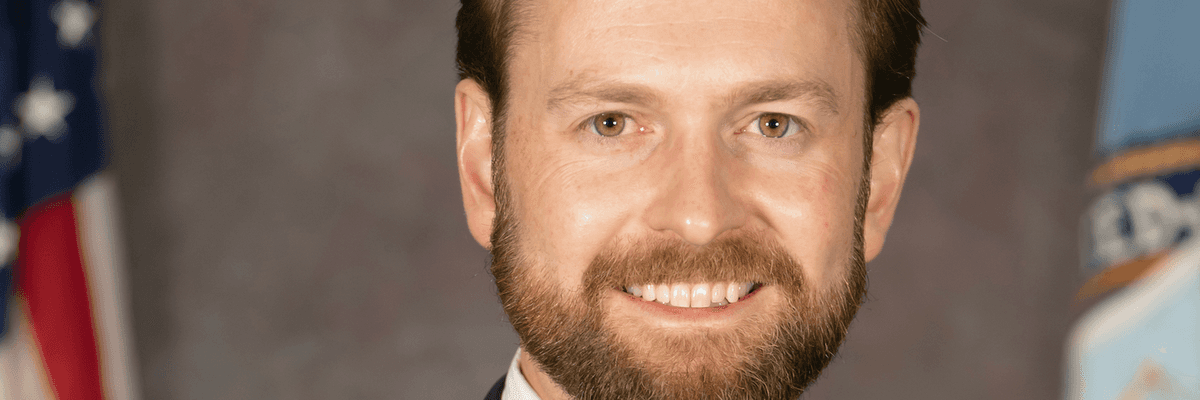
Andrew Ferguson, a Republican member of the Federal Trade Commission, was selected by President-elect Donald Trump to lead the agency on December 11, 2024.
Andrew Ferguson has opposed several major initiatives championed by Lina Khan, including FTC rules banning anti-worker noncompete agreements and making it easier for consumers to cancel subscriptions.
President-elect Donald Trump's pick to lead the Federal Trade Commission cast the lone no vote Tuesday against a newly finalized rule banning deceptive junk fees in live-event ticketing and short-term lodging.
The rule, according to an FTC release, "targets specific and widespread unfair and deceptive pricing practices in the sale of live-event tickets and short-term lodging, while preserving flexibility for businesses."
"It does not prohibit any type or amount of fee, nor does it prohibit any specific pricing strategies," the agency said. "Rather, it simply requires that businesses that advertise their pricing tell consumers the whole truth up-front about prices and fees."
FTC Commissioner Andrew Ferguson, Trump's choice to head the bipartisan agency, was the only member to vote against the junk fees rule. In his dissenting statement, Ferguson wrote that his opposition had "nothing to do with the merits" of the finalized rule but was rather a vote against any additional rulemaking by the Biden administration.
"It is particularly inappropriate for the Biden-Harris FTC to adopt a major new rule that it will never enforce, as the final rule will not take effect until many months after President Trump takes his oath of office," Ferguson wrote.
Ferguson has been a consistent opponent of causes championed by FTC Chair Lina Khan, including the agency's rules banning anti-worker noncompete agreements and making it easier for consumers to cancel subscriptions.
Nidhi Hegde, interim executive director of the American Economic Liberties Project, said in response to the newly finalized rule that "banning junk fees is broadly popular across the country because Americans are tired of being tricked by hidden costs that inflate prices and distort competition."
"Finalizing this rule with bipartisan support demonstrates Chair Khan and the commission's commitment to delivering real results for consumers, saving Americans both time and money," said Hegde. "We're pleased to see the FTC work to get this done, and encourage federal and state policymakers to build on this effort to put an end to junk fees once and for all."
With his dissent on Tuesday, Ferguson offered a glimpse of "how he plans to lead the FTC—and how the Trump administration plans to run the independent agencies put in the crosshairs by the Project 2025 plan," political reporter Matt Sledge wrote for The Intercept on Wednesday.
"While calling on the FTC to stop issuing rules until Trump takes office might win favor with the incoming president, it is sharply at odds with positions on the agency's independence that Republicans were putting out just weeks ago," Sledge noted. "As recently as October, the House Oversight Committee released a report dinging Khan for a supposed lack of independence from the Biden administration."
"Since Trump's election, however, Republicans have shown newfound enthusiasm for the idea of bringing independent agencies under executive control," he added. "That vision was laid out in Project 2025."
Since he's already a commissioner at the agency, Ferguson will not require Senate confirmation to become FTC chair once Trump takes office next month.
In his job pitch to Trump's team, Ferguson pledged to use his tenure as FTC chair to "reverse Lina Khan's anti-business agenda" and halt her "war on mergers."
Dear Common Dreams reader, It’s been nearly 30 years since I co-founded Common Dreams with my late wife, Lina Newhouser. We had the radical notion that journalism should serve the public good, not corporate profits. It was clear to us from the outset what it would take to build such a project. No paid advertisements. No corporate sponsors. No millionaire publisher telling us what to think or do. Many people said we wouldn't last a year, but we proved those doubters wrong. Together with a tremendous team of journalists and dedicated staff, we built an independent media outlet free from the constraints of profits and corporate control. Our mission has always been simple: To inform. To inspire. To ignite change for the common good. Building Common Dreams was not easy. Our survival was never guaranteed. When you take on the most powerful forces—Wall Street greed, fossil fuel industry destruction, Big Tech lobbyists, and uber-rich oligarchs who have spent billions upon billions rigging the economy and democracy in their favor—the only bulwark you have is supporters who believe in your work. But here’s the urgent message from me today. It's never been this bad out there. And it's never been this hard to keep us going. At the very moment Common Dreams is most needed, the threats we face are intensifying. We need your support now more than ever. We don't accept corporate advertising and never will. We don't have a paywall because we don't think people should be blocked from critical news based on their ability to pay. Everything we do is funded by the donations of readers like you. When everyone does the little they can afford, we are strong. But if that support retreats or dries up, so do we. Will you donate now to make sure Common Dreams not only survives but thrives? —Craig Brown, Co-founder |
President-elect Donald Trump's pick to lead the Federal Trade Commission cast the lone no vote Tuesday against a newly finalized rule banning deceptive junk fees in live-event ticketing and short-term lodging.
The rule, according to an FTC release, "targets specific and widespread unfair and deceptive pricing practices in the sale of live-event tickets and short-term lodging, while preserving flexibility for businesses."
"It does not prohibit any type or amount of fee, nor does it prohibit any specific pricing strategies," the agency said. "Rather, it simply requires that businesses that advertise their pricing tell consumers the whole truth up-front about prices and fees."
FTC Commissioner Andrew Ferguson, Trump's choice to head the bipartisan agency, was the only member to vote against the junk fees rule. In his dissenting statement, Ferguson wrote that his opposition had "nothing to do with the merits" of the finalized rule but was rather a vote against any additional rulemaking by the Biden administration.
"It is particularly inappropriate for the Biden-Harris FTC to adopt a major new rule that it will never enforce, as the final rule will not take effect until many months after President Trump takes his oath of office," Ferguson wrote.
Ferguson has been a consistent opponent of causes championed by FTC Chair Lina Khan, including the agency's rules banning anti-worker noncompete agreements and making it easier for consumers to cancel subscriptions.
Nidhi Hegde, interim executive director of the American Economic Liberties Project, said in response to the newly finalized rule that "banning junk fees is broadly popular across the country because Americans are tired of being tricked by hidden costs that inflate prices and distort competition."
"Finalizing this rule with bipartisan support demonstrates Chair Khan and the commission's commitment to delivering real results for consumers, saving Americans both time and money," said Hegde. "We're pleased to see the FTC work to get this done, and encourage federal and state policymakers to build on this effort to put an end to junk fees once and for all."
With his dissent on Tuesday, Ferguson offered a glimpse of "how he plans to lead the FTC—and how the Trump administration plans to run the independent agencies put in the crosshairs by the Project 2025 plan," political reporter Matt Sledge wrote for The Intercept on Wednesday.
"While calling on the FTC to stop issuing rules until Trump takes office might win favor with the incoming president, it is sharply at odds with positions on the agency's independence that Republicans were putting out just weeks ago," Sledge noted. "As recently as October, the House Oversight Committee released a report dinging Khan for a supposed lack of independence from the Biden administration."
"Since Trump's election, however, Republicans have shown newfound enthusiasm for the idea of bringing independent agencies under executive control," he added. "That vision was laid out in Project 2025."
Since he's already a commissioner at the agency, Ferguson will not require Senate confirmation to become FTC chair once Trump takes office next month.
In his job pitch to Trump's team, Ferguson pledged to use his tenure as FTC chair to "reverse Lina Khan's anti-business agenda" and halt her "war on mergers."
President-elect Donald Trump's pick to lead the Federal Trade Commission cast the lone no vote Tuesday against a newly finalized rule banning deceptive junk fees in live-event ticketing and short-term lodging.
The rule, according to an FTC release, "targets specific and widespread unfair and deceptive pricing practices in the sale of live-event tickets and short-term lodging, while preserving flexibility for businesses."
"It does not prohibit any type or amount of fee, nor does it prohibit any specific pricing strategies," the agency said. "Rather, it simply requires that businesses that advertise their pricing tell consumers the whole truth up-front about prices and fees."
FTC Commissioner Andrew Ferguson, Trump's choice to head the bipartisan agency, was the only member to vote against the junk fees rule. In his dissenting statement, Ferguson wrote that his opposition had "nothing to do with the merits" of the finalized rule but was rather a vote against any additional rulemaking by the Biden administration.
"It is particularly inappropriate for the Biden-Harris FTC to adopt a major new rule that it will never enforce, as the final rule will not take effect until many months after President Trump takes his oath of office," Ferguson wrote.
Ferguson has been a consistent opponent of causes championed by FTC Chair Lina Khan, including the agency's rules banning anti-worker noncompete agreements and making it easier for consumers to cancel subscriptions.
Nidhi Hegde, interim executive director of the American Economic Liberties Project, said in response to the newly finalized rule that "banning junk fees is broadly popular across the country because Americans are tired of being tricked by hidden costs that inflate prices and distort competition."
"Finalizing this rule with bipartisan support demonstrates Chair Khan and the commission's commitment to delivering real results for consumers, saving Americans both time and money," said Hegde. "We're pleased to see the FTC work to get this done, and encourage federal and state policymakers to build on this effort to put an end to junk fees once and for all."
With his dissent on Tuesday, Ferguson offered a glimpse of "how he plans to lead the FTC—and how the Trump administration plans to run the independent agencies put in the crosshairs by the Project 2025 plan," political reporter Matt Sledge wrote for The Intercept on Wednesday.
"While calling on the FTC to stop issuing rules until Trump takes office might win favor with the incoming president, it is sharply at odds with positions on the agency's independence that Republicans were putting out just weeks ago," Sledge noted. "As recently as October, the House Oversight Committee released a report dinging Khan for a supposed lack of independence from the Biden administration."
"Since Trump's election, however, Republicans have shown newfound enthusiasm for the idea of bringing independent agencies under executive control," he added. "That vision was laid out in Project 2025."
Since he's already a commissioner at the agency, Ferguson will not require Senate confirmation to become FTC chair once Trump takes office next month.
In his job pitch to Trump's team, Ferguson pledged to use his tenure as FTC chair to "reverse Lina Khan's anti-business agenda" and halt her "war on mergers."

