SUBSCRIBE TO OUR FREE NEWSLETTER
Daily news & progressive opinion—funded by the people, not the corporations—delivered straight to your inbox.
5
#000000
#FFFFFF
To donate by check, phone, or other method, see our More Ways to Give page.
Daily news & progressive opinion—funded by the people, not the corporations—delivered straight to your inbox.
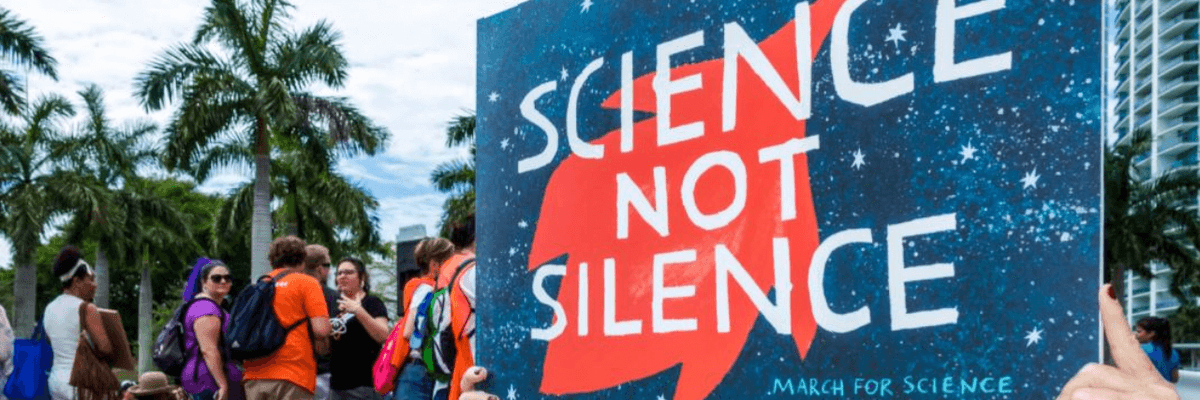
A Trump victory, the Nobel winners said, would "jeopardize any advancements in our standards of living, slow the progress of science and technology, and impede our responses to climate change."
Saying that the upcoming U.S. presidential election could be the most important ever for the future of science, a group of 82 Nobel Prize winners in medicine, physics, chemistry, and economics signed an open letter endorsing Vice President Kamala Harris and warning against allowing former President Donald Trump to return to the Oval Office.
The letter, obtained by The New York Times on Thursday, credits advances in science and technology with "enormous increases in living standards and life expectancies over the past two centuries" and expresses concern that Trump could threaten that progress.
"This is the most consequential presidential election in a long time, perhaps ever, for the future of science and the United States," the group of U.S. laureates wrote. "We, the undersigned, strongly support Harris."
The signatories, who include four who won the prize this month, first praise Harris for understanding both the importance of science and technology and that "maintaining America's leadership in these fields requires budgetary support from the federal government, independent universities, and international collaboration."
They also contrasted the two candidates' approach to immigration.
"Harris also recognizes the key role that immigrants have always played in the advancement of science," they wrote.
They then warned of what a second Trump presidency might entail.
"Should Donald Trump win the presidential election, he would undermine future U.S. leadership on these and other fronts, as well as jeopardize any advancements in our standards of living, slow the progress of science and technology, and impede our responses to climate change," they wrote.
"I hope it's a wake-up call for people."
Project 2025, the road map for a second Trump term, contains several anti-science agenda items such as plans get rid of the National Oceanic and Atmospheric Administration.
Trump also displayed great hostility to science during his first term. He withdrew the U.S. from the Paris climate agreement and rolled back 125 climate and environmental regulations. During the Covid-19 pandemic, he floated false cures such as exposure to ultraviolet light and injecting disinfectants. And he proposed a budget that would have dramatically slashed funding for health and science agencies such as the Centers for Disease Control and Prevention, the Environmental Protection Agency, and the National Science Foundation.
It was partly these budget cuts, as well Trump's "anti-science" and "anti-university" view, that motivated Joseph Stiglitz, who won the Nobel Memorial Prize in Economic Sciences in 2001, to draft Thursday's letter, he told the Times.
While Stiglitz said scientists usually "like to stick to their knitting," in this case "they've recognized this is a moment where you can't be silent."
"I hope it's a wake-up call for people," Stiglitz told the Times. "A consequence of this election is the really profound impact that his agenda has on science and technology."
Stiglitz also drafted another letter, signed by 23 U.S. Nobel Prize winners in economics, endorsing Harris' economic vision over Trump's.
"While each of us has different views on the particulars of various economic policies, we believe that, overall, Harris' economic agenda will improve our nation's health, investment, sustainability, resilience, employment opportunities, and fairness and be vastly superior to the counterproductive economic agenda of Donald Trump," the Nobel economists wrote.
Dear Common Dreams reader, It’s been nearly 30 years since I co-founded Common Dreams with my late wife, Lina Newhouser. We had the radical notion that journalism should serve the public good, not corporate profits. It was clear to us from the outset what it would take to build such a project. No paid advertisements. No corporate sponsors. No millionaire publisher telling us what to think or do. Many people said we wouldn't last a year, but we proved those doubters wrong. Together with a tremendous team of journalists and dedicated staff, we built an independent media outlet free from the constraints of profits and corporate control. Our mission has always been simple: To inform. To inspire. To ignite change for the common good. Building Common Dreams was not easy. Our survival was never guaranteed. When you take on the most powerful forces—Wall Street greed, fossil fuel industry destruction, Big Tech lobbyists, and uber-rich oligarchs who have spent billions upon billions rigging the economy and democracy in their favor—the only bulwark you have is supporters who believe in your work. But here’s the urgent message from me today. It's never been this bad out there. And it's never been this hard to keep us going. At the very moment Common Dreams is most needed, the threats we face are intensifying. We need your support now more than ever. We don't accept corporate advertising and never will. We don't have a paywall because we don't think people should be blocked from critical news based on their ability to pay. Everything we do is funded by the donations of readers like you. When everyone does the little they can afford, we are strong. But if that support retreats or dries up, so do we. Will you donate now to make sure Common Dreams not only survives but thrives? —Craig Brown, Co-founder |
Saying that the upcoming U.S. presidential election could be the most important ever for the future of science, a group of 82 Nobel Prize winners in medicine, physics, chemistry, and economics signed an open letter endorsing Vice President Kamala Harris and warning against allowing former President Donald Trump to return to the Oval Office.
The letter, obtained by The New York Times on Thursday, credits advances in science and technology with "enormous increases in living standards and life expectancies over the past two centuries" and expresses concern that Trump could threaten that progress.
"This is the most consequential presidential election in a long time, perhaps ever, for the future of science and the United States," the group of U.S. laureates wrote. "We, the undersigned, strongly support Harris."
The signatories, who include four who won the prize this month, first praise Harris for understanding both the importance of science and technology and that "maintaining America's leadership in these fields requires budgetary support from the federal government, independent universities, and international collaboration."
They also contrasted the two candidates' approach to immigration.
"Harris also recognizes the key role that immigrants have always played in the advancement of science," they wrote.
They then warned of what a second Trump presidency might entail.
"Should Donald Trump win the presidential election, he would undermine future U.S. leadership on these and other fronts, as well as jeopardize any advancements in our standards of living, slow the progress of science and technology, and impede our responses to climate change," they wrote.
"I hope it's a wake-up call for people."
Project 2025, the road map for a second Trump term, contains several anti-science agenda items such as plans get rid of the National Oceanic and Atmospheric Administration.
Trump also displayed great hostility to science during his first term. He withdrew the U.S. from the Paris climate agreement and rolled back 125 climate and environmental regulations. During the Covid-19 pandemic, he floated false cures such as exposure to ultraviolet light and injecting disinfectants. And he proposed a budget that would have dramatically slashed funding for health and science agencies such as the Centers for Disease Control and Prevention, the Environmental Protection Agency, and the National Science Foundation.
It was partly these budget cuts, as well Trump's "anti-science" and "anti-university" view, that motivated Joseph Stiglitz, who won the Nobel Memorial Prize in Economic Sciences in 2001, to draft Thursday's letter, he told the Times.
While Stiglitz said scientists usually "like to stick to their knitting," in this case "they've recognized this is a moment where you can't be silent."
"I hope it's a wake-up call for people," Stiglitz told the Times. "A consequence of this election is the really profound impact that his agenda has on science and technology."
Stiglitz also drafted another letter, signed by 23 U.S. Nobel Prize winners in economics, endorsing Harris' economic vision over Trump's.
"While each of us has different views on the particulars of various economic policies, we believe that, overall, Harris' economic agenda will improve our nation's health, investment, sustainability, resilience, employment opportunities, and fairness and be vastly superior to the counterproductive economic agenda of Donald Trump," the Nobel economists wrote.
Saying that the upcoming U.S. presidential election could be the most important ever for the future of science, a group of 82 Nobel Prize winners in medicine, physics, chemistry, and economics signed an open letter endorsing Vice President Kamala Harris and warning against allowing former President Donald Trump to return to the Oval Office.
The letter, obtained by The New York Times on Thursday, credits advances in science and technology with "enormous increases in living standards and life expectancies over the past two centuries" and expresses concern that Trump could threaten that progress.
"This is the most consequential presidential election in a long time, perhaps ever, for the future of science and the United States," the group of U.S. laureates wrote. "We, the undersigned, strongly support Harris."
The signatories, who include four who won the prize this month, first praise Harris for understanding both the importance of science and technology and that "maintaining America's leadership in these fields requires budgetary support from the federal government, independent universities, and international collaboration."
They also contrasted the two candidates' approach to immigration.
"Harris also recognizes the key role that immigrants have always played in the advancement of science," they wrote.
They then warned of what a second Trump presidency might entail.
"Should Donald Trump win the presidential election, he would undermine future U.S. leadership on these and other fronts, as well as jeopardize any advancements in our standards of living, slow the progress of science and technology, and impede our responses to climate change," they wrote.
"I hope it's a wake-up call for people."
Project 2025, the road map for a second Trump term, contains several anti-science agenda items such as plans get rid of the National Oceanic and Atmospheric Administration.
Trump also displayed great hostility to science during his first term. He withdrew the U.S. from the Paris climate agreement and rolled back 125 climate and environmental regulations. During the Covid-19 pandemic, he floated false cures such as exposure to ultraviolet light and injecting disinfectants. And he proposed a budget that would have dramatically slashed funding for health and science agencies such as the Centers for Disease Control and Prevention, the Environmental Protection Agency, and the National Science Foundation.
It was partly these budget cuts, as well Trump's "anti-science" and "anti-university" view, that motivated Joseph Stiglitz, who won the Nobel Memorial Prize in Economic Sciences in 2001, to draft Thursday's letter, he told the Times.
While Stiglitz said scientists usually "like to stick to their knitting," in this case "they've recognized this is a moment where you can't be silent."
"I hope it's a wake-up call for people," Stiglitz told the Times. "A consequence of this election is the really profound impact that his agenda has on science and technology."
Stiglitz also drafted another letter, signed by 23 U.S. Nobel Prize winners in economics, endorsing Harris' economic vision over Trump's.
"While each of us has different views on the particulars of various economic policies, we believe that, overall, Harris' economic agenda will improve our nation's health, investment, sustainability, resilience, employment opportunities, and fairness and be vastly superior to the counterproductive economic agenda of Donald Trump," the Nobel economists wrote.