SUBSCRIBE TO OUR FREE NEWSLETTER
Daily news & progressive opinion—funded by the people, not the corporations—delivered straight to your inbox.
5
#000000
#FFFFFF
To donate by check, phone, or other method, see our More Ways to Give page.
Daily news & progressive opinion—funded by the people, not the corporations—delivered straight to your inbox.

The U.S. House of Representatives voted in favor of the SAFE Banking Act, which, if passed by the Senate and President Joe Biden, would give state-legal cannabis businesses access to banks and other financial institutions. (Photo: Darren415/iStock/Getty Images Plus)
Hailed by advocates as an important milestone on the road to full marijuana legalization, the U.S. House of Representatives on Monday voted overwhelmingly in favor of a bill that would open the door to banking services for the legal cannabis industry.
"As we continue to push forward with full legalization, addressing this irrational, unfair, and unsafe denial of banking services to state-legal cannabis businesses is a top priority."
--Rep. Earl Blumenauer
All House Democrats and more than half of Republicans in the lower chamber voted to approve the SAFE Banking Act, which passed by a vote of 321-101. If approved by the Democrat-controlled Senate and signed into law by President Joe Biden, the measure would allow banks and other financial institutions to serve state-legal cannabis businesses without running afoul of federal prohibition law.
The House passed a similar bill in 2019. However, the measure never made it past the Senate, which at the time was controlled by Republicans.
Rep. Ed Perlmutter (D-Colo.)--who has introduced versions of the bill since 2013--said on the House floor ahead of the vote that "the fact is, you can't put the genie back in the bottle--prohibition is over."
"I hope this bill is an icebreaker for the House to take up other reforms and finally remove the conflict between state and federal laws," he said.
After the successful vote, longtime cannabis legalization advocate Rep. Barbara Lee (D-Calif.) tweeted that "this is a step toward ending the failed war on drugs and bringing restorative justice to our Black and Brown communities."
Other lawmakers and elected officials, especially in states where recreational or medical marijuana use is legal, applauded the bill's passage.
"As we continue to push forward with full legalization, addressing this irrational, unfair, and unsafe denial of banking services to state-legal cannabis businesses is a top priority," Rep. Earl Blumenauer (D-Ore.) said in a statement after the vote. "This is a critical element of reform that can't wait, and I urge our cannabis champions in the Senate to take up this legislation as soon as possible."
Rep. Diana DeGette (D-Colo.) asserted that "Colorado's multi-billion-dollar marijuana industry employs thousands of people. They should have the same security and access to banking as any other business."
Democratic Gov. Jay Inslee of Washington--which in 2012 became one of the first two states to legalize recreational cannabis--said the SAFE Banking Act will provide legal marijuana businesses "a safer, more transparent financial market."
Cannabis legalization advocates also hailed Monday's vote. NORML--the National Organization for the Reform of Marijuana Laws--said that if signed into law, the bill "would improve the safety of legal marijuana marketplaces and foster more entrepreneurship in the emerging legal industry."
NORML political director Justin Strekal said that "for the first time since Joe Biden assumed the presidency, a supermajority of the House has voted affirmatively to recognize that the legalization and regulation of marijuana is a superior public policy to prohibition and criminalization."
"However, the SAFE Banking Act is only a first step at making sure that these state-legal markets operate safely and efficiently," he added. "The sad reality is that those who own or patronize the unbanked businesses are themselves criminals in the eyes of the federal government, which can only be addressed by removing marijuana from the list of controlled substances."
Steve Hawkins, executive director of Marijuana Policy Project, called Monday's vote "hugely important."
"This will unlock banking services that certainly will be a benefit to small operators in the space as well as social equity businesses," Hawkins told Marijuana Business Daily.
"The SAFE Banking Act is only a first step at making sure that these state-legal markets operate safely and efficiently."
--Justin Strekal, NORML
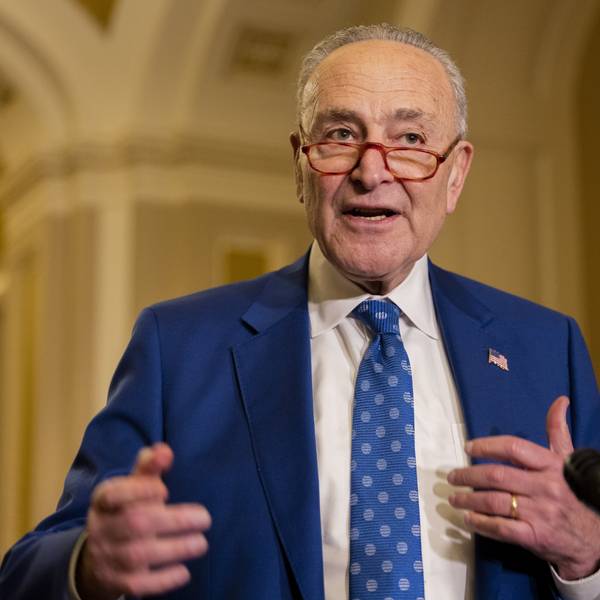
The SAFE Banking Act has a much better chance of passage now that Democrats control a Senate whose members increasingly favor an end to federal marijuana prohibition. Earlier this month, Senate Majority Leader Chuck Schumer (D-N.Y.)--whose home state legalized recreational cannabis use last month--is currently working on federal marijuana reform legislation with Sens. Cory Booker (D-N.J.) and Ron Wyden (D-Ore.).
Biden, however, remains opposed to full federal legalization. Cannabis activists hope that sustained grassroots pressure and the continuing parade of states ending prohibition could spur the president to reconsider his position. According to Business Insider, recreational marijuana is now legal in 16 states and the District of Columbia, with medicinal use allowed in 36 states.
This country and this world are at a monumental crossroads. US voters have an opportunity to beat back the forces of fascism and confront the billionaires who are rigging the economy, our media system, and our democracy, making it increasingly impossible for ordinary people to get by. We’re not just talking about the election. We’re talking about what must be done once these fascist elements are vanquished from power. We need a bolder set of solutions than what either major party has so far been willing to offer and a working-class movement ready to fight like hell for it. Trump didn't emerge from nowhere. The conditions that fueled MAGA authoritarianism were created by decades of radical neoliberal economic policies and a corrupt political system dominated by corporate interests. They slashed taxes on the super-rich, promising that the benefits would trickle down. They said giveaways to the corporate titans would make life more affordable for the rest of us. It was all bullshit. And when a bitter, betrayed populace searches for someone to blame, right-wing demagogues have little trouble finding scapegoats. People know when they're being lied to, but you won't hear any of this from the corporate media. Only independent journalism—powered and funded by people who believe in building a better world—can deliver truly trustworthy daily news. If you share our vision, please contribute whatever you can to sustain our work. |
Hailed by advocates as an important milestone on the road to full marijuana legalization, the U.S. House of Representatives on Monday voted overwhelmingly in favor of a bill that would open the door to banking services for the legal cannabis industry.
"As we continue to push forward with full legalization, addressing this irrational, unfair, and unsafe denial of banking services to state-legal cannabis businesses is a top priority."
--Rep. Earl Blumenauer
All House Democrats and more than half of Republicans in the lower chamber voted to approve the SAFE Banking Act, which passed by a vote of 321-101. If approved by the Democrat-controlled Senate and signed into law by President Joe Biden, the measure would allow banks and other financial institutions to serve state-legal cannabis businesses without running afoul of federal prohibition law.
The House passed a similar bill in 2019. However, the measure never made it past the Senate, which at the time was controlled by Republicans.
Rep. Ed Perlmutter (D-Colo.)--who has introduced versions of the bill since 2013--said on the House floor ahead of the vote that "the fact is, you can't put the genie back in the bottle--prohibition is over."
"I hope this bill is an icebreaker for the House to take up other reforms and finally remove the conflict between state and federal laws," he said.
After the successful vote, longtime cannabis legalization advocate Rep. Barbara Lee (D-Calif.) tweeted that "this is a step toward ending the failed war on drugs and bringing restorative justice to our Black and Brown communities."
Other lawmakers and elected officials, especially in states where recreational or medical marijuana use is legal, applauded the bill's passage.
"As we continue to push forward with full legalization, addressing this irrational, unfair, and unsafe denial of banking services to state-legal cannabis businesses is a top priority," Rep. Earl Blumenauer (D-Ore.) said in a statement after the vote. "This is a critical element of reform that can't wait, and I urge our cannabis champions in the Senate to take up this legislation as soon as possible."
Rep. Diana DeGette (D-Colo.) asserted that "Colorado's multi-billion-dollar marijuana industry employs thousands of people. They should have the same security and access to banking as any other business."
Democratic Gov. Jay Inslee of Washington--which in 2012 became one of the first two states to legalize recreational cannabis--said the SAFE Banking Act will provide legal marijuana businesses "a safer, more transparent financial market."
Cannabis legalization advocates also hailed Monday's vote. NORML--the National Organization for the Reform of Marijuana Laws--said that if signed into law, the bill "would improve the safety of legal marijuana marketplaces and foster more entrepreneurship in the emerging legal industry."
NORML political director Justin Strekal said that "for the first time since Joe Biden assumed the presidency, a supermajority of the House has voted affirmatively to recognize that the legalization and regulation of marijuana is a superior public policy to prohibition and criminalization."
"However, the SAFE Banking Act is only a first step at making sure that these state-legal markets operate safely and efficiently," he added. "The sad reality is that those who own or patronize the unbanked businesses are themselves criminals in the eyes of the federal government, which can only be addressed by removing marijuana from the list of controlled substances."
Steve Hawkins, executive director of Marijuana Policy Project, called Monday's vote "hugely important."
"This will unlock banking services that certainly will be a benefit to small operators in the space as well as social equity businesses," Hawkins told Marijuana Business Daily.
"The SAFE Banking Act is only a first step at making sure that these state-legal markets operate safely and efficiently."
--Justin Strekal, NORML
The SAFE Banking Act has a much better chance of passage now that Democrats control a Senate whose members increasingly favor an end to federal marijuana prohibition. Earlier this month, Senate Majority Leader Chuck Schumer (D-N.Y.)--whose home state legalized recreational cannabis use last month--is currently working on federal marijuana reform legislation with Sens. Cory Booker (D-N.J.) and Ron Wyden (D-Ore.).
Biden, however, remains opposed to full federal legalization. Cannabis activists hope that sustained grassroots pressure and the continuing parade of states ending prohibition could spur the president to reconsider his position. According to Business Insider, recreational marijuana is now legal in 16 states and the District of Columbia, with medicinal use allowed in 36 states.