

SUBSCRIBE TO OUR FREE NEWSLETTER
Daily news & progressive opinion—funded by the people, not the corporations—delivered straight to your inbox.
5
#000000
#FFFFFF
To donate by check, phone, or other method, see our More Ways to Give page.
Daily news & progressive opinion—funded by the people, not the corporations—delivered straight to your inbox.
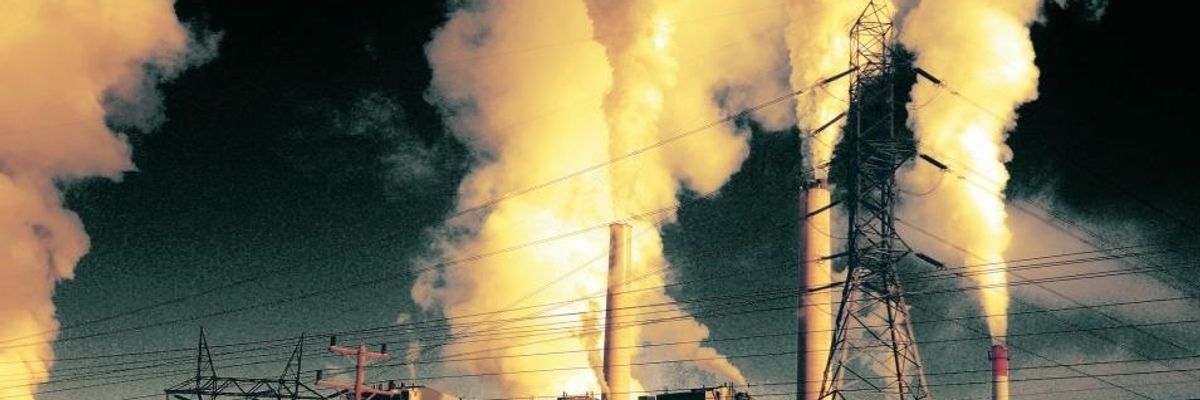
A new Carbon Tracker report warns competition with renewables, government climate policies, and the coronavirus pandemic could cause future profits from fossil fuels to fall by $25 trillion. (Photo: Andrew Hart/flickr/cc)
In a new analysis that bolsters climate activists' arguments for transforming the global energy system, the London-based financial think tank Carbon Tracker warned Thursday that declining demand and rising investment risk due to cheaper renewable technologies, aggressive government policies, and the coronavirus pandemic could cause a $25 trillion collapse in future fossil fuel profits.
"The disruption of #Covid19 calls for urgent government action to phase out coal and transition to clean renewable energy--to create jobs, support people and communities, and protect our health."
--Climate and Health Alliance
The report, Decline and Fall: The Size & Vulnerability of the Fossil Fuel System, says that the ongoing Covid-19 crisis is accelerating the "terminal decline" the fossil fuel industry was already facing because of competition with renewable energy and climate policies.
An annual International Energy Agency report projected in April that "renewables demand is expected to increase because of low operating costs and preferential access to many power systems," but the pandemic is expected to cause significant declines in demand for coal, gas, and oil as well as nuclear power this year.
Based on a 2018 World Bank estimate that put future coal, gas, and oil profits at $39 trillion, Decline and Fall says that if fossil fuel demand drops 2% annually in line with the 2015 Paris agreement, that figure could fall to $14 trillion, "sending shock waves through the global economy."
Decline and Fall serves as a signal to both investors and policymakers about the financial risks of propping up the fossil fuel system--which scientists warn is taking the world down a path to climate catastrophe--and the urgent need to pursue a rapid but thoughtful transition to clean energy, explained Carbon Tracker energy strategist and report author Kingsmill Bond.
"We are witnessing the decline and fall of the fossil fuel system."
--Kingsmill Bond, Carbon Tracker
"We are witnessing the decline and fall of the fossil fuel system," Bond said in a statement Thursday. "Technological innovation and policy support is driving peak fossil fuel demand in sector after sector and country after country, and the Covid-19 pandemic has accelerated this. We may now have seen peak fossil fuel demand as a whole."
"This is a huge opportunity for countries that import fossil fuels, which can save trillions of dollars by switching to a clean energy economy in line with the Paris agreement," he added. "Now is the time to plan an orderly wind-down of fossil fuel assets and manage the impact on the global economy rather than try to sustain the unsustainable."
As Covid-19 has killed over 386,000 people, infected more than 6.5 million, and triggered economically devastating lockdowns across the globe, international bodies and governments have been urged to pursue a #PeoplesBailout, Just Recovery, Healthy Recovery, Green Recovery, Green Stimulus, and Global Green New Deal.
Greenpeace International executive director Jennifer Morgan highlighted Carbon Tracker's report on Twitter Thursday and reiterated calls from climate campaigners, healthcare workers, and progressive policymakers to #BuildBackBetter from the pandemic with relief plans that support the global economy and phase out fossil fuels.
Other climate action advocates around the world shared similar reactions to the report on social media:
The new report and responses from advocates come after campaigners have spent months ramping up pressure on investors to ditch the planet-wrecking fossil fuel industry. In January, advocacy groups launched Stop the Money Pipeline, a campaign urging banks, insurers, and asset managers cut ties with dirty energy companies.
Shortly before fossil fuel giant ExxonMobil's annual shareholders meeting at the end of May, international climate, human rights, faith, and Indigenous groups unveiled the Finance Climate Challenge, which calls on the global finance sector--including asset managers, pension funds, and endowments--to "end its support for fossil fuels and climate chaos."
Dear Common Dreams reader, It’s been nearly 30 years since I co-founded Common Dreams with my late wife, Lina Newhouser. We had the radical notion that journalism should serve the public good, not corporate profits. It was clear to us from the outset what it would take to build such a project. No paid advertisements. No corporate sponsors. No millionaire publisher telling us what to think or do. Many people said we wouldn't last a year, but we proved those doubters wrong. Together with a tremendous team of journalists and dedicated staff, we built an independent media outlet free from the constraints of profits and corporate control. Our mission has always been simple: To inform. To inspire. To ignite change for the common good. Building Common Dreams was not easy. Our survival was never guaranteed. When you take on the most powerful forces—Wall Street greed, fossil fuel industry destruction, Big Tech lobbyists, and uber-rich oligarchs who have spent billions upon billions rigging the economy and democracy in their favor—the only bulwark you have is supporters who believe in your work. But here’s the urgent message from me today. It's never been this bad out there. And it's never been this hard to keep us going. At the very moment Common Dreams is most needed, the threats we face are intensifying. We need your support now more than ever. We don't accept corporate advertising and never will. We don't have a paywall because we don't think people should be blocked from critical news based on their ability to pay. Everything we do is funded by the donations of readers like you. When everyone does the little they can afford, we are strong. But if that support retreats or dries up, so do we. Will you donate now to make sure Common Dreams not only survives but thrives? —Craig Brown, Co-founder |
In a new analysis that bolsters climate activists' arguments for transforming the global energy system, the London-based financial think tank Carbon Tracker warned Thursday that declining demand and rising investment risk due to cheaper renewable technologies, aggressive government policies, and the coronavirus pandemic could cause a $25 trillion collapse in future fossil fuel profits.
"The disruption of #Covid19 calls for urgent government action to phase out coal and transition to clean renewable energy--to create jobs, support people and communities, and protect our health."
--Climate and Health Alliance
The report, Decline and Fall: The Size & Vulnerability of the Fossil Fuel System, says that the ongoing Covid-19 crisis is accelerating the "terminal decline" the fossil fuel industry was already facing because of competition with renewable energy and climate policies.
An annual International Energy Agency report projected in April that "renewables demand is expected to increase because of low operating costs and preferential access to many power systems," but the pandemic is expected to cause significant declines in demand for coal, gas, and oil as well as nuclear power this year.
Based on a 2018 World Bank estimate that put future coal, gas, and oil profits at $39 trillion, Decline and Fall says that if fossil fuel demand drops 2% annually in line with the 2015 Paris agreement, that figure could fall to $14 trillion, "sending shock waves through the global economy."
Decline and Fall serves as a signal to both investors and policymakers about the financial risks of propping up the fossil fuel system--which scientists warn is taking the world down a path to climate catastrophe--and the urgent need to pursue a rapid but thoughtful transition to clean energy, explained Carbon Tracker energy strategist and report author Kingsmill Bond.
"We are witnessing the decline and fall of the fossil fuel system."
--Kingsmill Bond, Carbon Tracker
"We are witnessing the decline and fall of the fossil fuel system," Bond said in a statement Thursday. "Technological innovation and policy support is driving peak fossil fuel demand in sector after sector and country after country, and the Covid-19 pandemic has accelerated this. We may now have seen peak fossil fuel demand as a whole."
"This is a huge opportunity for countries that import fossil fuels, which can save trillions of dollars by switching to a clean energy economy in line with the Paris agreement," he added. "Now is the time to plan an orderly wind-down of fossil fuel assets and manage the impact on the global economy rather than try to sustain the unsustainable."
As Covid-19 has killed over 386,000 people, infected more than 6.5 million, and triggered economically devastating lockdowns across the globe, international bodies and governments have been urged to pursue a #PeoplesBailout, Just Recovery, Healthy Recovery, Green Recovery, Green Stimulus, and Global Green New Deal.
Greenpeace International executive director Jennifer Morgan highlighted Carbon Tracker's report on Twitter Thursday and reiterated calls from climate campaigners, healthcare workers, and progressive policymakers to #BuildBackBetter from the pandemic with relief plans that support the global economy and phase out fossil fuels.
Other climate action advocates around the world shared similar reactions to the report on social media:
The new report and responses from advocates come after campaigners have spent months ramping up pressure on investors to ditch the planet-wrecking fossil fuel industry. In January, advocacy groups launched Stop the Money Pipeline, a campaign urging banks, insurers, and asset managers cut ties with dirty energy companies.
Shortly before fossil fuel giant ExxonMobil's annual shareholders meeting at the end of May, international climate, human rights, faith, and Indigenous groups unveiled the Finance Climate Challenge, which calls on the global finance sector--including asset managers, pension funds, and endowments--to "end its support for fossil fuels and climate chaos."
In a new analysis that bolsters climate activists' arguments for transforming the global energy system, the London-based financial think tank Carbon Tracker warned Thursday that declining demand and rising investment risk due to cheaper renewable technologies, aggressive government policies, and the coronavirus pandemic could cause a $25 trillion collapse in future fossil fuel profits.
"The disruption of #Covid19 calls for urgent government action to phase out coal and transition to clean renewable energy--to create jobs, support people and communities, and protect our health."
--Climate and Health Alliance
The report, Decline and Fall: The Size & Vulnerability of the Fossil Fuel System, says that the ongoing Covid-19 crisis is accelerating the "terminal decline" the fossil fuel industry was already facing because of competition with renewable energy and climate policies.
An annual International Energy Agency report projected in April that "renewables demand is expected to increase because of low operating costs and preferential access to many power systems," but the pandemic is expected to cause significant declines in demand for coal, gas, and oil as well as nuclear power this year.
Based on a 2018 World Bank estimate that put future coal, gas, and oil profits at $39 trillion, Decline and Fall says that if fossil fuel demand drops 2% annually in line with the 2015 Paris agreement, that figure could fall to $14 trillion, "sending shock waves through the global economy."
Decline and Fall serves as a signal to both investors and policymakers about the financial risks of propping up the fossil fuel system--which scientists warn is taking the world down a path to climate catastrophe--and the urgent need to pursue a rapid but thoughtful transition to clean energy, explained Carbon Tracker energy strategist and report author Kingsmill Bond.
"We are witnessing the decline and fall of the fossil fuel system."
--Kingsmill Bond, Carbon Tracker
"We are witnessing the decline and fall of the fossil fuel system," Bond said in a statement Thursday. "Technological innovation and policy support is driving peak fossil fuel demand in sector after sector and country after country, and the Covid-19 pandemic has accelerated this. We may now have seen peak fossil fuel demand as a whole."
"This is a huge opportunity for countries that import fossil fuels, which can save trillions of dollars by switching to a clean energy economy in line with the Paris agreement," he added. "Now is the time to plan an orderly wind-down of fossil fuel assets and manage the impact on the global economy rather than try to sustain the unsustainable."
As Covid-19 has killed over 386,000 people, infected more than 6.5 million, and triggered economically devastating lockdowns across the globe, international bodies and governments have been urged to pursue a #PeoplesBailout, Just Recovery, Healthy Recovery, Green Recovery, Green Stimulus, and Global Green New Deal.
Greenpeace International executive director Jennifer Morgan highlighted Carbon Tracker's report on Twitter Thursday and reiterated calls from climate campaigners, healthcare workers, and progressive policymakers to #BuildBackBetter from the pandemic with relief plans that support the global economy and phase out fossil fuels.
Other climate action advocates around the world shared similar reactions to the report on social media:
The new report and responses from advocates come after campaigners have spent months ramping up pressure on investors to ditch the planet-wrecking fossil fuel industry. In January, advocacy groups launched Stop the Money Pipeline, a campaign urging banks, insurers, and asset managers cut ties with dirty energy companies.
Shortly before fossil fuel giant ExxonMobil's annual shareholders meeting at the end of May, international climate, human rights, faith, and Indigenous groups unveiled the Finance Climate Challenge, which calls on the global finance sector--including asset managers, pension funds, and endowments--to "end its support for fossil fuels and climate chaos."

