SUBSCRIBE TO OUR FREE NEWSLETTER
Daily news & progressive opinion—funded by the people, not the corporations—delivered straight to your inbox.
5
#000000
#FFFFFF
To donate by check, phone, or other method, see our More Ways to Give page.
Daily news & progressive opinion—funded by the people, not the corporations—delivered straight to your inbox.
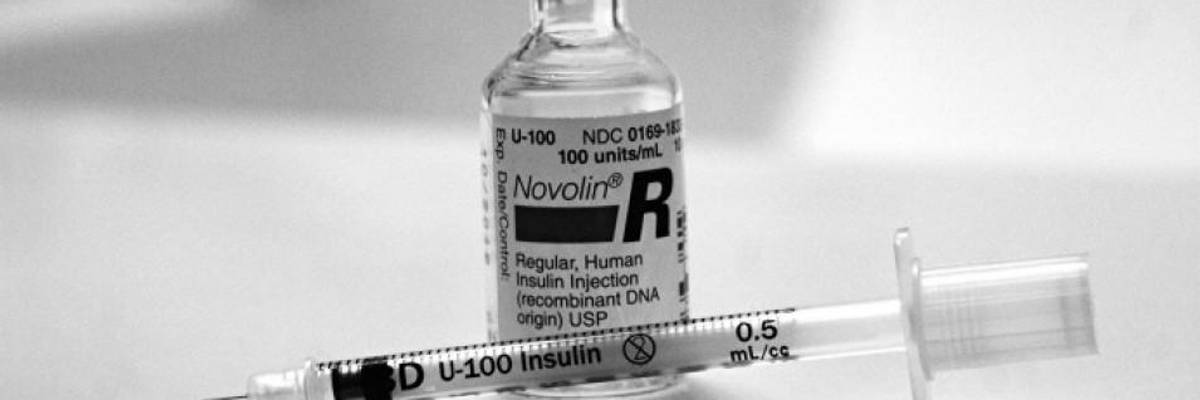
"People are dead because Eli Lily refused to lower the cost of insulin all along, instead price gouging us and raising prices year after year for no reason other than greed." (Photo: 2C2KPhotography/flickr/cc)
Rep. Ilhan Omar on Wednesday was among skeptics of pharmaceutical giant Eli Lilly's move to reduce the price of insulin during the coronavirus outbreak who pointed out that the company's refusal to do so in the past has cost thousands of people their lives despite the ease with which it apparently could have cut prices.
"Imagine having the ability to do this all along, and choosing not to while people died," Omar tweeted Wednesday evening.
Eli Lilly announced Tuesday it will cap the co-pay cost of the drug at $35 for the duration of the coronavirus, or COVID-19, crisis, the company's senior vice president Mike Mason said in a statement.
"Too many people in the U.S. have lost their jobs because of the COVID-19 crisis, and we want to make sure no one goes without their Lilly insulin," said Mason.
The deal will not apply to those on "government insurance such as Medicaid, Medicare, Medicare Part D, or any State Patient or Pharmaceutical Assistance Program, according to CNBC.
The price change comes after sustained criticism of Eli Lilly and other pharmaceutical companies which have kept the price for insulin, a life-saving drug for people suffering from diabetes, at artificially inflated prices that have left many patients unable to afford the medication.
As The Hill reported:
Insulin prices spiked nearly 100 percent between 2012 and 2016, often costing thousands of dollars even for insured people with high-deductible plans, leading to sharp criticism from politicians including Sen. Bernie Sanders (I-Vt.) of Lilly and its fellow insulin manufacturers Sanofi and Novo Nordisk.
Stories of preventable deaths from diabetics rationing or an inability to purchase the medicine have been a constant feature of media healthcare coverage over the past few years, leading critics of Eli Lilly to point out the company's decision to keep prices high in the past was not easily swept under the table by Tuesday's announcement.
"A family member showed me her monthly bill for insulin, more than $2,000. To live," tweeted reporter Joyce Philippe. "This should have been the standard from jump."
Colby College professor Laura Seay said on Twitter that the company's attempts to spin finally doing the right thing into a publicity move wouldn't wash its hands of the deaths from keeping the price of the medication high for so long.
"People are dead because Eli Lily refused to lower the cost of insulin all along, instead price gouging us and raising prices year after year for no reason other than greed," said Seay. "They don't get a PR coup for doing the right thing now."
The disconnect between the Eli Lilly decision to change the price now as opposed to before struck Irish journalist Carl Kinsella as ironic and a strange way to prioritize affordability of care.
"Good of them to help diabetics who will die without insulin while their lives at risk from coronavirus," Kinsella said. "Unlike all those other times when their lives are simply at risk from harmless diabetes."
Dear Common Dreams reader, It’s been nearly 30 years since I co-founded Common Dreams with my late wife, Lina Newhouser. We had the radical notion that journalism should serve the public good, not corporate profits. It was clear to us from the outset what it would take to build such a project. No paid advertisements. No corporate sponsors. No millionaire publisher telling us what to think or do. Many people said we wouldn't last a year, but we proved those doubters wrong. Together with a tremendous team of journalists and dedicated staff, we built an independent media outlet free from the constraints of profits and corporate control. Our mission has always been simple: To inform. To inspire. To ignite change for the common good. Building Common Dreams was not easy. Our survival was never guaranteed. When you take on the most powerful forces—Wall Street greed, fossil fuel industry destruction, Big Tech lobbyists, and uber-rich oligarchs who have spent billions upon billions rigging the economy and democracy in their favor—the only bulwark you have is supporters who believe in your work. But here’s the urgent message from me today. It's never been this bad out there. And it's never been this hard to keep us going. At the very moment Common Dreams is most needed, the threats we face are intensifying. We need your support now more than ever. We don't accept corporate advertising and never will. We don't have a paywall because we don't think people should be blocked from critical news based on their ability to pay. Everything we do is funded by the donations of readers like you. When everyone does the little they can afford, we are strong. But if that support retreats or dries up, so do we. Will you donate now to make sure Common Dreams not only survives but thrives? —Craig Brown, Co-founder |
Rep. Ilhan Omar on Wednesday was among skeptics of pharmaceutical giant Eli Lilly's move to reduce the price of insulin during the coronavirus outbreak who pointed out that the company's refusal to do so in the past has cost thousands of people their lives despite the ease with which it apparently could have cut prices.
"Imagine having the ability to do this all along, and choosing not to while people died," Omar tweeted Wednesday evening.
Eli Lilly announced Tuesday it will cap the co-pay cost of the drug at $35 for the duration of the coronavirus, or COVID-19, crisis, the company's senior vice president Mike Mason said in a statement.
"Too many people in the U.S. have lost their jobs because of the COVID-19 crisis, and we want to make sure no one goes without their Lilly insulin," said Mason.
The deal will not apply to those on "government insurance such as Medicaid, Medicare, Medicare Part D, or any State Patient or Pharmaceutical Assistance Program, according to CNBC.
The price change comes after sustained criticism of Eli Lilly and other pharmaceutical companies which have kept the price for insulin, a life-saving drug for people suffering from diabetes, at artificially inflated prices that have left many patients unable to afford the medication.
As The Hill reported:
Insulin prices spiked nearly 100 percent between 2012 and 2016, often costing thousands of dollars even for insured people with high-deductible plans, leading to sharp criticism from politicians including Sen. Bernie Sanders (I-Vt.) of Lilly and its fellow insulin manufacturers Sanofi and Novo Nordisk.
Stories of preventable deaths from diabetics rationing or an inability to purchase the medicine have been a constant feature of media healthcare coverage over the past few years, leading critics of Eli Lilly to point out the company's decision to keep prices high in the past was not easily swept under the table by Tuesday's announcement.
"A family member showed me her monthly bill for insulin, more than $2,000. To live," tweeted reporter Joyce Philippe. "This should have been the standard from jump."
Colby College professor Laura Seay said on Twitter that the company's attempts to spin finally doing the right thing into a publicity move wouldn't wash its hands of the deaths from keeping the price of the medication high for so long.
"People are dead because Eli Lily refused to lower the cost of insulin all along, instead price gouging us and raising prices year after year for no reason other than greed," said Seay. "They don't get a PR coup for doing the right thing now."
The disconnect between the Eli Lilly decision to change the price now as opposed to before struck Irish journalist Carl Kinsella as ironic and a strange way to prioritize affordability of care.
"Good of them to help diabetics who will die without insulin while their lives at risk from coronavirus," Kinsella said. "Unlike all those other times when their lives are simply at risk from harmless diabetes."
Rep. Ilhan Omar on Wednesday was among skeptics of pharmaceutical giant Eli Lilly's move to reduce the price of insulin during the coronavirus outbreak who pointed out that the company's refusal to do so in the past has cost thousands of people their lives despite the ease with which it apparently could have cut prices.
"Imagine having the ability to do this all along, and choosing not to while people died," Omar tweeted Wednesday evening.
Eli Lilly announced Tuesday it will cap the co-pay cost of the drug at $35 for the duration of the coronavirus, or COVID-19, crisis, the company's senior vice president Mike Mason said in a statement.
"Too many people in the U.S. have lost their jobs because of the COVID-19 crisis, and we want to make sure no one goes without their Lilly insulin," said Mason.
The deal will not apply to those on "government insurance such as Medicaid, Medicare, Medicare Part D, or any State Patient or Pharmaceutical Assistance Program, according to CNBC.
The price change comes after sustained criticism of Eli Lilly and other pharmaceutical companies which have kept the price for insulin, a life-saving drug for people suffering from diabetes, at artificially inflated prices that have left many patients unable to afford the medication.
As The Hill reported:
Insulin prices spiked nearly 100 percent between 2012 and 2016, often costing thousands of dollars even for insured people with high-deductible plans, leading to sharp criticism from politicians including Sen. Bernie Sanders (I-Vt.) of Lilly and its fellow insulin manufacturers Sanofi and Novo Nordisk.
Stories of preventable deaths from diabetics rationing or an inability to purchase the medicine have been a constant feature of media healthcare coverage over the past few years, leading critics of Eli Lilly to point out the company's decision to keep prices high in the past was not easily swept under the table by Tuesday's announcement.
"A family member showed me her monthly bill for insulin, more than $2,000. To live," tweeted reporter Joyce Philippe. "This should have been the standard from jump."
Colby College professor Laura Seay said on Twitter that the company's attempts to spin finally doing the right thing into a publicity move wouldn't wash its hands of the deaths from keeping the price of the medication high for so long.
"People are dead because Eli Lily refused to lower the cost of insulin all along, instead price gouging us and raising prices year after year for no reason other than greed," said Seay. "They don't get a PR coup for doing the right thing now."
The disconnect between the Eli Lilly decision to change the price now as opposed to before struck Irish journalist Carl Kinsella as ironic and a strange way to prioritize affordability of care.
"Good of them to help diabetics who will die without insulin while their lives at risk from coronavirus," Kinsella said. "Unlike all those other times when their lives are simply at risk from harmless diabetes."