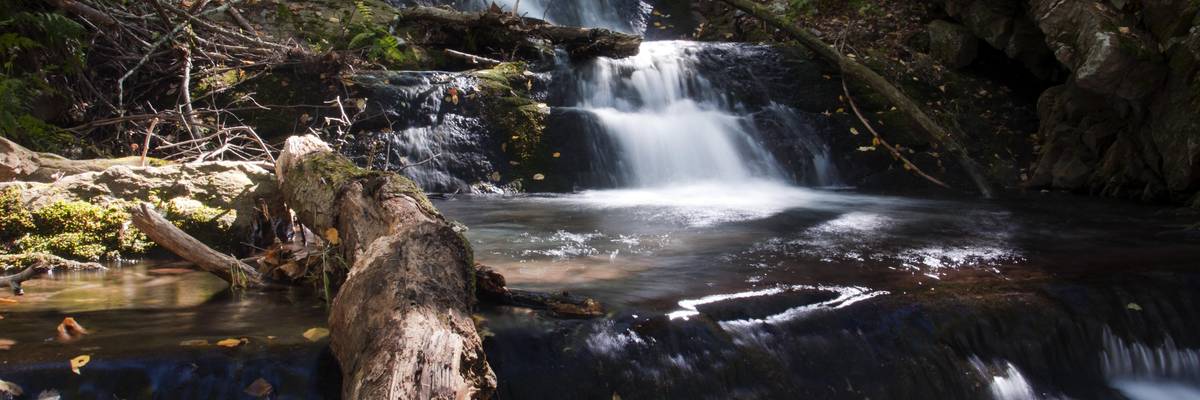
The EPA's intended rollback of the Clean Water Rule could impact the drinking water of 117 million Americans. (MajJar/Flickr/cc)
EPA Head's Plan to Gut Popular Water Rule Condemned as Gift to Polluters
Environment advocates rail against Pruitt's plan
Stirring criticism from environmental groups, Environmental Protection Agency head Scott Pruitt said Tuesday that the Trump administration will take steps to roll back the Clean Water Rule, the Obama-era regulation that grants clear protections to America's waterways and drinking water supplies.
The Clean Water Rule requires oil companies to develop oil spill prevention and response plans, demands that states identify and develop plans to clean up protected waters that don't meet standards, and bans companies from dumping waste into protected waters, among other provisions.
Once again, the Trump Administration has agreed to do the bidding of the worst polluters in our country, and once again it's putting the health of American families and communities at risk."--Michael Brune, Sierra Club
The rule had widespread support from a variety of Americans when it was passed in 2015. According to the American Sustainable Business Council, 71 percent of small business owners said that clean water protections are vital to economic growth. The National Wildlife Council also found that 83 percent of hunting and fishing enthusiasts supported strong water protections, and 87 percent of public comments that were sent to the EPA were supportive of the rule.
Without the Clean Water Rule, the nation's waters will be protected only by the 1972 Clean Water Act, which did not clearly offer protection to two million miles of streams and 20 million acres of wetlands until it was clarified by the 2015 rule.
Oil companies, farmers, and golf course owners are among the few who have come out against the regulation. The American Farm Bureau Association argued in 2015 that the Clean Water Rule was burdensome to farmers who would need a permit to use fertilizer near streams.
In his statement Tuesday, Pruitt said, "We are taking significant action to return power to the states and provide regulatory certainty to our nation's farmers and businesses."
However, the National Resources Defense Council noted that the Trump administartion's deregulatory rollback "ignores the scientific evidence demonstrating how water bodies influence downstream water quality and water flows."
The Sierra Club also released a strong statement against Pruitt's announcement. "Once again, the Trump Administration has agreed to do the bidding of the worst polluters in our country, and once again it's putting the health of American families and communities at risk," said Michael Brune, the group's executive director.
The rule, he continued, "was ready to protect the drinking water of 117 million Americans and then, within a few months of being in office, Donald Trump and Scott Pruitt threw it into the trash bin to appease their polluter allies."
Pruitt's remarks before the House Subcommittee today represent the first concrete sign that President Trump's February 28 executive order asking the EPA to reconsider the Clean Water Rule, could come to fruition.

Urgent. It's never been this bad.
Dear Common Dreams reader, It’s been nearly 30 years since I co-founded Common Dreams with my late wife, Lina Newhouser. We had the radical notion that journalism should serve the public good, not corporate profits. It was clear to us from the outset what it would take to build such a project. No paid advertisements. No corporate sponsors. No millionaire publisher telling us what to think or do. Many people said we wouldn't last a year, but we proved those doubters wrong. Together with a tremendous team of journalists and dedicated staff, we built an independent media outlet free from the constraints of profits and corporate control. Our mission from the outset was simple. To inform. To inspire. To ignite change for the common good. Building Common Dreams was not easy. Our survival was never guaranteed. When you take on the most powerful forces—Wall Street greed, fossil fuel industry destruction, Big Tech lobbyists, and uber-rich oligarchs who have spent billions upon billions rigging the economy and democracy in their favor—the only bulwark you have is supporters who believe in your work. But here’s the urgent message from me today. It’s never been this bad out there. And it’s never been this hard to keep us going. At the very moment Common Dreams is most needed and doing some of its best and most important work, the threats we face are intensifying. Right now, with just three days to go in our Spring Campaign, we're falling short of our make-or-break goal. When everyone does the little they can afford, we are strong. But if that support retreats or dries up, so do we. Can you make a gift right now to make sure Common Dreams not only survives but thrives? There is no backup plan or rainy day fund. There is only you. —Craig Brown, Co-founder |
Stirring criticism from environmental groups, Environmental Protection Agency head Scott Pruitt said Tuesday that the Trump administration will take steps to roll back the Clean Water Rule, the Obama-era regulation that grants clear protections to America's waterways and drinking water supplies.
The Clean Water Rule requires oil companies to develop oil spill prevention and response plans, demands that states identify and develop plans to clean up protected waters that don't meet standards, and bans companies from dumping waste into protected waters, among other provisions.
Once again, the Trump Administration has agreed to do the bidding of the worst polluters in our country, and once again it's putting the health of American families and communities at risk."--Michael Brune, Sierra Club
The rule had widespread support from a variety of Americans when it was passed in 2015. According to the American Sustainable Business Council, 71 percent of small business owners said that clean water protections are vital to economic growth. The National Wildlife Council also found that 83 percent of hunting and fishing enthusiasts supported strong water protections, and 87 percent of public comments that were sent to the EPA were supportive of the rule.
Without the Clean Water Rule, the nation's waters will be protected only by the 1972 Clean Water Act, which did not clearly offer protection to two million miles of streams and 20 million acres of wetlands until it was clarified by the 2015 rule.
Oil companies, farmers, and golf course owners are among the few who have come out against the regulation. The American Farm Bureau Association argued in 2015 that the Clean Water Rule was burdensome to farmers who would need a permit to use fertilizer near streams.
In his statement Tuesday, Pruitt said, "We are taking significant action to return power to the states and provide regulatory certainty to our nation's farmers and businesses."
However, the National Resources Defense Council noted that the Trump administartion's deregulatory rollback "ignores the scientific evidence demonstrating how water bodies influence downstream water quality and water flows."
The Sierra Club also released a strong statement against Pruitt's announcement. "Once again, the Trump Administration has agreed to do the bidding of the worst polluters in our country, and once again it's putting the health of American families and communities at risk," said Michael Brune, the group's executive director.
The rule, he continued, "was ready to protect the drinking water of 117 million Americans and then, within a few months of being in office, Donald Trump and Scott Pruitt threw it into the trash bin to appease their polluter allies."
Pruitt's remarks before the House Subcommittee today represent the first concrete sign that President Trump's February 28 executive order asking the EPA to reconsider the Clean Water Rule, could come to fruition.
Stirring criticism from environmental groups, Environmental Protection Agency head Scott Pruitt said Tuesday that the Trump administration will take steps to roll back the Clean Water Rule, the Obama-era regulation that grants clear protections to America's waterways and drinking water supplies.
The Clean Water Rule requires oil companies to develop oil spill prevention and response plans, demands that states identify and develop plans to clean up protected waters that don't meet standards, and bans companies from dumping waste into protected waters, among other provisions.
Once again, the Trump Administration has agreed to do the bidding of the worst polluters in our country, and once again it's putting the health of American families and communities at risk."--Michael Brune, Sierra Club
The rule had widespread support from a variety of Americans when it was passed in 2015. According to the American Sustainable Business Council, 71 percent of small business owners said that clean water protections are vital to economic growth. The National Wildlife Council also found that 83 percent of hunting and fishing enthusiasts supported strong water protections, and 87 percent of public comments that were sent to the EPA were supportive of the rule.
Without the Clean Water Rule, the nation's waters will be protected only by the 1972 Clean Water Act, which did not clearly offer protection to two million miles of streams and 20 million acres of wetlands until it was clarified by the 2015 rule.
Oil companies, farmers, and golf course owners are among the few who have come out against the regulation. The American Farm Bureau Association argued in 2015 that the Clean Water Rule was burdensome to farmers who would need a permit to use fertilizer near streams.
In his statement Tuesday, Pruitt said, "We are taking significant action to return power to the states and provide regulatory certainty to our nation's farmers and businesses."
However, the National Resources Defense Council noted that the Trump administartion's deregulatory rollback "ignores the scientific evidence demonstrating how water bodies influence downstream water quality and water flows."
The Sierra Club also released a strong statement against Pruitt's announcement. "Once again, the Trump Administration has agreed to do the bidding of the worst polluters in our country, and once again it's putting the health of American families and communities at risk," said Michael Brune, the group's executive director.
The rule, he continued, "was ready to protect the drinking water of 117 million Americans and then, within a few months of being in office, Donald Trump and Scott Pruitt threw it into the trash bin to appease their polluter allies."
Pruitt's remarks before the House Subcommittee today represent the first concrete sign that President Trump's February 28 executive order asking the EPA to reconsider the Clean Water Rule, could come to fruition.