

SUBSCRIBE TO OUR FREE NEWSLETTER
Daily news & progressive opinion—funded by the people, not the corporations—delivered straight to your inbox.
5
#000000
#FFFFFF
To donate by check, phone, or other method, see our More Ways to Give page.


Daily news & progressive opinion—funded by the people, not the corporations—delivered straight to your inbox.
Israel's 10-month moratorium on settlement construction has ended despite international pressure to extend it, sparking fears for the future of Middle East talks.
However, Mahmoud Abbas, the Palestinian president, held back on Monday from quitting the talks, saying that he would first consult with other regional leaders about how to respond.
"We will not have any quick reactions," he said and added that he would weigh his options with the 22-member Arab league next week.
"After this chain of meetings, we might publish a position that clears up the position of the Palestinian and Arab people after Israel has refused to freeze settlements."
The Palestinian leader had repeatedly warned that the talks that were relaunched at the beginning of the month might collapse if Israel resumed building in the occupied territory.
French condemnation
Abbas made his comments after talks with Nicolas Sarkozy, the French president, who reiterated a call for new buildings in the occupied West Bank to stop.
"We regret that the unanimous calls for the moratorium on Israeli settlement building to be extended were not listened to. I deplore this," he said after the meeting in Paris, the French capital.
Sarkozy added that the partial freeze "should have been extended to give negotiation a chance. I say this in front of president Abbas: 'settlement must stop'."
The French leader said he would ask Abbas, Binyamin Netanyahu, Israel's prime minister, and Hosni Mubarak, Egypt's president, to peace talks by the end of October.
Netanyahu had called on Abbas not to abandon the peace talks after the freeze expired at midnight on Sunday.
"I call on president Abbas to continue with the good and honest talks we have just embarked upon, in an attempt to reach a historic peace agreement between our two peoples," Netanyahu said after allowing the partial moratorium on settlement construction to lapse.
However Khaled Meshaal, the exiled leader of Hamas, called on Abbas to uphold his promise and quit the talks.
"I call on my brothers at the Palestinian Authority, who had stated they would not pursue talks with the enemy [Israel] if it continued settlement construction, to hold to their promise," he said on Monday.
"To negotiate without a position of strength is absurd," he added.
Settlers rally
The moratorium ended as the United States urged Israel to extend the freeze, urging a compromise over the end of the ban.
As the freeze ended, around 2,000 people, including hundreds from Netanyahu's own right wing Likud party and a large contingent of flag-waving evangelical Christians, flooded into Revava settlement in the northern West Bank for a rally.
Standing in front of a stage draped with a huge banner emblazoned with the slogan "We salute the pioneers of Judaea and Samaria," the crowds counted down from 10 to zero as the sun set over the hills.
Earlier, settlers laid the cornerstone for a new nursery school in the nearby settlement of Kiryat Netafim in an event organised by Danon, a political hardliner but not a settler himself.
But settlers conceded that despite the symbolic displays, there was unlikely to be a flood of construction.
"We are getting back to business as usual and building but we will respect the prime minister's request," said David Ha'ivri, head of the Samaria regional council.
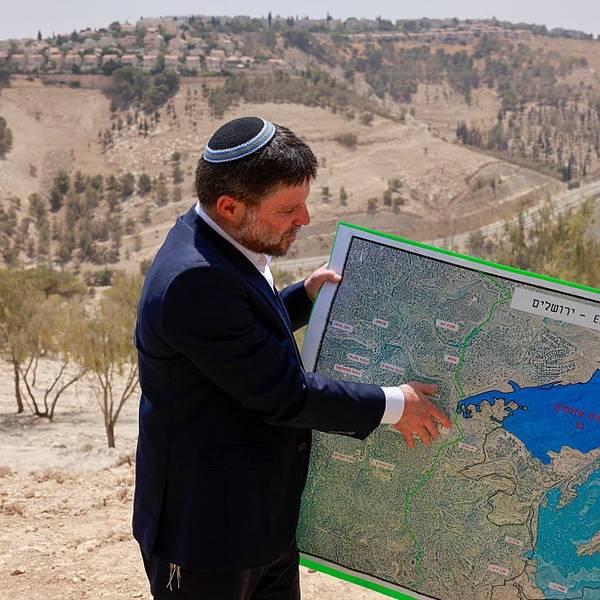
Jewish settlement on occupied Palestinian land is one of the bitterest aspects of the conflict between Israelis and Palestinians.
Currently, around 500,000 Israelis live in more than 120 settlements across the West Bank and east Jerusalem, territories the Palestinians want for their promised state.
A previous round of direct talks collapsed in December 2008 when Israel launched a war on the Gaza Strip.
Source: Agencies
Dear Common Dreams reader, It’s been nearly 30 years since I co-founded Common Dreams with my late wife, Lina Newhouser. We had the radical notion that journalism should serve the public good, not corporate profits. It was clear to us from the outset what it would take to build such a project. No paid advertisements. No corporate sponsors. No millionaire publisher telling us what to think or do. Many people said we wouldn't last a year, but we proved those doubters wrong. Together with a tremendous team of journalists and dedicated staff, we built an independent media outlet free from the constraints of profits and corporate control. Our mission has always been simple: To inform. To inspire. To ignite change for the common good. Building Common Dreams was not easy. Our survival was never guaranteed. When you take on the most powerful forces—Wall Street greed, fossil fuel industry destruction, Big Tech lobbyists, and uber-rich oligarchs who have spent billions upon billions rigging the economy and democracy in their favor—the only bulwark you have is supporters who believe in your work. But here’s the urgent message from me today. It's never been this bad out there. And it's never been this hard to keep us going. At the very moment Common Dreams is most needed, the threats we face are intensifying. We need your support now more than ever. We don't accept corporate advertising and never will. We don't have a paywall because we don't think people should be blocked from critical news based on their ability to pay. Everything we do is funded by the donations of readers like you. When everyone does the little they can afford, we are strong. But if that support retreats or dries up, so do we. Will you donate now to make sure Common Dreams not only survives but thrives? —Craig Brown, Co-founder |
Israel's 10-month moratorium on settlement construction has ended despite international pressure to extend it, sparking fears for the future of Middle East talks.
However, Mahmoud Abbas, the Palestinian president, held back on Monday from quitting the talks, saying that he would first consult with other regional leaders about how to respond.
"We will not have any quick reactions," he said and added that he would weigh his options with the 22-member Arab league next week.
"After this chain of meetings, we might publish a position that clears up the position of the Palestinian and Arab people after Israel has refused to freeze settlements."
The Palestinian leader had repeatedly warned that the talks that were relaunched at the beginning of the month might collapse if Israel resumed building in the occupied territory.
French condemnation
Abbas made his comments after talks with Nicolas Sarkozy, the French president, who reiterated a call for new buildings in the occupied West Bank to stop.
"We regret that the unanimous calls for the moratorium on Israeli settlement building to be extended were not listened to. I deplore this," he said after the meeting in Paris, the French capital.
Sarkozy added that the partial freeze "should have been extended to give negotiation a chance. I say this in front of president Abbas: 'settlement must stop'."
The French leader said he would ask Abbas, Binyamin Netanyahu, Israel's prime minister, and Hosni Mubarak, Egypt's president, to peace talks by the end of October.
Netanyahu had called on Abbas not to abandon the peace talks after the freeze expired at midnight on Sunday.
"I call on president Abbas to continue with the good and honest talks we have just embarked upon, in an attempt to reach a historic peace agreement between our two peoples," Netanyahu said after allowing the partial moratorium on settlement construction to lapse.
However Khaled Meshaal, the exiled leader of Hamas, called on Abbas to uphold his promise and quit the talks.
"I call on my brothers at the Palestinian Authority, who had stated they would not pursue talks with the enemy [Israel] if it continued settlement construction, to hold to their promise," he said on Monday.
"To negotiate without a position of strength is absurd," he added.
Settlers rally
The moratorium ended as the United States urged Israel to extend the freeze, urging a compromise over the end of the ban.
As the freeze ended, around 2,000 people, including hundreds from Netanyahu's own right wing Likud party and a large contingent of flag-waving evangelical Christians, flooded into Revava settlement in the northern West Bank for a rally.
Standing in front of a stage draped with a huge banner emblazoned with the slogan "We salute the pioneers of Judaea and Samaria," the crowds counted down from 10 to zero as the sun set over the hills.
Earlier, settlers laid the cornerstone for a new nursery school in the nearby settlement of Kiryat Netafim in an event organised by Danon, a political hardliner but not a settler himself.
But settlers conceded that despite the symbolic displays, there was unlikely to be a flood of construction.
"We are getting back to business as usual and building but we will respect the prime minister's request," said David Ha'ivri, head of the Samaria regional council.
Jewish settlement on occupied Palestinian land is one of the bitterest aspects of the conflict between Israelis and Palestinians.
Currently, around 500,000 Israelis live in more than 120 settlements across the West Bank and east Jerusalem, territories the Palestinians want for their promised state.
A previous round of direct talks collapsed in December 2008 when Israel launched a war on the Gaza Strip.
Source: Agencies
Israel's 10-month moratorium on settlement construction has ended despite international pressure to extend it, sparking fears for the future of Middle East talks.
However, Mahmoud Abbas, the Palestinian president, held back on Monday from quitting the talks, saying that he would first consult with other regional leaders about how to respond.
"We will not have any quick reactions," he said and added that he would weigh his options with the 22-member Arab league next week.
"After this chain of meetings, we might publish a position that clears up the position of the Palestinian and Arab people after Israel has refused to freeze settlements."
The Palestinian leader had repeatedly warned that the talks that were relaunched at the beginning of the month might collapse if Israel resumed building in the occupied territory.
French condemnation
Abbas made his comments after talks with Nicolas Sarkozy, the French president, who reiterated a call for new buildings in the occupied West Bank to stop.
"We regret that the unanimous calls for the moratorium on Israeli settlement building to be extended were not listened to. I deplore this," he said after the meeting in Paris, the French capital.
Sarkozy added that the partial freeze "should have been extended to give negotiation a chance. I say this in front of president Abbas: 'settlement must stop'."
The French leader said he would ask Abbas, Binyamin Netanyahu, Israel's prime minister, and Hosni Mubarak, Egypt's president, to peace talks by the end of October.
Netanyahu had called on Abbas not to abandon the peace talks after the freeze expired at midnight on Sunday.
"I call on president Abbas to continue with the good and honest talks we have just embarked upon, in an attempt to reach a historic peace agreement between our two peoples," Netanyahu said after allowing the partial moratorium on settlement construction to lapse.
However Khaled Meshaal, the exiled leader of Hamas, called on Abbas to uphold his promise and quit the talks.
"I call on my brothers at the Palestinian Authority, who had stated they would not pursue talks with the enemy [Israel] if it continued settlement construction, to hold to their promise," he said on Monday.
"To negotiate without a position of strength is absurd," he added.
Settlers rally
The moratorium ended as the United States urged Israel to extend the freeze, urging a compromise over the end of the ban.
As the freeze ended, around 2,000 people, including hundreds from Netanyahu's own right wing Likud party and a large contingent of flag-waving evangelical Christians, flooded into Revava settlement in the northern West Bank for a rally.
Standing in front of a stage draped with a huge banner emblazoned with the slogan "We salute the pioneers of Judaea and Samaria," the crowds counted down from 10 to zero as the sun set over the hills.
Earlier, settlers laid the cornerstone for a new nursery school in the nearby settlement of Kiryat Netafim in an event organised by Danon, a political hardliner but not a settler himself.
But settlers conceded that despite the symbolic displays, there was unlikely to be a flood of construction.
"We are getting back to business as usual and building but we will respect the prime minister's request," said David Ha'ivri, head of the Samaria regional council.
Jewish settlement on occupied Palestinian land is one of the bitterest aspects of the conflict between Israelis and Palestinians.
Currently, around 500,000 Israelis live in more than 120 settlements across the West Bank and east Jerusalem, territories the Palestinians want for their promised state.
A previous round of direct talks collapsed in December 2008 when Israel launched a war on the Gaza Strip.
Source: Agencies