
Soaring Food Prices Amplify Misery in Pakistan
Food prices have skyrocketed in Pakistan at the
start of the Muslim fasting month of Ramadan, after vast stretches of
crops were destroyed by flooding.
The rising prices threaten to amplify misery in a country where many
residents were already mired in poverty before some of the country's
worst flooding in 80 years struck.
Food prices have skyrocketed in Pakistan at the
start of the Muslim fasting month of Ramadan, after vast stretches of
crops were destroyed by flooding.
The rising prices threaten to amplify misery in a country where many
residents were already mired in poverty before some of the country's
worst flooding in 80 years struck.
The prices of basic items such as tomatoes,
onions, potatoes and squash have in some cases quadrupled in recent
days, putting them out of reach for many Pakistanis.
At least 1.4 million acres of crops were destroyed in Punjab, the breadbasket of Pakistan, according to the United Nations.
Crops destroyed
Many more crops were devastated in the northwest, where residents
were still trying to recover from intense battles between the Taliban
and the army last year.
At least 4 million people will need food assistance across Pakistan for the next three months at a cost of nearly $100 million.
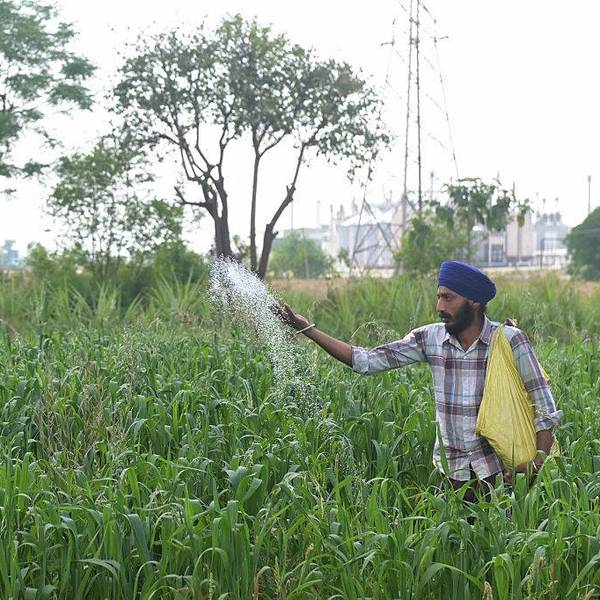
Farmers have returned to find their fields and crops destroyed.
"I had 200 kilos of corn at my home which the flood took away with
it," said Dil Aram Khan, a farmer from Pirpai in Nowshera District.
"All of our wealth is destroyed along with our wheat."
An official in Pakistan's northwestern province of Khyber Pakhtunkhwa
said maize, rice, sugarcane and vegetable crops were the most affected.
Another farmer said he used to hand any excess produce to the poor.
"Now the situation is this that we ourselves are waiting for charity," Iltaf Hussain Kakar said.
The desperate situation, however, was not deterring Pakistanis from undertaking the Muslim fast in the holy month of Ramadan.
"We will fast but we don't know how will we break the fast, whether
we will find any food or not. Only Allah knows," Nusrat Shah,
a displaced Pakistani in Sukkur, told the Reuters news agency.
Fakhar Zaman, a businessman in Swat Valley, said: "You know the people of Swat, they would never skip fasting."
Call to reject aid
Pakistan's Taliban, meanwhile, have denounced all foreign aid for
flood victims and said they can match the latest US pledge of $20
million.
"We condemn American and other foreign aid and believe that it will
lead to subjugation. Our jihad against America will continue," a
spokesman for the group, Azam Tariq, told the AFP news agency. "The
government should not accept American aid and if it happens, we can
give $20 million to them as aid for the flood victims," he said.
"We will ourselves distribute relief under leadership of our chief
Hakimullah Mehsud among the people, if the government assures us that
none of our members will be arrested."
The US announced on Tuesday it would increase its flood aid by another $20 million to $55 million.
Daniel Feldman, a senior US State Department official working on
Afghanistan and Pakistan, dismissed reports of extremist groups
providing aid to needy Pakistanis as "quite overblown".
Referring to US efforts to win public support in a country where
anti-American feeling runs high, Ward said the US government tries to
"brand as much as possible" of its aid. "In this crisis, in the
face of this disaster, we very much want the Pakistani people to know
that the people of the United States are behind them, are helping," Ward
said.
FINAL DAY! This is urgent.
Dear Common Dreams reader, It’s been nearly 30 years since I co-founded Common Dreams with my late wife, Lina Newhouser. We had the radical notion that journalism should serve the public good, not corporate profits. It was clear to us from the outset what it would take to build such a project. No paid advertisements. No corporate sponsors. No millionaire publisher telling us what to think or do. Many people said we wouldn't last a year, but we proved those doubters wrong. Together with a tremendous team of journalists and dedicated staff, we built an independent media outlet free from the constraints of profits and corporate control. Our mission from the outset was simple. To inform. To inspire. To ignite change for the common good. Building Common Dreams was not easy. Our survival was never guaranteed. When you take on the most powerful forces—Wall Street greed, fossil fuel industry destruction, Big Tech lobbyists, and uber-rich oligarchs who have spent billions upon billions rigging the economy and democracy in their favor—the only bulwark you have is supporters who believe in your work. But here’s the urgent message from me today. It’s never been this bad out there. And it’s never been this hard to keep us going. At the very moment Common Dreams is most needed and doing some of its best and most important work, the threats we face are intensifying. Right now, with just hours left in our Spring Campaign, we're still falling short of our make-or-break goal. When everyone does the little they can afford, we are strong. But if that support retreats or dries up, so do we. Can you make a gift right now to make sure Common Dreams not only survives but thrives? There is no backup plan or rainy day fund. There is only you. —Craig Brown, Co-founder |
Food prices have skyrocketed in Pakistan at the
start of the Muslim fasting month of Ramadan, after vast stretches of
crops were destroyed by flooding.
The rising prices threaten to amplify misery in a country where many
residents were already mired in poverty before some of the country's
worst flooding in 80 years struck.
The prices of basic items such as tomatoes,
onions, potatoes and squash have in some cases quadrupled in recent
days, putting them out of reach for many Pakistanis.
At least 1.4 million acres of crops were destroyed in Punjab, the breadbasket of Pakistan, according to the United Nations.
Crops destroyed
Many more crops were devastated in the northwest, where residents
were still trying to recover from intense battles between the Taliban
and the army last year.
At least 4 million people will need food assistance across Pakistan for the next three months at a cost of nearly $100 million.
Farmers have returned to find their fields and crops destroyed.
"I had 200 kilos of corn at my home which the flood took away with
it," said Dil Aram Khan, a farmer from Pirpai in Nowshera District.
"All of our wealth is destroyed along with our wheat."
An official in Pakistan's northwestern province of Khyber Pakhtunkhwa
said maize, rice, sugarcane and vegetable crops were the most affected.
Another farmer said he used to hand any excess produce to the poor.
"Now the situation is this that we ourselves are waiting for charity," Iltaf Hussain Kakar said.
The desperate situation, however, was not deterring Pakistanis from undertaking the Muslim fast in the holy month of Ramadan.
"We will fast but we don't know how will we break the fast, whether
we will find any food or not. Only Allah knows," Nusrat Shah,
a displaced Pakistani in Sukkur, told the Reuters news agency.
Fakhar Zaman, a businessman in Swat Valley, said: "You know the people of Swat, they would never skip fasting."
Call to reject aid
Pakistan's Taliban, meanwhile, have denounced all foreign aid for
flood victims and said they can match the latest US pledge of $20
million.
"We condemn American and other foreign aid and believe that it will
lead to subjugation. Our jihad against America will continue," a
spokesman for the group, Azam Tariq, told the AFP news agency. "The
government should not accept American aid and if it happens, we can
give $20 million to them as aid for the flood victims," he said.
"We will ourselves distribute relief under leadership of our chief
Hakimullah Mehsud among the people, if the government assures us that
none of our members will be arrested."
The US announced on Tuesday it would increase its flood aid by another $20 million to $55 million.
Daniel Feldman, a senior US State Department official working on
Afghanistan and Pakistan, dismissed reports of extremist groups
providing aid to needy Pakistanis as "quite overblown".
Referring to US efforts to win public support in a country where
anti-American feeling runs high, Ward said the US government tries to
"brand as much as possible" of its aid. "In this crisis, in the
face of this disaster, we very much want the Pakistani people to know
that the people of the United States are behind them, are helping," Ward
said.
Food prices have skyrocketed in Pakistan at the
start of the Muslim fasting month of Ramadan, after vast stretches of
crops were destroyed by flooding.
The rising prices threaten to amplify misery in a country where many
residents were already mired in poverty before some of the country's
worst flooding in 80 years struck.
The prices of basic items such as tomatoes,
onions, potatoes and squash have in some cases quadrupled in recent
days, putting them out of reach for many Pakistanis.
At least 1.4 million acres of crops were destroyed in Punjab, the breadbasket of Pakistan, according to the United Nations.
Crops destroyed
Many more crops were devastated in the northwest, where residents
were still trying to recover from intense battles between the Taliban
and the army last year.
At least 4 million people will need food assistance across Pakistan for the next three months at a cost of nearly $100 million.
Farmers have returned to find their fields and crops destroyed.
"I had 200 kilos of corn at my home which the flood took away with
it," said Dil Aram Khan, a farmer from Pirpai in Nowshera District.
"All of our wealth is destroyed along with our wheat."
An official in Pakistan's northwestern province of Khyber Pakhtunkhwa
said maize, rice, sugarcane and vegetable crops were the most affected.
Another farmer said he used to hand any excess produce to the poor.
"Now the situation is this that we ourselves are waiting for charity," Iltaf Hussain Kakar said.
The desperate situation, however, was not deterring Pakistanis from undertaking the Muslim fast in the holy month of Ramadan.
"We will fast but we don't know how will we break the fast, whether
we will find any food or not. Only Allah knows," Nusrat Shah,
a displaced Pakistani in Sukkur, told the Reuters news agency.
Fakhar Zaman, a businessman in Swat Valley, said: "You know the people of Swat, they would never skip fasting."
Call to reject aid
Pakistan's Taliban, meanwhile, have denounced all foreign aid for
flood victims and said they can match the latest US pledge of $20
million.
"We condemn American and other foreign aid and believe that it will
lead to subjugation. Our jihad against America will continue," a
spokesman for the group, Azam Tariq, told the AFP news agency. "The
government should not accept American aid and if it happens, we can
give $20 million to them as aid for the flood victims," he said.
"We will ourselves distribute relief under leadership of our chief
Hakimullah Mehsud among the people, if the government assures us that
none of our members will be arrested."
The US announced on Tuesday it would increase its flood aid by another $20 million to $55 million.
Daniel Feldman, a senior US State Department official working on
Afghanistan and Pakistan, dismissed reports of extremist groups
providing aid to needy Pakistanis as "quite overblown".
Referring to US efforts to win public support in a country where
anti-American feeling runs high, Ward said the US government tries to
"brand as much as possible" of its aid. "In this crisis, in the
face of this disaster, we very much want the Pakistani people to know
that the people of the United States are behind them, are helping," Ward
said.