US Funds Apartheid Roads on West Bank
RAMALLAH - The United States Agency for International Development (USAID) is helping Israel to construct an apartheid road infrastructure in the occupied Palestinian West Bank by financing nearly a quarter of the segregated road system primarily for the benefit of Israeli settlers.
USAID's figures state that the agency has financed 235 km of roads in the West Bank in the past decade, and is preparing to add another 120 km by the end of this year, reported Nazareth-based journalist Jonathan Cook in the United Arab Emirates paper 'The National'.
RAMALLAH - The United States Agency for International Development (USAID) is helping Israel to construct an apartheid road infrastructure in the occupied Palestinian West Bank by financing nearly a quarter of the segregated road system primarily for the benefit of Israeli settlers.
USAID's figures state that the agency has financed 235 km of roads in the West Bank in the past decade, and is preparing to add another 120 km by the end of this year, reported Nazareth-based journalist Jonathan Cook in the United Arab Emirates paper 'The National'.
According to an April report released by the Applied Research Institute of Jerusalem (ARIJ), USAID has helped build 114 km of segregated roads in the Palestinian territory despite assurances from Washington six years ago that it would not assist in the construction after the Palestinian Authority (PA) protested.
Israeli human rights organization B'Tselem reports that 170 km of roads in the West Bank are either off-limits to Palestinians or highly restricted.
After the Oslo Peace Accord in 1994, Israel requested the international community to finance 500 km of roads for the Palestinians, later termed 'fabric of life' roads, including upgrading agricultural tracks and constructing many underpasses and bridges, at a cost of 200 million US dollars, reported Cook.
However, donor countries rejected this request due to PA's protests that the entrenched apartheid-system infrastructure would strengthen the settlements and make their presence a permanent fixture while justifying more expropriation of Palestinian land.
But it would appear that the PA has been railroaded, at the behest of Israel, into accepting USAID in a take it or leave it scenario.
"What happens is that USAID presents a package deal of donations for infrastructure projects in the West Bank and the Palestinians are faced with a choice of take it or leave it. That way the PA is cornered into accepting roads it does not want," says Suheil Khalilieh from ARIJ.
In 2004 Israel started building the segregated road system which allows Israeli settlers exclusive use of highways which link illegal Israeli settlements with towns and cities in Israel proper, making the journeys fast and efficient.
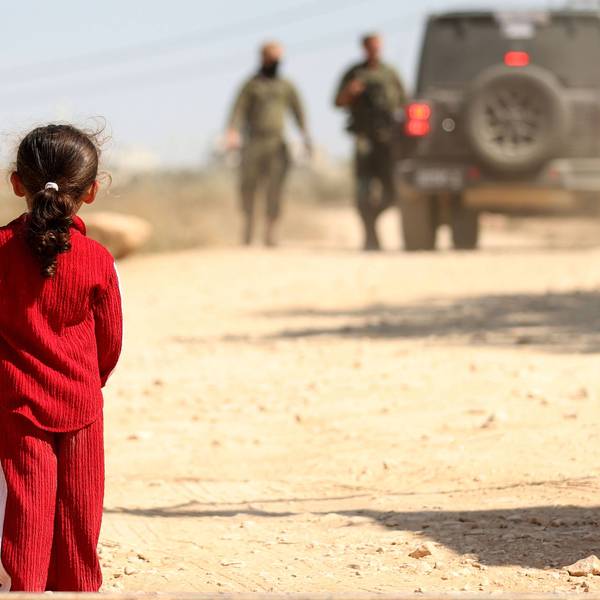
Palestinians are forced to use poorly-maintained smaller roads full of potholes and sometimes even dirt tracks.
These circuitous roads - designed specifically for settler "security" - take longer and impede Palestinian movement and access to family, educational, medical, and business facilities.
Many of the roads have been built on privately-owned Palestinian land. Farmland has been expropriated in some cases while in other cases Palestinian homes and buildings were demolished to make way for the apartheid roads.
The Israeli court ordered one of the West Bank's major highways to be opened to Palestinian traffic after the case was brought to court.
However, the Israeli Defense Forces (IDF) overruled the court's decision, saying only part of the highway would be open to Palestinian traffic and only after the motorists had passed through a security checkpoint where the traffic would join the highway.
The World Bank reports that the hundreds of Israeli checkpoints and roadblocks in the West Bank negatively impact the Palestinian economy and impede economic growth.
The lack of a comprehensive and integrated road infrastructure also makes the establishment of a contiguous Palestinian state more difficult. At present the West Bank is basically broken up into three cantons or Bantustans.
Meanwhile, Al Jazeera reports that, "USAID is planning to inject 153 million dollars into West Bank infrastructure projects this year.
"This is a significant increase from 2009's 65 million dollars. Furthermore, since 1993, the U.S. agency has pumped 2.9 billion dollars into the Occupied Territories. This aid has gone into various sectors including youth and education; democracy and governance and trade and economic development."
But human rights organizations have questioned the extensive military and financial aid given to Palestinian security forces by the Americans while the routine abuses of Palestinians by PA President Mahmoud Abbas' security forces are ignored.
Political opponents of the pro-West PA are regularly abused and tortured in PA jails with a number dying in custody under questionable circumstances.
According to Britain's 'Guardian' newspaper Palestinian security forces have been working closely with the CIA to torture Palestinian dissenters. When Palestinians killed a settler last December, Abbas' forces worked "overtime" to find the culprits arresting hundreds in the process.
While USAID has been linked to CIA operations in Latin America and in Asia in the past there are only rumors of similar connections in the Palestinian territories.
"The bulk of USAID money is used for political purposes, such as in Israel, Egypt, Palestine, and Jordan in the Middle East, and Bolivia, Peru, and Colombia for the drug war," says Ludwig Rudel who worked for USAID for 25 years.
Samer Shehata, assistant professor of Arab Politics Center for Contemporary Arab Studies at the Edmund A. Walsh School of Foreign Service at Georgetown University, said most bilateral aid is certainly somewhat political.
"USAID program is not the exception by any means - in fact, it is much more political than the bilateral aid programmes of most European countries,'' says Shehata.
Last year Gaza's Islamic University released a study: 'Reality of NGOs, Prospects and Challenges; The effect of USAID funding in developing the Palestinian community'.
According to the study, "USAID funding has a positive effect in developing Palestinian NGOs capacity and in supporting the Palestinian community, despite it being conditional and sometimes according to the U.S.' political agenda in determining intervention, which in some cases, does not comply with Palestinian priorities."
"However, USAID funding does not reduce the Palestinian economy's vulnerability and dependency on external factors. Nor does it limit the negative affect of the Israeli occupation or compensate for the damages and losses inflicted."
An Urgent Message From Our Co-Founder
Dear Common Dreams reader, It’s been nearly 30 years since I co-founded Common Dreams with my late wife, Lina Newhouser. We had the radical notion that journalism should serve the public good, not corporate profits. It was clear to us from the outset what it would take to build such a project. No paid advertisements. No corporate sponsors. No millionaire publisher telling us what to think or do. Many people said we wouldn't last a year, but we proved those doubters wrong. Together with a tremendous team of journalists and dedicated staff, we built an independent media outlet free from the constraints of profits and corporate control. Our mission has always been simple: To inform. To inspire. To ignite change for the common good. Building Common Dreams was not easy. Our survival was never guaranteed. When you take on the most powerful forces—Wall Street greed, fossil fuel industry destruction, Big Tech lobbyists, and uber-rich oligarchs who have spent billions upon billions rigging the economy and democracy in their favor—the only bulwark you have is supporters who believe in your work. But here’s the urgent message from me today. It's never been this bad out there. And it's never been this hard to keep us going. At the very moment Common Dreams is most needed, the threats we face are intensifying. We need your support now more than ever. We don't accept corporate advertising and never will. We don't have a paywall because we don't think people should be blocked from critical news based on their ability to pay. Everything we do is funded by the donations of readers like you. When everyone does the little they can afford, we are strong. But if that support retreats or dries up, so do we. Will you donate now to make sure Common Dreams not only survives but thrives? —Craig Brown, Co-founder |
RAMALLAH - The United States Agency for International Development (USAID) is helping Israel to construct an apartheid road infrastructure in the occupied Palestinian West Bank by financing nearly a quarter of the segregated road system primarily for the benefit of Israeli settlers.
USAID's figures state that the agency has financed 235 km of roads in the West Bank in the past decade, and is preparing to add another 120 km by the end of this year, reported Nazareth-based journalist Jonathan Cook in the United Arab Emirates paper 'The National'.
According to an April report released by the Applied Research Institute of Jerusalem (ARIJ), USAID has helped build 114 km of segregated roads in the Palestinian territory despite assurances from Washington six years ago that it would not assist in the construction after the Palestinian Authority (PA) protested.
Israeli human rights organization B'Tselem reports that 170 km of roads in the West Bank are either off-limits to Palestinians or highly restricted.
After the Oslo Peace Accord in 1994, Israel requested the international community to finance 500 km of roads for the Palestinians, later termed 'fabric of life' roads, including upgrading agricultural tracks and constructing many underpasses and bridges, at a cost of 200 million US dollars, reported Cook.
However, donor countries rejected this request due to PA's protests that the entrenched apartheid-system infrastructure would strengthen the settlements and make their presence a permanent fixture while justifying more expropriation of Palestinian land.
But it would appear that the PA has been railroaded, at the behest of Israel, into accepting USAID in a take it or leave it scenario.
"What happens is that USAID presents a package deal of donations for infrastructure projects in the West Bank and the Palestinians are faced with a choice of take it or leave it. That way the PA is cornered into accepting roads it does not want," says Suheil Khalilieh from ARIJ.
In 2004 Israel started building the segregated road system which allows Israeli settlers exclusive use of highways which link illegal Israeli settlements with towns and cities in Israel proper, making the journeys fast and efficient.
Palestinians are forced to use poorly-maintained smaller roads full of potholes and sometimes even dirt tracks.
These circuitous roads - designed specifically for settler "security" - take longer and impede Palestinian movement and access to family, educational, medical, and business facilities.
Many of the roads have been built on privately-owned Palestinian land. Farmland has been expropriated in some cases while in other cases Palestinian homes and buildings were demolished to make way for the apartheid roads.
The Israeli court ordered one of the West Bank's major highways to be opened to Palestinian traffic after the case was brought to court.
However, the Israeli Defense Forces (IDF) overruled the court's decision, saying only part of the highway would be open to Palestinian traffic and only after the motorists had passed through a security checkpoint where the traffic would join the highway.
The World Bank reports that the hundreds of Israeli checkpoints and roadblocks in the West Bank negatively impact the Palestinian economy and impede economic growth.
The lack of a comprehensive and integrated road infrastructure also makes the establishment of a contiguous Palestinian state more difficult. At present the West Bank is basically broken up into three cantons or Bantustans.
Meanwhile, Al Jazeera reports that, "USAID is planning to inject 153 million dollars into West Bank infrastructure projects this year.
"This is a significant increase from 2009's 65 million dollars. Furthermore, since 1993, the U.S. agency has pumped 2.9 billion dollars into the Occupied Territories. This aid has gone into various sectors including youth and education; democracy and governance and trade and economic development."
But human rights organizations have questioned the extensive military and financial aid given to Palestinian security forces by the Americans while the routine abuses of Palestinians by PA President Mahmoud Abbas' security forces are ignored.
Political opponents of the pro-West PA are regularly abused and tortured in PA jails with a number dying in custody under questionable circumstances.
According to Britain's 'Guardian' newspaper Palestinian security forces have been working closely with the CIA to torture Palestinian dissenters. When Palestinians killed a settler last December, Abbas' forces worked "overtime" to find the culprits arresting hundreds in the process.
While USAID has been linked to CIA operations in Latin America and in Asia in the past there are only rumors of similar connections in the Palestinian territories.
"The bulk of USAID money is used for political purposes, such as in Israel, Egypt, Palestine, and Jordan in the Middle East, and Bolivia, Peru, and Colombia for the drug war," says Ludwig Rudel who worked for USAID for 25 years.
Samer Shehata, assistant professor of Arab Politics Center for Contemporary Arab Studies at the Edmund A. Walsh School of Foreign Service at Georgetown University, said most bilateral aid is certainly somewhat political.
"USAID program is not the exception by any means - in fact, it is much more political than the bilateral aid programmes of most European countries,'' says Shehata.
Last year Gaza's Islamic University released a study: 'Reality of NGOs, Prospects and Challenges; The effect of USAID funding in developing the Palestinian community'.
According to the study, "USAID funding has a positive effect in developing Palestinian NGOs capacity and in supporting the Palestinian community, despite it being conditional and sometimes according to the U.S.' political agenda in determining intervention, which in some cases, does not comply with Palestinian priorities."
"However, USAID funding does not reduce the Palestinian economy's vulnerability and dependency on external factors. Nor does it limit the negative affect of the Israeli occupation or compensate for the damages and losses inflicted."
RAMALLAH - The United States Agency for International Development (USAID) is helping Israel to construct an apartheid road infrastructure in the occupied Palestinian West Bank by financing nearly a quarter of the segregated road system primarily for the benefit of Israeli settlers.
USAID's figures state that the agency has financed 235 km of roads in the West Bank in the past decade, and is preparing to add another 120 km by the end of this year, reported Nazareth-based journalist Jonathan Cook in the United Arab Emirates paper 'The National'.
According to an April report released by the Applied Research Institute of Jerusalem (ARIJ), USAID has helped build 114 km of segregated roads in the Palestinian territory despite assurances from Washington six years ago that it would not assist in the construction after the Palestinian Authority (PA) protested.
Israeli human rights organization B'Tselem reports that 170 km of roads in the West Bank are either off-limits to Palestinians or highly restricted.
After the Oslo Peace Accord in 1994, Israel requested the international community to finance 500 km of roads for the Palestinians, later termed 'fabric of life' roads, including upgrading agricultural tracks and constructing many underpasses and bridges, at a cost of 200 million US dollars, reported Cook.
However, donor countries rejected this request due to PA's protests that the entrenched apartheid-system infrastructure would strengthen the settlements and make their presence a permanent fixture while justifying more expropriation of Palestinian land.
But it would appear that the PA has been railroaded, at the behest of Israel, into accepting USAID in a take it or leave it scenario.
"What happens is that USAID presents a package deal of donations for infrastructure projects in the West Bank and the Palestinians are faced with a choice of take it or leave it. That way the PA is cornered into accepting roads it does not want," says Suheil Khalilieh from ARIJ.
In 2004 Israel started building the segregated road system which allows Israeli settlers exclusive use of highways which link illegal Israeli settlements with towns and cities in Israel proper, making the journeys fast and efficient.
Palestinians are forced to use poorly-maintained smaller roads full of potholes and sometimes even dirt tracks.
These circuitous roads - designed specifically for settler "security" - take longer and impede Palestinian movement and access to family, educational, medical, and business facilities.
Many of the roads have been built on privately-owned Palestinian land. Farmland has been expropriated in some cases while in other cases Palestinian homes and buildings were demolished to make way for the apartheid roads.
The Israeli court ordered one of the West Bank's major highways to be opened to Palestinian traffic after the case was brought to court.
However, the Israeli Defense Forces (IDF) overruled the court's decision, saying only part of the highway would be open to Palestinian traffic and only after the motorists had passed through a security checkpoint where the traffic would join the highway.
The World Bank reports that the hundreds of Israeli checkpoints and roadblocks in the West Bank negatively impact the Palestinian economy and impede economic growth.
The lack of a comprehensive and integrated road infrastructure also makes the establishment of a contiguous Palestinian state more difficult. At present the West Bank is basically broken up into three cantons or Bantustans.
Meanwhile, Al Jazeera reports that, "USAID is planning to inject 153 million dollars into West Bank infrastructure projects this year.
"This is a significant increase from 2009's 65 million dollars. Furthermore, since 1993, the U.S. agency has pumped 2.9 billion dollars into the Occupied Territories. This aid has gone into various sectors including youth and education; democracy and governance and trade and economic development."
But human rights organizations have questioned the extensive military and financial aid given to Palestinian security forces by the Americans while the routine abuses of Palestinians by PA President Mahmoud Abbas' security forces are ignored.
Political opponents of the pro-West PA are regularly abused and tortured in PA jails with a number dying in custody under questionable circumstances.
According to Britain's 'Guardian' newspaper Palestinian security forces have been working closely with the CIA to torture Palestinian dissenters. When Palestinians killed a settler last December, Abbas' forces worked "overtime" to find the culprits arresting hundreds in the process.
While USAID has been linked to CIA operations in Latin America and in Asia in the past there are only rumors of similar connections in the Palestinian territories.
"The bulk of USAID money is used for political purposes, such as in Israel, Egypt, Palestine, and Jordan in the Middle East, and Bolivia, Peru, and Colombia for the drug war," says Ludwig Rudel who worked for USAID for 25 years.
Samer Shehata, assistant professor of Arab Politics Center for Contemporary Arab Studies at the Edmund A. Walsh School of Foreign Service at Georgetown University, said most bilateral aid is certainly somewhat political.
"USAID program is not the exception by any means - in fact, it is much more political than the bilateral aid programmes of most European countries,'' says Shehata.
Last year Gaza's Islamic University released a study: 'Reality of NGOs, Prospects and Challenges; The effect of USAID funding in developing the Palestinian community'.
According to the study, "USAID funding has a positive effect in developing Palestinian NGOs capacity and in supporting the Palestinian community, despite it being conditional and sometimes according to the U.S.' political agenda in determining intervention, which in some cases, does not comply with Palestinian priorities."
"However, USAID funding does not reduce the Palestinian economy's vulnerability and dependency on external factors. Nor does it limit the negative affect of the Israeli occupation or compensate for the damages and losses inflicted."