
'Shame!' Clinton Defends Death Penalty to Man Who Wrongly Served Years on Death Row
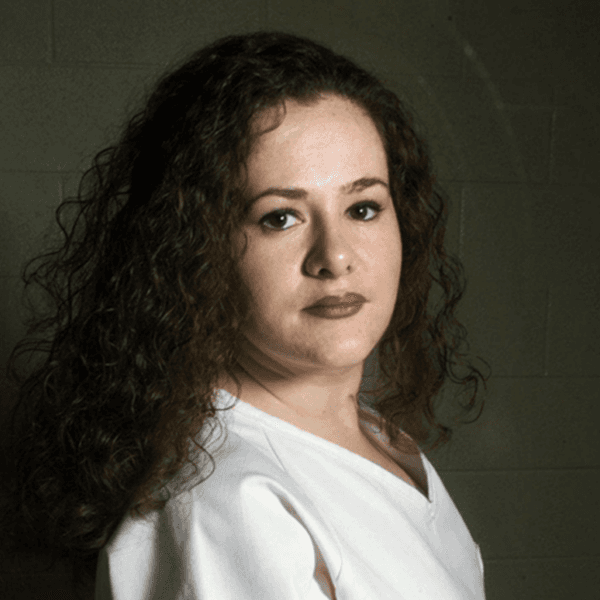
Ricky Jackson, an Ohio man who was wrongfully imprisoned for 39 years, asked Clinton defend her stance on the death penalty at Sunday's town hall
Presidential contender Hillary Clinton was forced to defend her stance on the death penalty at Sunday night's Democratic town hall in Ohio, after being confronted on the issue by a man wrongfully imprisoned for 39 years.
The man was Ricky Jackson, who, upon being freed in 2014, had served more time in prison than any other inmate in the U.S. who has been exonerated.
"I spent some of those years on death row," he told Clinton Sunday night, choking back emotion. "I came perilously close to my own execution."
"In light of what I just shared with you and in light of the fact that there are documented cases of innocent people who have been executed in our country, I would like to know how you can still take your stance on the death penalty," Jackson asked.
Clinton stated in October that she opposes abolishing the death penalty "because I do think there are certain egregious cases that still deserve the consideration of the death penalty, but I'd like to see those be very limited and rare, as opposed to what we've seen in most states."
She struck a similar note on Sunday. Her full response to Jackson is as follows:
You know, this is such a profoundly difficult question. And what I have said and what I continue to believe is that the states have proven themselves incapable of carrying out fair trials that give any defendant all of the rights a defendant should have, all of the support that the defendant's lawyer should have.
And I have said I would breathe a sigh of relief if either the Supreme Court or the states, themselves, began to eliminate the death penalty.
Where I end up is this, and maybe it is distinction that is hard to support, but at this point, given the challenges we face from terrorist activities primarily in our country that end up under federal jurisdiction for very limited purposes, I think that it can still be held in reserve for those.
And the kind of crimes that I am thinking of are the bombing at Oklahoma City, where an American terrorist blew up the government building, killing, as I recall, 158 Americans, including a number of children who were in the preschool program.
The plotters and the people who carried out the attacks on 9/11, but a very limited use of it in cases where there has been horrific mass killings. That is really the exception that I still am struggling with, and that would only be in the federal system.
But what happened to you was a travesty, and I just can't even imagine what you went through and how terrible those days and nights must have been for all of those years.
And I know that all of us are so regretful that you or any person has to go through what you did. And I hope that now that you are standing here before us that you will have whatever path in life you choose going forward and that you will get the support you deserve to have.
While Bernie Sanders was not asked to address the question on Sunday night, he has come out against capital punishment in the past. He said during an MSNBC debate in February:
[A]ll of us know that we have seen in recent years horrible, horrible crimes. It's hard to imagine how people can do, bomb, and kill 168 people in Oklahoma City, or do the Boston Marathon bombing, but this is what I believe, and for a couple of reasons.
Number one, too many innocent people, including minorities, African Americans, have been executed when they were not guilty. That's number one. We have to be very careful about making sure about that.
But, second of all, and maybe, in a deeper reason, of course there are barbaric acts out there. But, in a world of so much violence and killing, I just don't believe that government itself should be part of the killing. So, when somebody commits...any of these terrible crimes that we have seen, you lock them up, and you toss away the key. They're never going to get out. But, I just don't want to see government be part of killing.
After Clinton spoke on Sunday, Jackson was asked whether he was satisfied by her answer and he responded "Yes."
But her convoluted answer drew fire from progressives online, who disagreed with Clinton's position as well as her reasoning.
As Harvard Law Record editor-in-chief Michael Shammas wrote late last month, "as a former defense attorney, Hillary knows better. She knows there's no consistent way to reserve executions for just one sort of 'heinous' crime. She knows, for sure, that no matter how many safeguards there are, innocents will die. As with drone strikes, so with state-sanctioned homicide: There's always collateral damage."
"Secretary Clinton," Shammas declared, "Not just Bernie Sanders, but a majority of Democrats, a fast-growing part of our party, is anti-death."
"Join us," he concluded.
Watch the exchange between Jackson and Clinton below:
We are at a crossroads
This country and this world are at a monumental crossroads. In a few short weeks, US voters will have an opportunity to beat back the forces of fascism and confront the billionaires who are rigging the economy, our media system, and our democracy, making it increasingly impossible for ordinary people to get by. We’re not just talking about the election. We’re talking about what must be done once these fascist elements are vanquished from power. We need a bolder set of solutions than what either major party has so far been willing to offer and a working-class movement ready to fight like hell for it. Trump didn't emerge from nowhere. The conditions that fueled MAGA authoritarianism were created by decades of radical neoliberal economic policies and a corrupt political system dominated by corporate interests. They slashed taxes on the super-rich, promising that the benefits would trickle down. They said giveaways to the corporate titans would make life more affordable for the rest of us. It was all bullshit. And when a bitter, betrayed populace searches for someone to blame, right-wing demagogues have little trouble finding scapegoats. People know when they're being lied to, but you won't hear any of this from the corporate media. Only independent journalism—powered and funded by people who believe in building a better world—can deliver truly trustworthy daily news. Our Fall Campaign is underway, and we need your help. To power our newsroom through the rest of the year, we need to raise $125,000 by midnight on October 31. So if you share our vision, please contribute whatever you can to sustain our work. |
Presidential contender Hillary Clinton was forced to defend her stance on the death penalty at Sunday night's Democratic town hall in Ohio, after being confronted on the issue by a man wrongfully imprisoned for 39 years.
The man was Ricky Jackson, who, upon being freed in 2014, had served more time in prison than any other inmate in the U.S. who has been exonerated.
"I spent some of those years on death row," he told Clinton Sunday night, choking back emotion. "I came perilously close to my own execution."
"In light of what I just shared with you and in light of the fact that there are documented cases of innocent people who have been executed in our country, I would like to know how you can still take your stance on the death penalty," Jackson asked.
Clinton stated in October that she opposes abolishing the death penalty "because I do think there are certain egregious cases that still deserve the consideration of the death penalty, but I'd like to see those be very limited and rare, as opposed to what we've seen in most states."
She struck a similar note on Sunday. Her full response to Jackson is as follows:
You know, this is such a profoundly difficult question. And what I have said and what I continue to believe is that the states have proven themselves incapable of carrying out fair trials that give any defendant all of the rights a defendant should have, all of the support that the defendant's lawyer should have.
And I have said I would breathe a sigh of relief if either the Supreme Court or the states, themselves, began to eliminate the death penalty.
Where I end up is this, and maybe it is distinction that is hard to support, but at this point, given the challenges we face from terrorist activities primarily in our country that end up under federal jurisdiction for very limited purposes, I think that it can still be held in reserve for those.
And the kind of crimes that I am thinking of are the bombing at Oklahoma City, where an American terrorist blew up the government building, killing, as I recall, 158 Americans, including a number of children who were in the preschool program.
The plotters and the people who carried out the attacks on 9/11, but a very limited use of it in cases where there has been horrific mass killings. That is really the exception that I still am struggling with, and that would only be in the federal system.
But what happened to you was a travesty, and I just can't even imagine what you went through and how terrible those days and nights must have been for all of those years.
And I know that all of us are so regretful that you or any person has to go through what you did. And I hope that now that you are standing here before us that you will have whatever path in life you choose going forward and that you will get the support you deserve to have.
While Bernie Sanders was not asked to address the question on Sunday night, he has come out against capital punishment in the past. He said during an MSNBC debate in February:
[A]ll of us know that we have seen in recent years horrible, horrible crimes. It's hard to imagine how people can do, bomb, and kill 168 people in Oklahoma City, or do the Boston Marathon bombing, but this is what I believe, and for a couple of reasons.
Number one, too many innocent people, including minorities, African Americans, have been executed when they were not guilty. That's number one. We have to be very careful about making sure about that.
But, second of all, and maybe, in a deeper reason, of course there are barbaric acts out there. But, in a world of so much violence and killing, I just don't believe that government itself should be part of the killing. So, when somebody commits...any of these terrible crimes that we have seen, you lock them up, and you toss away the key. They're never going to get out. But, I just don't want to see government be part of killing.
After Clinton spoke on Sunday, Jackson was asked whether he was satisfied by her answer and he responded "Yes."
But her convoluted answer drew fire from progressives online, who disagreed with Clinton's position as well as her reasoning.
As Harvard Law Record editor-in-chief Michael Shammas wrote late last month, "as a former defense attorney, Hillary knows better. She knows there's no consistent way to reserve executions for just one sort of 'heinous' crime. She knows, for sure, that no matter how many safeguards there are, innocents will die. As with drone strikes, so with state-sanctioned homicide: There's always collateral damage."
"Secretary Clinton," Shammas declared, "Not just Bernie Sanders, but a majority of Democrats, a fast-growing part of our party, is anti-death."
"Join us," he concluded.
Watch the exchange between Jackson and Clinton below: