

Over 75 percent of the 31 large carnivore species--including lions, dingoes, wolves, otters, and bears--face shrinking numbers, according to a Friday report in the journal Science. Of these, 17 species now live in less than half of the ranges they previously occupied.
Human extermination, as well as a reduction in habitat and prey, are creating "hotspots" of decline, found the scientists--who reviewed studies and singled out the ecological effects of 7 large predators facing steep decline. While southeast Asia, southern and eastern Africa and the Amazon face dwindling numbers, much of western Europe and the eastern United States have already exterminated the huge bulk of their large predators.
"Globally, we are losing our large carnivores," said William Ripple, lead author of the paper and a professor in the Department of Forest Ecosystems and Society at Oregon State University. "Many of them are endangered," he said. "Their ranges are collapsing. Many of these animals are at risk of extinction, either locally or globally. And, ironically, they are vanishing just as we are learning about their important ecological effects."
This decline is throwing off the balance of ecosystems across the globe, say the scientists.
The decrease of cougars and wolves in national parks in North America, including Yellowstone, leads "to an increase in browsing animals such as deer and elk. More browsing disrupts vegetation, shifts birds and small mammals and changes other parts of the ecosystem in a widespread cascade of impacts," according to a summary of the findings.
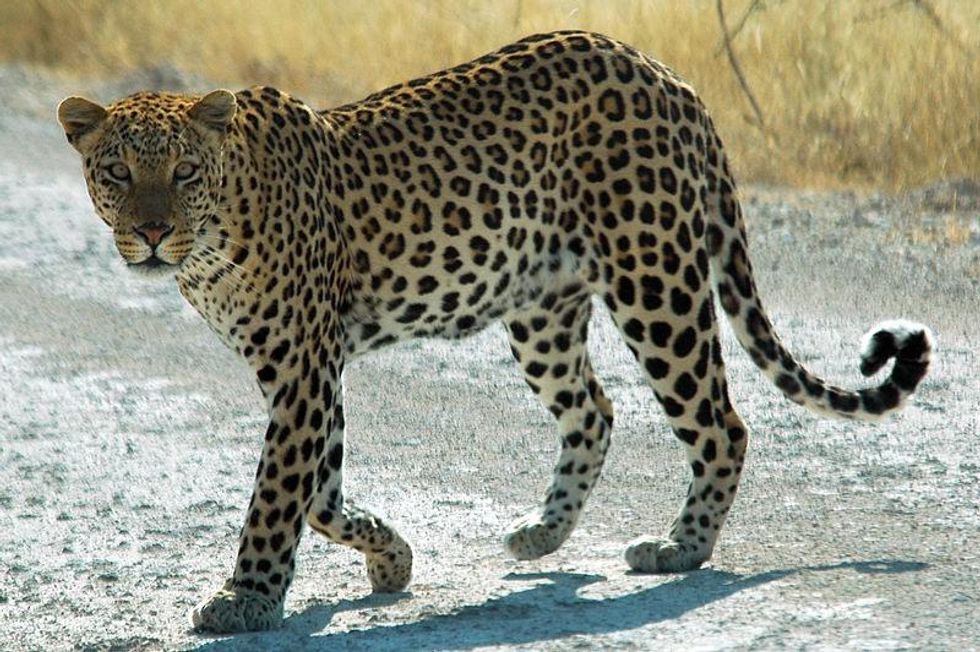
In some areas of Africa, a plummet in lion and leopard populations has led to an increase in olive baboons, which take a toll on human crops and livestock, the scientists find.
The scientists--who hail from Australia, Italy, Sweden, and the United States--document similar effects across the globe.
"Human tolerance of these species is a major issue for conservation," Ripple said. "We say these animals have an intrinsic right to exist, but they are also providing economic and ecological services that people value."
"Nature is highly interconnected."
_____________________
Over 75 percent of the 31 large carnivore species--including lions, dingoes, wolves, otters, and bears--face shrinking numbers, according to a Friday report in the journal Science. Of these, 17 species now live in less than half of the ranges they previously occupied.
Human extermination, as well as a reduction in habitat and prey, are creating "hotspots" of decline, found the scientists--who reviewed studies and singled out the ecological effects of 7 large predators facing steep decline. While southeast Asia, southern and eastern Africa and the Amazon face dwindling numbers, much of western Europe and the eastern United States have already exterminated the huge bulk of their large predators.
"Globally, we are losing our large carnivores," said William Ripple, lead author of the paper and a professor in the Department of Forest Ecosystems and Society at Oregon State University. "Many of them are endangered," he said. "Their ranges are collapsing. Many of these animals are at risk of extinction, either locally or globally. And, ironically, they are vanishing just as we are learning about their important ecological effects."
This decline is throwing off the balance of ecosystems across the globe, say the scientists.
The decrease of cougars and wolves in national parks in North America, including Yellowstone, leads "to an increase in browsing animals such as deer and elk. More browsing disrupts vegetation, shifts birds and small mammals and changes other parts of the ecosystem in a widespread cascade of impacts," according to a summary of the findings.
In some areas of Africa, a plummet in lion and leopard populations has led to an increase in olive baboons, which take a toll on human crops and livestock, the scientists find.
The scientists--who hail from Australia, Italy, Sweden, and the United States--document similar effects across the globe.
"Human tolerance of these species is a major issue for conservation," Ripple said. "We say these animals have an intrinsic right to exist, but they are also providing economic and ecological services that people value."
"Nature is highly interconnected."
_____________________
Over 75 percent of the 31 large carnivore species--including lions, dingoes, wolves, otters, and bears--face shrinking numbers, according to a Friday report in the journal Science. Of these, 17 species now live in less than half of the ranges they previously occupied.
Human extermination, as well as a reduction in habitat and prey, are creating "hotspots" of decline, found the scientists--who reviewed studies and singled out the ecological effects of 7 large predators facing steep decline. While southeast Asia, southern and eastern Africa and the Amazon face dwindling numbers, much of western Europe and the eastern United States have already exterminated the huge bulk of their large predators.
"Globally, we are losing our large carnivores," said William Ripple, lead author of the paper and a professor in the Department of Forest Ecosystems and Society at Oregon State University. "Many of them are endangered," he said. "Their ranges are collapsing. Many of these animals are at risk of extinction, either locally or globally. And, ironically, they are vanishing just as we are learning about their important ecological effects."
This decline is throwing off the balance of ecosystems across the globe, say the scientists.
The decrease of cougars and wolves in national parks in North America, including Yellowstone, leads "to an increase in browsing animals such as deer and elk. More browsing disrupts vegetation, shifts birds and small mammals and changes other parts of the ecosystem in a widespread cascade of impacts," according to a summary of the findings.
In some areas of Africa, a plummet in lion and leopard populations has led to an increase in olive baboons, which take a toll on human crops and livestock, the scientists find.
The scientists--who hail from Australia, Italy, Sweden, and the United States--document similar effects across the globe.
"Human tolerance of these species is a major issue for conservation," Ripple said. "We say these animals have an intrinsic right to exist, but they are also providing economic and ecological services that people value."
"Nature is highly interconnected."
_____________________