SUBSCRIBE TO OUR FREE NEWSLETTER
Daily news & progressive opinion—funded by the people, not the corporations—delivered straight to your inbox.
5
#000000
#FFFFFF
To donate by check, phone, or other method, see our More Ways to Give page.
Daily news & progressive opinion—funded by the people, not the corporations—delivered straight to your inbox.
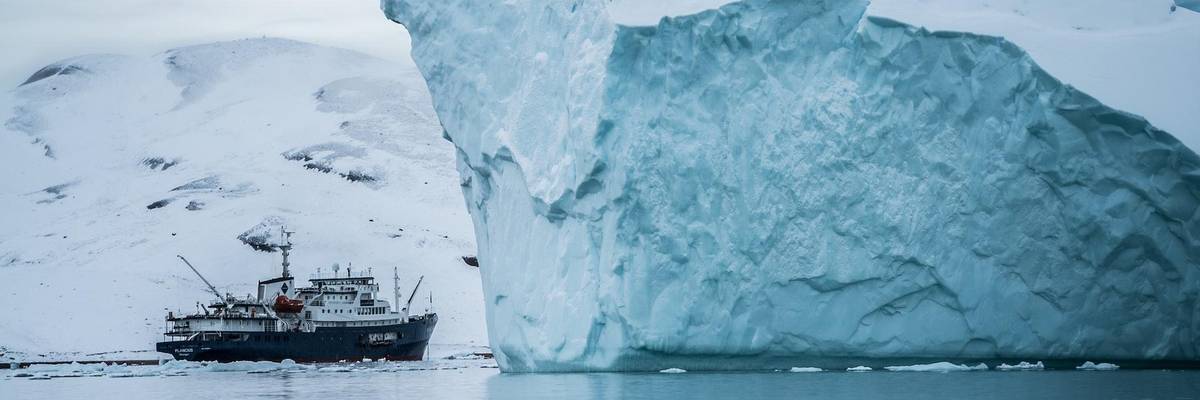
(Photo: Hubert Neufeld via Unsplash)
Set aside for a moment the fact that our profligate use of coal, oil and gas and rampant destruction of green spaces are heating the planet to a point where human life will become increasingly uncomfortable, if not impossible. Climate change costs are also mounting, and pollution, habitat destruction and consumerism are profoundly affecting global human health and survival.
Other than fear of change or of upsetting the status quo, there's no rational reason for the slow pace at which the world is tackling the climate emergency. We'd all be healthier, happier and better off economically by quickly employing the many available and emerging solutions, and working on new ones.
A study co-ordinated by the World Meteorological Organization illustrates our predicament and how we might get out of it -- but we have no time to lose. UN secretary general Antonio Guterres said the "United in Science 2022" report shows we're "heading into uncharted territory of destruction" with mounting climate impacts.
Although governments worldwide have agreed to try to keep the planet from heating more than 1.5 C over pre-industrial levels, the report concludes that's increasingly unlikely -- especially as commitments and actions fall far short of what's needed. It finds a 48 per cent chance that "during at least one year in the next five years, annual mean temperature will temporarily be 1.5deg C higher than in 1850-1900."
It also notes emissions continue to rise and "returned to 2019 pre-pandemic levels after a large, but temporary, absolute drop in emissions due to widespread lockdowns." And it points to the danger of climate "tipping points" that "could have significant global and regional consequences."
"A tipping point is when a temperature threshold is passed, leading to unstoppable change in a climate system, even if global heating ends," the Guardian explains, reporting on another major study that found the world is nearing several "disastrous" tipping points and may have already passed five.
That study identifies nine global and seven regional tipping points, including collapse of the Greenland, west Antarctic and two parts of the east Antarctic ice sheets, partial and total collapse of Atlantic meridional overturning circulation (including the Gulf Stream), Amazon rainforest dieback, permafrost collapse and loss of Arctic winter sea ice.
Collapse of Greenland's ice cap could cause a huge sea level rise, collapse of the Gulf Stream could disrupt rain billions of people depend on for food and abrupt permafrost melting could release methane into the atmosphere, the Guardian reports.
Climate disruption is already causing devastation worldwide, and it will accelerate unless we step up our global game. One-third of Pakistan is deluged in water, Europe has sweltered under punishing heat waves, China, and the U.S. are afflicted with drought and parts of Africa face famine.
According to the "United in Science" report, "By the 2050s, more than 1.6 billion people living in 97 cities will be regularly exposed to three-month average temperatures reaching at least 35C."
"The terrifying picture painted by the United in Science report is already a lived reality for millions of people facing recurring climate disasters," Climate Action Network executive director Tasneem Essop told the Guardian. "The science is clear, yet the addiction to fossil fuels by greedy corporations and rich countries is resulting in losses and damages for communities who have done the least to cause the current climate crisis."
Scientists, activists and others are calling on world leaders to commit to redoubling their efforts when they meet for the COP27 climate conference in Egypt in November, especially on funding for those already suffering under climate change impacts.
Although cost was never an excuse to ignore or downplay climate change, it's become clearer that addressing the crisis is an economic winner. Oxford University researchers found shifting from carbon-intensive fuels could save the world US$12 trillion by 2050.
And, "United in Science" notes, "Climate-related disasters are causing $200m in economic losses a day."
As volatile gas prices, global conflict and the climate emergency illustrate the precarious position of countries with fossil fuel economies, the costs of renewable energy such as wind and solar continue to drop faster than expected.
Acting now is critical and will save lives and money. A better world is possible, but we must come together without delay.
Dear Common Dreams reader, It’s been nearly 30 years since I co-founded Common Dreams with my late wife, Lina Newhouser. We had the radical notion that journalism should serve the public good, not corporate profits. It was clear to us from the outset what it would take to build such a project. No paid advertisements. No corporate sponsors. No millionaire publisher telling us what to think or do. Many people said we wouldn't last a year, but we proved those doubters wrong. Together with a tremendous team of journalists and dedicated staff, we built an independent media outlet free from the constraints of profits and corporate control. Our mission has always been simple: To inform. To inspire. To ignite change for the common good. Building Common Dreams was not easy. Our survival was never guaranteed. When you take on the most powerful forces—Wall Street greed, fossil fuel industry destruction, Big Tech lobbyists, and uber-rich oligarchs who have spent billions upon billions rigging the economy and democracy in their favor—the only bulwark you have is supporters who believe in your work. But here’s the urgent message from me today. It's never been this bad out there. And it's never been this hard to keep us going. At the very moment Common Dreams is most needed, the threats we face are intensifying. We need your support now more than ever. We don't accept corporate advertising and never will. We don't have a paywall because we don't think people should be blocked from critical news based on their ability to pay. Everything we do is funded by the donations of readers like you. When everyone does the little they can afford, we are strong. But if that support retreats or dries up, so do we. Will you donate now to make sure Common Dreams not only survives but thrives? —Craig Brown, Co-founder |
Set aside for a moment the fact that our profligate use of coal, oil and gas and rampant destruction of green spaces are heating the planet to a point where human life will become increasingly uncomfortable, if not impossible. Climate change costs are also mounting, and pollution, habitat destruction and consumerism are profoundly affecting global human health and survival.
Other than fear of change or of upsetting the status quo, there's no rational reason for the slow pace at which the world is tackling the climate emergency. We'd all be healthier, happier and better off economically by quickly employing the many available and emerging solutions, and working on new ones.
A study co-ordinated by the World Meteorological Organization illustrates our predicament and how we might get out of it -- but we have no time to lose. UN secretary general Antonio Guterres said the "United in Science 2022" report shows we're "heading into uncharted territory of destruction" with mounting climate impacts.
Although governments worldwide have agreed to try to keep the planet from heating more than 1.5 C over pre-industrial levels, the report concludes that's increasingly unlikely -- especially as commitments and actions fall far short of what's needed. It finds a 48 per cent chance that "during at least one year in the next five years, annual mean temperature will temporarily be 1.5deg C higher than in 1850-1900."
It also notes emissions continue to rise and "returned to 2019 pre-pandemic levels after a large, but temporary, absolute drop in emissions due to widespread lockdowns." And it points to the danger of climate "tipping points" that "could have significant global and regional consequences."
"A tipping point is when a temperature threshold is passed, leading to unstoppable change in a climate system, even if global heating ends," the Guardian explains, reporting on another major study that found the world is nearing several "disastrous" tipping points and may have already passed five.
That study identifies nine global and seven regional tipping points, including collapse of the Greenland, west Antarctic and two parts of the east Antarctic ice sheets, partial and total collapse of Atlantic meridional overturning circulation (including the Gulf Stream), Amazon rainforest dieback, permafrost collapse and loss of Arctic winter sea ice.
Collapse of Greenland's ice cap could cause a huge sea level rise, collapse of the Gulf Stream could disrupt rain billions of people depend on for food and abrupt permafrost melting could release methane into the atmosphere, the Guardian reports.
Climate disruption is already causing devastation worldwide, and it will accelerate unless we step up our global game. One-third of Pakistan is deluged in water, Europe has sweltered under punishing heat waves, China, and the U.S. are afflicted with drought and parts of Africa face famine.
According to the "United in Science" report, "By the 2050s, more than 1.6 billion people living in 97 cities will be regularly exposed to three-month average temperatures reaching at least 35C."
"The terrifying picture painted by the United in Science report is already a lived reality for millions of people facing recurring climate disasters," Climate Action Network executive director Tasneem Essop told the Guardian. "The science is clear, yet the addiction to fossil fuels by greedy corporations and rich countries is resulting in losses and damages for communities who have done the least to cause the current climate crisis."
Scientists, activists and others are calling on world leaders to commit to redoubling their efforts when they meet for the COP27 climate conference in Egypt in November, especially on funding for those already suffering under climate change impacts.
Although cost was never an excuse to ignore or downplay climate change, it's become clearer that addressing the crisis is an economic winner. Oxford University researchers found shifting from carbon-intensive fuels could save the world US$12 trillion by 2050.
And, "United in Science" notes, "Climate-related disasters are causing $200m in economic losses a day."
As volatile gas prices, global conflict and the climate emergency illustrate the precarious position of countries with fossil fuel economies, the costs of renewable energy such as wind and solar continue to drop faster than expected.
Acting now is critical and will save lives and money. A better world is possible, but we must come together without delay.
Set aside for a moment the fact that our profligate use of coal, oil and gas and rampant destruction of green spaces are heating the planet to a point where human life will become increasingly uncomfortable, if not impossible. Climate change costs are also mounting, and pollution, habitat destruction and consumerism are profoundly affecting global human health and survival.
Other than fear of change or of upsetting the status quo, there's no rational reason for the slow pace at which the world is tackling the climate emergency. We'd all be healthier, happier and better off economically by quickly employing the many available and emerging solutions, and working on new ones.
A study co-ordinated by the World Meteorological Organization illustrates our predicament and how we might get out of it -- but we have no time to lose. UN secretary general Antonio Guterres said the "United in Science 2022" report shows we're "heading into uncharted territory of destruction" with mounting climate impacts.
Although governments worldwide have agreed to try to keep the planet from heating more than 1.5 C over pre-industrial levels, the report concludes that's increasingly unlikely -- especially as commitments and actions fall far short of what's needed. It finds a 48 per cent chance that "during at least one year in the next five years, annual mean temperature will temporarily be 1.5deg C higher than in 1850-1900."
It also notes emissions continue to rise and "returned to 2019 pre-pandemic levels after a large, but temporary, absolute drop in emissions due to widespread lockdowns." And it points to the danger of climate "tipping points" that "could have significant global and regional consequences."
"A tipping point is when a temperature threshold is passed, leading to unstoppable change in a climate system, even if global heating ends," the Guardian explains, reporting on another major study that found the world is nearing several "disastrous" tipping points and may have already passed five.
That study identifies nine global and seven regional tipping points, including collapse of the Greenland, west Antarctic and two parts of the east Antarctic ice sheets, partial and total collapse of Atlantic meridional overturning circulation (including the Gulf Stream), Amazon rainforest dieback, permafrost collapse and loss of Arctic winter sea ice.
Collapse of Greenland's ice cap could cause a huge sea level rise, collapse of the Gulf Stream could disrupt rain billions of people depend on for food and abrupt permafrost melting could release methane into the atmosphere, the Guardian reports.
Climate disruption is already causing devastation worldwide, and it will accelerate unless we step up our global game. One-third of Pakistan is deluged in water, Europe has sweltered under punishing heat waves, China, and the U.S. are afflicted with drought and parts of Africa face famine.
According to the "United in Science" report, "By the 2050s, more than 1.6 billion people living in 97 cities will be regularly exposed to three-month average temperatures reaching at least 35C."
"The terrifying picture painted by the United in Science report is already a lived reality for millions of people facing recurring climate disasters," Climate Action Network executive director Tasneem Essop told the Guardian. "The science is clear, yet the addiction to fossil fuels by greedy corporations and rich countries is resulting in losses and damages for communities who have done the least to cause the current climate crisis."
Scientists, activists and others are calling on world leaders to commit to redoubling their efforts when they meet for the COP27 climate conference in Egypt in November, especially on funding for those already suffering under climate change impacts.
Although cost was never an excuse to ignore or downplay climate change, it's become clearer that addressing the crisis is an economic winner. Oxford University researchers found shifting from carbon-intensive fuels could save the world US$12 trillion by 2050.
And, "United in Science" notes, "Climate-related disasters are causing $200m in economic losses a day."
As volatile gas prices, global conflict and the climate emergency illustrate the precarious position of countries with fossil fuel economies, the costs of renewable energy such as wind and solar continue to drop faster than expected.
Acting now is critical and will save lives and money. A better world is possible, but we must come together without delay.