SUBSCRIBE TO OUR FREE NEWSLETTER
Daily news & progressive opinion—funded by the people, not the corporations—delivered straight to your inbox.
5
#000000
#FFFFFF
To donate by check, phone, or other method, see our More Ways to Give page.
Daily news & progressive opinion—funded by the people, not the corporations—delivered straight to your inbox.

The U.S. military budget is more than $200 billion higher than it was 30 years ago. (Photo: Shutterstock)
In this season of (hoped for) peace and goodwill, it's worth looking for things our divided country can agree on. And since all of us want to be able to trust government to spend wisely, we might find common cause in a surprising place: the Pentagon budget.
When you think of politicians railing against the Pentagon (if you can think of any) it might be someone on the left, like Senator Bernie Sanders. That's why I was gratified to see Iowa Senator Chuck Grassley take on the Pentagon budget in a recent op-ed in The New York Times.
It's a relatively rare occurrence for a politician of any persuasion to criticize the Pentagon -- but especially for a conservative Republican like Grassley. (That said, the late Senator John McCain, when he was in the right mood, could do it with the best of them. And it's not Grassley's first rodeo, either.)
The Pentagon deserves the criticism. Nearly 30 years ago, Congress asked the Pentagon to complete an audit that could show military leaders knew where our money was going. This year, the Pentagon finally delivered a result: After waiting nearly 30 years, the Pentagon failed its first-ever audit.
Even more disturbing is that Pentagon leaders aren't the least bit disturbed about this. Deputy Defense Secretary Patrick Shanahan, the number two official at the Pentagon, told reporters, "We failed the audit, but we never expected to pass it."
If there's one thing that could get Pentagon leadership's attention, it would be requiring them to pass an audit before they get one more dollar from public coffers.
There's every reason for Pentagon leaders from Secretary of Defense Jim Mattis on down to be ashamed of this result.
Every other major government agency has completed and passed an audit during that time, often many times. If the Pentagon doesn't know where its money is going, how can they assure us it's being put to good use? With a Pentagon budget of $647 billion this year -- not even counting war costs -- the potential for waste and fraud is sky-high.
We know about a lot of examples of waste -- Grassley cited a $14,000 toilet seat as a picture-perfect example -- but there are no doubt countless more that we don't know about. This is nobody's idea of good management.
Grassley suggests that Pentagon leaders need to step up and earn the trust we give them. But if they haven't done it in 30 years, what's going to change now?
Pentagon leaders haven't seen any consequences from their disregard for our nation's budget. If there's one thing that could get Pentagon leadership's attention, it would be requiring them to pass an audit before they get one more dollar from public coffers.
Instead, the opposite seems to be happening. Congress keeps rewarding the Pentagon with ever-bigger budgets. The U.S. military budget is more than $200 billion higher than it was 30 years ago.
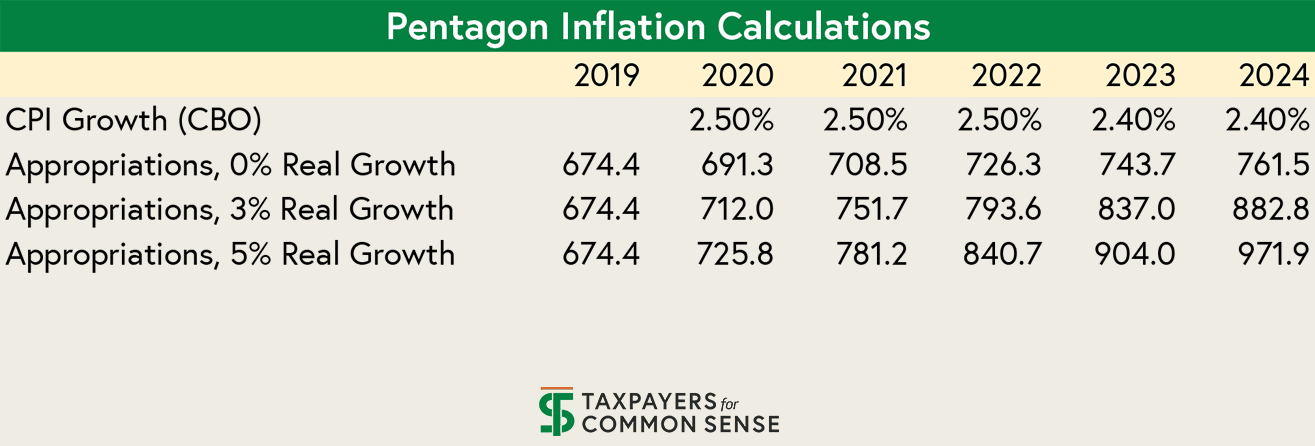
And it continues. Less than a week after calling our current Pentagon budget "crazy," President Trump agreed with military leaders that we need an even larger military budget. And just one day before the failed audit was announced, a committee tasked by Congress announced that the nation needs an almost $1 trillion military budget by 2024.
If we keep going this way, we're going to waste precious resources that could be used any number of other ways: creating jobs, fighting the opioid epidemic, building a health care system that works for all of us, fixing our crumbling roads and bridges, etc.
Until they can show they know what they're doing, the Pentagon should be cut off from further increases so we can focus resources elsewhere.
So, if most of the news seems too dicey to talk about over stale Christmas cookies, try the Pentagon's failed audit. You might be surprised who you'll agree with.
Dear Common Dreams reader, It’s been nearly 30 years since I co-founded Common Dreams with my late wife, Lina Newhouser. We had the radical notion that journalism should serve the public good, not corporate profits. It was clear to us from the outset what it would take to build such a project. No paid advertisements. No corporate sponsors. No millionaire publisher telling us what to think or do. Many people said we wouldn't last a year, but we proved those doubters wrong. Together with a tremendous team of journalists and dedicated staff, we built an independent media outlet free from the constraints of profits and corporate control. Our mission has always been simple: To inform. To inspire. To ignite change for the common good. Building Common Dreams was not easy. Our survival was never guaranteed. When you take on the most powerful forces—Wall Street greed, fossil fuel industry destruction, Big Tech lobbyists, and uber-rich oligarchs who have spent billions upon billions rigging the economy and democracy in their favor—the only bulwark you have is supporters who believe in your work. But here’s the urgent message from me today. It's never been this bad out there. And it's never been this hard to keep us going. At the very moment Common Dreams is most needed, the threats we face are intensifying. We need your support now more than ever. We don't accept corporate advertising and never will. We don't have a paywall because we don't think people should be blocked from critical news based on their ability to pay. Everything we do is funded by the donations of readers like you. When everyone does the little they can afford, we are strong. But if that support retreats or dries up, so do we. Will you donate now to make sure Common Dreams not only survives but thrives? —Craig Brown, Co-founder |
In this season of (hoped for) peace and goodwill, it's worth looking for things our divided country can agree on. And since all of us want to be able to trust government to spend wisely, we might find common cause in a surprising place: the Pentagon budget.
When you think of politicians railing against the Pentagon (if you can think of any) it might be someone on the left, like Senator Bernie Sanders. That's why I was gratified to see Iowa Senator Chuck Grassley take on the Pentagon budget in a recent op-ed in The New York Times.
It's a relatively rare occurrence for a politician of any persuasion to criticize the Pentagon -- but especially for a conservative Republican like Grassley. (That said, the late Senator John McCain, when he was in the right mood, could do it with the best of them. And it's not Grassley's first rodeo, either.)
The Pentagon deserves the criticism. Nearly 30 years ago, Congress asked the Pentagon to complete an audit that could show military leaders knew where our money was going. This year, the Pentagon finally delivered a result: After waiting nearly 30 years, the Pentagon failed its first-ever audit.
Even more disturbing is that Pentagon leaders aren't the least bit disturbed about this. Deputy Defense Secretary Patrick Shanahan, the number two official at the Pentagon, told reporters, "We failed the audit, but we never expected to pass it."
If there's one thing that could get Pentagon leadership's attention, it would be requiring them to pass an audit before they get one more dollar from public coffers.
There's every reason for Pentagon leaders from Secretary of Defense Jim Mattis on down to be ashamed of this result.
Every other major government agency has completed and passed an audit during that time, often many times. If the Pentagon doesn't know where its money is going, how can they assure us it's being put to good use? With a Pentagon budget of $647 billion this year -- not even counting war costs -- the potential for waste and fraud is sky-high.
We know about a lot of examples of waste -- Grassley cited a $14,000 toilet seat as a picture-perfect example -- but there are no doubt countless more that we don't know about. This is nobody's idea of good management.
Grassley suggests that Pentagon leaders need to step up and earn the trust we give them. But if they haven't done it in 30 years, what's going to change now?
Pentagon leaders haven't seen any consequences from their disregard for our nation's budget. If there's one thing that could get Pentagon leadership's attention, it would be requiring them to pass an audit before they get one more dollar from public coffers.
Instead, the opposite seems to be happening. Congress keeps rewarding the Pentagon with ever-bigger budgets. The U.S. military budget is more than $200 billion higher than it was 30 years ago.
And it continues. Less than a week after calling our current Pentagon budget "crazy," President Trump agreed with military leaders that we need an even larger military budget. And just one day before the failed audit was announced, a committee tasked by Congress announced that the nation needs an almost $1 trillion military budget by 2024.
If we keep going this way, we're going to waste precious resources that could be used any number of other ways: creating jobs, fighting the opioid epidemic, building a health care system that works for all of us, fixing our crumbling roads and bridges, etc.
Until they can show they know what they're doing, the Pentagon should be cut off from further increases so we can focus resources elsewhere.
So, if most of the news seems too dicey to talk about over stale Christmas cookies, try the Pentagon's failed audit. You might be surprised who you'll agree with.
In this season of (hoped for) peace and goodwill, it's worth looking for things our divided country can agree on. And since all of us want to be able to trust government to spend wisely, we might find common cause in a surprising place: the Pentagon budget.
When you think of politicians railing against the Pentagon (if you can think of any) it might be someone on the left, like Senator Bernie Sanders. That's why I was gratified to see Iowa Senator Chuck Grassley take on the Pentagon budget in a recent op-ed in The New York Times.
It's a relatively rare occurrence for a politician of any persuasion to criticize the Pentagon -- but especially for a conservative Republican like Grassley. (That said, the late Senator John McCain, when he was in the right mood, could do it with the best of them. And it's not Grassley's first rodeo, either.)
The Pentagon deserves the criticism. Nearly 30 years ago, Congress asked the Pentagon to complete an audit that could show military leaders knew where our money was going. This year, the Pentagon finally delivered a result: After waiting nearly 30 years, the Pentagon failed its first-ever audit.
Even more disturbing is that Pentagon leaders aren't the least bit disturbed about this. Deputy Defense Secretary Patrick Shanahan, the number two official at the Pentagon, told reporters, "We failed the audit, but we never expected to pass it."
If there's one thing that could get Pentagon leadership's attention, it would be requiring them to pass an audit before they get one more dollar from public coffers.
There's every reason for Pentagon leaders from Secretary of Defense Jim Mattis on down to be ashamed of this result.
Every other major government agency has completed and passed an audit during that time, often many times. If the Pentagon doesn't know where its money is going, how can they assure us it's being put to good use? With a Pentagon budget of $647 billion this year -- not even counting war costs -- the potential for waste and fraud is sky-high.
We know about a lot of examples of waste -- Grassley cited a $14,000 toilet seat as a picture-perfect example -- but there are no doubt countless more that we don't know about. This is nobody's idea of good management.
Grassley suggests that Pentagon leaders need to step up and earn the trust we give them. But if they haven't done it in 30 years, what's going to change now?
Pentagon leaders haven't seen any consequences from their disregard for our nation's budget. If there's one thing that could get Pentagon leadership's attention, it would be requiring them to pass an audit before they get one more dollar from public coffers.
Instead, the opposite seems to be happening. Congress keeps rewarding the Pentagon with ever-bigger budgets. The U.S. military budget is more than $200 billion higher than it was 30 years ago.
And it continues. Less than a week after calling our current Pentagon budget "crazy," President Trump agreed with military leaders that we need an even larger military budget. And just one day before the failed audit was announced, a committee tasked by Congress announced that the nation needs an almost $1 trillion military budget by 2024.
If we keep going this way, we're going to waste precious resources that could be used any number of other ways: creating jobs, fighting the opioid epidemic, building a health care system that works for all of us, fixing our crumbling roads and bridges, etc.
Until they can show they know what they're doing, the Pentagon should be cut off from further increases so we can focus resources elsewhere.
So, if most of the news seems too dicey to talk about over stale Christmas cookies, try the Pentagon's failed audit. You might be surprised who you'll agree with.