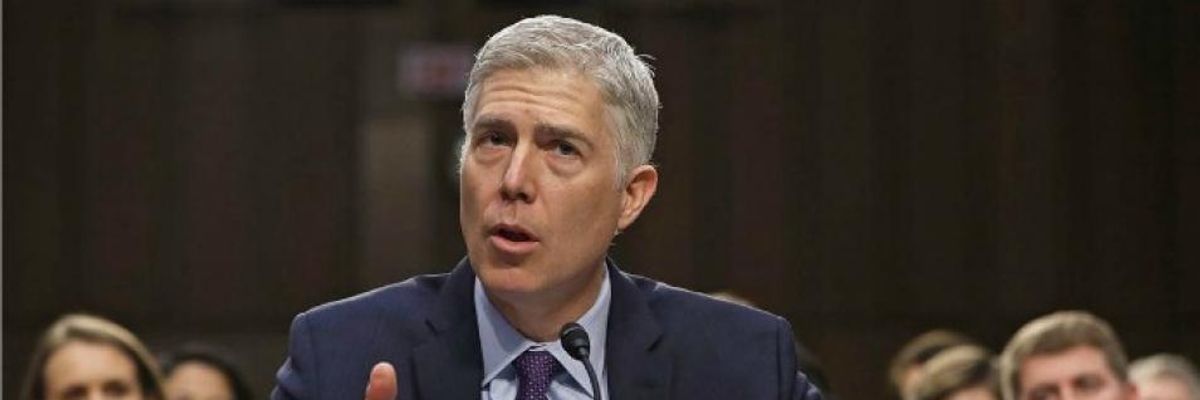
"If all that were not enough, Gorsuch several times this year indicated that the court should potentially revisit other precedents, as well." (Photo: NBC)
Gorsuch Has Shown no Commitment to Precedent. That Should Worry Collins About Roe
While the Constitution supports a woman’s right to choose, Trump made clear before he nominated Gorsuch that he would only appoint justices who were willing to overrule Roe
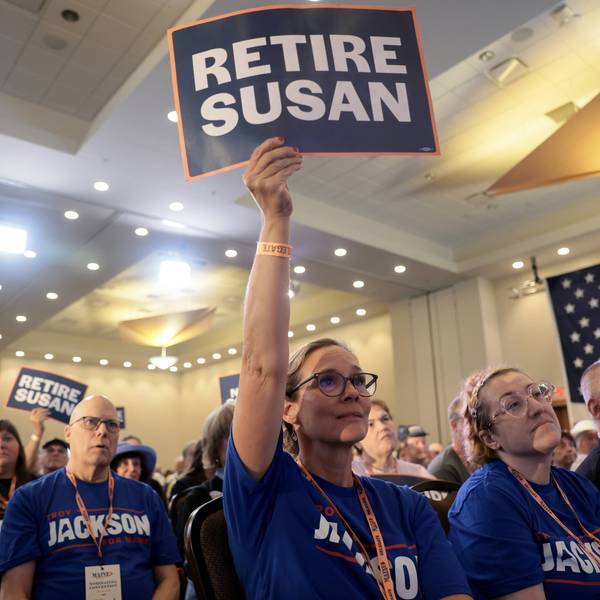
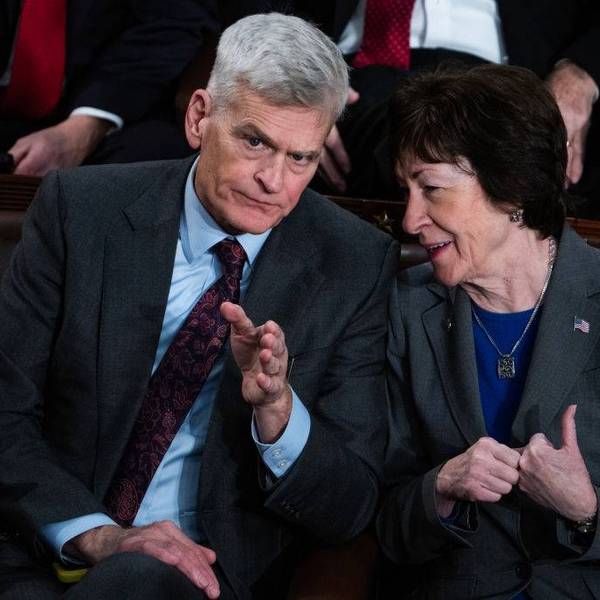
Last Sunday, Sen. Susan Collins made news when she bucked the conventional wisdom that Justice Anthony Kennedy's retirement from the U.S. Supreme Court threatens the future of legal abortion in this country. After saying that she would not vote for a nominee to replace Kennedy who evinced a willingness to overturn Roe v. Wade, she expressed more general confidence that Roe is not in danger, explaining that she also believes President Donald Trump's first appointee to the court, Neil Gorsuch, would not vote to overturn that decision. The reason why: she believes Justice Gorsuch has a commitment to precedent that will keep him from doing so.
That belief is gravely misplaced.
At his confirmation hearing, then-Judge Gorsuch certainly did his best to convince the senators who would be voting on his nomination that he would adhere to precedent. "You start with a heavy, heavy presumption in favor of precedent in our system," he told them. "[T]he judge's job," he explained, "is to ... approach the law as you find it, and that's part of the precedent of the United States Supreme Court, that I'm sworn as a sitting judge to give the full weight and respect to due precedent."
To be sure, he acknowledged that "in a very few cases, you may overrule precedent," but he also promised that he would follow Supreme Court precedent about when it is appropriate to overrule a case. "I follow precedent," he said at one point. At another he said, "The Supreme Court Justice is bound by precedent, too." And at still another, he said, "I will follow the law of judicial precedent in this and in every other area, senator, it's my promise to you."
But in his first full year on the court, Gorsuch has repeatedly broken that promise.
In Janus v. AFSCME, Gorsuch voted to overrule a 41-year-old precedent upholding the constitutionality of state laws that allow public sector unions to require nonmembers to pay their fair share of the costs of collective bargaining. As Justice Elena Kagan observed in dissent, "Rarely, if ever, has the Court overruled a decision -- let alone one of this import -- with so little regard for the usual principles of stare decisis."
In South Dakota v. Wayfair, a case about internet retailers and state sales tax, Gorsuch joined the majority holding that two earlier Supreme Court decisions -- one from 1967 and one from 1992 -- "should be, and now are, overruled." In dissent, Chief Justice John Roberts chided the majority for its rejection of precedent: "This Court 'does not overturn its precedents lightly.'"
In Abbott v. Perez, a case upholding Texas' redistricting map, Gorsuch joined Justice Clarence Thomas' one-paragraph concurrence saying that the Voting Rights Act "does not apply to redistricting," notwithstanding countless cases holding otherwise. That would require overturning precedent in a number of cases, including Thornburg v. Gingles. Without briefing or argument, Gorsuch would have rewritten the Voting Rights Act's main protection against racial discrimination in voting.
And if all that were not enough, Gorsuch several times this year indicated that the court should potentially revisit other precedents, as well.
The point isn't that Gorsuch was necessarily wrong in all these cases -- precedent should sometimes be overruled -- but the sheer number of times last term that he voted to overrule precedents or aggressively called them into question belies his promises that he always starts with a "heavy, heavy presumption in favor of precedent."
Instead, it suggests a justice who starts with his own views about what the Constitution requires. And while the Constitution supports a woman's right to choose, Trump made clear before he nominated Gorsuch that he would only appoint justices who were willing to overrule Roe.
So if Gorsuch is going to start with his own views, rather than with precedent, those who believe in a woman's right to choose should be worried.
An Urgent Message From Our Co-Founder
Dear Common Dreams reader, It’s been nearly 30 years since I co-founded Common Dreams with my late wife, Lina Newhouser. We had the radical notion that journalism should serve the public good, not corporate profits. It was clear to us from the outset what it would take to build such a project. No paid advertisements. No corporate sponsors. No millionaire publisher telling us what to think or do. Many people said we wouldn't last a year, but we proved those doubters wrong. Together with a tremendous team of journalists and dedicated staff, we built an independent media outlet free from the constraints of profits and corporate control. Our mission has always been simple: To inform. To inspire. To ignite change for the common good. Building Common Dreams was not easy. Our survival was never guaranteed. When you take on the most powerful forces—Wall Street greed, fossil fuel industry destruction, Big Tech lobbyists, and uber-rich oligarchs who have spent billions upon billions rigging the economy and democracy in their favor—the only bulwark you have is supporters who believe in your work. But here’s the urgent message from me today. It's never been this bad out there. And it's never been this hard to keep us going. At the very moment Common Dreams is most needed, the threats we face are intensifying. We need your support now more than ever. We don't accept corporate advertising and never will. We don't have a paywall because we don't think people should be blocked from critical news based on their ability to pay. Everything we do is funded by the donations of readers like you. When everyone does the little they can afford, we are strong. But if that support retreats or dries up, so do we. Will you donate now to make sure Common Dreams not only survives but thrives? —Craig Brown, Co-founder |
Last Sunday, Sen. Susan Collins made news when she bucked the conventional wisdom that Justice Anthony Kennedy's retirement from the U.S. Supreme Court threatens the future of legal abortion in this country. After saying that she would not vote for a nominee to replace Kennedy who evinced a willingness to overturn Roe v. Wade, she expressed more general confidence that Roe is not in danger, explaining that she also believes President Donald Trump's first appointee to the court, Neil Gorsuch, would not vote to overturn that decision. The reason why: she believes Justice Gorsuch has a commitment to precedent that will keep him from doing so.
That belief is gravely misplaced.
At his confirmation hearing, then-Judge Gorsuch certainly did his best to convince the senators who would be voting on his nomination that he would adhere to precedent. "You start with a heavy, heavy presumption in favor of precedent in our system," he told them. "[T]he judge's job," he explained, "is to ... approach the law as you find it, and that's part of the precedent of the United States Supreme Court, that I'm sworn as a sitting judge to give the full weight and respect to due precedent."
To be sure, he acknowledged that "in a very few cases, you may overrule precedent," but he also promised that he would follow Supreme Court precedent about when it is appropriate to overrule a case. "I follow precedent," he said at one point. At another he said, "The Supreme Court Justice is bound by precedent, too." And at still another, he said, "I will follow the law of judicial precedent in this and in every other area, senator, it's my promise to you."
But in his first full year on the court, Gorsuch has repeatedly broken that promise.
In Janus v. AFSCME, Gorsuch voted to overrule a 41-year-old precedent upholding the constitutionality of state laws that allow public sector unions to require nonmembers to pay their fair share of the costs of collective bargaining. As Justice Elena Kagan observed in dissent, "Rarely, if ever, has the Court overruled a decision -- let alone one of this import -- with so little regard for the usual principles of stare decisis."
In South Dakota v. Wayfair, a case about internet retailers and state sales tax, Gorsuch joined the majority holding that two earlier Supreme Court decisions -- one from 1967 and one from 1992 -- "should be, and now are, overruled." In dissent, Chief Justice John Roberts chided the majority for its rejection of precedent: "This Court 'does not overturn its precedents lightly.'"
In Abbott v. Perez, a case upholding Texas' redistricting map, Gorsuch joined Justice Clarence Thomas' one-paragraph concurrence saying that the Voting Rights Act "does not apply to redistricting," notwithstanding countless cases holding otherwise. That would require overturning precedent in a number of cases, including Thornburg v. Gingles. Without briefing or argument, Gorsuch would have rewritten the Voting Rights Act's main protection against racial discrimination in voting.
And if all that were not enough, Gorsuch several times this year indicated that the court should potentially revisit other precedents, as well.
The point isn't that Gorsuch was necessarily wrong in all these cases -- precedent should sometimes be overruled -- but the sheer number of times last term that he voted to overrule precedents or aggressively called them into question belies his promises that he always starts with a "heavy, heavy presumption in favor of precedent."
Instead, it suggests a justice who starts with his own views about what the Constitution requires. And while the Constitution supports a woman's right to choose, Trump made clear before he nominated Gorsuch that he would only appoint justices who were willing to overrule Roe.
So if Gorsuch is going to start with his own views, rather than with precedent, those who believe in a woman's right to choose should be worried.
Last Sunday, Sen. Susan Collins made news when she bucked the conventional wisdom that Justice Anthony Kennedy's retirement from the U.S. Supreme Court threatens the future of legal abortion in this country. After saying that she would not vote for a nominee to replace Kennedy who evinced a willingness to overturn Roe v. Wade, she expressed more general confidence that Roe is not in danger, explaining that she also believes President Donald Trump's first appointee to the court, Neil Gorsuch, would not vote to overturn that decision. The reason why: she believes Justice Gorsuch has a commitment to precedent that will keep him from doing so.
That belief is gravely misplaced.
At his confirmation hearing, then-Judge Gorsuch certainly did his best to convince the senators who would be voting on his nomination that he would adhere to precedent. "You start with a heavy, heavy presumption in favor of precedent in our system," he told them. "[T]he judge's job," he explained, "is to ... approach the law as you find it, and that's part of the precedent of the United States Supreme Court, that I'm sworn as a sitting judge to give the full weight and respect to due precedent."
To be sure, he acknowledged that "in a very few cases, you may overrule precedent," but he also promised that he would follow Supreme Court precedent about when it is appropriate to overrule a case. "I follow precedent," he said at one point. At another he said, "The Supreme Court Justice is bound by precedent, too." And at still another, he said, "I will follow the law of judicial precedent in this and in every other area, senator, it's my promise to you."
But in his first full year on the court, Gorsuch has repeatedly broken that promise.
In Janus v. AFSCME, Gorsuch voted to overrule a 41-year-old precedent upholding the constitutionality of state laws that allow public sector unions to require nonmembers to pay their fair share of the costs of collective bargaining. As Justice Elena Kagan observed in dissent, "Rarely, if ever, has the Court overruled a decision -- let alone one of this import -- with so little regard for the usual principles of stare decisis."
In South Dakota v. Wayfair, a case about internet retailers and state sales tax, Gorsuch joined the majority holding that two earlier Supreme Court decisions -- one from 1967 and one from 1992 -- "should be, and now are, overruled." In dissent, Chief Justice John Roberts chided the majority for its rejection of precedent: "This Court 'does not overturn its precedents lightly.'"
In Abbott v. Perez, a case upholding Texas' redistricting map, Gorsuch joined Justice Clarence Thomas' one-paragraph concurrence saying that the Voting Rights Act "does not apply to redistricting," notwithstanding countless cases holding otherwise. That would require overturning precedent in a number of cases, including Thornburg v. Gingles. Without briefing or argument, Gorsuch would have rewritten the Voting Rights Act's main protection against racial discrimination in voting.
And if all that were not enough, Gorsuch several times this year indicated that the court should potentially revisit other precedents, as well.
The point isn't that Gorsuch was necessarily wrong in all these cases -- precedent should sometimes be overruled -- but the sheer number of times last term that he voted to overrule precedents or aggressively called them into question belies his promises that he always starts with a "heavy, heavy presumption in favor of precedent."
Instead, it suggests a justice who starts with his own views about what the Constitution requires. And while the Constitution supports a woman's right to choose, Trump made clear before he nominated Gorsuch that he would only appoint justices who were willing to overrule Roe.
So if Gorsuch is going to start with his own views, rather than with precedent, those who believe in a woman's right to choose should be worried.