

In the debate over our energy future, I keep coming back to the question of whether or not fracking can be done safely. There is no question that once out of the ground, natural gas burns cleaner than coal but the actual process of fracking to date has documented evidence of water contamination, increased risk of earthquakes in areas not prone to earthquakes, and mysterious health problems in fracking communities. Adding to this, fracking results in significant methane release and because methane is a far more potent greenhouse gas than carbon dioxide, there is no net climate benefit to using natural gas that is extracted by fracking.
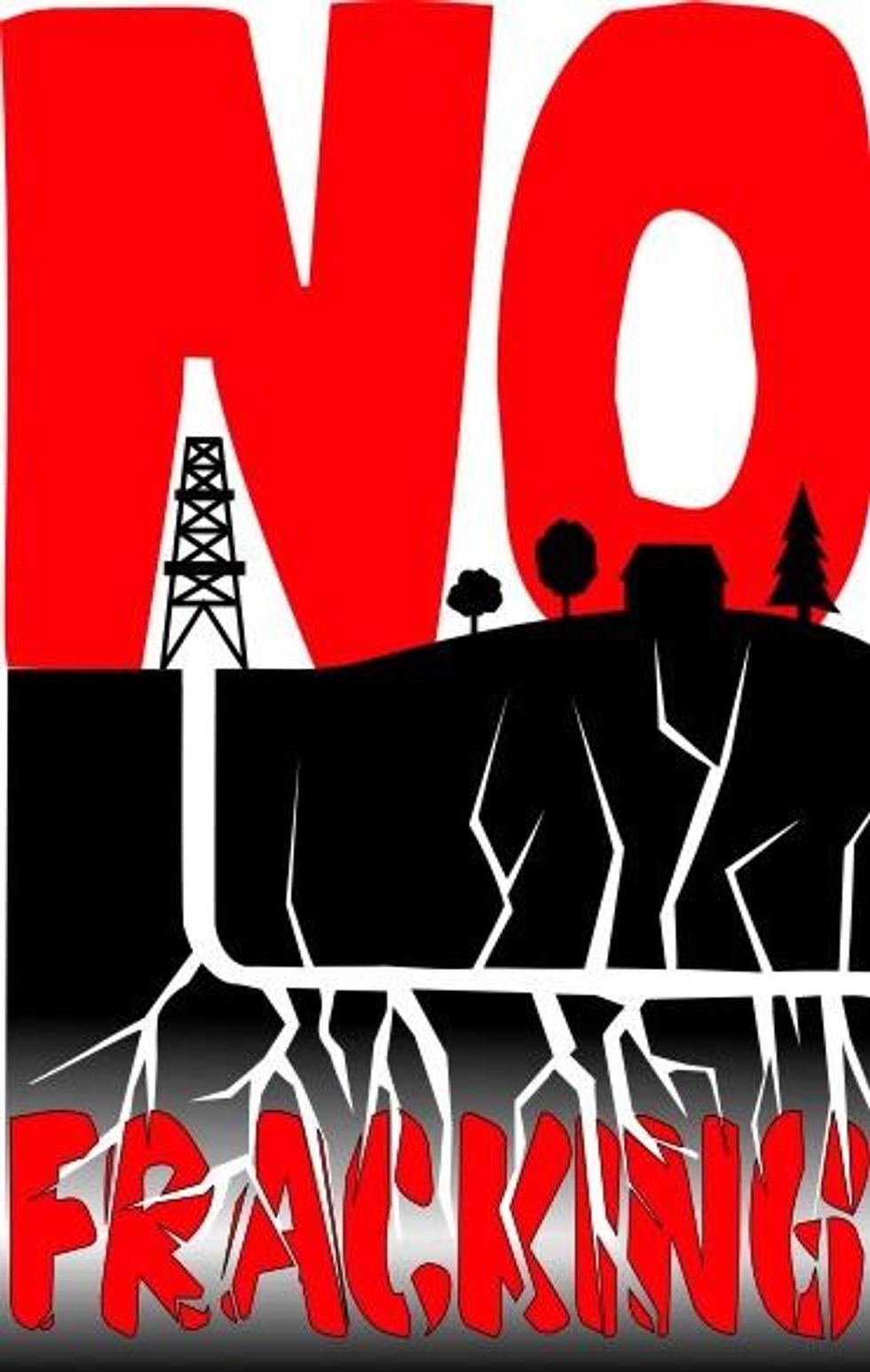
But, could fracking be regulated and made safe? A new collaboration between environmentalists and oil and gas companies is attempting to set higher performance standards for fracking in Pennsylvania, West Virginia, and Ohio. The Center for Sustainable Shale Development lists Chevron, Shell, and the Environmental Defense Fund among the 11 partners that have been brought together. So far, the group has released an initial set of 15 performance standards that reduce gas well flaring, develop groundwater protection plans, implement no-leak valves and piping, and recycles 90 percent of the wastewater. There are also some disclosure requirements for the fracking fluids, but still allows for a "trade secret" exclusion that only requires the relevant chemical family name be disclosed.
These standards go beyond what is currently required, but that says more about the lack of adequate regulations than the work of the Center. The Center will certify companies meet their performance standards but there is no requirement that a fracking company must be certified before it can operate in a state. Environmental and community groups have criticized the collaboration because ultimately, natural gas is still a fossil fuel and continued reliance on it will do nothing to stop the climate crisis. In addition, Sandy Buchanan, the director of Ohio Citizen Action said, "This deal in no way represents the interests or agreement of the people being harmed by fracking in Ohio."
While the Center's efforts are better than nothing, they don't really change whether fracking can be done safely. What happens to fracking operators that aren't certified or who violate a performance standard? They would possibly get rebuked by the Center, which has no legal or regulatory enforcement power. This is, in fact, the definition of greenwashing. Oil and gas companies can claim to abide by these higher standards but there is no guarantee or repercussions if they don't comply.
The Center's new standards are not a game changer. They do not change the fact that natural gas is a finite resource. They do not make fracking safer because they are not enforceable. If anything, they provide cover for oil and gas interests that want to derail the transition to a clean economy powered by renewable energy.
The fact remains that we will have to transition to a renewable energy economy and the longer we wait, the harder and more expensive it will be. Instead of putting all these focus and energy into a dead-end fossil fuel, we should be investing that focus and energy into building out a renewable energy economy.
In the debate over our energy future, I keep coming back to the question of whether or not fracking can be done safely. There is no question that once out of the ground, natural gas burns cleaner than coal but the actual process of fracking to date has documented evidence of water contamination, increased risk of earthquakes in areas not prone to earthquakes, and mysterious health problems in fracking communities. Adding to this, fracking results in significant methane release and because methane is a far more potent greenhouse gas than carbon dioxide, there is no net climate benefit to using natural gas that is extracted by fracking.
But, could fracking be regulated and made safe? A new collaboration between environmentalists and oil and gas companies is attempting to set higher performance standards for fracking in Pennsylvania, West Virginia, and Ohio. The Center for Sustainable Shale Development lists Chevron, Shell, and the Environmental Defense Fund among the 11 partners that have been brought together. So far, the group has released an initial set of 15 performance standards that reduce gas well flaring, develop groundwater protection plans, implement no-leak valves and piping, and recycles 90 percent of the wastewater. There are also some disclosure requirements for the fracking fluids, but still allows for a "trade secret" exclusion that only requires the relevant chemical family name be disclosed.
These standards go beyond what is currently required, but that says more about the lack of adequate regulations than the work of the Center. The Center will certify companies meet their performance standards but there is no requirement that a fracking company must be certified before it can operate in a state. Environmental and community groups have criticized the collaboration because ultimately, natural gas is still a fossil fuel and continued reliance on it will do nothing to stop the climate crisis. In addition, Sandy Buchanan, the director of Ohio Citizen Action said, "This deal in no way represents the interests or agreement of the people being harmed by fracking in Ohio."
While the Center's efforts are better than nothing, they don't really change whether fracking can be done safely. What happens to fracking operators that aren't certified or who violate a performance standard? They would possibly get rebuked by the Center, which has no legal or regulatory enforcement power. This is, in fact, the definition of greenwashing. Oil and gas companies can claim to abide by these higher standards but there is no guarantee or repercussions if they don't comply.
The Center's new standards are not a game changer. They do not change the fact that natural gas is a finite resource. They do not make fracking safer because they are not enforceable. If anything, they provide cover for oil and gas interests that want to derail the transition to a clean economy powered by renewable energy.
The fact remains that we will have to transition to a renewable energy economy and the longer we wait, the harder and more expensive it will be. Instead of putting all these focus and energy into a dead-end fossil fuel, we should be investing that focus and energy into building out a renewable energy economy.
In the debate over our energy future, I keep coming back to the question of whether or not fracking can be done safely. There is no question that once out of the ground, natural gas burns cleaner than coal but the actual process of fracking to date has documented evidence of water contamination, increased risk of earthquakes in areas not prone to earthquakes, and mysterious health problems in fracking communities. Adding to this, fracking results in significant methane release and because methane is a far more potent greenhouse gas than carbon dioxide, there is no net climate benefit to using natural gas that is extracted by fracking.
But, could fracking be regulated and made safe? A new collaboration between environmentalists and oil and gas companies is attempting to set higher performance standards for fracking in Pennsylvania, West Virginia, and Ohio. The Center for Sustainable Shale Development lists Chevron, Shell, and the Environmental Defense Fund among the 11 partners that have been brought together. So far, the group has released an initial set of 15 performance standards that reduce gas well flaring, develop groundwater protection plans, implement no-leak valves and piping, and recycles 90 percent of the wastewater. There are also some disclosure requirements for the fracking fluids, but still allows for a "trade secret" exclusion that only requires the relevant chemical family name be disclosed.
These standards go beyond what is currently required, but that says more about the lack of adequate regulations than the work of the Center. The Center will certify companies meet their performance standards but there is no requirement that a fracking company must be certified before it can operate in a state. Environmental and community groups have criticized the collaboration because ultimately, natural gas is still a fossil fuel and continued reliance on it will do nothing to stop the climate crisis. In addition, Sandy Buchanan, the director of Ohio Citizen Action said, "This deal in no way represents the interests or agreement of the people being harmed by fracking in Ohio."
While the Center's efforts are better than nothing, they don't really change whether fracking can be done safely. What happens to fracking operators that aren't certified or who violate a performance standard? They would possibly get rebuked by the Center, which has no legal or regulatory enforcement power. This is, in fact, the definition of greenwashing. Oil and gas companies can claim to abide by these higher standards but there is no guarantee or repercussions if they don't comply.
The Center's new standards are not a game changer. They do not change the fact that natural gas is a finite resource. They do not make fracking safer because they are not enforceable. If anything, they provide cover for oil and gas interests that want to derail the transition to a clean economy powered by renewable energy.
The fact remains that we will have to transition to a renewable energy economy and the longer we wait, the harder and more expensive it will be. Instead of putting all these focus and energy into a dead-end fossil fuel, we should be investing that focus and energy into building out a renewable energy economy.