To donate by check, phone, or other method, see our More Ways to Give page.

×
  • Home
  • jeff merkley
  • lead
  • troy jackson
  • michael brown
  • senate
  • center for biological diversity
  • arizona
  • election 2022
  • self-immolation
  • ukraine
  • russia
  • gaza
  • critical race theory
  • palestine
  • jan 6 insurrection
  • covid-19
  • george floyd
  • black lives matter
  • stacey abrams
  • trumpism
  • kyle rittenhouse
  • georgia
  • selma
  • john lewis
  • marjorie taylor greene
  • jared kushner
  • bernie sanders
  • sarah huckabee sanders
  • joe biden
  • kamala harris
  • jon ossoff
  • raphael warnock
  • election
  • midterm elections
  • big oil
  • fossil fuels
  • workers
  • inequality
  • minimum wage
  • poverty
  • environment
  • africa
  • food
  • hunger
  • animal rights
  • julian assange
  • amnesty international
  • united kingdom
  • wikileaks
  • biodiversity
  • new mexico
  • democracy
  • taxation
  • campaign finance
  • us supreme court
  • public health
  • oxfam
  • afghanistan
  • congressional progressive caucus
  • fight for the future
  • net neutrality
  • open internet
  • free press
  • anti-semitism
  • bend the arc
  • texas
  • cop26
  • 350.org
  • fcc
  • corporate power
  • jamie dimon
  • jpmorgan chase
  • stop the money pipeline
  • coronavirus
  • imf
  • jubilee usa
  • vaccines
  • florida
  • sustainability
  • center for responsive politics
  • amazon.com
  • drug policy alliance
  • marijuana
  • public citizen
  • environment america
  • renewable energy
  • aclu
  • war crimes
  • war on terror
  • immigration
  • refugees
  • arctic national wildlife refuge (anwr)
  • fossil fuel divestment
  • veterans
  • veterans for peace
  • oklahoma
  • racism
  • democratic party
  • people's action
  • republican party
  • us congress
  • budget
  • hyde amendment
  • reproductive rights
  • women
  • food & water watch
  • codepink
  • militarism
  • pentagon
  • us military
  • sunrise movement
  • filibuster
  • us house
  • war on drugs
  • common cause
  • indivisible
  • mitch mcconnell
  • stand up america
  • arctic
  • muslim ban
  • g7
  • patriotic millionaires
  • oregon
  • chris murphy
  • education
  • jamaal bowman
  • civil rights
  • ed markey
  • technology
  • infrastructure
  • moveon.org
  • egypt
  • journalism
  • barack obama
  • epa
  • pollution
  • war on science
  • voting rights
  • environmental working group
  • friends of the earth
  • icc
  • shell
  • methane
  • indigenous
  • line 3
  • healthcare
  • privatization
  • unemployment
  • labor
  • green new deal
  • data for progress
  • islamophobia
  • virginia
  • us department of justice
  • us senate
  • genocide
  • coal
  • iea
  • new york
  • facebook
  • police
  • big pharma
  • justice democrats
  • social security works
  • extreme weather
  • pesticides
  • bds
  • israel
  • plastics
  • fda
  • greenpeace
  • afge
  • alexandria ocasio-cortez
  • arms trade
  • benjamin netanyahu
  • cair
  • minnesota
  • super pacs
  • janet yellen
  • oil change international
  • wall street
  • factory farms
  • extremism
  • endangered species act
  • civil liberties
  • colombia
  • tony blinken
  • paris agreement
  • campaign legal center
  • fec
  • wto
  • criminal justice system
  • philadelphia
  • 9/11
  • center for food safety
  • monsanto
  • central america
  • mexico
  • children
  • mark pocan
  • rashida tlaib
  • chuck grassley
  • aipac
  • chuck schumer
  • jewish voice for peace
  • china
  • guantanamo
  • roe v. wade
  • jay inslee
  • at&t
  • corporate personhood
  • media
  • baltimore
  • naral
  • nina turner
  • center for reproductive rights
  • elon musk
  • jeff bezos
  • earthjustice
  • moveon
  • privacy
  • japan
  • rahm emanuel
  • apartheid
  • progressive international
  • coronavirus relief
  • agriculture
  • federal reserve
  • g20
  • people power
  • pennsylvania
  • wolves
  • demand progress
  • massachusetts
  • union of concerned scientists
  • human rights
  • nafta
  • asia
  • boris johnson
  • idaho
  • debt
  • sudan
  • world bank
  • keystone xl
  • syria
  • ilhan omar
  • kirsten gillibrand
  • usda
  • people for the american way
  • ron desantis
  • conservation
  • chevron
  • ecuador
  • steven donziger
  • deb haaland
  • us department of interior
    Common Dreams. To inform. To inspire. To ignite change for the common good.
    Common Dreams Globe
    LATEST NEWSOPINIONCLIMATEECONOMY POLITICS RIGHTS & JUSTICEWAR & PEACE
    LATEST NEWS
    OPINION
    Common DreamsTo inform. To inspire. To ignite change for the common good.

    jamaica

    Jamaica Hurrican Melissa

    Let This Be the Turning Point: Climate Justice After Hurricane Melissa

    Hurricane Melissa was no “natural disaster.” It was the predictable result of choices made by powerful interests that continue to profit from a warming planet.

    Theresa Rodriguez-Moodie
    Nov 14, 2025

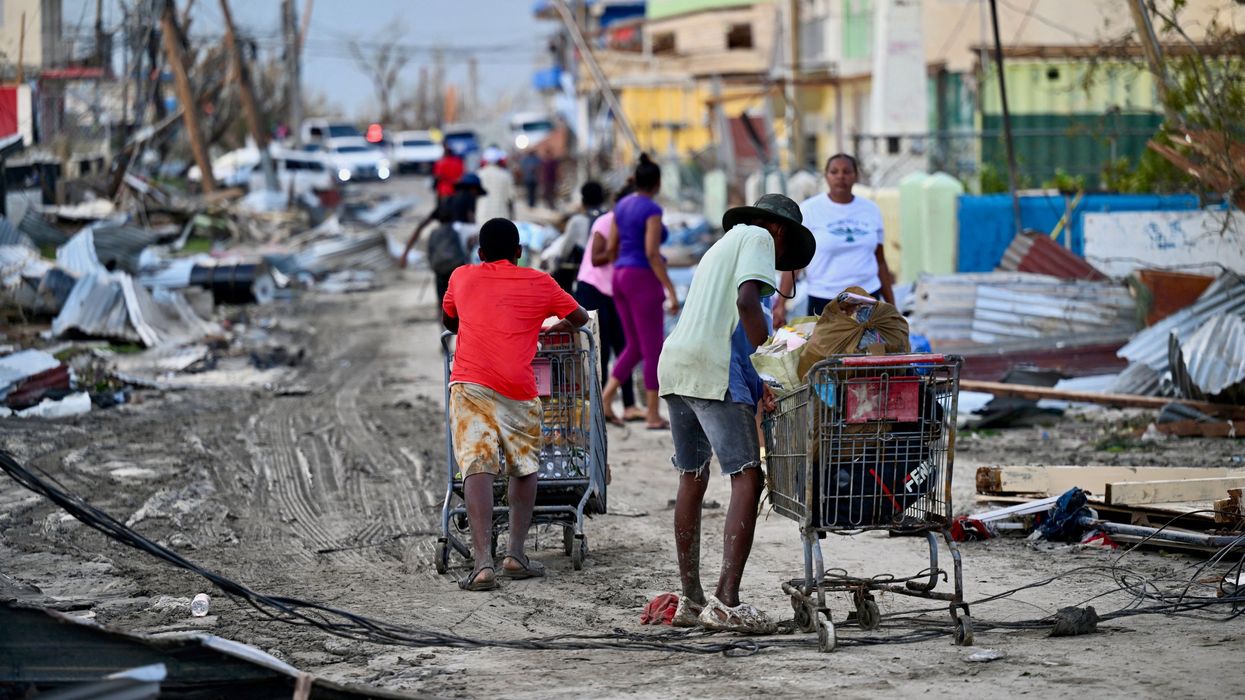
    The wind began howling shortly after midnight on a Tuesday morning. My husband and I gathered the children and moved them into our designated “safe space.” We couldn’t sleep. The roof groaned. The windows rattled. By dawn, the sun broke through to reveal the aftermath. Debris and fallen trees littered the area around our home, but we were fortunate—though we’d lost power, our house was intact. But as I scrolled through the images now flooding social media, primarily from the western side of the island, my emotions swung from relief to despair to sorrow. Black River, Savanna-la-Mar, Santa Cruz, Treasure Beach, Montego Bay, and many other communities were devastated.

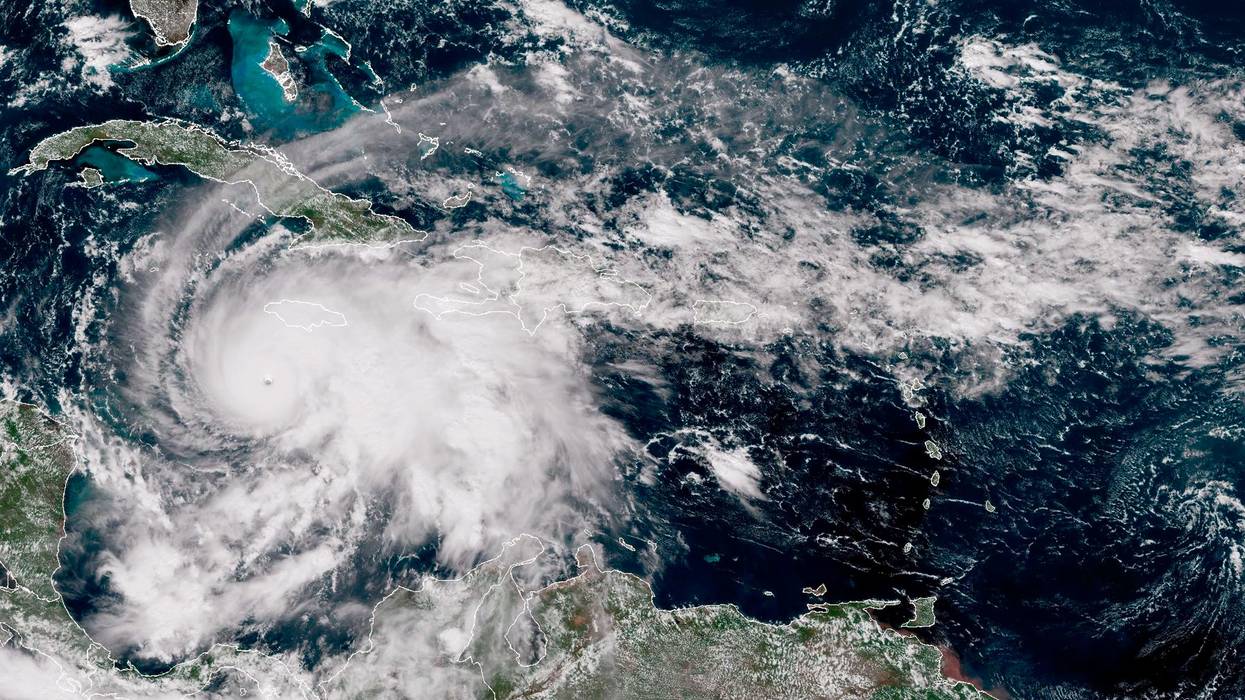
    Hurricane Melissa, a Category 5 storm at landfall, approached Jamaica slowly before drifting westward along the southern coast. Meteorologists struggled to predict its path. The storm’s slow crawl and eventual path across Jamaica brought something even more dangerous: hours of torrential rain, widespread flooding, and destructive winds.

    Keep ReadingShow Less
    climate crisis
    climate-emergency
    JAMAICA-WEATHER-STORM-MELISSA

    With Hurricane Melissa, Capitalism and Climate Chaos Bring Devastation to Jamaica

    A system rooted in the exploitation of natural resources and labor in the name of corporate profits requires grotesque levels of inequality—all of which could be seen both before and after Hurricane Melissa slammed into Jamaica.

    Brian Tierney
    Nov 02, 2025

    Kingston buzzed with feverish preparations and anxious alerts in the days before Melissa, a powerful Category 5 hurricane, made landfall earlier this week on the island of Jamaica. Supermarkets and hardware stores endured the crush of customers scrambling to stockpile water, food, and other supplies while residents boarded up windows and cut away vulnerable branches from hulking mango trees.

    Even for a Caribbean capital city that is no stranger to the perennial threat of hurricanes, the alarming forecasts about Melissa's steady approach and certain intensification put communities across the city on edge. Throughout the island, which has had its share of impacts from deadly tropical weather, including Hurricane Beryl just last year, there was a palpable feeling that Melissa might be a different kind of storm.

    "All we can do is try to be prepared," said Kevin, a local handyman who lives in Portmore, an urban center on Kingston's outskirts. "We can only do so much to get ready for it. The rest is in God's hands."

    Melissa made weather history as one of the strongest Atlantic hurricanes to ever make landfall. As it moved into Jamaica's southwestern coast, the storm's 185-mph sustained winds and sub-900 barometric pressure left meteorologists in awe and Jamaicans under the dark howling shadow of a monster churning over their heads. Yet, as horrifying as Melissa's fury was this week, its destructive strength follows a pattern that has become all too unsurprising on a planet subjected to entirely preventable climate chaos.

    "This is actually a complete catastrophe, and it’s really quite terrifying," Jamaican-British climate activist Mikaela Loach told Democracy Now! "And it also makes me quite angry that it doesn’t have to be this way. This has been caused by the climate crisis, by fossil fuel companies. I think it’s important that we’re not just devastated and sad about this, but also that we are angry and direct that anger towards the people who are responsible."

    While Hurricane Melissa may be called a natural disaster, the conditions that make super storms like Melissa possible are anything but natural. As Loach and just about every climate scientist on Earth point out, the unprecedented warmth of ocean waters act like fuel for tropical cyclones, supercharging them to the point that Melissa was able to double its wind speeds in under 24 hours. Such rapid hurricane intensification is almost unheard of and is the result of unnaturally warm seawater that extends deep below the surface – water temperatures that are themselves directly linked to the fossil fuel industry and an economic system built around its carbon emissions.

    That system, rooted in the exploitation of natural resources and labor in the name of corporate profits, also requires grotesque levels of inequality, which could be seen both before and after Hurricane Melissa slammed into Jamaica.

    It was, of course, the wealthiest of communities that enjoyed the means and resources to prepare and weather the storm. From the gated communities of New Kingston where residents quickly summoned workers to close their built-in storm shutters and fuel up generator tanks to the high-end hotels and office buildings outfitted with hurricane-proof glass, there stood one end of Jamaican society girding for Melissa's wrath. On the other end, representing a much larger portion of the Jamaican people, were the poor and working-class communities with far fewer means to prepare for the tempest. From Kingston and beyond, this included thousands of Jamaicans living in ramshackle housing, with corrugated tin roofs that turned into propeller blades thrown into the air by 130-mph wind gusts. It included the fishing villages of Port Royal and other coastal areas, scrambling to shore up boats and flee inland away from the devastating storm surge. It included the shanty neighborhoods on the edge of waterways and canals, prone to severe flooding, as well as hillside hamlets perched along the steep slopes of Jamaica's Blue Mountains that were swept away by dangerous landslides. Then there are the many rural areas that are likely to remain without power and communications for many weeks, along with the farming communities whose crops have been wiped out by the storm.

    All of these people were placed in the path of a storm whose destructive power was exacerbated by the climate emergency of the corporate elite and wealthy nations whose profit-obsessed industries have turbocharged the Caribbean's hurricane season.

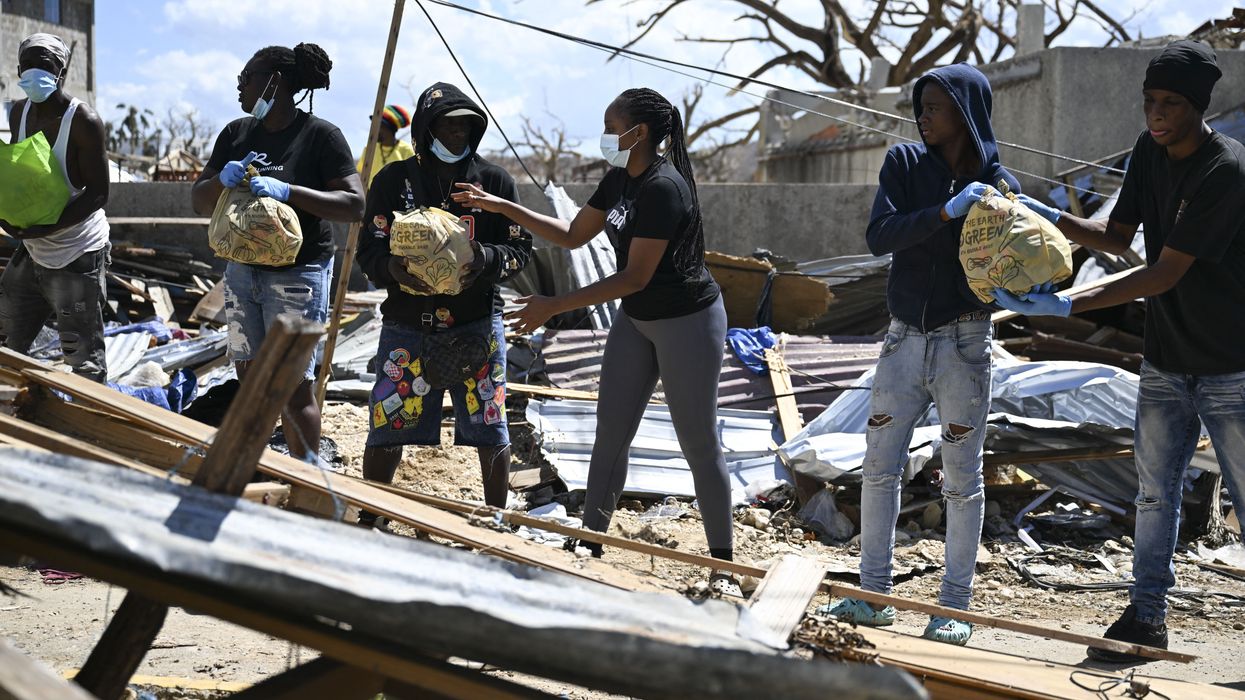
    Just a few days removed from Melissa's torrent of deadly rainfall and winds, the extent of damage and fatalities are yet to be known. In the western parishes of the island where the eyewall of Melissa came ashore, entire communities have been cut off from civilization, unreachable by destroyed telecommunications networks and roads that have been washed away. Many of these communities, lying near the southern coast from 60 to 120 miles west of Kingston, are dealing with widespread structural failure, including flattened homes and roofs sheared off many buildings. In addition to relief operations being mobilized by the Jamaican government, efforts are under way among residents on the east side of the island to gather and transport donated supplies to communities that bore the brunt of Melissa. And the urgency is building for those communities as the shock and hunger have set in, along with reports of looting, i.e., acts of basic human survival. While staying alive in the coming days and weeks is the preoccupation for survivors in these hard-hit areas, the daunting months of clean-up and rebuilding ahead compounds the crippling hardship they are carrying right now.

    Back in Kingston, the economic and infrastructural disparities seen in the lead-up to the storm persist in its aftermath. While more than 70 percent of the island remains without electricity, some of the wealthiest parts of Kingston – those that were armed with generators and thus suffered less than a few hours or minutes without lights in their homes – seem to be among the first communities with restored grid power. On the other hand, many neighborhoods within the poorer sections of Kingston continue to have no power and, in many cases, no running water.

    Such is the nature of capitalism and its attendant regime of climate disasters, bringing the devastation of extreme weather patterns – induced by the excessive greenhouse gas emissions of rich nations – upon the people of smaller nations who are the least responsible for global climate changes. The disparate impacts are felt on a global scale and at the local level among classes within affected regions.

    Disasters like Hurricane Melissa have historically been used by business interests to remake entire cities into free-market dystopias, displacing poorer communities to make way for investment opportunities. The market vultures of what author and activist Naomi Klein calls disaster capitalism may soon be circling Jamaica, poised to prey upon the storm's victims and profit from the wreckage.

    In fact, climate capitalists are already watching post-Melissa Jamaica as a test case for bond markets. The Jamaican government was recently issued a $150-million "catastrophe bond" which appears set for a full payout to partially cover rebuilding efforts. These bonds may offer a temporary solution for climate-vulnerable countries but, as property insurers have increasingly pulled out of high-risk areas in the path of extreme weather and natural disasters, it seems likely that U.S. and European investors will become more reluctant to buy in to catastrophe bonds for hurricane-prone areas like Jamaica as such disasters inevitably become more common. In any event, the damage from Melissa will total far more than $150 million and Jamaica will need to take on more debt from global financial institutions to rebuild roads and infrastructure. This includes the more standard World Bank loans which have traditionally kept countries like Jamaica under the neocolonial boot of wealthy nations, with loans conditioned on exploitative trade policies, privatization, and gutted public services within poorer, indebted countries.

    So, while Jamaica and Hurricane Melissa fade from headlines over the next week or so, the destructive forces of capitalism and Mother Nature's vengeance will continue to collide over the island.

    capitalism
    hurricane-melissa
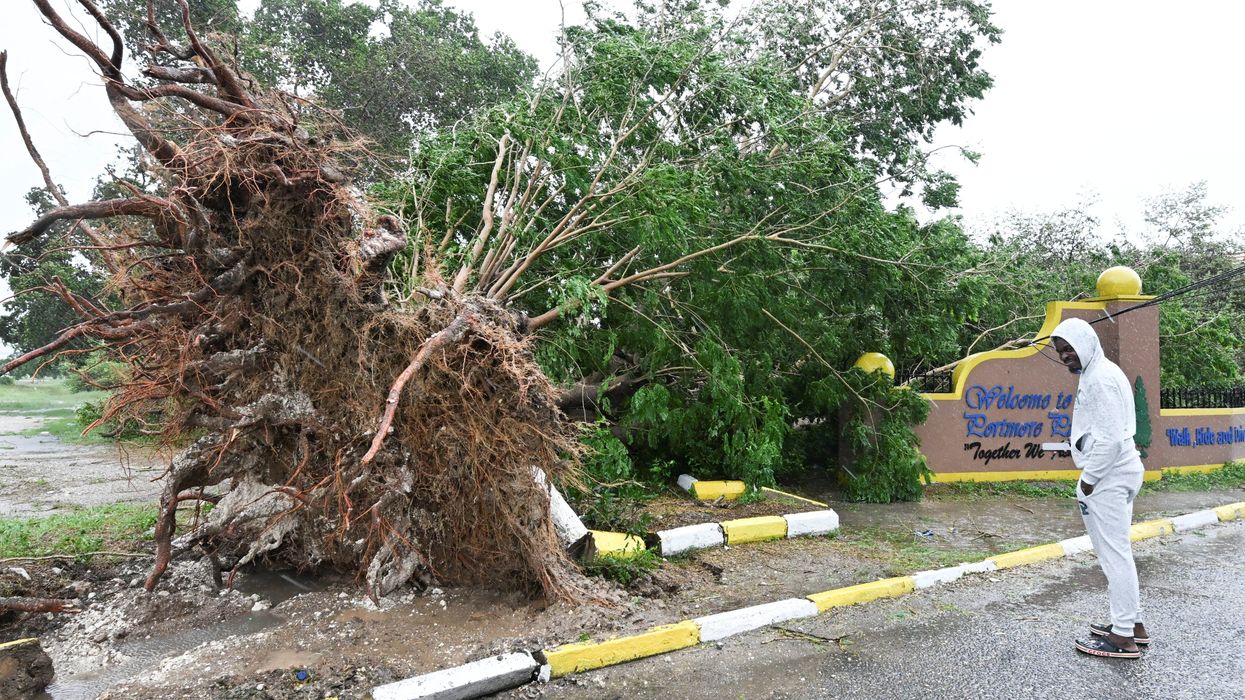
    A fallen tree in Jamaica during Hurricane Melissa.

    Hurricane Melissa Was a Third More Powerful Due to Human-Driven Climate Chaos

    The more carbon dioxide we put into the atmosphere by burning fossil fuels, the more we heat up the planet, and the fiercer we make the hurricanes and cyclones.

    Juan Cole
    Nov 01, 2025

    Hurricane Melissa is the most devastating storm to hit Jamaica in recorded history, CNN reports. It rapidly intensified over the past few days, with its winds reaching 185 miles per hour at the time of landfall. This intensification is a feature of hot water, and the Caribbean in that area is hot, at about 86.1°F or 30.1°C, much higher than it would have been 50 years ago.

    Hot water also puts more moisture into the atmosphere, which the storm dumps when it makes landfall, causing massive flooding. Jamaican reporters trying to cover the maelstrom reported being unable to get to affected areas because the roads are flooded.

    Keep ReadingShow Less
    climate denial
    hurricane-melissa
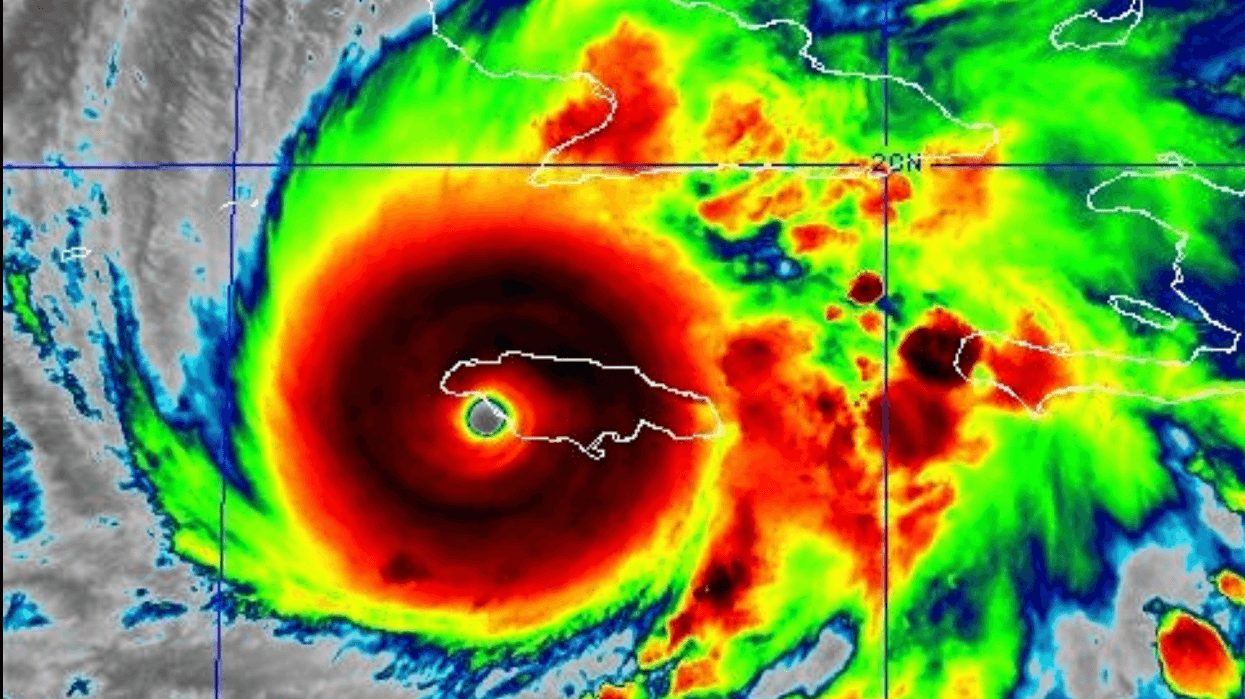
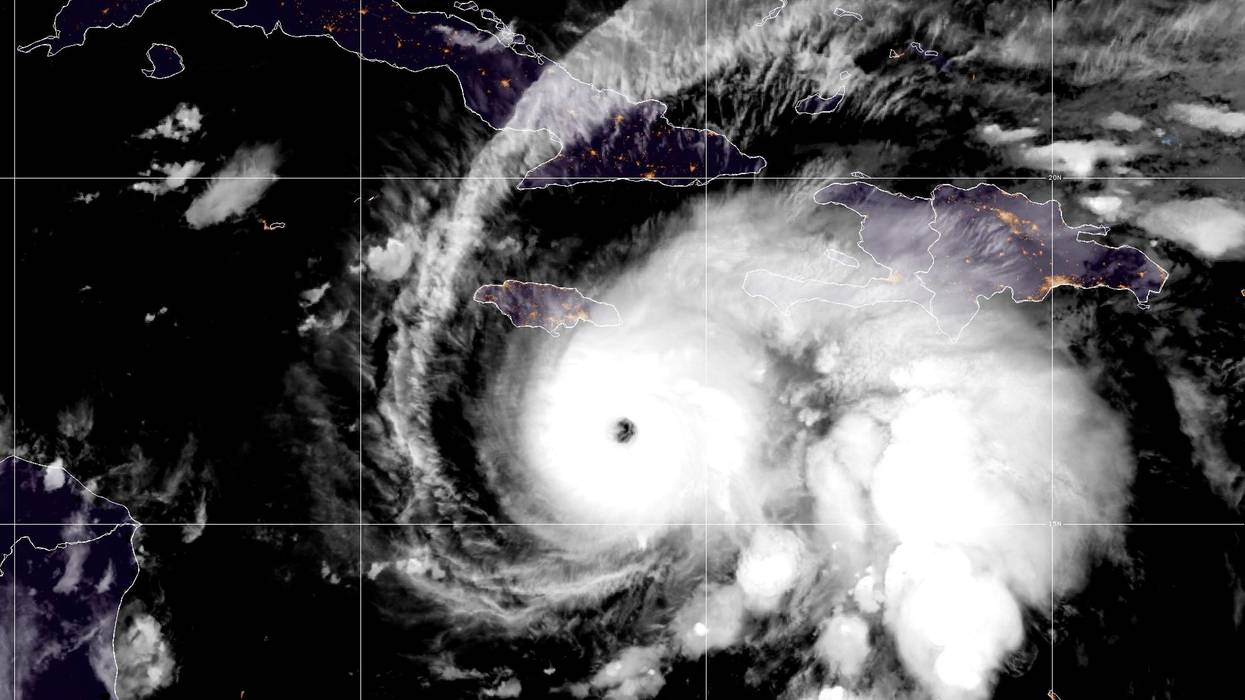
    Hurricane Melissa makes landfall in Jamaica, as shown in this satellite weather map

    Monster Hurricane Melissa Is Ominous Reminder of Trump's Perilous Climate Policy, Aid Cuts

    "The Trump administration and its Republican allies in Congress are condemning people around the world to more frequent and severe extreme weather," said one critic.

    Brett Wilkins
    Oct 28, 2025

    As Jamaica was flogged Tuesday by Hurricane Melissa, a Category 5 monster, climate defenders highlighted how US President Donald Trump's policies—including reckless fossil fuel expansion, eviscerating federal agencies, and slashing international aid—will deepen the devastating impacts of this and future natural disasters.

    Melissa—the strongest storm to slam Jamaica since 1851—made landfall near New Hope at approximately 1:00 pm local time, with sustained winds of 185 miles per hour, with significantly stronger gusts. As of 5:00 pm local time, the storm had weakened to a Category 4 as it crossed the Caribbean island's rugged mountain terrain, but still packed maximum sustained winds of 145 mph. Melissa is expected to strike Cuba next, with significant impacts also forecast for the Bahamas and Haiti.

    Keep ReadingShow Less
    donald trump
    climate-emergency

    SUBSCRIBE TO OUR FREE NEWSLETTER

    Daily news & progressive opinion—funded by the people, not the corporations—delivered straight to your inbox.

    subscribe
    below
    * indicates required
    True
    True
    Follow Us
    Most Popular

    'Grow a F*cking Spine': Critics Fume as Newsom Backtracks on ICE 'Terrorism' in Ben Shapiro Interview

    The Trump Administration's $3 Meal: 'A Piece of Chicken, a Piece of Broccoli, Corn Tortilla, and One Other Thing'

    3 Children Hospitalized in Minneapolis After Family Van Hit With ICE Flash-Bangs

    Fury Grows Over Democrats Who Won't Back ICE Funding Freeze

    Trump Isn't the First to Be Gifted a Nobel Prize He Didn't Win—Joseph Goebbels Got One Too

    ‘This Is Just a Lie’: Kristi Noem Denies ICE Is Using Show-Me-Your-Papers Tactics in Minnesota

    'Where Were You Born?' ICE Conducting Show-Me-Your-Papers Stops in Minnesota Neighborhoods

    Fearing Midterm Loss, Trump Once Again Says 'We Shouldn't Even Have an Election'

    LA Protester Permanently Blinded After DHS Agent Unloads 'Nonlethal' Round Into His Face

    'ICE Has Gone Rogue': Khanna Demands Arrest, Prosecution of Jonathan Ross for Murder of Renee Good

    We cover the issues the corporate media never will.
    Please support our journalism.