SUBSCRIBE TO OUR FREE NEWSLETTER
Daily news & progressive opinion—funded by the people, not the corporations—delivered straight to your inbox.
5
#000000
#FFFFFF
To donate by check, phone, or other method, see our More Ways to Give page.
Daily news & progressive opinion—funded by the people, not the corporations—delivered straight to your inbox.
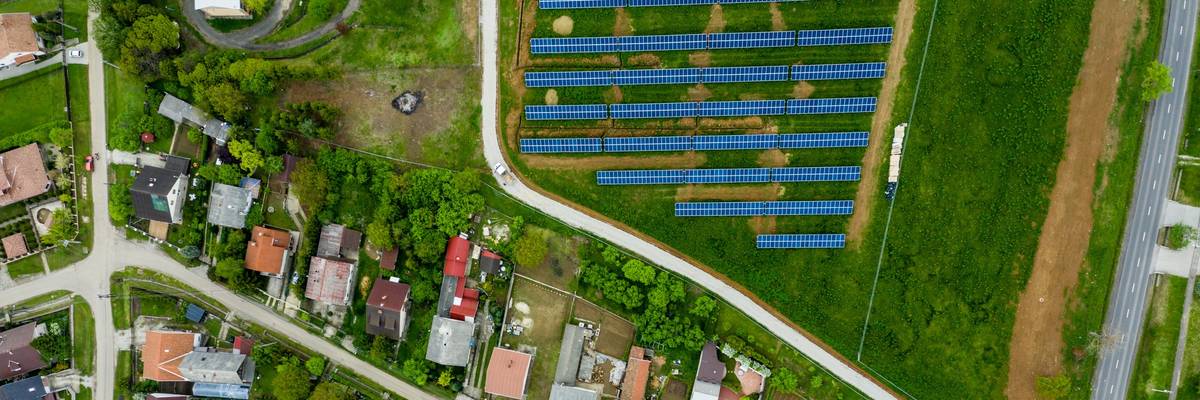
A cleaner, better world is in sight, but that world cannot be realized until we leave oil, coal, and gas in the ground once and for all.
The renewable energy transformation is accelerating — no matter how hard the fossil fuel industry and its supporters push back. It’s about time. I’m just one of many who’ve spent decades warning about the consequences of burning massive amounts of dirty fuels.
Email Of course, we must do much more if we want to avoid worsening the climate change impacts we’re already seeing: heat domes and other extreme weather events, floods, droughts, wildfires, migrant crises, species extinctions, water shortages, rising sea levels and more — not to mention pollution-related health problems.The good news is that the transition is well underway. The International Energy Agency expects global investment in renewable energy technology and infrastructure to reach US$2 trillion this year, double the amount going into gas, oil and coal. Last year also saw a significant increase. According to Reuters, “Combined investment in renewable power and grids overtook the amount spent on fossil fuels for the first time in 2023.”
The latest research clearly shows the world is well on its way to quitting fossil fuels — but we need to move even faster to avoid increasing weather chaos and catastrophe.
A report by London-based energy think tank Ember found that “renewables generated a record 30% of global electricity in 2023, driven by growth in solar and wind.” Solar generation grew by 23 per cent, wind by 10 per cent and fossil fuels by just 0.8 per cent. “The report analyses electricity data from 215 countries, including the latest 2023 data for 80 countries representing 92% of global electricity demand.”
The renewable energy contribution might have been higher, but drought conditions caused a reduction in hydropower, some of which was replaced by coal power in China, India, Vietnam and Mexico — the main reason behind the slight growth in fossil fuel generation.
According to the report, “the latest forecasts give confidence that 2024 will begin a new era of falling fossil generation, marking 2023 as the likely peak of power sector emissions.”
“There’s an unprecedented opportunity for countries that choose to be at the forefront of the clean energy future,” Ember’s Global Insights program director Dave Jones said. “Expanding clean electricity not only helps to decarbonise the power sector. It also provides the step up in supply needed to electrify the whole economy; and that’s the real game-changer for the climate.”
Contrary to fossil fuel interest claims, Ember also found that fossil gas isn’t replacing coal power. “There’s going to be a bit of a rude awakening on gas,” Jones said. “The gas industry before were really looking forward to coal collapsing because that was going to create a new market for them but actually … wind and solar is replacing coal and it’s replacing gas.”
David Suzuki Foundation research confirms that increased fracking for liquefied natural gas in British Columbia and Alberta isn’t good for the climate or economy — let alone drought-stricken water supplies.
Another sign of the fossil fuel era’s demise is the number of countries producing power from renewable sources. According to the International Energy Agency and International Renewable Energy Agency, seven countries — Albania, Bhutan, Ethiopia, Iceland, Nepal, Paraguay and the Democratic Republic of Congo — now generate 99.7 per cent of their electricity from geothermal, hydro, solar and/or wind power.
“Another 40 countries got at least half of their electricity from renewables in 2021 and 2022 including 11 in Europe,” EuroNews reports. “Others, like Germany or Portugal, are capable of running on 100 per cent wind, water and solar for short amounts of time.”
An earlier David Suzuki Foundation report found that Canada can achieve reliable, affordable, 100 per cent emissions-free electricity by 2035 “without relying on expensive and sometimes unproven and dangerous technologies like nuclear or fossil gas with carbon capture and storage.”
Growing electrification of the global economy means increased demand, so energy conservation is also important. We must use and waste less.
The latest research clearly shows the world is well on its way to quitting fossil fuels — but we need to move even faster to avoid increasing weather chaos and catastrophe. We’ve already locked in enormous amounts of greenhouse gases that will remain in the atmosphere for decades, so impacts will continue, but we can slow and eventually reverse the trend.
The accelerating shift is good for the economy, climate, human health and air, land and water. A cleaner, better world is in sight, but we must leave fossil fuels in the ground and in the past.
Dear Common Dreams reader, It’s been nearly 30 years since I co-founded Common Dreams with my late wife, Lina Newhouser. We had the radical notion that journalism should serve the public good, not corporate profits. It was clear to us from the outset what it would take to build such a project. No paid advertisements. No corporate sponsors. No millionaire publisher telling us what to think or do. Many people said we wouldn't last a year, but we proved those doubters wrong. Together with a tremendous team of journalists and dedicated staff, we built an independent media outlet free from the constraints of profits and corporate control. Our mission has always been simple: To inform. To inspire. To ignite change for the common good. Building Common Dreams was not easy. Our survival was never guaranteed. When you take on the most powerful forces—Wall Street greed, fossil fuel industry destruction, Big Tech lobbyists, and uber-rich oligarchs who have spent billions upon billions rigging the economy and democracy in their favor—the only bulwark you have is supporters who believe in your work. But here’s the urgent message from me today. It's never been this bad out there. And it's never been this hard to keep us going. At the very moment Common Dreams is most needed, the threats we face are intensifying. We need your support now more than ever. We don't accept corporate advertising and never will. We don't have a paywall because we don't think people should be blocked from critical news based on their ability to pay. Everything we do is funded by the donations of readers like you. When everyone does the little they can afford, we are strong. But if that support retreats or dries up, so do we. Will you donate now to make sure Common Dreams not only survives but thrives? —Craig Brown, Co-founder |
The renewable energy transformation is accelerating — no matter how hard the fossil fuel industry and its supporters push back. It’s about time. I’m just one of many who’ve spent decades warning about the consequences of burning massive amounts of dirty fuels.
Email Of course, we must do much more if we want to avoid worsening the climate change impacts we’re already seeing: heat domes and other extreme weather events, floods, droughts, wildfires, migrant crises, species extinctions, water shortages, rising sea levels and more — not to mention pollution-related health problems.The good news is that the transition is well underway. The International Energy Agency expects global investment in renewable energy technology and infrastructure to reach US$2 trillion this year, double the amount going into gas, oil and coal. Last year also saw a significant increase. According to Reuters, “Combined investment in renewable power and grids overtook the amount spent on fossil fuels for the first time in 2023.”
The latest research clearly shows the world is well on its way to quitting fossil fuels — but we need to move even faster to avoid increasing weather chaos and catastrophe.
A report by London-based energy think tank Ember found that “renewables generated a record 30% of global electricity in 2023, driven by growth in solar and wind.” Solar generation grew by 23 per cent, wind by 10 per cent and fossil fuels by just 0.8 per cent. “The report analyses electricity data from 215 countries, including the latest 2023 data for 80 countries representing 92% of global electricity demand.”
The renewable energy contribution might have been higher, but drought conditions caused a reduction in hydropower, some of which was replaced by coal power in China, India, Vietnam and Mexico — the main reason behind the slight growth in fossil fuel generation.
According to the report, “the latest forecasts give confidence that 2024 will begin a new era of falling fossil generation, marking 2023 as the likely peak of power sector emissions.”
“There’s an unprecedented opportunity for countries that choose to be at the forefront of the clean energy future,” Ember’s Global Insights program director Dave Jones said. “Expanding clean electricity not only helps to decarbonise the power sector. It also provides the step up in supply needed to electrify the whole economy; and that’s the real game-changer for the climate.”
Contrary to fossil fuel interest claims, Ember also found that fossil gas isn’t replacing coal power. “There’s going to be a bit of a rude awakening on gas,” Jones said. “The gas industry before were really looking forward to coal collapsing because that was going to create a new market for them but actually … wind and solar is replacing coal and it’s replacing gas.”
David Suzuki Foundation research confirms that increased fracking for liquefied natural gas in British Columbia and Alberta isn’t good for the climate or economy — let alone drought-stricken water supplies.
Another sign of the fossil fuel era’s demise is the number of countries producing power from renewable sources. According to the International Energy Agency and International Renewable Energy Agency, seven countries — Albania, Bhutan, Ethiopia, Iceland, Nepal, Paraguay and the Democratic Republic of Congo — now generate 99.7 per cent of their electricity from geothermal, hydro, solar and/or wind power.
“Another 40 countries got at least half of their electricity from renewables in 2021 and 2022 including 11 in Europe,” EuroNews reports. “Others, like Germany or Portugal, are capable of running on 100 per cent wind, water and solar for short amounts of time.”
An earlier David Suzuki Foundation report found that Canada can achieve reliable, affordable, 100 per cent emissions-free electricity by 2035 “without relying on expensive and sometimes unproven and dangerous technologies like nuclear or fossil gas with carbon capture and storage.”
Growing electrification of the global economy means increased demand, so energy conservation is also important. We must use and waste less.
The latest research clearly shows the world is well on its way to quitting fossil fuels — but we need to move even faster to avoid increasing weather chaos and catastrophe. We’ve already locked in enormous amounts of greenhouse gases that will remain in the atmosphere for decades, so impacts will continue, but we can slow and eventually reverse the trend.
The accelerating shift is good for the economy, climate, human health and air, land and water. A cleaner, better world is in sight, but we must leave fossil fuels in the ground and in the past.
The renewable energy transformation is accelerating — no matter how hard the fossil fuel industry and its supporters push back. It’s about time. I’m just one of many who’ve spent decades warning about the consequences of burning massive amounts of dirty fuels.
Email Of course, we must do much more if we want to avoid worsening the climate change impacts we’re already seeing: heat domes and other extreme weather events, floods, droughts, wildfires, migrant crises, species extinctions, water shortages, rising sea levels and more — not to mention pollution-related health problems.The good news is that the transition is well underway. The International Energy Agency expects global investment in renewable energy technology and infrastructure to reach US$2 trillion this year, double the amount going into gas, oil and coal. Last year also saw a significant increase. According to Reuters, “Combined investment in renewable power and grids overtook the amount spent on fossil fuels for the first time in 2023.”
The latest research clearly shows the world is well on its way to quitting fossil fuels — but we need to move even faster to avoid increasing weather chaos and catastrophe.
A report by London-based energy think tank Ember found that “renewables generated a record 30% of global electricity in 2023, driven by growth in solar and wind.” Solar generation grew by 23 per cent, wind by 10 per cent and fossil fuels by just 0.8 per cent. “The report analyses electricity data from 215 countries, including the latest 2023 data for 80 countries representing 92% of global electricity demand.”
The renewable energy contribution might have been higher, but drought conditions caused a reduction in hydropower, some of which was replaced by coal power in China, India, Vietnam and Mexico — the main reason behind the slight growth in fossil fuel generation.
According to the report, “the latest forecasts give confidence that 2024 will begin a new era of falling fossil generation, marking 2023 as the likely peak of power sector emissions.”
“There’s an unprecedented opportunity for countries that choose to be at the forefront of the clean energy future,” Ember’s Global Insights program director Dave Jones said. “Expanding clean electricity not only helps to decarbonise the power sector. It also provides the step up in supply needed to electrify the whole economy; and that’s the real game-changer for the climate.”
Contrary to fossil fuel interest claims, Ember also found that fossil gas isn’t replacing coal power. “There’s going to be a bit of a rude awakening on gas,” Jones said. “The gas industry before were really looking forward to coal collapsing because that was going to create a new market for them but actually … wind and solar is replacing coal and it’s replacing gas.”
David Suzuki Foundation research confirms that increased fracking for liquefied natural gas in British Columbia and Alberta isn’t good for the climate or economy — let alone drought-stricken water supplies.
Another sign of the fossil fuel era’s demise is the number of countries producing power from renewable sources. According to the International Energy Agency and International Renewable Energy Agency, seven countries — Albania, Bhutan, Ethiopia, Iceland, Nepal, Paraguay and the Democratic Republic of Congo — now generate 99.7 per cent of their electricity from geothermal, hydro, solar and/or wind power.
“Another 40 countries got at least half of their electricity from renewables in 2021 and 2022 including 11 in Europe,” EuroNews reports. “Others, like Germany or Portugal, are capable of running on 100 per cent wind, water and solar for short amounts of time.”
An earlier David Suzuki Foundation report found that Canada can achieve reliable, affordable, 100 per cent emissions-free electricity by 2035 “without relying on expensive and sometimes unproven and dangerous technologies like nuclear or fossil gas with carbon capture and storage.”
Growing electrification of the global economy means increased demand, so energy conservation is also important. We must use and waste less.
The latest research clearly shows the world is well on its way to quitting fossil fuels — but we need to move even faster to avoid increasing weather chaos and catastrophe. We’ve already locked in enormous amounts of greenhouse gases that will remain in the atmosphere for decades, so impacts will continue, but we can slow and eventually reverse the trend.
The accelerating shift is good for the economy, climate, human health and air, land and water. A cleaner, better world is in sight, but we must leave fossil fuels in the ground and in the past.