SUBSCRIBE TO OUR FREE NEWSLETTER
Daily news & progressive opinion—funded by the people, not the corporations—delivered straight to your inbox.
5
#000000
#FFFFFF
To donate by check, phone, or other method, see our More Ways to Give page.
Daily news & progressive opinion—funded by the people, not the corporations—delivered straight to your inbox.
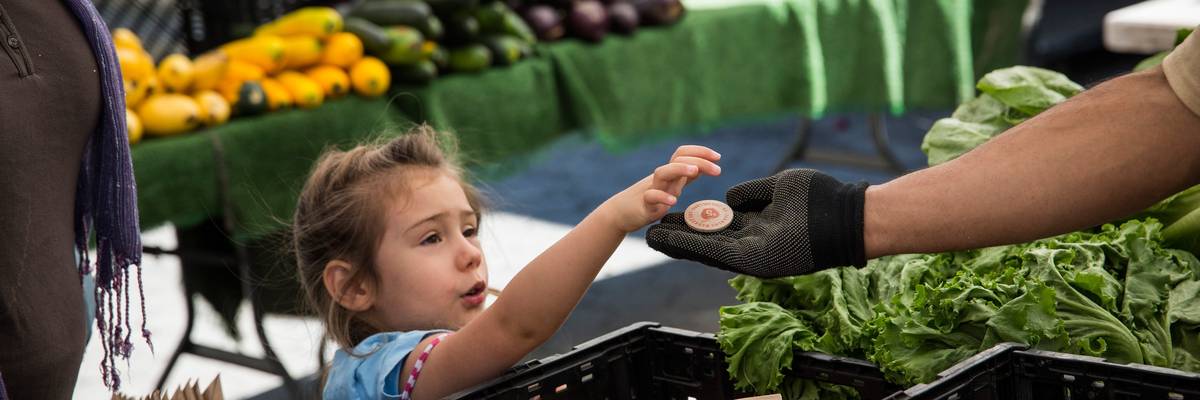
A girl pays for her mother's groceries using Electronic Benefits Transfer tokens, more commonly known as Food Stamps, at the GrowNYC Greenmarket in Union Square on September 18, 2013 in New York City.
Trump’s so-called “Big Beautiful Bill” will result in the largest cut to SNAP in history, at $186 billion through 2034.
What do Louisiana, West Virginia, Oklahoma, and Alabama have in common? For one thing, they’re red states. For another, they’re poor states. Each has among the top 10 highest percentages of residents on Supplemental Nutrition Assistance Program, or food stamps.
And finally, every one of their Republican lawmakers voted for U.S. President Donald Trump’s so-called “Big Beautiful Bill”—which will result in the largest cut to Supplemental Nutrition Assistance Program (SNAP) in history, at $186 billion through 2034.
The bill doesn’t just cut federal SNAP spending. It also, for the first time, shifts much of that burden to the states. So state governments will need to raise taxes, cut spending, or further slash benefits to meet these added expenses. Others may eliminate their SNAP rolls entirely.
SNAP offers taxpayers a tremendous return on investment. “One study estimates that every SNAP dollar invested in children returns $62 in value over the long term,” the Center on Policy and Budget Priorities reports.
Whether we live in red states or blue states, all of us need to speak out against this cruelty.
So GOP lawmakers aren’t making these cuts because we can’t afford SNAP. They’re doing it to offset some of their deficit-busting tax breaks for corporations and the wealthy. Taking food from kids to give billionaires a tax break? Talk about Robin Hood in reverse.
In an open letter to congressional leaders, 23 state governors—including the leaders of historically red states like North Carolina, Kansas, and Kentucky—call these SNAP cuts “unrealistic” and warn they will “result in too many Americans forced to survive rather than thrive.”
Red states will be among the hardest hit, but it’s a truly national problem. In 2023, the U.S. Department of Agriculture found that 13.5% of U.S households were “food insecure,” meaning they have a “limited or uncertain availability of nutritionally adequate and safe foods.” SNAP benefits currently serve more than 40 million Americans, almost half of them children.
Between cuts, burdensome new work and reporting requirements, and the cost shifting to the states, the “Big Beautiful Bill” could cause over 22.3 million families to lose most, if not all, of their SNAP benefits, according to the Urban Institute. That includes over 3.3 million children.
Studies show that work requirements don’t result in more employment—they only result in eligible people losing benefits because of the onerous reporting requirements.
Children whose families receive SNAP benefits also qualify for free and reduced school lunch and summer Electronic Benefits Transfer programs. But millions will lose this qualification under Trump’s new law, leaving kids hungry at school as well as at home. And children who are U.S. citizens but who have parents without a Social Security number will be prohibited from receiving food under this bill.
Children aren’t the only demographic at risk of going hungry. The National Women’s Law Center (NWLC) found that 55% of non-elderly adult SNAP recipients in 2023 were women, and one-third of them were women of color. Over half were single parents.
The NWLC also found that SNAP recipients are more likely to report “excellent or very good” nutrition than those who don’t receive benefits in low-income communities, pointing to the difference these benefits make for health. Pregnant mothers and kids in early childhood with access to SNAP also see improved long-term health outcomes.
“Do you know what it’s like to hold two master’s degrees, be called ‘Reverend,’ and still need food stamps?” said Reverend Regina Clarke at a rally led by Reverend William Barber’s anti-poverty group Repairers of the Breach. Clarke is among the demographic of single parents who are SNAP recipients. “When you strip away someone’s food security, you strip away their strength to lift others.”
But lifting our voices and our communities is exactly what we need to do. Whether we live in red states or blue states, all of us need to speak out against this cruelty. Low-income kids and families shouldn’t be going hungry so billionaires can claim another tax break.
Dear Common Dreams reader, It’s been nearly 30 years since I co-founded Common Dreams with my late wife, Lina Newhouser. We had the radical notion that journalism should serve the public good, not corporate profits. It was clear to us from the outset what it would take to build such a project. No paid advertisements. No corporate sponsors. No millionaire publisher telling us what to think or do. Many people said we wouldn't last a year, but we proved those doubters wrong. Together with a tremendous team of journalists and dedicated staff, we built an independent media outlet free from the constraints of profits and corporate control. Our mission has always been simple: To inform. To inspire. To ignite change for the common good. Building Common Dreams was not easy. Our survival was never guaranteed. When you take on the most powerful forces—Wall Street greed, fossil fuel industry destruction, Big Tech lobbyists, and uber-rich oligarchs who have spent billions upon billions rigging the economy and democracy in their favor—the only bulwark you have is supporters who believe in your work. But here’s the urgent message from me today. It's never been this bad out there. And it's never been this hard to keep us going. At the very moment Common Dreams is most needed, the threats we face are intensifying. We need your support now more than ever. We don't accept corporate advertising and never will. We don't have a paywall because we don't think people should be blocked from critical news based on their ability to pay. Everything we do is funded by the donations of readers like you. When everyone does the little they can afford, we are strong. But if that support retreats or dries up, so do we. Will you donate now to make sure Common Dreams not only survives but thrives? —Craig Brown, Co-founder |
What do Louisiana, West Virginia, Oklahoma, and Alabama have in common? For one thing, they’re red states. For another, they’re poor states. Each has among the top 10 highest percentages of residents on Supplemental Nutrition Assistance Program, or food stamps.
And finally, every one of their Republican lawmakers voted for U.S. President Donald Trump’s so-called “Big Beautiful Bill”—which will result in the largest cut to Supplemental Nutrition Assistance Program (SNAP) in history, at $186 billion through 2034.
The bill doesn’t just cut federal SNAP spending. It also, for the first time, shifts much of that burden to the states. So state governments will need to raise taxes, cut spending, or further slash benefits to meet these added expenses. Others may eliminate their SNAP rolls entirely.
SNAP offers taxpayers a tremendous return on investment. “One study estimates that every SNAP dollar invested in children returns $62 in value over the long term,” the Center on Policy and Budget Priorities reports.
Whether we live in red states or blue states, all of us need to speak out against this cruelty.
So GOP lawmakers aren’t making these cuts because we can’t afford SNAP. They’re doing it to offset some of their deficit-busting tax breaks for corporations and the wealthy. Taking food from kids to give billionaires a tax break? Talk about Robin Hood in reverse.
In an open letter to congressional leaders, 23 state governors—including the leaders of historically red states like North Carolina, Kansas, and Kentucky—call these SNAP cuts “unrealistic” and warn they will “result in too many Americans forced to survive rather than thrive.”
Red states will be among the hardest hit, but it’s a truly national problem. In 2023, the U.S. Department of Agriculture found that 13.5% of U.S households were “food insecure,” meaning they have a “limited or uncertain availability of nutritionally adequate and safe foods.” SNAP benefits currently serve more than 40 million Americans, almost half of them children.
Between cuts, burdensome new work and reporting requirements, and the cost shifting to the states, the “Big Beautiful Bill” could cause over 22.3 million families to lose most, if not all, of their SNAP benefits, according to the Urban Institute. That includes over 3.3 million children.
Studies show that work requirements don’t result in more employment—they only result in eligible people losing benefits because of the onerous reporting requirements.
Children whose families receive SNAP benefits also qualify for free and reduced school lunch and summer Electronic Benefits Transfer programs. But millions will lose this qualification under Trump’s new law, leaving kids hungry at school as well as at home. And children who are U.S. citizens but who have parents without a Social Security number will be prohibited from receiving food under this bill.
Children aren’t the only demographic at risk of going hungry. The National Women’s Law Center (NWLC) found that 55% of non-elderly adult SNAP recipients in 2023 were women, and one-third of them were women of color. Over half were single parents.
The NWLC also found that SNAP recipients are more likely to report “excellent or very good” nutrition than those who don’t receive benefits in low-income communities, pointing to the difference these benefits make for health. Pregnant mothers and kids in early childhood with access to SNAP also see improved long-term health outcomes.
“Do you know what it’s like to hold two master’s degrees, be called ‘Reverend,’ and still need food stamps?” said Reverend Regina Clarke at a rally led by Reverend William Barber’s anti-poverty group Repairers of the Breach. Clarke is among the demographic of single parents who are SNAP recipients. “When you strip away someone’s food security, you strip away their strength to lift others.”
But lifting our voices and our communities is exactly what we need to do. Whether we live in red states or blue states, all of us need to speak out against this cruelty. Low-income kids and families shouldn’t be going hungry so billionaires can claim another tax break.
What do Louisiana, West Virginia, Oklahoma, and Alabama have in common? For one thing, they’re red states. For another, they’re poor states. Each has among the top 10 highest percentages of residents on Supplemental Nutrition Assistance Program, or food stamps.
And finally, every one of their Republican lawmakers voted for U.S. President Donald Trump’s so-called “Big Beautiful Bill”—which will result in the largest cut to Supplemental Nutrition Assistance Program (SNAP) in history, at $186 billion through 2034.
The bill doesn’t just cut federal SNAP spending. It also, for the first time, shifts much of that burden to the states. So state governments will need to raise taxes, cut spending, or further slash benefits to meet these added expenses. Others may eliminate their SNAP rolls entirely.
SNAP offers taxpayers a tremendous return on investment. “One study estimates that every SNAP dollar invested in children returns $62 in value over the long term,” the Center on Policy and Budget Priorities reports.
Whether we live in red states or blue states, all of us need to speak out against this cruelty.
So GOP lawmakers aren’t making these cuts because we can’t afford SNAP. They’re doing it to offset some of their deficit-busting tax breaks for corporations and the wealthy. Taking food from kids to give billionaires a tax break? Talk about Robin Hood in reverse.
In an open letter to congressional leaders, 23 state governors—including the leaders of historically red states like North Carolina, Kansas, and Kentucky—call these SNAP cuts “unrealistic” and warn they will “result in too many Americans forced to survive rather than thrive.”
Red states will be among the hardest hit, but it’s a truly national problem. In 2023, the U.S. Department of Agriculture found that 13.5% of U.S households were “food insecure,” meaning they have a “limited or uncertain availability of nutritionally adequate and safe foods.” SNAP benefits currently serve more than 40 million Americans, almost half of them children.
Between cuts, burdensome new work and reporting requirements, and the cost shifting to the states, the “Big Beautiful Bill” could cause over 22.3 million families to lose most, if not all, of their SNAP benefits, according to the Urban Institute. That includes over 3.3 million children.
Studies show that work requirements don’t result in more employment—they only result in eligible people losing benefits because of the onerous reporting requirements.
Children whose families receive SNAP benefits also qualify for free and reduced school lunch and summer Electronic Benefits Transfer programs. But millions will lose this qualification under Trump’s new law, leaving kids hungry at school as well as at home. And children who are U.S. citizens but who have parents without a Social Security number will be prohibited from receiving food under this bill.
Children aren’t the only demographic at risk of going hungry. The National Women’s Law Center (NWLC) found that 55% of non-elderly adult SNAP recipients in 2023 were women, and one-third of them were women of color. Over half were single parents.
The NWLC also found that SNAP recipients are more likely to report “excellent or very good” nutrition than those who don’t receive benefits in low-income communities, pointing to the difference these benefits make for health. Pregnant mothers and kids in early childhood with access to SNAP also see improved long-term health outcomes.
“Do you know what it’s like to hold two master’s degrees, be called ‘Reverend,’ and still need food stamps?” said Reverend Regina Clarke at a rally led by Reverend William Barber’s anti-poverty group Repairers of the Breach. Clarke is among the demographic of single parents who are SNAP recipients. “When you strip away someone’s food security, you strip away their strength to lift others.”
But lifting our voices and our communities is exactly what we need to do. Whether we live in red states or blue states, all of us need to speak out against this cruelty. Low-income kids and families shouldn’t be going hungry so billionaires can claim another tax break.