SUBSCRIBE TO OUR FREE NEWSLETTER
Daily news & progressive opinion—funded by the people, not the corporations—delivered straight to your inbox.
5
#000000
#FFFFFF
To donate by check, phone, or other method, see our More Ways to Give page.
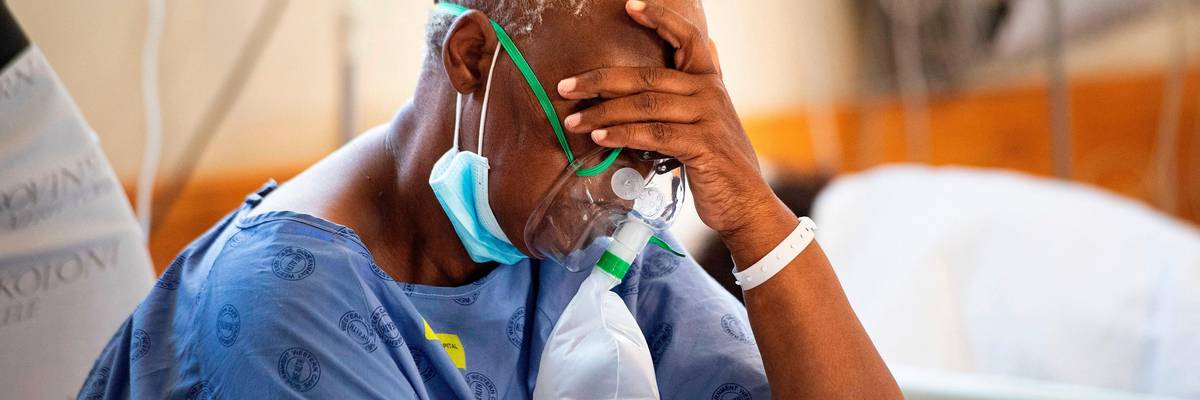
The same day U.S. officials announced the first confirmed case of Omicron coronavirus variant detected in the country, the head of the World Health Organization lamented that nations had created a "toxic mix" fueling conditions favorable to the virus' spread, including vastly unequal access to Covid-19 vaccines.
WHO chief Tedros Adhanom Ghebreyesus' comments Wednesday came as he welcomed member states having reached an agreement to begin the lengthy process of drafting a new convention or international agreement on preventing a future pandemic and also urged continued vigilance against the highly transmissible Delta variant, which is dominating global cases.
The fact that Omicron has now been reported in at least 23 countries, said Tedros, "should not surprise us. This is what viruses do."
"And," he continued, "it's what this virus will continue to do, as we long as we allow it to continue spreading."
Tedros praised "Botswana and South Africa for detecting, sequencing and reporting this variant so rapidly." He called it "deeply concerning to me that those countries are now being penalized by others for doing the right thing."
While "rational, proportional risk-reduction measures" are warranted, Tedros rejected "blanket travel bans" as a measure to stop Omicron's spread, saying they "place a heavy burden on lives and livelihoods."
The U.S. imposed travel restrictions on eight countries, including Botswana and South Africa, this week in response to the new variant. Other nations have taken similar measures, as well, sparking criticism from South African Health Minister Joe Phaahla, who said nations were "finding scapegoats to deal with what is a worldwide problem."
Related Content

Tedros, in his comments, had a similar message as grassroots vaccine equity campaigners in putting blame for the new mutations on the stark difference between rich and poor nations in access to vaccines and other Covid-19 related tools--a gap the activists say proves the need for adopting a stonewalled waiver at the World Trade Organization for coronavirus vaccine patents.
"Globally," he said, "we have a toxic mix of low vaccine coverage, and very low testing--a recipe for breeding and amplifying variants."
According to Our World in Data, 54.5% of the world population has received at least one dose of a Covid-19 vaccine. In low-income countries, however, the figure stands at just 6%.
On Wednesday the Centers for Disease Control and Prevention said that the California and San Francisco Departments of Public Health confirmed an Omicron variant case of the virus, the first time the variant has been detected in the U.S.
The individual, who is vaccinated and had mild symptoms, returned from travel to South Africa on November 22, the agency said.
The same day U.S. officials announced the first confirmed case of Omicron coronavirus variant detected in the country, the head of the World Health Organization lamented that nations had created a "toxic mix" fueling conditions favorable to the virus' spread, including vastly unequal access to Covid-19 vaccines.
WHO chief Tedros Adhanom Ghebreyesus' comments Wednesday came as he welcomed member states having reached an agreement to begin the lengthy process of drafting a new convention or international agreement on preventing a future pandemic and also urged continued vigilance against the highly transmissible Delta variant, which is dominating global cases.
The fact that Omicron has now been reported in at least 23 countries, said Tedros, "should not surprise us. This is what viruses do."
"And," he continued, "it's what this virus will continue to do, as we long as we allow it to continue spreading."
Tedros praised "Botswana and South Africa for detecting, sequencing and reporting this variant so rapidly." He called it "deeply concerning to me that those countries are now being penalized by others for doing the right thing."
While "rational, proportional risk-reduction measures" are warranted, Tedros rejected "blanket travel bans" as a measure to stop Omicron's spread, saying they "place a heavy burden on lives and livelihoods."
The U.S. imposed travel restrictions on eight countries, including Botswana and South Africa, this week in response to the new variant. Other nations have taken similar measures, as well, sparking criticism from South African Health Minister Joe Phaahla, who said nations were "finding scapegoats to deal with what is a worldwide problem."
Related Content
Tedros, in his comments, had a similar message as grassroots vaccine equity campaigners in putting blame for the new mutations on the stark difference between rich and poor nations in access to vaccines and other Covid-19 related tools--a gap the activists say proves the need for adopting a stonewalled waiver at the World Trade Organization for coronavirus vaccine patents.
"Globally," he said, "we have a toxic mix of low vaccine coverage, and very low testing--a recipe for breeding and amplifying variants."
According to Our World in Data, 54.5% of the world population has received at least one dose of a Covid-19 vaccine. In low-income countries, however, the figure stands at just 6%.
On Wednesday the Centers for Disease Control and Prevention said that the California and San Francisco Departments of Public Health confirmed an Omicron variant case of the virus, the first time the variant has been detected in the U.S.
The individual, who is vaccinated and had mild symptoms, returned from travel to South Africa on November 22, the agency said.
The same day U.S. officials announced the first confirmed case of Omicron coronavirus variant detected in the country, the head of the World Health Organization lamented that nations had created a "toxic mix" fueling conditions favorable to the virus' spread, including vastly unequal access to Covid-19 vaccines.
WHO chief Tedros Adhanom Ghebreyesus' comments Wednesday came as he welcomed member states having reached an agreement to begin the lengthy process of drafting a new convention or international agreement on preventing a future pandemic and also urged continued vigilance against the highly transmissible Delta variant, which is dominating global cases.
The fact that Omicron has now been reported in at least 23 countries, said Tedros, "should not surprise us. This is what viruses do."
"And," he continued, "it's what this virus will continue to do, as we long as we allow it to continue spreading."
Tedros praised "Botswana and South Africa for detecting, sequencing and reporting this variant so rapidly." He called it "deeply concerning to me that those countries are now being penalized by others for doing the right thing."
While "rational, proportional risk-reduction measures" are warranted, Tedros rejected "blanket travel bans" as a measure to stop Omicron's spread, saying they "place a heavy burden on lives and livelihoods."
The U.S. imposed travel restrictions on eight countries, including Botswana and South Africa, this week in response to the new variant. Other nations have taken similar measures, as well, sparking criticism from South African Health Minister Joe Phaahla, who said nations were "finding scapegoats to deal with what is a worldwide problem."
Related Content
Tedros, in his comments, had a similar message as grassroots vaccine equity campaigners in putting blame for the new mutations on the stark difference between rich and poor nations in access to vaccines and other Covid-19 related tools--a gap the activists say proves the need for adopting a stonewalled waiver at the World Trade Organization for coronavirus vaccine patents.
"Globally," he said, "we have a toxic mix of low vaccine coverage, and very low testing--a recipe for breeding and amplifying variants."
According to Our World in Data, 54.5% of the world population has received at least one dose of a Covid-19 vaccine. In low-income countries, however, the figure stands at just 6%.
On Wednesday the Centers for Disease Control and Prevention said that the California and San Francisco Departments of Public Health confirmed an Omicron variant case of the virus, the first time the variant has been detected in the U.S.
The individual, who is vaccinated and had mild symptoms, returned from travel to South Africa on November 22, the agency said.