

SUBSCRIBE TO OUR FREE NEWSLETTER
Daily news & progressive opinion—funded by the people, not the corporations—delivered straight to your inbox.
5
#000000
#FFFFFF
To donate by check, phone, or other method, see our More Ways to Give page.
Daily news & progressive opinion—funded by the people, not the corporations—delivered straight to your inbox.
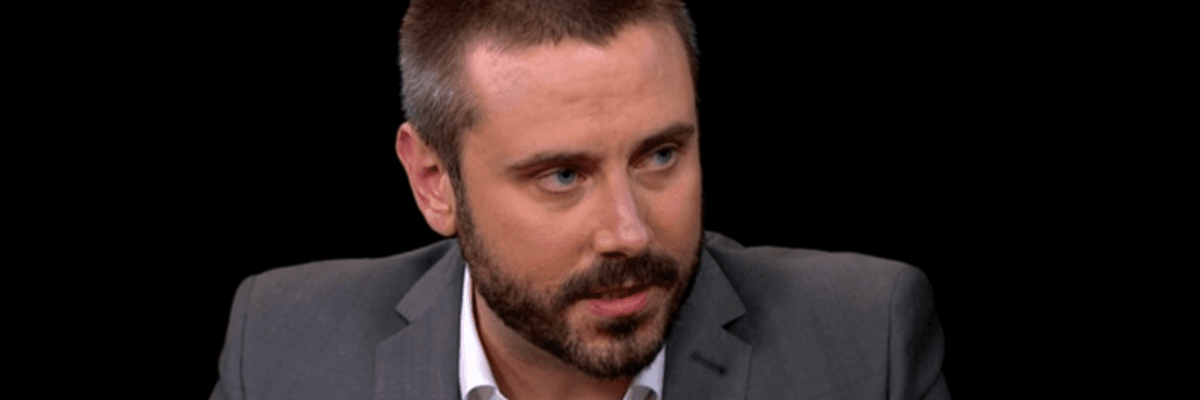
Journalist Jeremy Scahill on Friday weighed in on major foreign policy developments out of the Trump administration. (Photo: Charlie Rose/screenshot)
Journalist Jeremy Scahill--who has built a career reporting on American militarism and imperialism across the globe--turned to Twitter on Friday to weigh in on a few major foreign policy developments over the past 24 hours: the resignation of Defense Secretary James "Mad Dog" Mattis, and President Donald Trump's consideration of withdrawing U.S. troops from Syria and Afghanistan.
Mattis will leave his post at the Pentagon in February, according to his resignation letter circulated Thursday, which highlighted his policy disagreements with the president. The announcement of his imminent departure sent shockwaves throughout the Washington, D.C. foreign policy establishment and corporate media--whose lamenting that a man nicknamed Mad Dog was the last "adult in the room" also triggered an onslaught of criticism.
Mattis, the New York Times reported, resigned "in protest of President Trump's decision to withdraw American forces from Syria and his rejection of international alliances." News of the president's plans for Syria were followed by reports that Trump has ordered officials to craft a plan to bring home about half of the 14,000 troops currently stationed in Afghanistan. While many progressives have celebrated the prospect of winding down the American military presence in both countries, critics have also raised alarm about potential regional consequences of rapid withdrawal and the unhinged behavior of a president acting like an out-of-control "idiot king."
Scahill summarized his top takeaways on Mattis, Syria, and Afghanistan in a 10-point list posted to Twitter:
Dear Common Dreams reader, It’s been nearly 30 years since I co-founded Common Dreams with my late wife, Lina Newhouser. We had the radical notion that journalism should serve the public good, not corporate profits. It was clear to us from the outset what it would take to build such a project. No paid advertisements. No corporate sponsors. No millionaire publisher telling us what to think or do. Many people said we wouldn't last a year, but we proved those doubters wrong. Together with a tremendous team of journalists and dedicated staff, we built an independent media outlet free from the constraints of profits and corporate control. Our mission has always been simple: To inform. To inspire. To ignite change for the common good. Building Common Dreams was not easy. Our survival was never guaranteed. When you take on the most powerful forces—Wall Street greed, fossil fuel industry destruction, Big Tech lobbyists, and uber-rich oligarchs who have spent billions upon billions rigging the economy and democracy in their favor—the only bulwark you have is supporters who believe in your work. But here’s the urgent message from me today. It's never been this bad out there. And it's never been this hard to keep us going. At the very moment Common Dreams is most needed, the threats we face are intensifying. We need your support now more than ever. We don't accept corporate advertising and never will. We don't have a paywall because we don't think people should be blocked from critical news based on their ability to pay. Everything we do is funded by the donations of readers like you. When everyone does the little they can afford, we are strong. But if that support retreats or dries up, so do we. Will you donate now to make sure Common Dreams not only survives but thrives? —Craig Brown, Co-founder |
Journalist Jeremy Scahill--who has built a career reporting on American militarism and imperialism across the globe--turned to Twitter on Friday to weigh in on a few major foreign policy developments over the past 24 hours: the resignation of Defense Secretary James "Mad Dog" Mattis, and President Donald Trump's consideration of withdrawing U.S. troops from Syria and Afghanistan.
Mattis will leave his post at the Pentagon in February, according to his resignation letter circulated Thursday, which highlighted his policy disagreements with the president. The announcement of his imminent departure sent shockwaves throughout the Washington, D.C. foreign policy establishment and corporate media--whose lamenting that a man nicknamed Mad Dog was the last "adult in the room" also triggered an onslaught of criticism.
Mattis, the New York Times reported, resigned "in protest of President Trump's decision to withdraw American forces from Syria and his rejection of international alliances." News of the president's plans for Syria were followed by reports that Trump has ordered officials to craft a plan to bring home about half of the 14,000 troops currently stationed in Afghanistan. While many progressives have celebrated the prospect of winding down the American military presence in both countries, critics have also raised alarm about potential regional consequences of rapid withdrawal and the unhinged behavior of a president acting like an out-of-control "idiot king."
Scahill summarized his top takeaways on Mattis, Syria, and Afghanistan in a 10-point list posted to Twitter:
Journalist Jeremy Scahill--who has built a career reporting on American militarism and imperialism across the globe--turned to Twitter on Friday to weigh in on a few major foreign policy developments over the past 24 hours: the resignation of Defense Secretary James "Mad Dog" Mattis, and President Donald Trump's consideration of withdrawing U.S. troops from Syria and Afghanistan.
Mattis will leave his post at the Pentagon in February, according to his resignation letter circulated Thursday, which highlighted his policy disagreements with the president. The announcement of his imminent departure sent shockwaves throughout the Washington, D.C. foreign policy establishment and corporate media--whose lamenting that a man nicknamed Mad Dog was the last "adult in the room" also triggered an onslaught of criticism.
Mattis, the New York Times reported, resigned "in protest of President Trump's decision to withdraw American forces from Syria and his rejection of international alliances." News of the president's plans for Syria were followed by reports that Trump has ordered officials to craft a plan to bring home about half of the 14,000 troops currently stationed in Afghanistan. While many progressives have celebrated the prospect of winding down the American military presence in both countries, critics have also raised alarm about potential regional consequences of rapid withdrawal and the unhinged behavior of a president acting like an out-of-control "idiot king."
Scahill summarized his top takeaways on Mattis, Syria, and Afghanistan in a 10-point list posted to Twitter:

